

The Vietnamese people, known as người Việt or người Kinh, hold a unique place in Southeast Asia with deep roots in northern Vietnam and southern China. As the ethnic majority of Vietnam, they make up over 85% of the population and stand apart from other groups through their distinct ethnicity, cultural identity, and shared history. While geography places them in Southeast Asia, centuries of Chinese influence shaped their traditions, language, and worldview—linking them more closely to East Asian cultures. Genetic studies confirm this rich origin, showing strong ties to Chinese and Thai-Indonesian populations. This blend of heritage, resilience, and cultural pride continues to define the Vietnamese people—past and present.
Who Are the Vietnamese People?
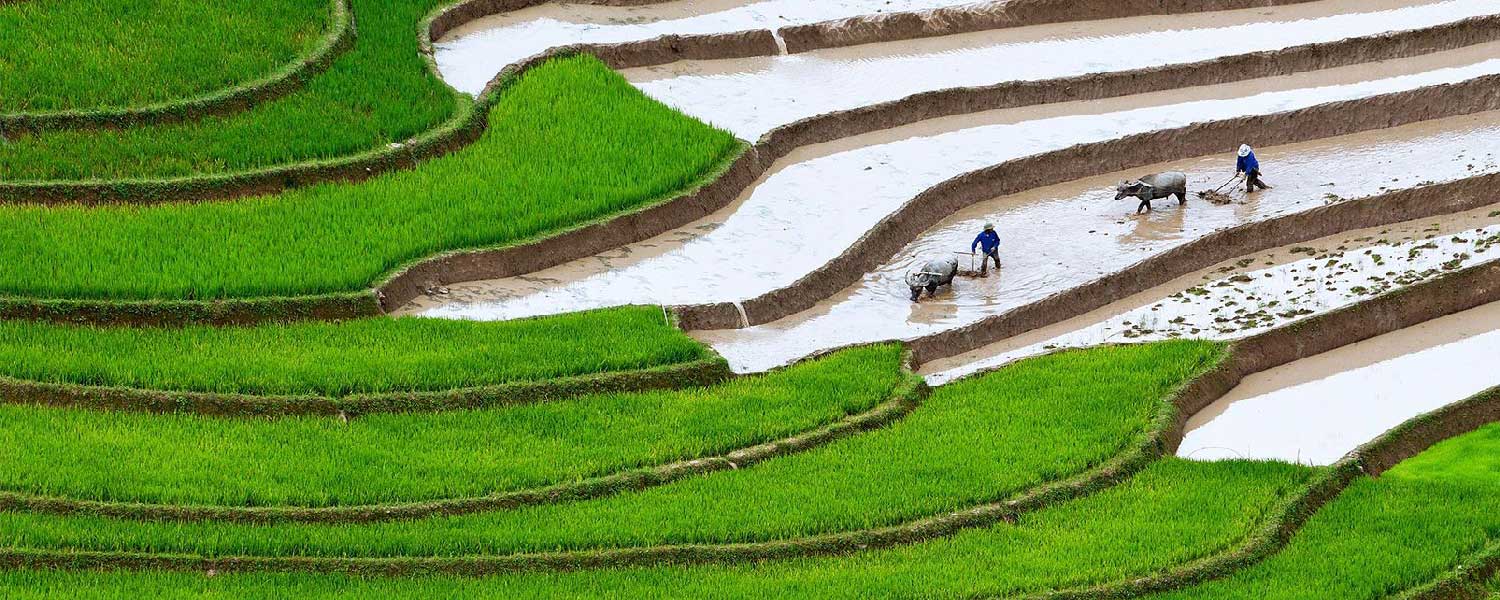
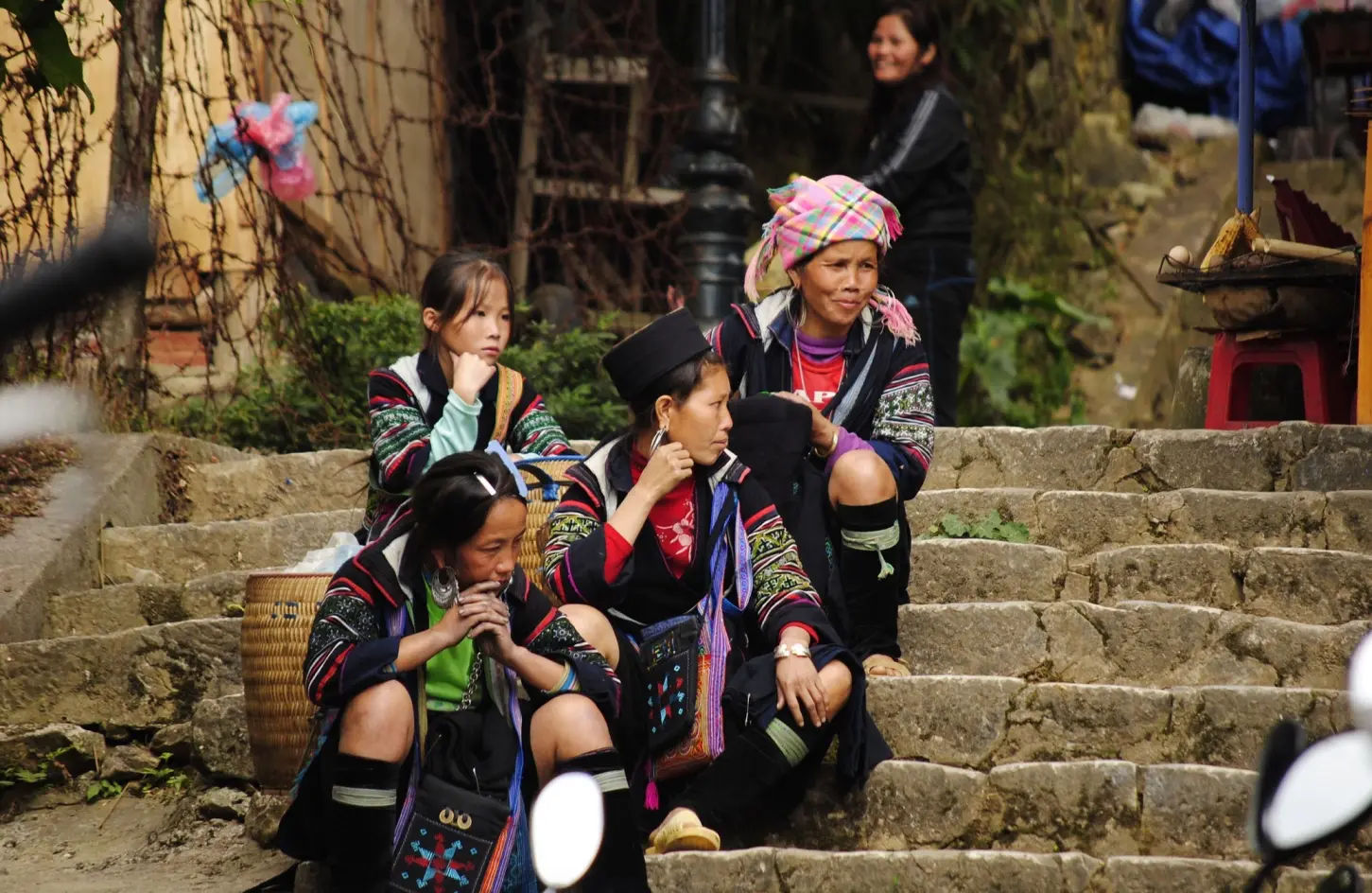
Vietnam is a diverse country of 54 ethnic groups, with the Kinh people making up the majority. The Kinh predominantly live in the fertile Red River Delta, along coastal areas, and in the Mekong Delta, while most ethnic minorities inhabit mountainous and highland regions. Some of the larger ethnic groups include the Khmer, Muong, Nung, Tay, Thai, Hoa, and Dao, while smaller groups such as the Brau, Odun, and Roman have very few members.
Today, Vietnam is home to nearly 100 million people living on an S-shaped land of 331,690 km². The Vietnamese are renowned for their unwavering resilience, strength, and intelligence, yet they are also warm-hearted, hospitable, and deeply compassionate. They are seen as a symbol of peace, kindness, solidarity, and a strong sense of community. Despite enduring countless historical hardships and prolonged wars, Vietnamese people have preserved their core values, unique cultural identity, and distinctive personality.
- Check out Vietnam tours
Origins of the Vietnamese People: History and Ancestry
The origin of the Vietnamese has long been a subject of debate among scientists. However, in July 2019, a groundbreaking study by Professor Nguyễn Thanh Liêm, head of the Vinmec Research Institute of Stem Cell and Gene Technology, was published in the prestigious international journal Human Mutation.
The research debunked the long-standing theory that the Vietnamese (Kinh) originated from the Han Chinese. By comparing genetic variations between the Kinh population and the Han Chinese (based on the global 1,000 Genomes Project), scientists discovered significant differences. Nearly one-third of the Kinh’s genetic variants were not found in the Han population, especially those in Northern China.
Geneticists confirmed that the Vietnamese are most closely related to the Thai, sharing strong genetic similarities and evolutionary ties. The influence of East Asian populations (Chinese, Korean, Japanese) on Vietnamese genetics is minimal. In other words, the Vietnamese primarily descended from ancient Southeast Asians rather than East Asians.
- Check out language spoken by Vietnamese
Mythical Origins of the Vietnamese People
Alongside scientific evidence, Vietnamese mythology also reflects a deep cultural pride in their origins. The legendary tale of “Con Rồng Cháu Tiên” (“Children of Dragons and Fairies”) symbolizes unity and a sacred bond to ancestral roots. According to legend, Kinh Dương Vương, the first Vietnamese king, married Long Nữ, the daughter of the Dragon King, and their son Lạc Long Quân married Âu Cơ, giving birth to 100 children.
Fifty followed their father to the sea, and fifty followed their mother to the mountains, symbolizing the unity of different Vietnamese ethnic groups. The Hùng Kings, descendants of this lineage, ruled the Văn Lang kingdom for 18 generations, laying the foundation of Vietnam’s ancient civilization.
Typical Facial Features of Vietnamese People
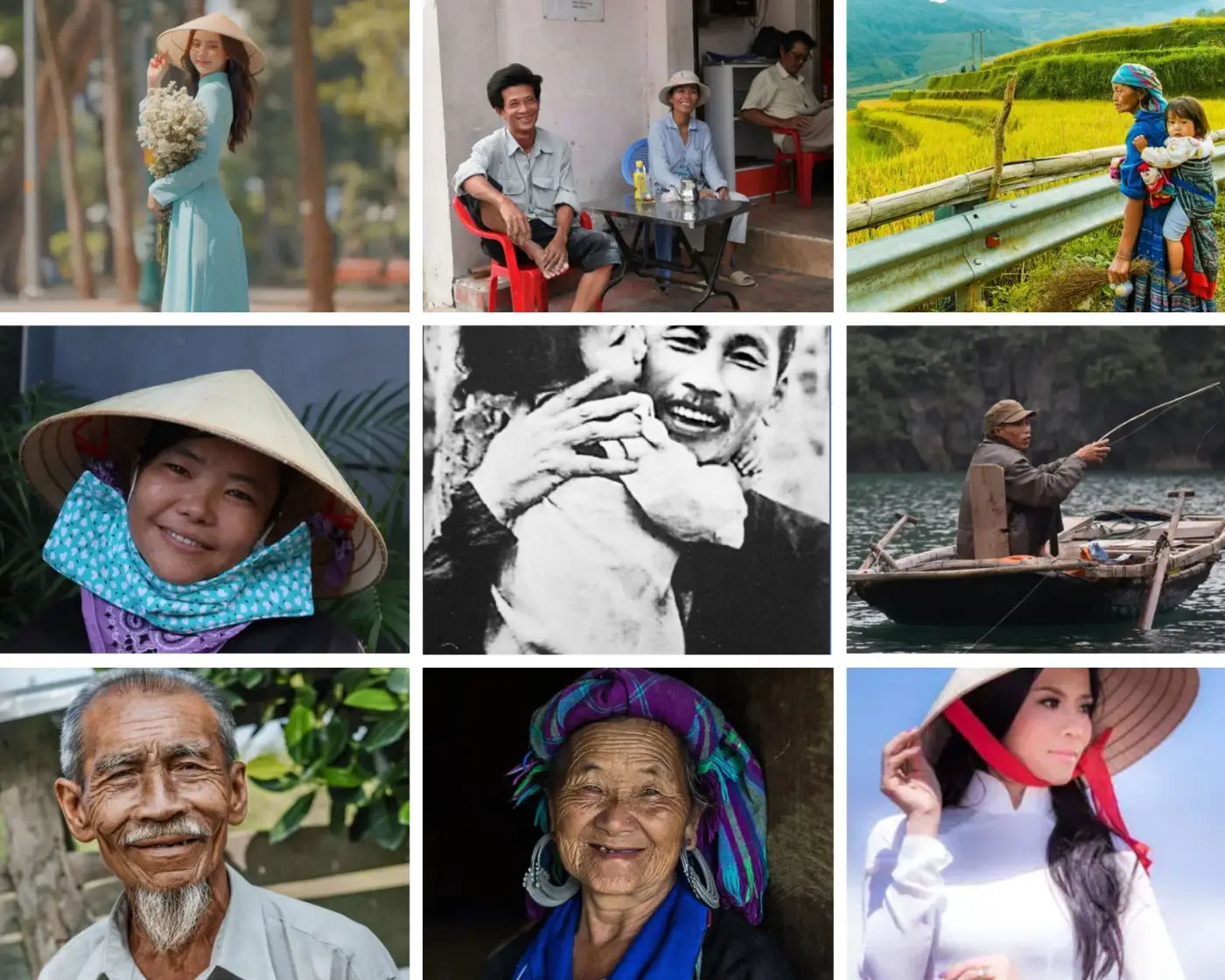
Vietnamese physical features are diverse, reflecting environmental and regional differences. Yet, the proud saying “Việt Nam – Máu đỏ da vàng” (“Vietnam – Red blood and yellow skin”) highlights their distinct Asian identity.
Additional, Vietnamese typically have a slim and petite build, with an average height of around 155 cm for women and 168 cm for men. Skin tones range from light to tan, and hair is usually dark brown to jet black. Facial structures often feature round, soft contours, with lower nose bridges, although some individuals have sharper, higher noses. Vietnamese eyes are generally almond-shaped and double-lidded, giving them a unique charm compared to other East Asian features.
Personality Traits and Humor of Vietnamese People
Centuries of hardship, wars, and struggles for independence have shaped a strong sense of perseverance and unity. Family remains at the heart of Vietnamese culture, where respect for elders and the value of filial piety guide daily life. At the same time, Vietnamese possess a remarkable adaptability, quickly adjusting to changing circumstances and embracing new opportunities with determination.
The people of Vietnam have a light-hearted and witty sense of humor. Their jokes often rely on wordplay, double meanings, and clever teasing. This humor reflects a natural optimism, helping them navigate life’s challenges with a smile. In conversations, humor acts as a bridge, softening serious topics and making interactions warm and friendly. This playful nature, combined with humility and kindness, leaves a lasting impression on anyone who spends time in Vietnam.
Traditional Vietnamese Beliefs and Core Values
The Vietnamese spirit is deeply rooted in values of patriotism, loyalty, and moral integrity. Confucian principles such as respect for hierarchy, devotion to family, and an emphasis on education have influenced Vietnamese thought for centuries. Alongside these traditional values, the Vietnamese people also cherish a collective sense of solidarity. They believe that personal success is closely tied to the well-being of the community, which explains their willingness to help one another in times of need.
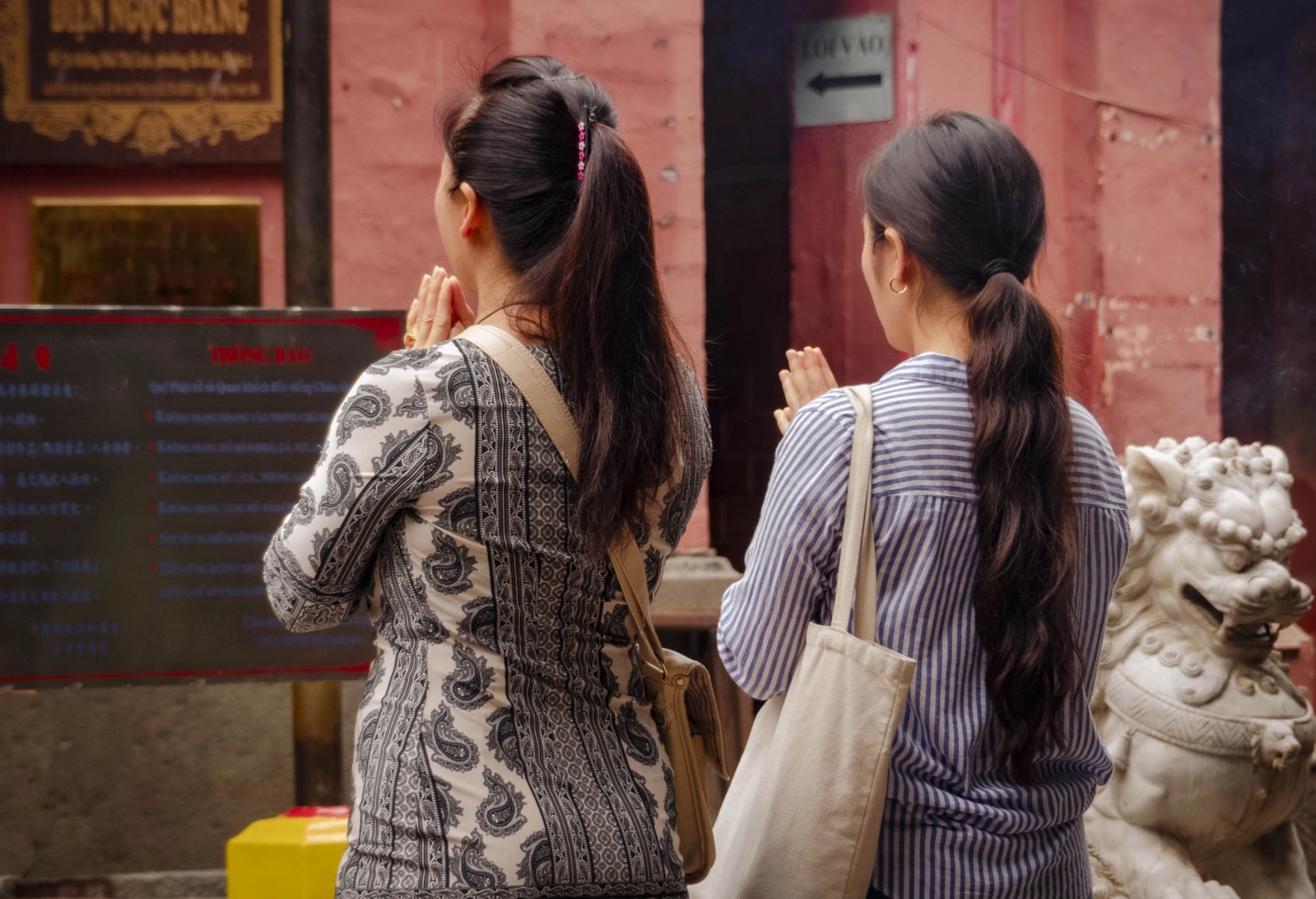
Spirituality also plays a significant role in shaping Vietnamese identity. Ancestor worship, Buddhist teachings, and respect for natural harmony influence daily life and behavior. Honesty, modesty, and gratitude are seen as essential traits, reflecting the moral foundation of Vietnamese society. These values have allowed the Vietnamese to preserve their cultural identity even through periods of foreign domination and modernization.
- Check our religions in Vietnam
Great Figures in Vietnamese History
President Hồ Chí Minh – The Father of Modern Vietnam
Hồ Chí Minh, affectionately called “Bác Hồ,” is regarded as the Father of modern Vietnam. As the leader of the Vietnamese independence movement, he dedicated his life to the struggle against colonial rule and fought tirelessly for national liberation. His simple lifestyle, humility, and deep love for the people earned him immense respect.
Beyond his revolutionary role, Hồ Chí Minh was also a thinker whose ideas on independence, equality, and social justice shaped Vietnam’s modern identity. His writings emphasized patriotism and moral integrity, inspiring not only Vietnamese people but also other nations fighting for freedom.

General Võ Nguyên Giáp: Military Genius
General Võ Nguyên Giáp is celebrated as one of the most brilliant military strategists of the 20th century. Known internationally as one of the four greatest generals in modern history, he masterminded decisive victories against both French and American forces. His leadership in the Điện Biên Phủ campaign in 1954 marked a turning point in colonial history, leading to the end of French rule in Indochina. Võ Nguyên Giáp earned deep respect from the Vietnamese people through his discipline, strategic patience, and humane treatment of his soldiers.
Nguyễn Trãi – A Scholar and World Cultural Celebrity
Nguyễn Trãi was a multi-talented figure, known as a military strategist, politician, poet, and one of Vietnam’s most revered cultural icons. His intelligence and political insight played a crucial role in helping Lê Lợi win the war against the Ming invaders in the 15th century. Beyond his political achievements, Nguyễn Trãi was also a great scholar whose writings expressed a vision of peace, justice, and compassion for the people. His works earned him recognition as a “World Cultural Celebrity” by UNESCO, confirming his enduring influence on both Vietnamese and global culture.
Nguyễn Du – The National Poet
Nguyễn Du, Vietnam’s greatest poet, is best known for his literary masterpiece The Tale of Kiều (Truyện Kiều), which remains a cornerstone of Vietnamese literature. Through his poetic genius, Nguyễn Du portrayed the fate of individuals caught in a world of social injustice and moral decay, reflecting deep empathy for human suffering. His use of lyrical language and profound philosophical reflections elevated Vietnamese poetry to new heights, earning him international recognition as a cultural treasure.
Lê Hữu Trác – The Medical Saint of Vietnam
Lê Hữu Trác, known as Hải Thượng Lãn Ông, was a legendary physician and is revered as the “Medical Saint of Vietnam.” His extensive medical knowledge and compassionate care for patients set the foundation for traditional Vietnamese medicine. Lê Hữu Trác emphasized preventive care, natural remedies, and the moral duty of physicians to treat all patients with kindness and humility. His famous medical encyclopedia, Hải Thượng Y Tông Tâm Lĩnh, remains a valuable reference for traditional medicine today.
Trưng Sisters: Vietnam’s First Heroines
Trưng Trắc and Trưng Nhị led Vietnam’s first major rebellion against Chinese rule in 40 AD. After Chinese officials killed Trưng Trắc’s husband, they fought to defend their land and honor. With courage and support, they defeated the Chinese in several battles and ruled for three years. Then, Chinese forces returned with a large army, and the sisters sadly lost the war. Still, they became national symbols of bravery and pride. Today, Vietnamese people remember them as true heroines who fought for freedom.
Emperor Gia Long: Founder of the Nguyen Dynasty
Emperor Gia Long, born Nguyễn Ánh, founded the Nguyễn Dynasty and united Vietnam in the early 1800s. He spent many years fighting rivals and foreign enemies to reclaim the throne after losing his family. With help from French allies and loyal followers, he defeated the Tây Sơn rebels and became emperor in 1802. He chose Huế as the capital and worked hard to build a strong government. Later, Gia Long also created new laws and improved roads and defenses to protect the country. His rule started the last royal dynasty in Vietnam’s history.
Ngô Thanh Vân: Vietnam’s Global Film Star
Ngô Thanh Vân, also known as Veronica Ngo, rose to fame as a top Vietnamese film star and later earned global recognition. She started her career as a singer and model, but soon focused on acting and action films. Her roles in movies like The Rebel and Furie showed her strong talent and martial arts skills. Then, Hollywood noticed her, and she appeared in big films like Star Wars: The Last Jedi and The Old Guard. She now inspires many young Vietnamese actors to dream big and reach global success.
Vietnamese People Around the World
Today, millions of Vietnamese live abroad, forming vibrant communities worldwide. After the 1975 war, many left Vietnam and settled in countries like the United States, France, Canada, and Australia. These overseas Vietnamese—called Việt Kiều—still maintain strong ties to their culture, language, and traditions.
In the United States, the largest Vietnamese community lives in California, especially in San Jose, Orange County, and Houston. Many run small businesses, open restaurants, and proudly celebrate Tết.
In France, the Vietnamese diaspora dates back to the colonial era. Paris remains home to many cultural centers, temples, and bakeries that preserve Vietnamese heritage.
In Australia, cities like Sydney and Melbourne have growing Vietnamese communities. They take part in both local life and traditional festivals, often running language schools and charity events.
How Vietnamese Culture Differs Across Regions
Vietnam’s culture shares common roots, but each region—North, Central, and South—shows its own unique style. These differences come from history, geography, and climate.
In the North, people tend to follow tradition more closely. The culture here feels formal, shaped by Confucian values and years of Chinese influence. Northern food is often mild and balanced.
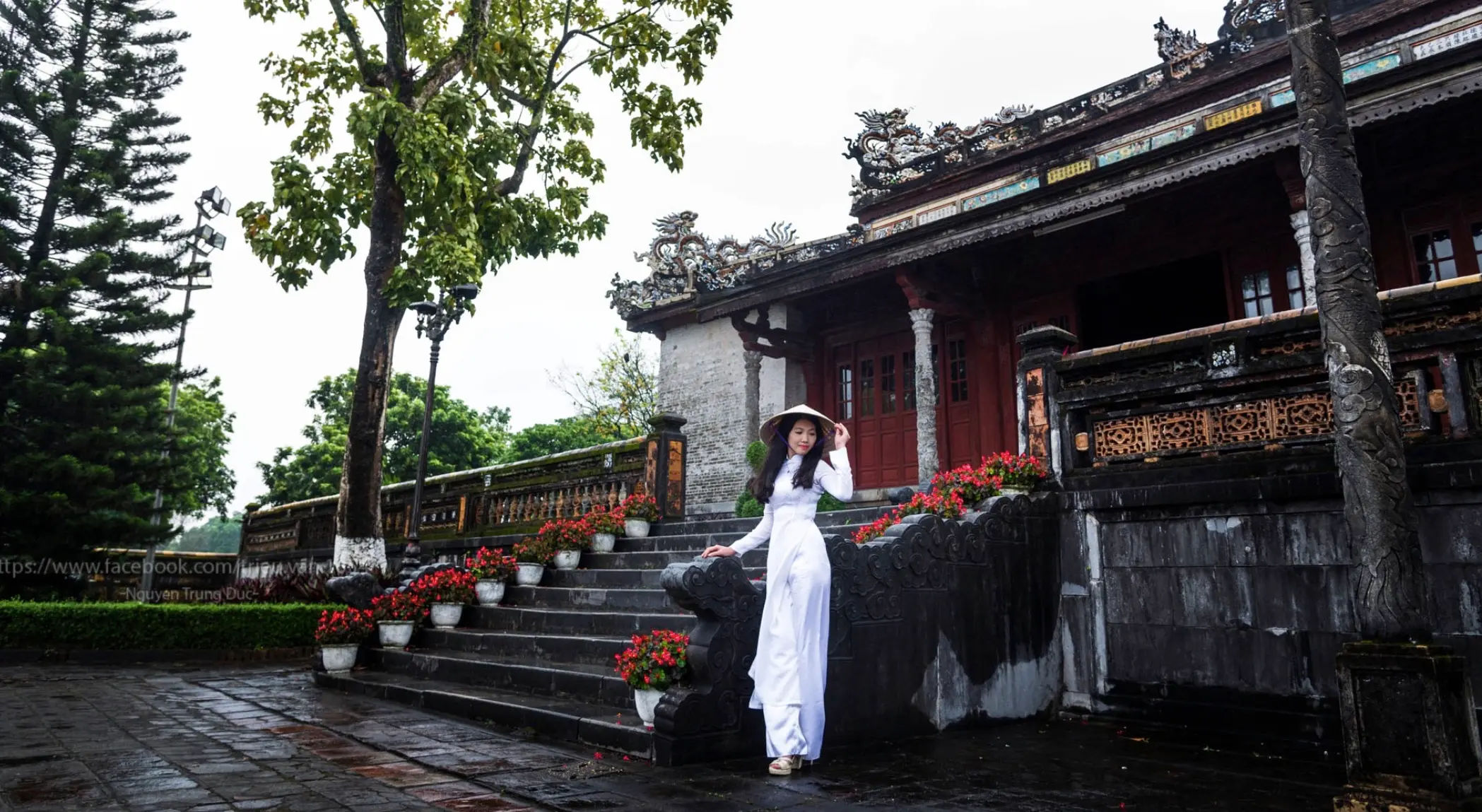
In the Central region, the culture blends royal heritage with hard-working spirit. People here show polite manners and serve rich, spicy dishes. Hue, once the imperial capital, reflects this elegance in both food and lifestyle.
In the South, life feels more relaxed and open. Southern people often smile easily, speak directly, and embrace change. Their food is bold and sweet, shaped by tropical produce and French touches.
- Check out things to do in Northern Vietnam
H2: Summary: Ethnicity and Identity of Vietnamese People
These great individuals shaped Vietnam’s rich history and culture through their lasting legacy. These leaders in politics, literature, medicine, and the military show the resilience and wisdom of the Vietnamese people. Their legacy inspires pride and reminds new generations of Vietnam’s core values.