

Planning a trip to Northern Vietnam? From the bustling streets of Hanoi to the serene mountains of Sapa and the winding passes of Ha Giang, this region is packed with unforgettable experiences. Whether you’re after natural wonders, cultural encounters, or off-the-beaten-path adventures, there’s no shortage of things to do in Northern Vietnam. In this complete travel guide, you’ll discover the top attractions, local favorites, and hidden gems that make Northern Vietnam a must-visit destination for every kind of traveler.
Top Things to Do in Northern Vietnam: Must-See Places
Planning a trip to Northern Vietnam? You’re in for a totally different experience. This area of Vietnam is full of contrasts—towering limestone mountains, winding rice terraces, misty highlands, ancient capitals, peaceful bays, and lively cities. Whether you want to ride motorbike loops through mountain passes or explore the rich culture and history, this region offers something for every traveler.
In this complete travel guide, you’ll discover the best places to visit, top things to do in Northern Vietnam, the best time to go, and how to plan your itinerary with ease. Let’s dive in!
- Check out Best Vietnam tours packages
10 Best Destinations in Northern Vietnam You Shouldn’t Miss
Adventure through the Majestic Mountains in North Vietnam.
The mountainous region of Northern Vietnam offers some of the most rugged, remote, and picturesque landscapes in Southeast Asia. It’s where culture meets nature, and adventure awaits at every turn.
1. The Ha Giang Loop by motorbike
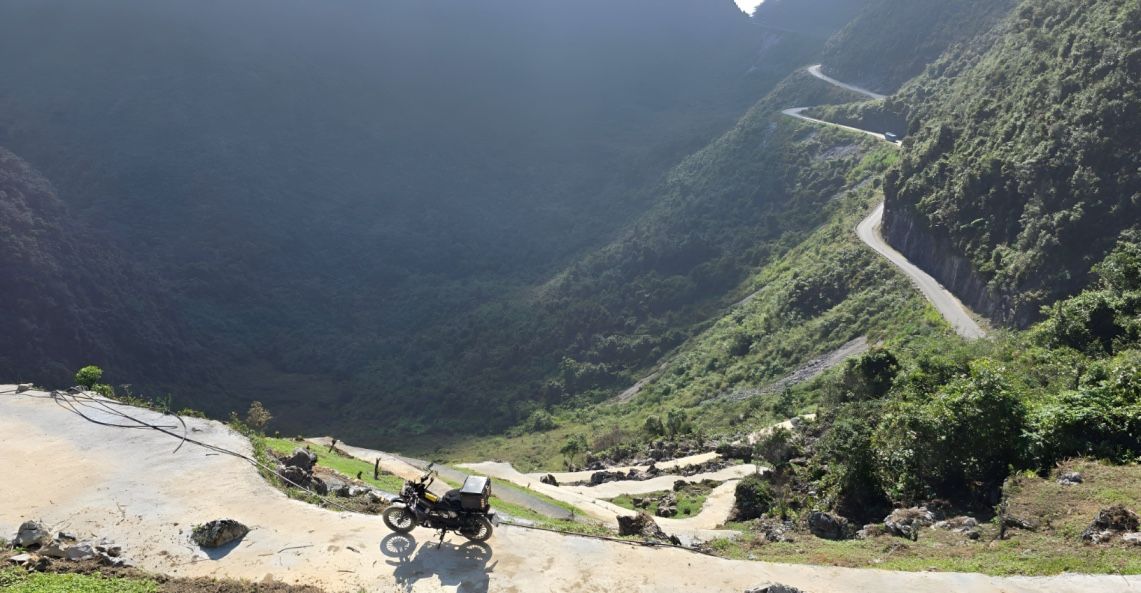
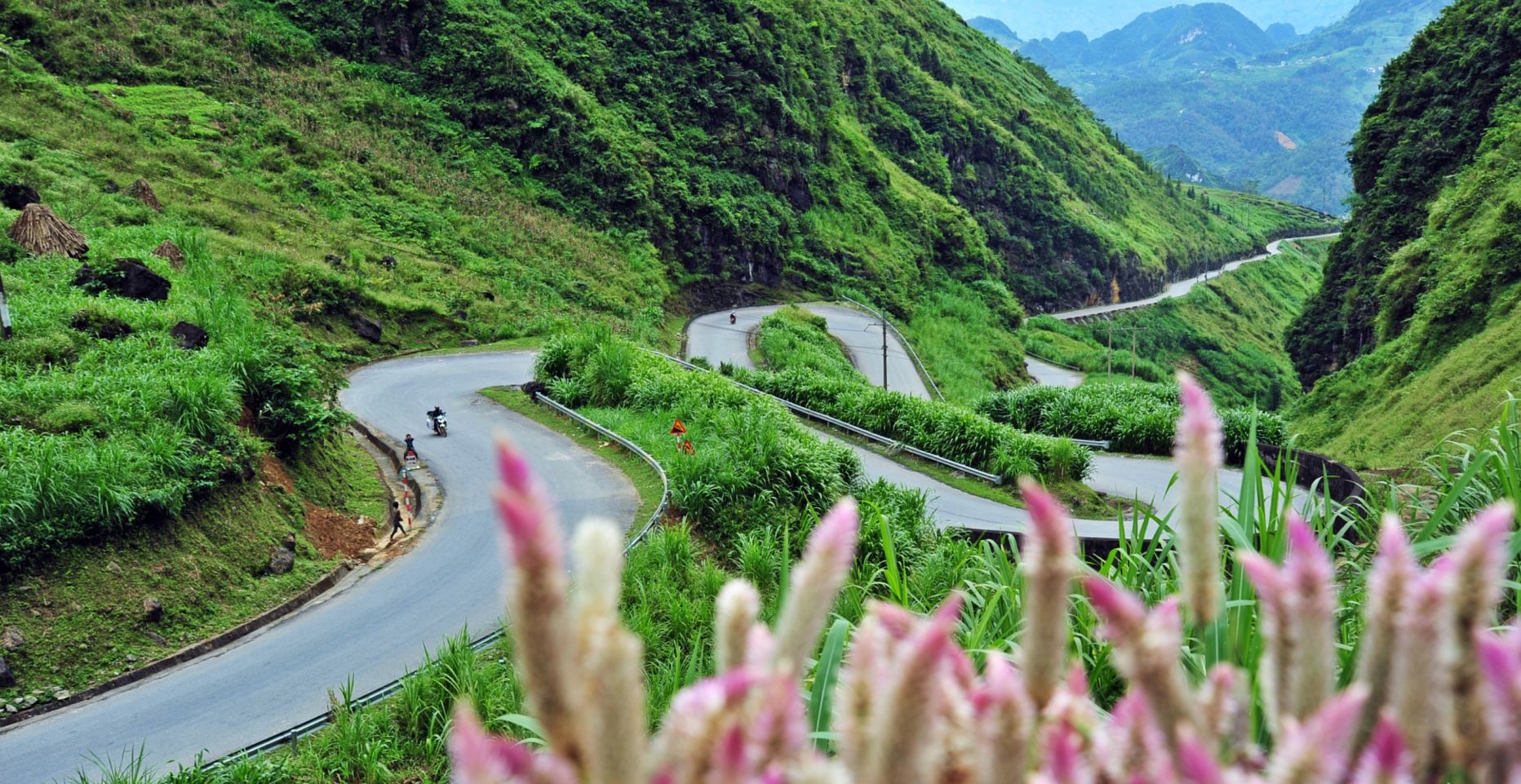
The Ha Giang is often referred to as one of the most scenic motorbike routes in the world. This multi-day ride weaves through towering limestone peaks, deep valleys, and ethnic minority villages untouched by mass tourism. Starting from Ha Giang City, travelers usually make stops at Dong Van, Meo Vac, and Yen Minh.
The Ma Pi Leng Pass, in particular, offers dizzying views over the Nho Que River. Along the way, you’ll encounter vibrant local markets, traditional stilt houses, and heartwarming hospitality. Riding the Ha Giang Loop is not just an adventure, it’s a cultural immersion into one of Vietnam’s most authentic regions.
- Check out Ha Giang loop tour in details
2. Cao Bang & Ban Gioc Waterfall
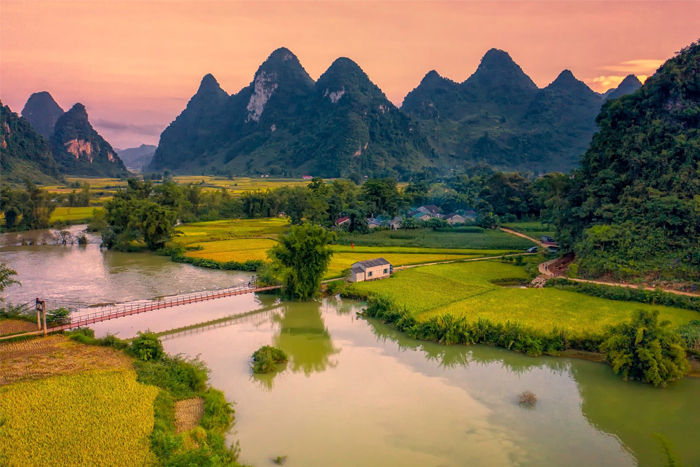
Stretched along the border with China, Cao Bang is another underrated gem of the north. This tranquil province is home to Ban Gioc Waterfall, one of the most majestic waterfalls in Southeast Asia, cascading down dramatic cliffs between Vietnam and China. Besides the waterfall, you can explore the stunning Ngườm Ngao Cave, visit the historical Pac Bo Cave where Ho Chi Minh lived during his revolutionary years, and take in the serene beauty of Thang Hen Lake. The landscapes in Cao Bang are peaceful and poetic, offering a calm retreat from busier tourist areas.
- Check out Cao Bang, Vietnam
3. See the rice terraces in Sapa
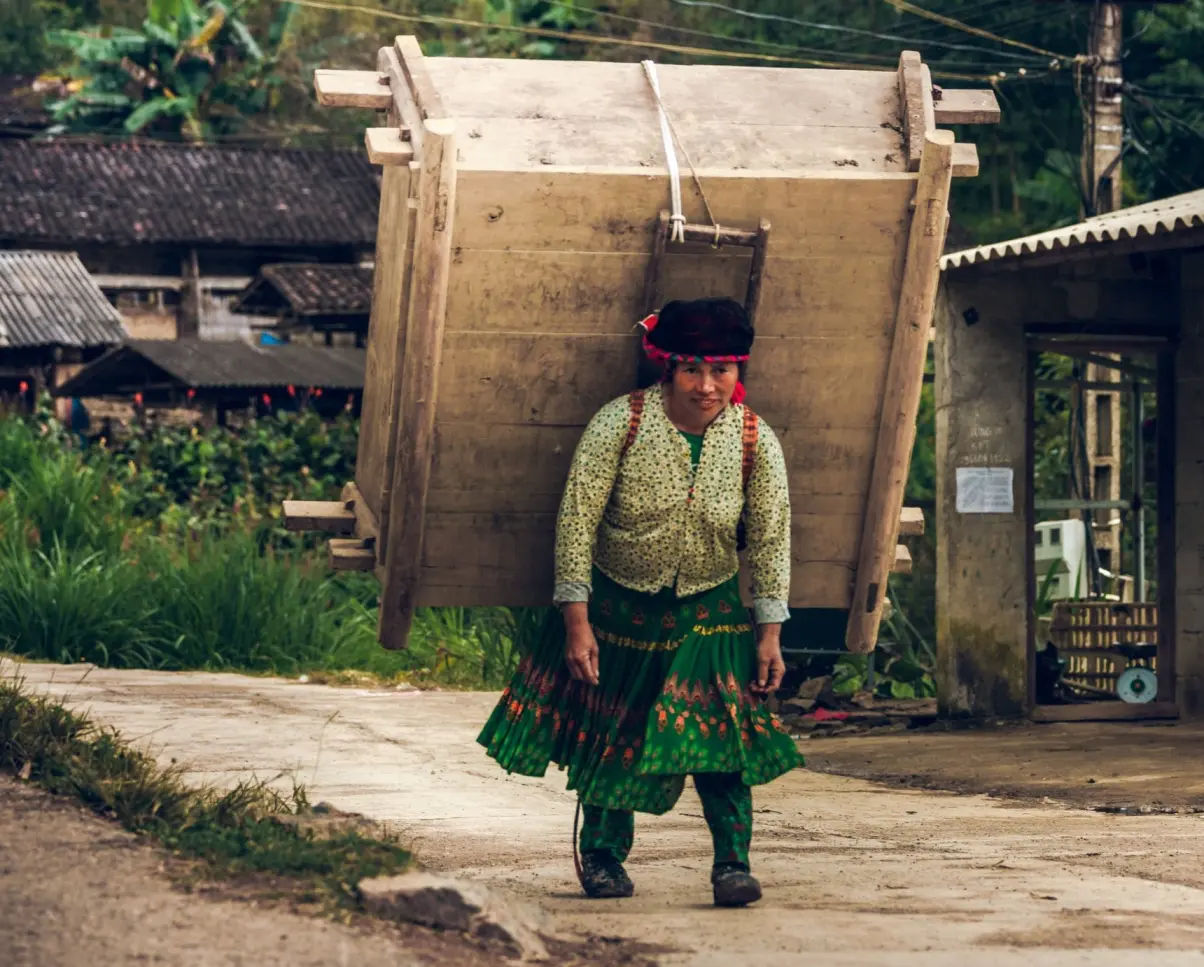
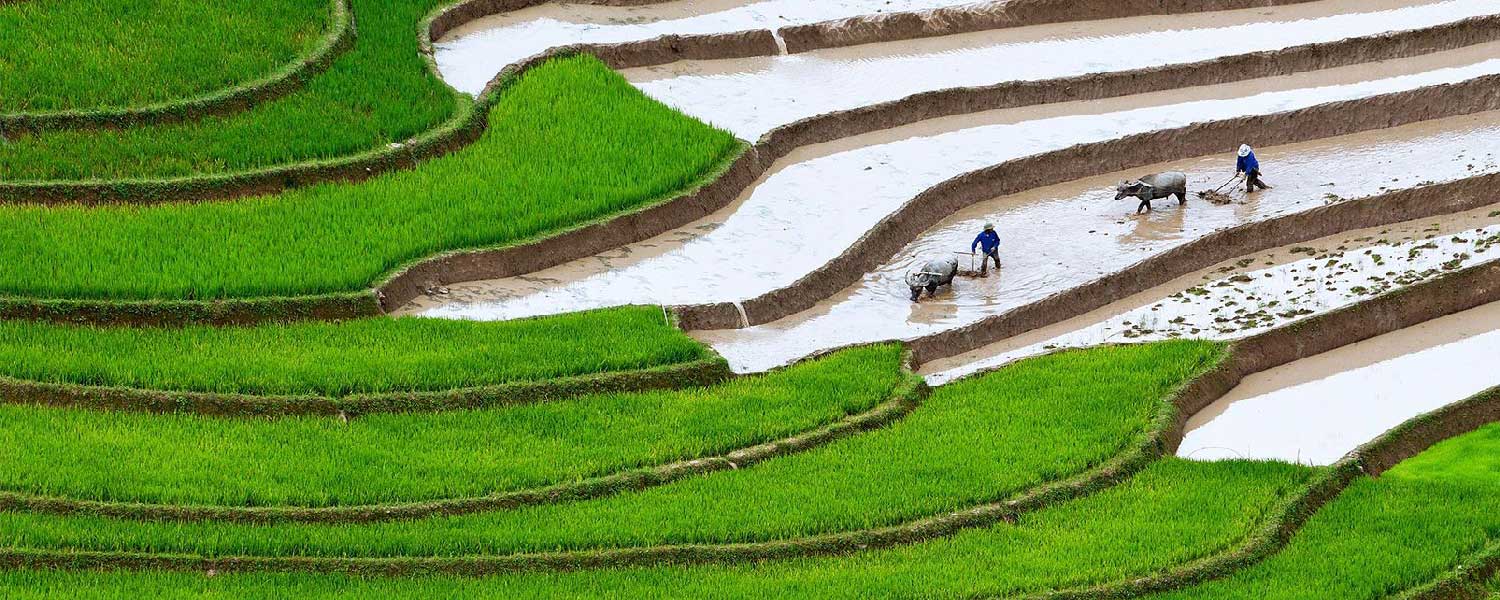
Nestled in the Hoang Lien Son Mountains, Sapa is known for its terraced rice fields, cool climate, and ethnic diversity. Trekking is the main activity here, paths wind through the hills to reach villages of the Hmong, Dao, Tay, and Giay people. Mount Fansipan, the “Roof of Indochina,” stands tall at 3,147 meters and is a dream for adventure seekers.
You can either trek to the summit or take a cable car for sweeping panoramic views. Sapa is especially beautiful during rice planting and harvesting seasons when the terraces glow in vibrant greens and golds.
- Check out Things to do in Sapa other than trekking
4. Moc Chau valley
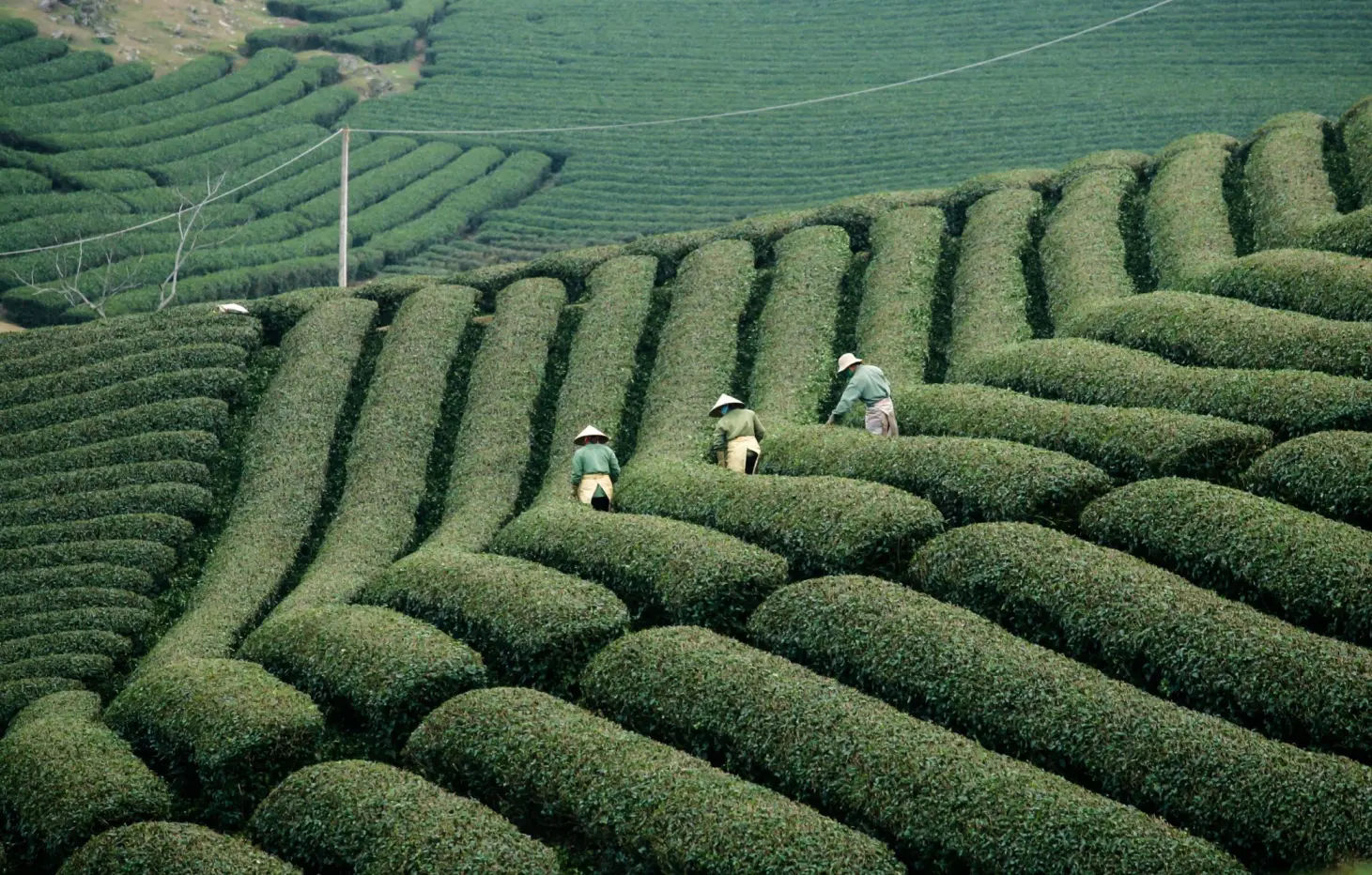
A somehow, less visited destination just five hours from Hanoi, Moc Chau is a land of tea plantations, plum gardens, and cool breezes.
Its rolling hills are covered with green tea farms that make for perfect photo backdrops. In spring, the landscape is filled with blooming plum blossoms, apricot flowers, and peach trees. Visit Dai Yem Waterfall, explore the pine forests of Ang Village, and sample local specialties like milk cake and fresh cow milk from Moc Chau’s famous dairy farms. It’s an ideal destination for a quiet escape and nature photography.
5. Ta Xua
Another not so tourist destination in the northern mountains of Vietnam. A rising star among motorbike riders, best known for its “dinosaur spine” mountain ridge and incredible sea of clouds.
Located in Son La Province, this destination is favored by those chasing the mystical sight of cloud-hunting. The roads to Ta Xua are steep and winding, making it suitable for experienced riders or those traveling with local guides. Besides cloud photography, visitors can explore Ta Xua’s ancient forest, meet the Hmong people, and enjoy a truly off-the-beaten-path experience.
6. Halong Bay (top pick)
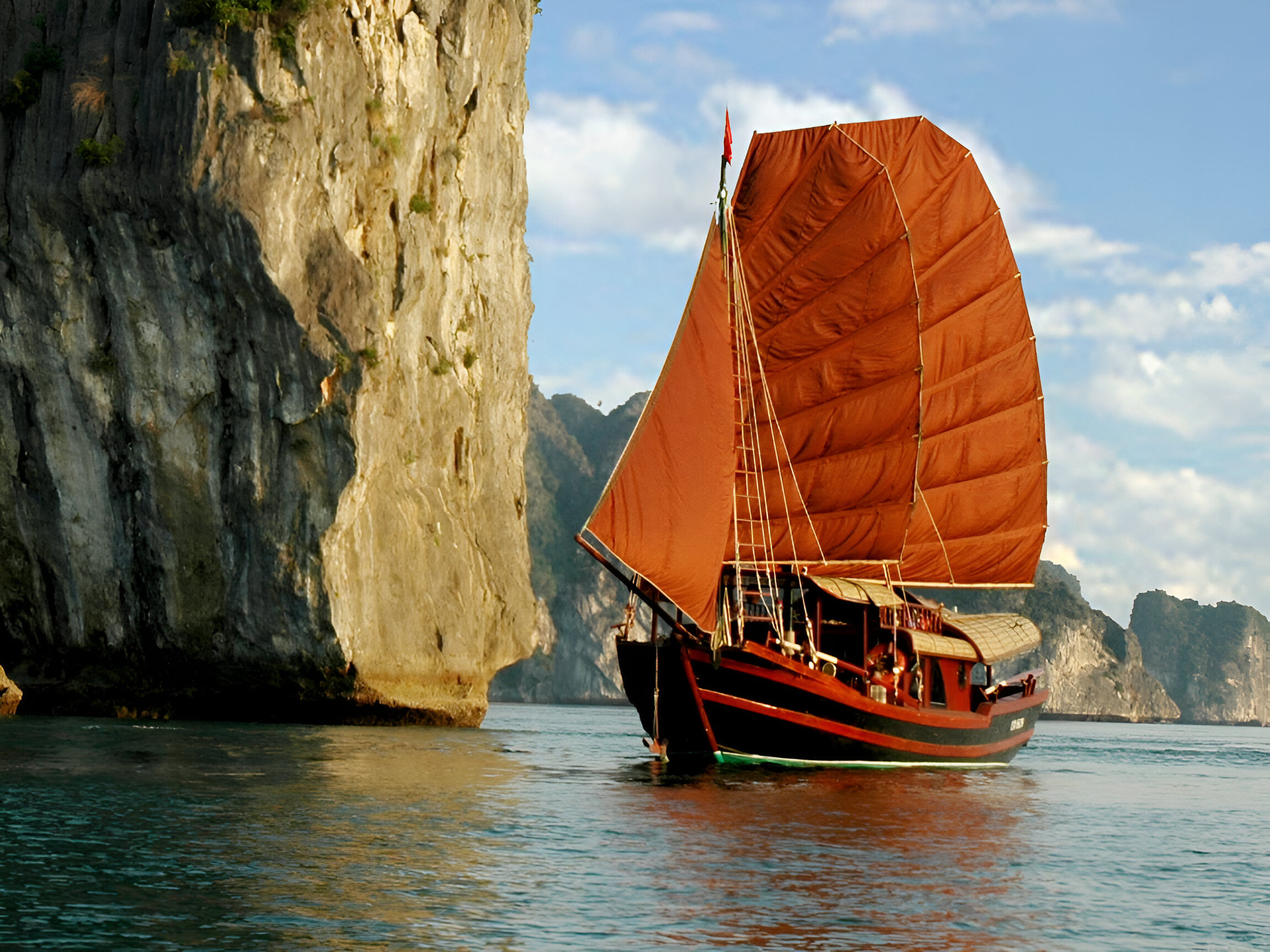
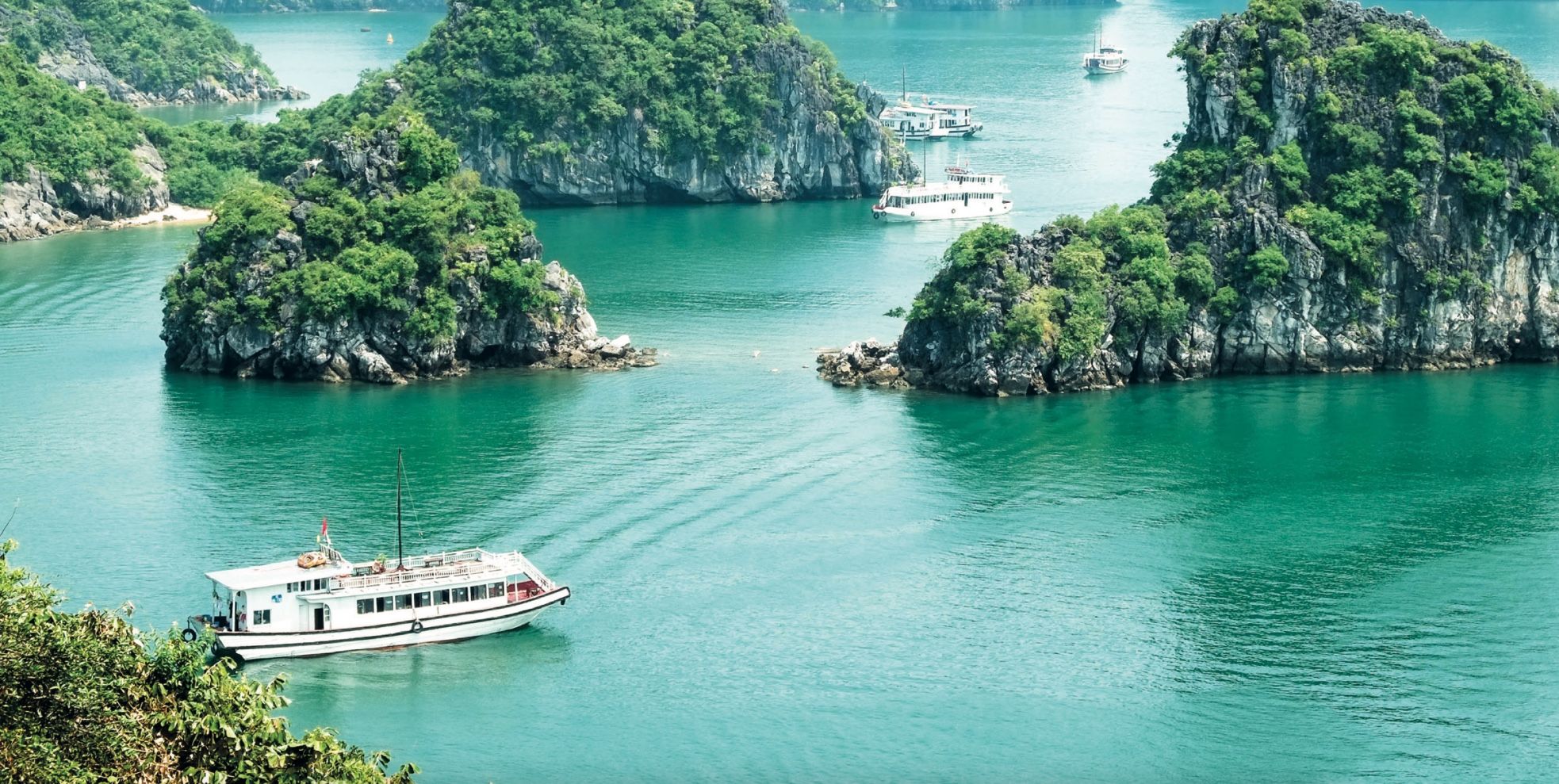
A UNESCO World Heritage Site, Ha Long Bay is renowned for its surreal seascape of limestone karsts rising from emerald waters. Cruising through the bay is a must-do activity, whether it’s a day trip or a luxurious overnight stay on a traditional junk boat. You can explore Sung Sot Cave, kayak around fishing villages, and watch the sunset from the deck. The bay’s mysterious allure and tranquil setting make it one of the most iconic destinations in all of Vietnam.
- Check out What to do in Halong Bay beside cruising
7. Lan Ha Bay
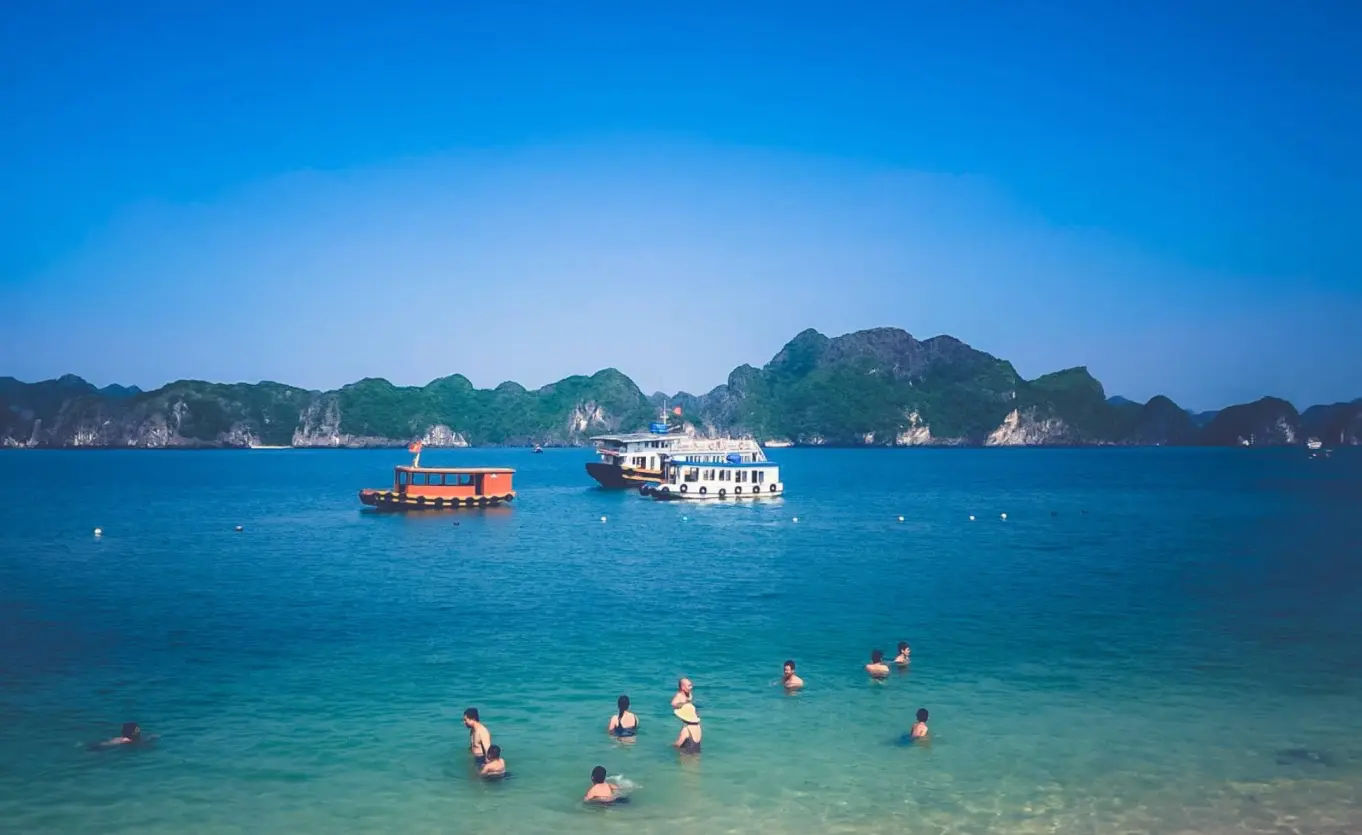
Located just south of Ha Long, Lan Ha Bay offers a more peaceful alternative with equally spectacular scenery. It’s less crowded, and its waters are ideal for swimming, kayaking, and snorkeling. The bay is dotted with hundreds of small, jungle-covered islands and limestone outcrops. Many cruise operators now offer routes through Lan Ha Bay instead of Ha Long, allowing travelers a more secluded and eco-friendly experience.
8. Cat Ba Island
As the largest island in the Ha Long archipelago, Cat Ba Island combines both natural beauty and local charm. You can hike in Cat Ba National Park, visit the Hospital Cave used during the war, or relax on the beaches of Cat Co. Adventure seekers can go rock climbing on limestone cliffs or kayak into hidden lagoons. Cat Ba is also a great base to explore both Lan Ha Bay and the surrounding islets.
- Check out Monkey Island (Cat Ba)
9. Hanoi, the culture, food, busy streets
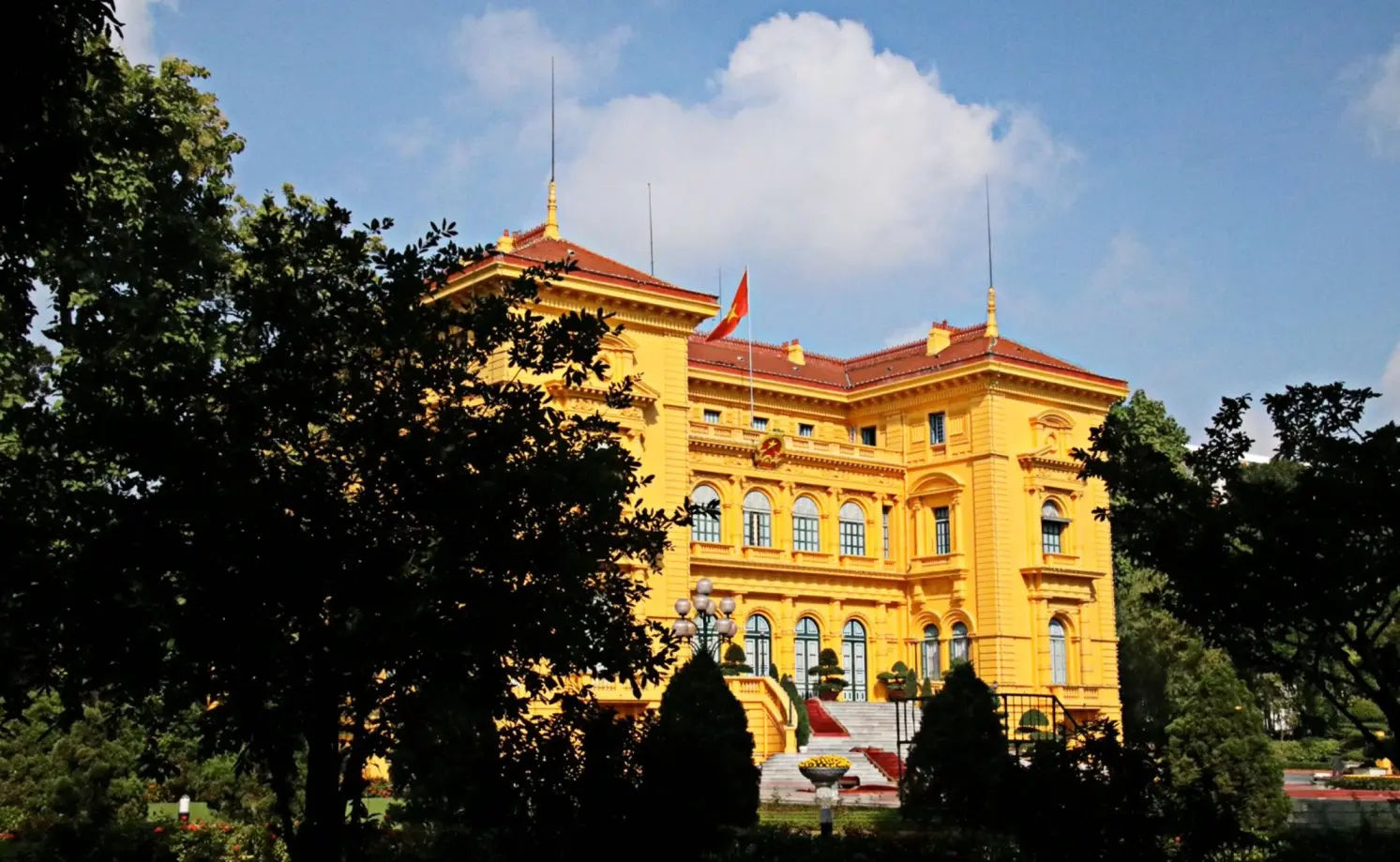
The capital of Vietnam is a chaotic yet charming city where the old meets the new. In Hanoi, you can stroll around Hoan Kiem Lake, admire the Temple of Literature, the first national university of Vietnam, or dive into the narrow alleys of the Old Quarter. Street food is a major highlight, with local favorites like pho, bun cha, and egg coffee around every corner. Museums such as the Vietnam Museum of Ethnology and Hoa Lo Prison give visitors a deeper understanding of the country’s complex past. Hanoi is more than just a city, it’s the beating cultural heart of Vietnam.
- Check out French colonial architecture in Vietnam
10. Ninh Binh (best for day trip)
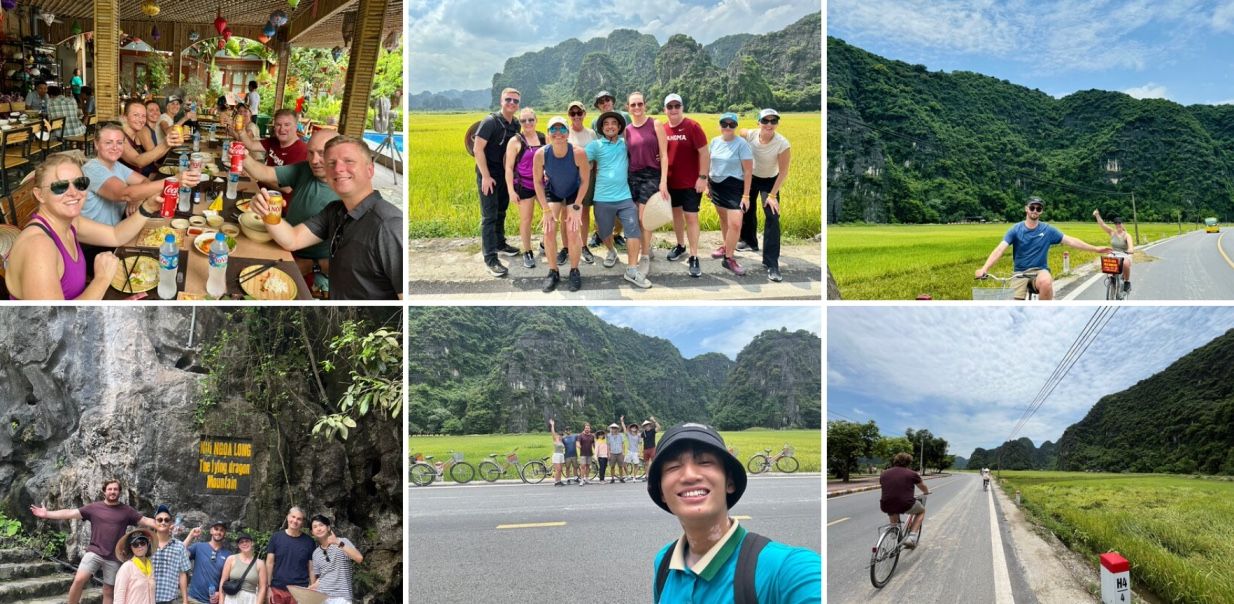
Often called “Ha Long Bay on land,” Ninh Binh boasts towering karst landscapes surrounded by rice fields and ancient temples. In Tam Coc or Trang An, you can take a boat ride through caves and along peaceful rivers. Climb to the top of Hang Mua for panoramic views of the valley or visit the ancient capital of Hoa Lu to learn about Vietnam’s royal history in the 10th century. Bai Dinh Pagoda, the largest Buddhist complex in Southeast Asia, is also worth visiting.
- Check out what to do in Ninh Binh
Before You Go: Key Tips for Traveling in Northern Vietnam
Before you head north, it’s important to understand a few key travel tips to make the most of your journey. From weather changes in the mountains to transportation between remote towns, Northern Vietnam offers unique challenges—and unforgettable rewards. Plus, knowing what to pack, how to get around, and when to go can help you enjoy every moment of your Northern Vietnam adventure.
How is the North Vietnam Climate and Weather in Every Season?
Northern Vietnam experiences four distinct seasons: spring, summer, autumn, and winter, similar to other countries located in the Northern Hemisphere. While the region lies within a tropical zone, the northern areas show noticeable seasonal shifts, offering travelers a wide range of weather conditions throughout the year. Here’s a seasonal breakdown to help you plan your trip better:
Spring (February to April)
Spring in Northern Vietnam typically stretches from February to April, marked by mild temperatures ranging from 15°C to 25°C. Humidity levels hover around 80%, and while there may be occasional light drizzles, sunny days with clear skies are common. This pleasant mix of warmth and coolness makes spring one of the best seasons to visit, especially for sightseeing, hiking, and nature-related activities.
Summer (May to August)
The summer months from May through August are the hottest of the year. Temperatures often soar between 30°C and 38°C, and humidity remains high at around 75%. Rainfall is frequent and intense, with precipitation levels ranging from 240mm to 340mm. Rain showers tend to be short but unpredictable, so it’s advisable to carry rain gear even when the skies appear clear.
Autumn (September to November)
Autumn is widely considered the most ideal time to visit Northern Vietnam, especially from September to November. The weather is cool, dry, and breezy, with average temperatures between 24°C and 30°C. This season sees a surge in tourism, thanks to its perfect conditions for outdoor adventures, sightseeing, and landscape photography.
Winter (Late November to February)
Winter in the north typically runs from late November to February and is the coldest season of the year. In lower areas, temperatures can dip below 10°C, while in high-altitude regions such as Sapa, Ha Giang, and Mau Son, the mercury can fall close to or even below freezing. Fog and chill dominate the mountainous zones, creating mystical views but also requiring warm clothing and careful travel planning.
How Many Days Should You Spend in Northern Vietnam?
For a comprehensive trip covering both mountains and bays, you’ll need around 10 to 14 days. If you focus only on Hanoi and Ninh Binh or just Ha Giang and Sapa, a 5 to 7-day trip can be sufficient. However, to truly embrace the diversity of Northern Vietnam, from culture to landscapes, a 2-week itinerary is highly recommended.
Recommended 2-week Itinerary
Planning a two-week trip through Northern Vietnam allows you to experience the perfect balance of majestic nature, rich culture, and authentic local life. This itinerary takes you through ancient cities, high mountain passes, and scenic bays, ensuring you enjoy everything this diverse region has to offer. Whether you’re a first-time traveler or a seasoned adventurer, this route will help you see the best of North Vietnam in just 14 days.
2 days to explore Hanoi
Start your journey from Hanoi, after arrive at Noi Bai International Airport, you can come to your hotel/ homestay in the central city for enjoying cuisine and resting after a long-flight. Upon arrival, take some time to relax and get accustomed to the local rhythm. Also, you can visit some nearby attractions to feel the living here.
Wander around Hoan Kiem Lake, explore the vibrant Old Quarter, and savor Vietnam street food and Vietnamese cuisine like bun cha, pho, banh mi, and egg coffee…
In the day-2, you can ride a bicycle around West lake (Ho Tay) to enjoy the early morning, just relax to prepare for the Motorbike tour because the bus will take you to Ha Giang one day before the loop tour.
Go an adventure in Ha Giang
Embark on a four-day Ha Giang Loop motorbike tour, one of the most scenic journeys in all of Southeast Asia. Whether you ride solo or hire a local driver (“easy rider”), this loop is filled with jaw-dropping views, winding mountain roads, and authentic hill tribe villages.
Day 3: Depart Hanoi early by bus or van to Ha Giang City. Arrive and get briefed on the route, pick up your motorbike, and begin the loop toward Yen Minh, passing through picturesque valleys and limestone peaks.
Day 4: Ride from Yen Minh to Dong Van, stopping at Lung Cu Flag Tower and enjoying panoramic views of the Chinese border.
Day 5: Conquer the breathtaking Ma Pi Leng Pass as you ride from Dong Van to Meo Vac, with the Nho Que River carving through the gorge below. Back to Hanoi on day 6
Island hopping in Cat Ba
After your mountain adventures, it’s time to unwind on Cat Ba Island, the gateway to Lan Ha Bay, a quieter and less touristy alternative to Ha Long Bay.
On Day 7, travel from Hanoi to Cat Ba (bus + ferry). Once you arrive, relax at Cat Co beaches, rent a bicycle to explore Cat Ba town, or hike in Cat Ba National Park.
On Day 8, join a day cruise to Lan Ha Bay: kayak through limestone lagoons, visit hidden caves, swim in secluded bays, and enjoy lunch on deck. Return to Cat Ba by evening and relax by the sea.
Ninh Binh & Tam Coc
Make your way to Ninh Binh, often called “Ha Long Bay on land” for its dramatic limestone cliffs and peaceful countryside.
On Day 9, take a rowboat tour through Tam Coc or Trang An, drifting beneath karst formations and through hidden caves. In the afternoon, hike up to Hang Mua Viewpoint for a panoramic view of the rice fields and rivers below.
On Day 10, explore the ancient capital of Hoa Lu, and visit the impressive Bai Dinh Pagoda, home to towering Buddhas and peaceful courtyards. End the day with a bike ride through rural villages.

Spend Your Final 3 Days in Hanoi
After your Northern Vietnam adventure, return to Hanoi and enjoy your last three days at a slower pace. Use this time to relax, shop, and catch anything you may have missed.
Day 11: Travel back from Ninh Binh. Spend the afternoon in a quiet café or take a peaceful walk around West Lake.
Day 12: Explore Hanoi’s creative side. Visit art galleries in Truc Bach or browse local boutiques and souvenir shops in the Old Quarter. Don’t miss Hanoi’s top landmarks. Visit the Ho Chi Minh Mausoleum, Temple of Literature, Thang Long Citadel, Hoa Lo Prison, and the One Pillar Pagoda.
Then, enjoy one last local meal. Join a fun cooking class or watch the Quintessence of Tonkin light show. This stunning performance brings traditional Vietnamese culture to life.
- Check out things to do in Hanoi
Bottom line: Traveller Must see places in north of Vietnam
Exploring Northern Vietnam is more than just ticking off famous landmarks. It’s a journey through breathtaking landscapes and rich, soul-stirring cultures. You’ll find dramatic mountains in Ha Giang and peaceful waters in Ha Long Bay. From the energy of Hanoi to the calm of Ninh Binh, every stop shows you a new side of Vietnam. Plan your adventure well, travel slow, and leave space for spontaneity, the magic of Northern Vietnam lies in its surprises.