

The Vietnam countryside offers a totally different life and culture than what you see in the cities. For example, the Mekong Delta draws visitors with its winding waterways and renowned floating markets. Meanwhile, Sapa offers breathtaking mountain views and iconic terraced fields. Additionally, Ninh Binh impresses with dramatic limestone karsts and flowing rivers, while the charming town of Hoi An surrounds itself with beautiful countryside worth exploring. Together, these destinations provide a perfect escape from busy city life and showcase the diverse beauty of rural Vietnam.
Explore the Rural life in Vietnam’s Countryside
When most people picture Vietnam, they often think of the buzzing motorbikes in Hanoi, the lantern-lit streets of Hoi An, or the vibrant chaos of Ho Chi Minh City. But Vietnam is famous for its countryside and traditional village life – a quieter, slower world where time seems to pause.
Step outside the cities, and you’ll find endless green rice fields stretching to the horizon, water buffalo wading through muddy streams, and villagers in conical hats tending to their crops under the morning sun. Here, the air is fresh, the pace is calm, and life follows the rhythm of nature and tradition. The Vietnamese countryside isn’t just a place – it’s a feeling. A gentle breeze rustling through bamboo groves, the scent of wood smoke at dusk, and the warm smiles of locals inviting you into a world that has remained beautifully unchanged.
- Check out Vietnamese villages
16 Places to see Vietnam’s Countryside up-close
Here are a few of the local yet amazing places to experience authentic rural countryside life in Vietnam. From peaceful villages to vibrant local traditions, this guide helps you explore the heart of Vietnam’s countryside.
1. Cao Bang & Ban Gioc Waterfall
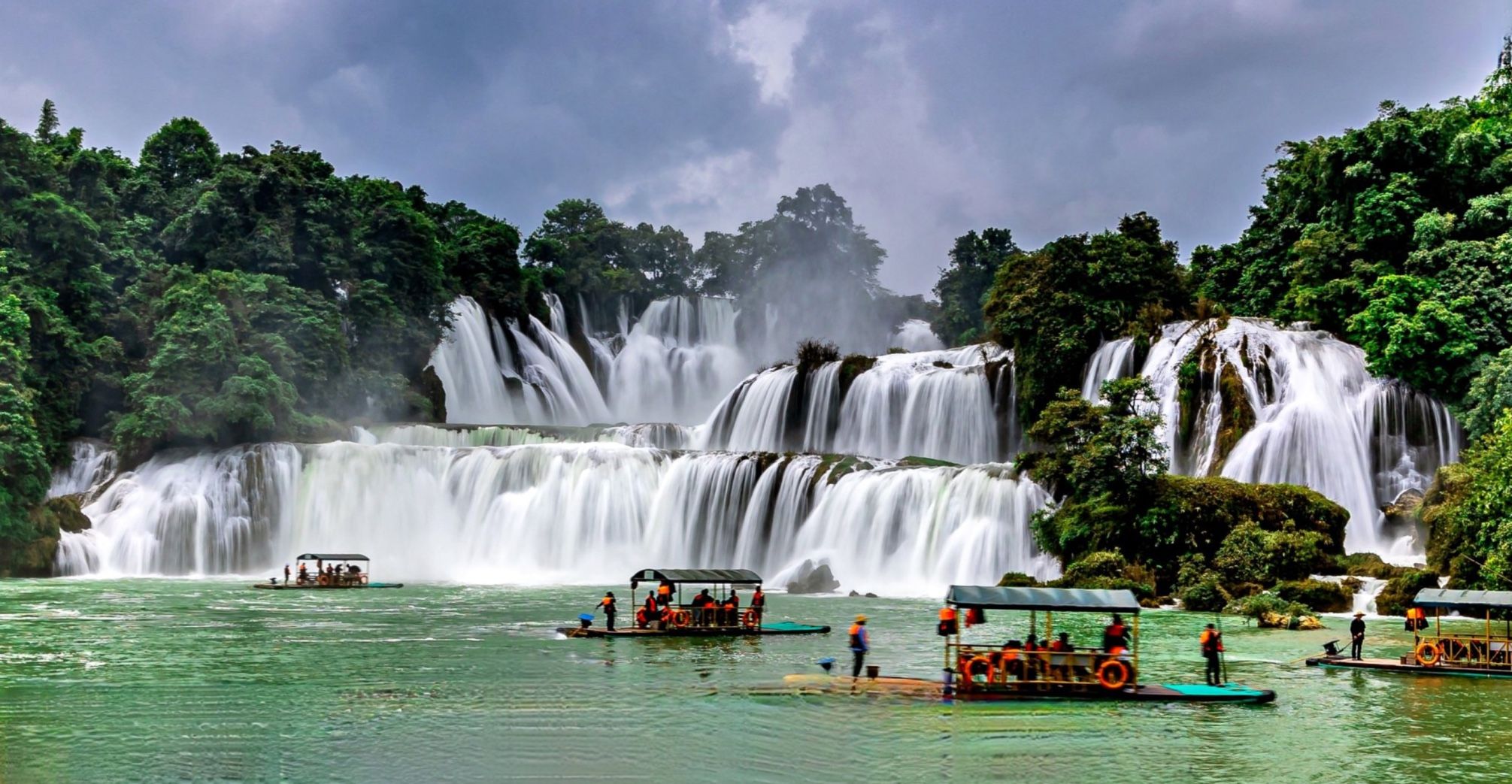
Cao Bang is a peaceful province in the far north, filled with mountains, winding roads, and quiet ethnic villages. One of its most beautiful spots is Ban Gioc Waterfall, right on the border with China. The waterfall flows over many layers of rock, creating a soft mist that shines in the sunlight. Around it are rice fields, bamboo groves, and small footpaths where buffalo rest and children play. Life here feels calm and natural, like it hasn’t changed much in many years.
- Check out Ban Gioc Waterfall in details
What people usually do:
- Trek or bike through remote Tay and Nung villages, where stilt houses sit quietly amid green fields and corn terraces. Life here moves slowly – you might pass water buffalo bathing or children playing by the stream.
- Visit Ban Gioc Waterfall, one of Vietnam’s most majestic natural wonders. Early morning is the best time to feel its serenity before tourist crowds arrive.
- Explore Nguom Ngao Cave, an underground limestone wonder filled with impressive stalactites.
- Join daily activities with locals: planting rice, harvesting peanuts, fishing in mountain streams, or even helping weave traditional cloth.
- Take part in a cooking session to prepare local dishes like boiled bamboo shoots, sour soup (canh chua), or roasted duck with mac mat leaves.
- Attend a local festival (if lucky) such as the Long Tong (field opening) festival with traditional dances and offerings to ancestors…
2. Ha Giang – The Northern Frontier
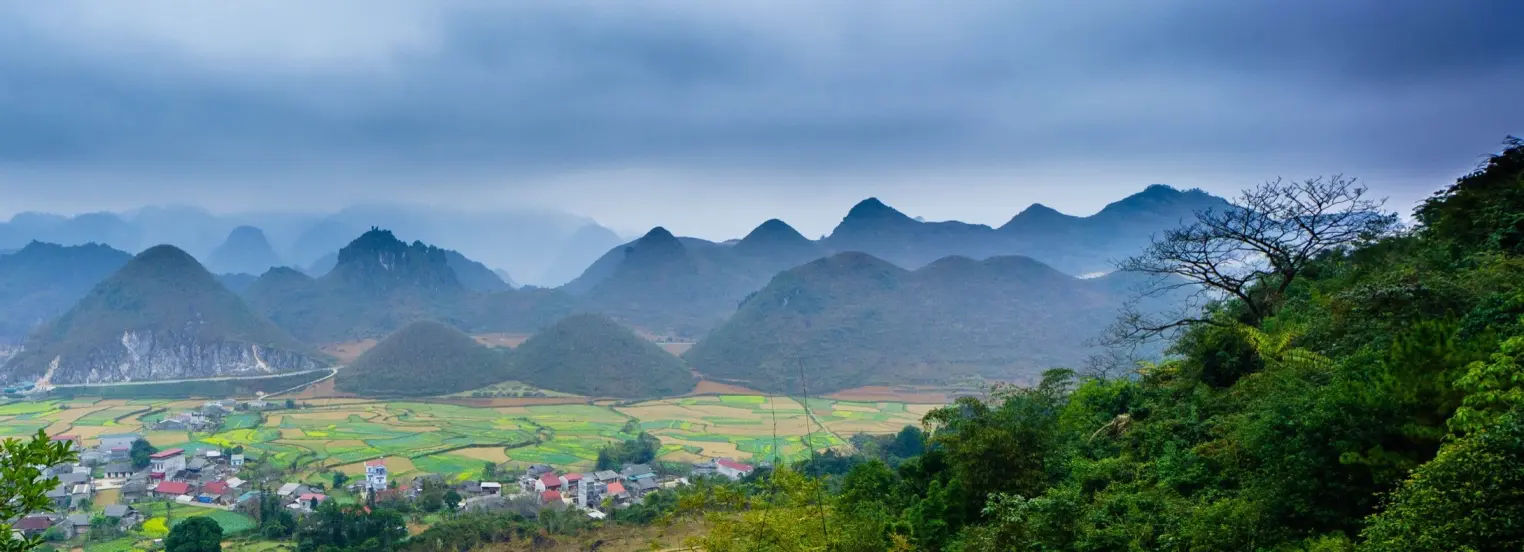
Ha Giang is one of the most remote and breathtaking places in Vietnam. The roads curve through dramatic mountains, deep valleys, and stone plateaus. Ethnic minority groups like the Hmong and Dao live in small villages on the hillsides. Each turn of the road brings a new view – tall peaks, green fields, and little houses with smoke rising from the roofs. The landscape is wild and strong, but the people are kind and warm. Driving through Ha Giang feels like discovering a hidden part of the country.
- Check out the Infamous Ha Giang Loop
What to do?
- Ride the Ha Giang Loop, journey through dramatic mountain passes, ethnic villages, and terraced fields – best done by motorbike or with a local driver.
- Explore Ethnic Markets, visit weekly markets in Dong Van or Meo Vac to witness colorful costumes, traditional foods, and lively trade among H’mong, Tay, and Dao people.
- Trek to Remote Villages, hike through valleys to reach quiet, scenic communities off the main tourist trail. A great way to connect with locals and nature.
- Try Local Foods & Corn Wine, enjoy simple, hearty meals made from local crops — like grilled pork, sticky rice, and wild greens — often shared with a glass of homemade corn wine.
3. Sapa & Muong Hoa Valley
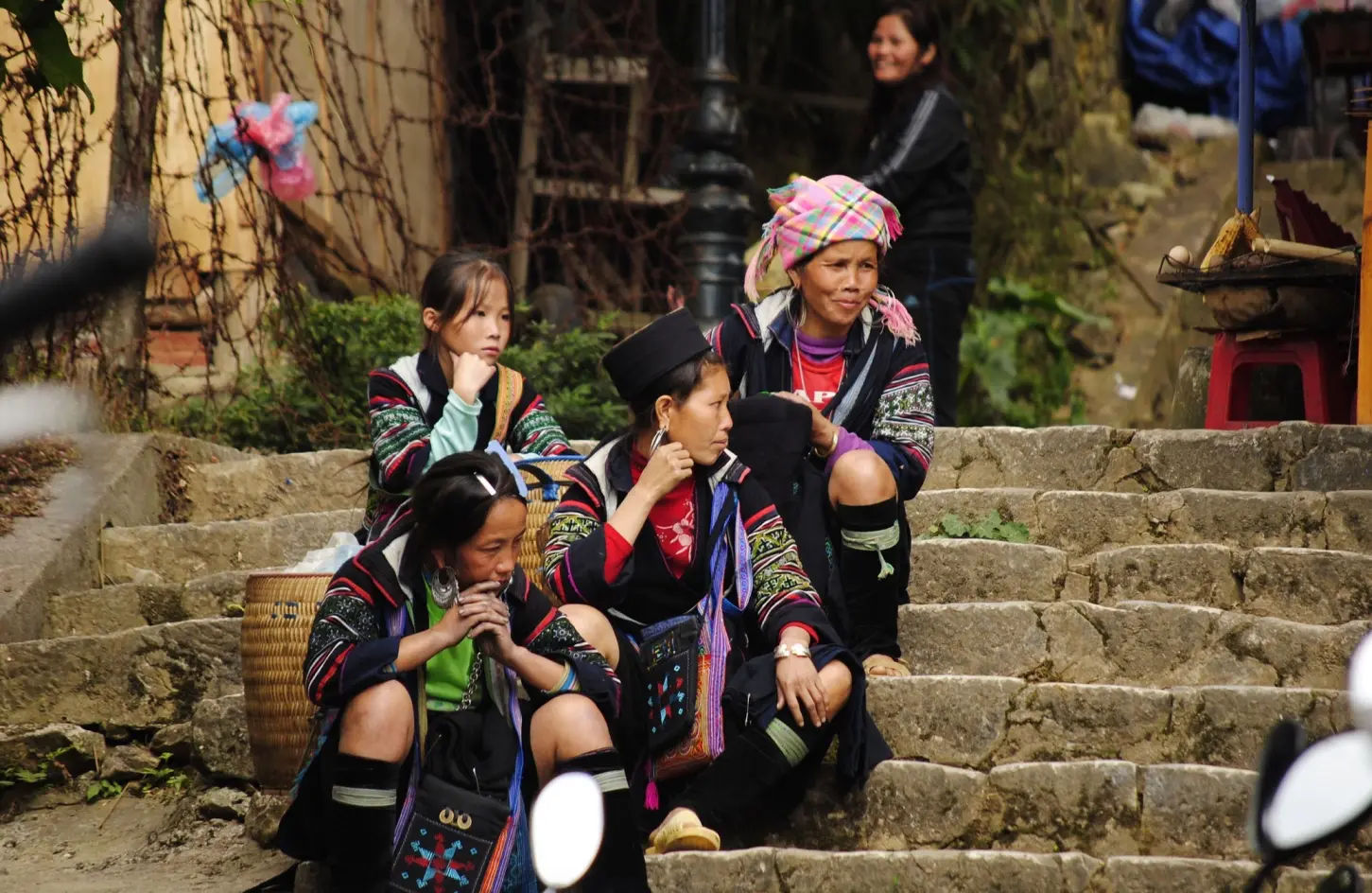
Sapa is a famous mountain town where the air is cool and the views are stunning. Beyond the town is Muong Hoa Valley, filled with rice terraces that stretch across the hills like steps to the sky. Local people farm the land and wear colorful traditional clothes. You can walk through the fields, cross wooden bridges, and sleep in homestays where families welcome you with hot meals and stories. It’s a place to slow down and enjoy the quiet beauty of nature.
- Check out more about Sapa, Vietnam: To Do & To See
Things to do
- Trek through the rice terraces of Muong Hoa Valley, where layers of green and gold curve along the hillsides. The path leads through ethnic villages, past water buffalo and quiet streams, offering a window into the daily life of the H’mong and Dao people.
- Visit the Sa Pa weekend market, a lively mix of color and culture. Ethnic vendors in embroidered clothing sell handmade crafts, fresh produce, and hot street food like grilled meat and sticky rice.
- Join farming or handicraft activities such as planting rice, making indigo-dyed cloth, or weaving.
- Take the cable car to the Fansipan summit, the highest peak in Indochina. From above the clouds, the mountains stretch endlessly, and the view down to the terraces is nothing short of breathtaking.
4. Ba Be Lake – Calm Water, Deep Forest
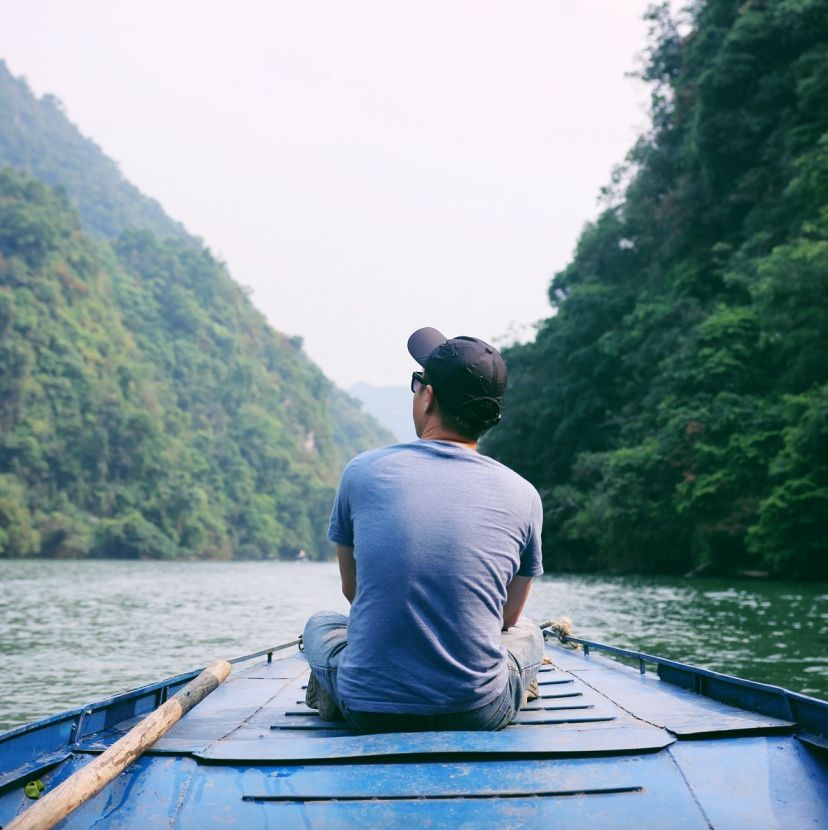
In the middle of a national park, Ba Be Lake is surrounded by limestone cliffs and deep green forest. Villages of the Tay ethnic group sit beside the water, with houses on stilts and gardens full of flowers and fruit trees. You can take a boat across the lake, visit caves, and watch birds fly low over the water. It’s a peaceful place where the sounds of nature – wind, birds, flowing water – replace the noise of the city.
Experiences
- Take a boat trip on Ba Be Lake, gliding through emerald waters surrounded by limestone cliffs and dense forest. The calm surface reflects the sky, and the only sounds are the paddle’s rhythm and birdsong from the trees.
- Explore Puong Cave by boat, passing under a towering cliff where thousands of bats live. Inside, the cave’s ceiling rises like a cathedral, carved by the Nang River over centuries.
- Join a homestay experience, sharing a meal of grilled fish, sticky rice, and mountain herbs. In the quiet evening, you might hear folk songs or stories passed down through generations.
- Trek through Ba Be National Park, following forest trails that lead to waterfalls, minority villages, and hidden viewpoints where you can stop and simply breathe in the untouched beauty.
5. Mu Cang Chai – Golden rice terraces
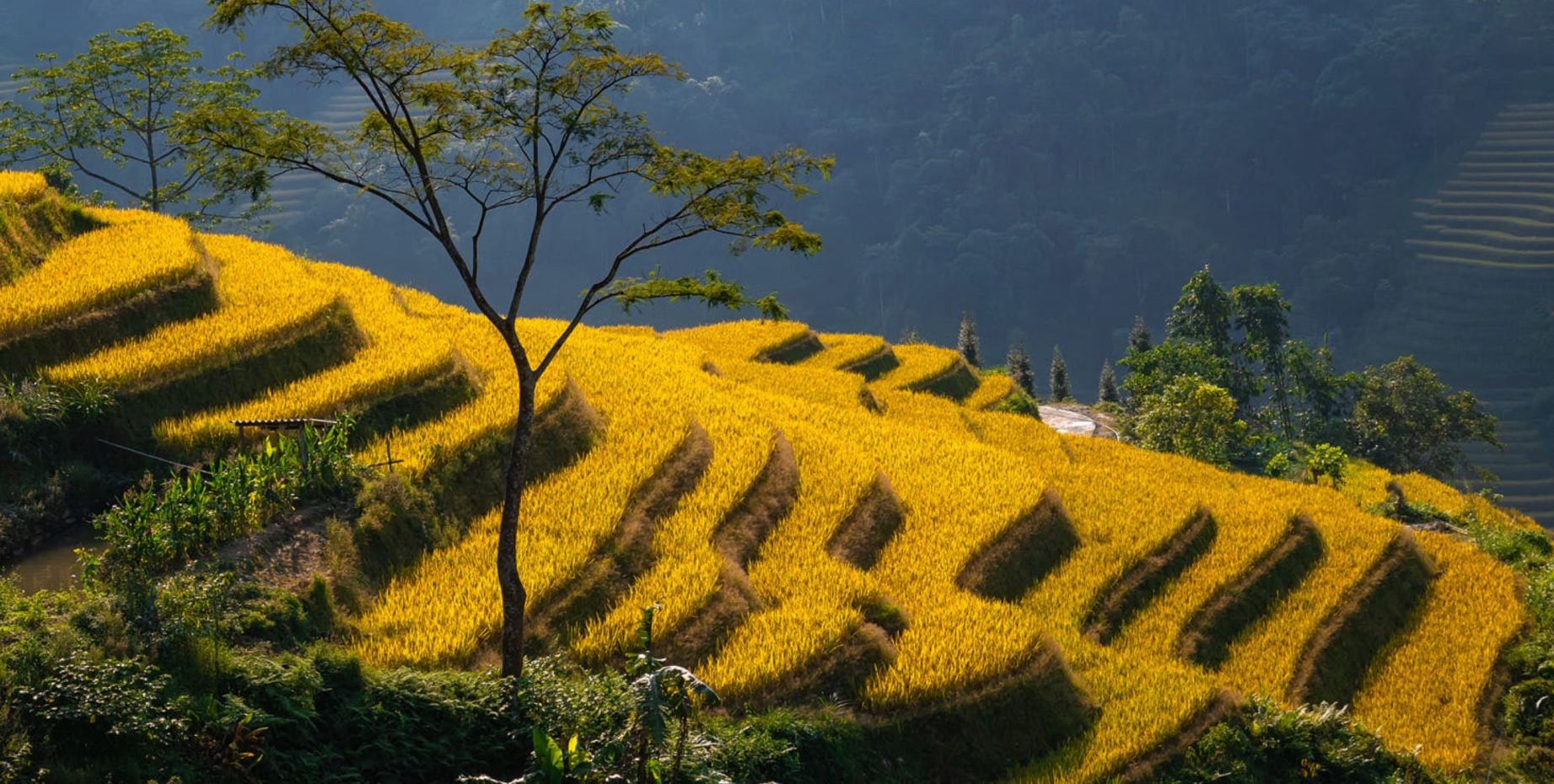
Mu Cang Chai is famous for its rice terraces, especially in harvest season when the hills turn gold. The terraces were built by hand, passed down through generations. When you stand at the top and look down, the view feels endless. Villagers still farm with simple tools, and children run along the paths with wide smiles. It’s far from big cities, but that’s what makes it special – quiet, beautiful, and full of life.
- Check out Vietnam rice terraces
Experiences
- Trek through the terraced fields of Mu Cang Chai, especially in late September when the rice turns golden. The landscape ripples with color, and each step offers a new angle of this handmade wonder.
- Visit ethnic H’mong villages like La Pan Tan or Che Cu Nha, where narrow paths wind through simple homes and children greet you with shy smiles. Life here is quiet, shaped by seasons and soil.
- Attend the harvest season festival, if you’re lucky, to witness traditional dances, buffalo fighting, or even a local matchmaking market under the open sky.
- Ride a motorbike along Khau Pha Pass, one of Vietnam’s highest mountain passes, where the road curves between clouds and the valley stretches endlessly below.
6. Moc Chau – Fields of Tea and Flowers
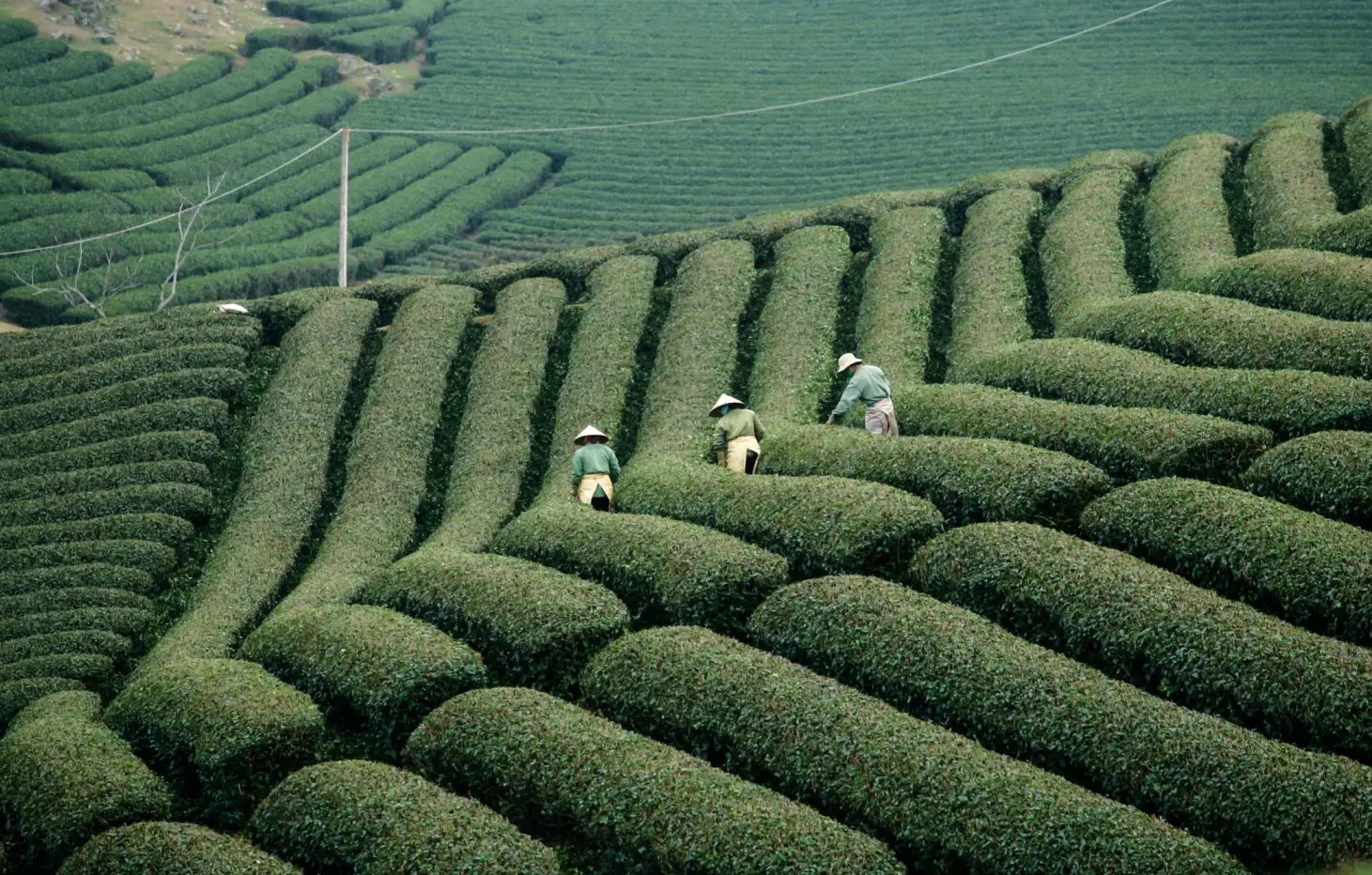
Moc Chau is a highland area known for its cool weather, green tea hills, and white flower valleys. Farms here grow strawberries, plums, and fresh vegetables. In spring, the hills bloom with white plum flowers, and in summer, the tea fields glow under the sun. It’s a gentle land where mornings are fresh and peaceful, and where local people are always ready to share a cup of tea and a kind word.
Experiences
- Wander through Moc Chau’s tea plantations, where green hills roll like waves and workers in conical hats quietly harvest tea leaves at dawn. The fresh scent of tea fills the air, especially in spring.
- Visit plum and peach blossom valleys, best seen in late January to March when the highlands turn soft pink and white. It’s a dreamy time to walk through orchards and meet farmers preparing for Tet.
- Explore Dai Yem Waterfall and nearby caves, where cool mist, hanging vines, and rocky paths create a peaceful escape into nature.
- Join local festivals or market days, tasting fresh milk, yogurt, or grilled dishes made from local ingredients, while music and laughter echo across the hills.
7.The Countrysides around Hanoi – Villages Beyond the City
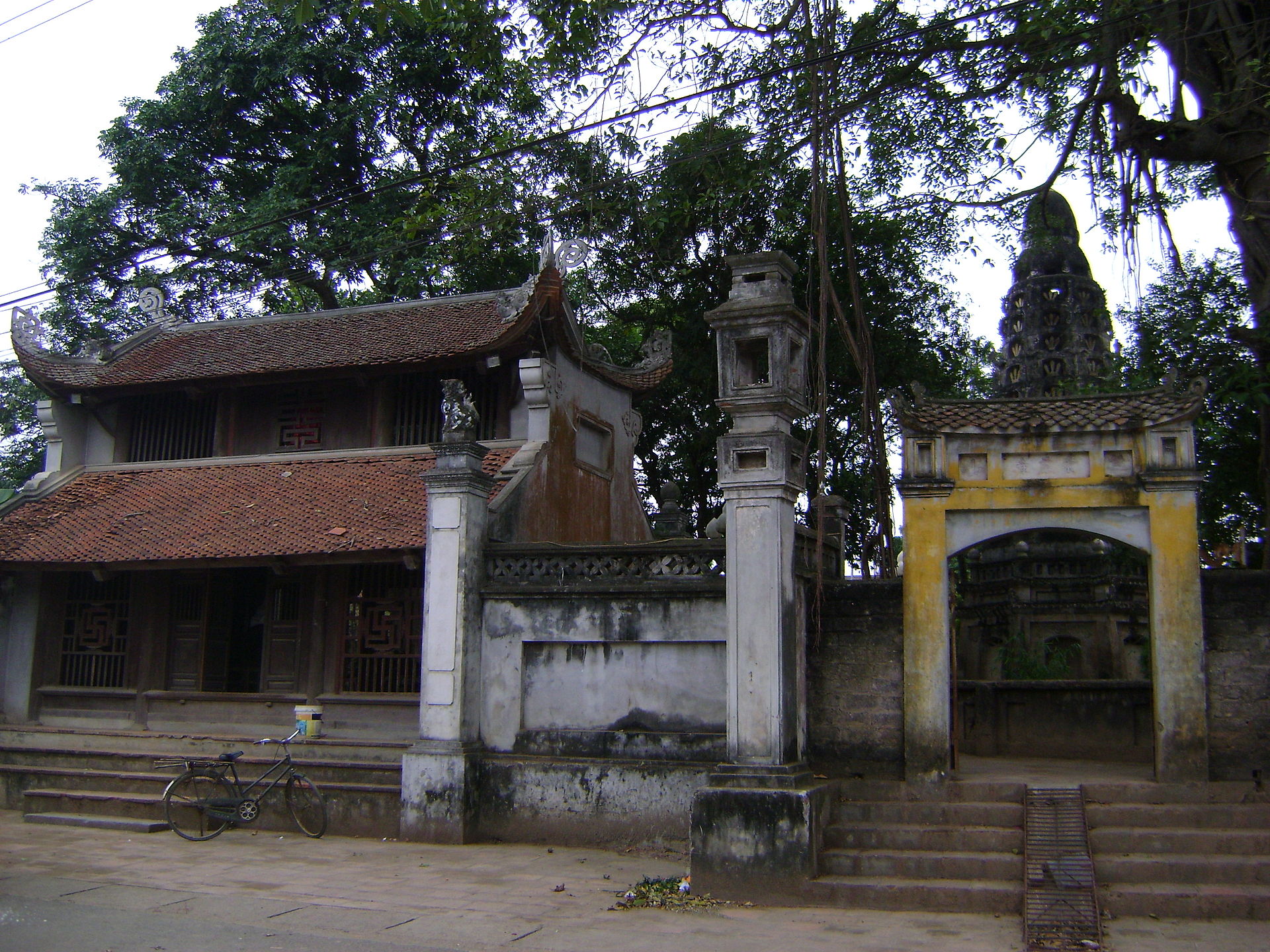
Just beyond the busy streets of Hanoi lies a quieter world – green, traditional, and timeless. In villages like Duong Lam, Bat Trang, Van Phuc, and Co Loa, you’ll find old brick houses, pottery workshops, silk looms, and ancient citadel walls. People still ride bicycles, cook over wood fires, and gather beneath banyan trees. Small roads wind past rice fields and pagodas, revealing a peaceful side of Hanoi that many overlook.
Experiences
- Visit the ancient villages on the outskirts of Hanoi, where laterite walls, centuries-old houses, and narrow lanes shaded by banyan trees tell stories of the past. Life moves gently here, echoing traditions passed down through generations.
- Cycle through rice fields and quiet backroads, passing lotus ponds, pagodas, and small markets where locals sell fresh herbs and sticky rice wrapped in leaves.
- Join a cooking class in a village home, learning to prepare dishes like spring rolls, green rice (com), or banana flower salad, using ingredients straight from the garden.
- Explore old pagodas and communal houses, such as Tay Phuong or Thay Pagoda, where mossy roofs, ancient statues, and peaceful courtyards reflect the soul of rural Vietnamese spirituality.
8. Mai Chau – A Valley of Peace
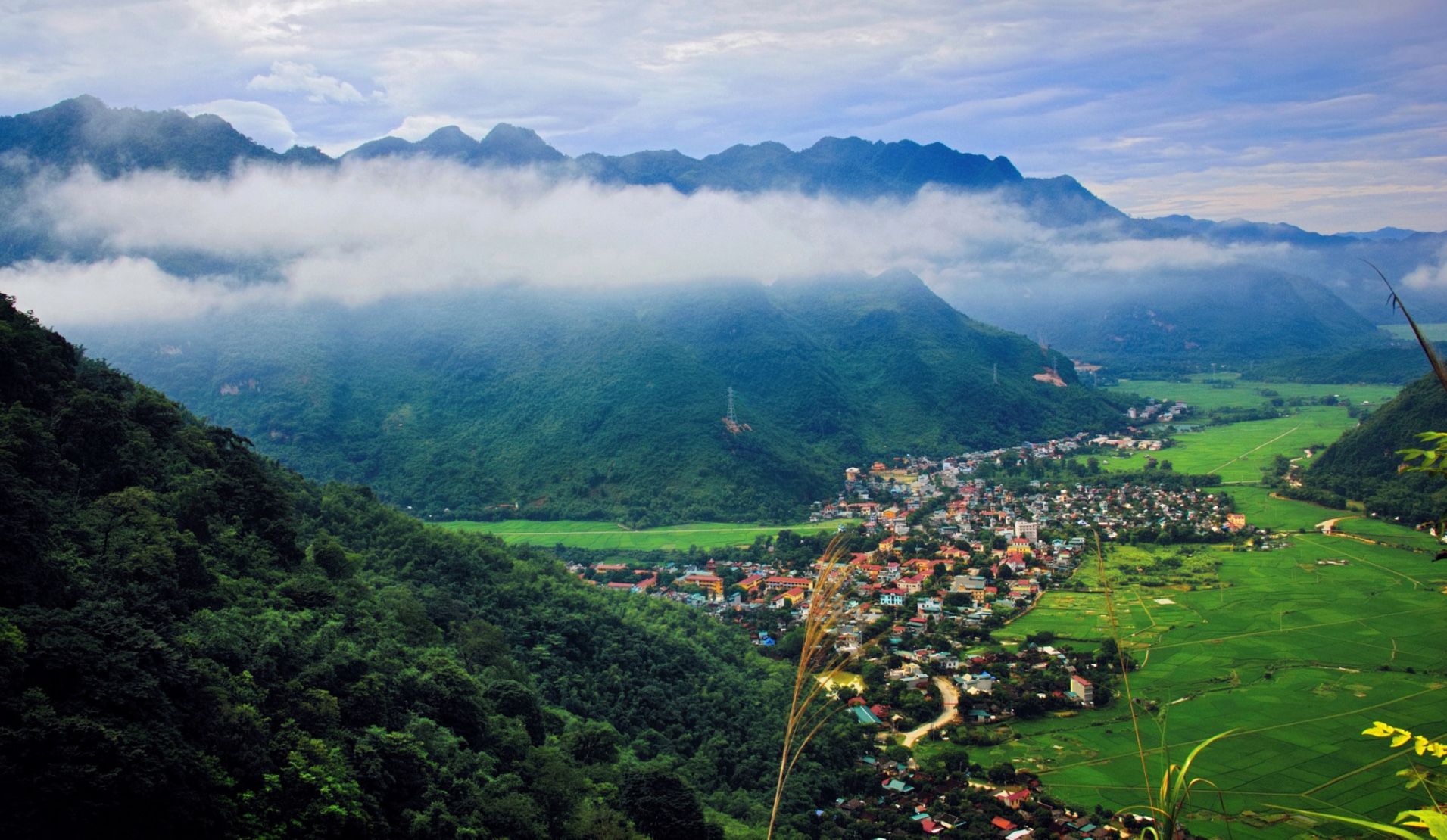
Just a few hours from Hanoi, Mai Chau offers a quiet countryside escape. The valley is covered in rice fields, with tall mountains all around. Thai ethnic people live in stilt houses and farm the land. You can ride a bicycle through small villages, wave to friendly locals, and sleep in a traditional house. At night, there may be a dance performance or a small fire, and the sounds of frogs and crickets will sing you to sleep.
Experiences
- Cycle through Mai Chau’s rice paddies and stilt-house villages, where green fields stretch to the mountains and friendly locals wave as you pass by. The pace is slow, and the scenery feels like a gentle painting.
- Watch traditional dance performances in the evening, where women in colorful skirts dance with bamboo poles and sing songs passed down for generations.
- Hike to remote villages like Buoc or Hang Kia, where forest paths lead to quiet hamlets untouched by mass tourism and surrounded by wild beauty.
- Visit Pa Co Sunday Market, alive with color and texture – hill tribe people gather here in handmade clothes to trade produce, cloth, and warm bowls of noodle soup.
9. Pu Luong Nature Reserve
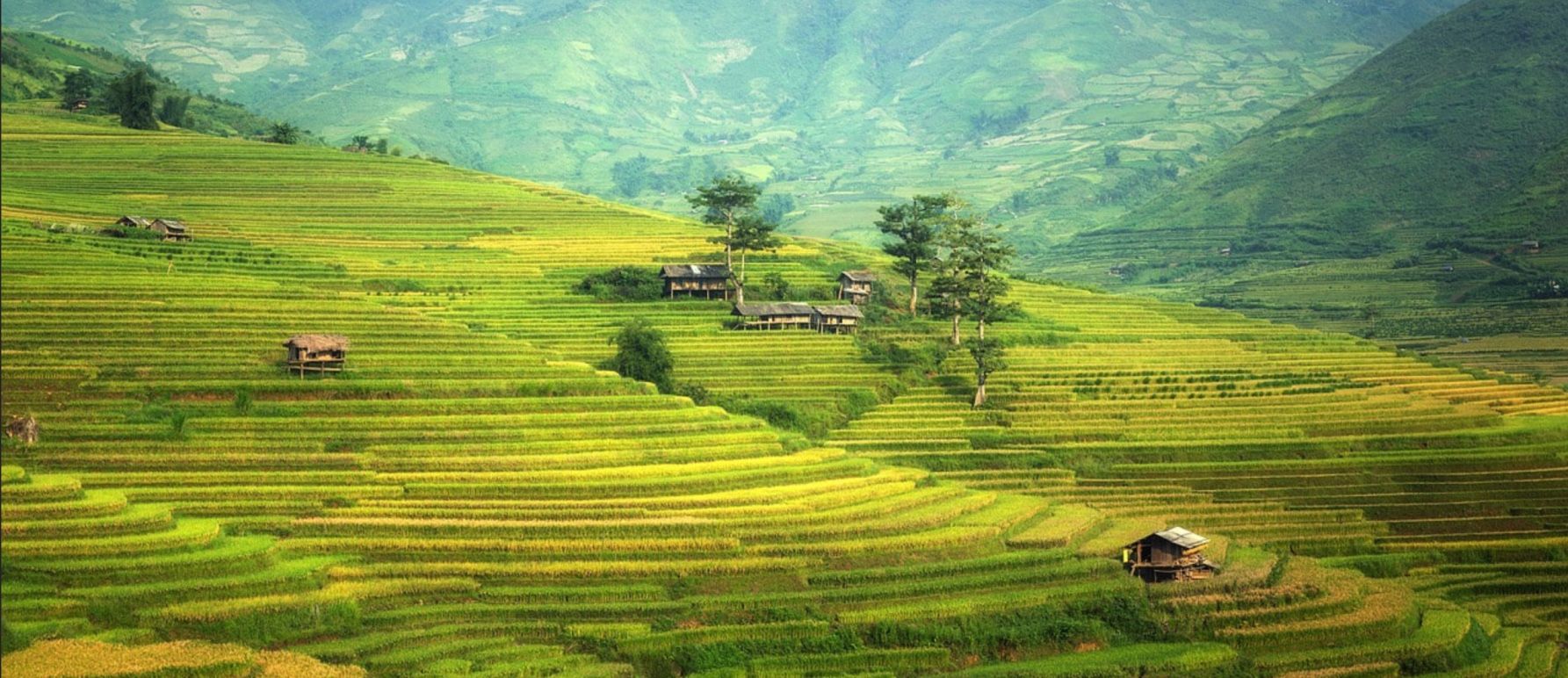
Pu Luong is not as well-known as other places, but it’s just as beautiful. Terraced fields climb the hills, and small rivers run through valleys where water wheels turn slowly. It’s a great place for trekking, swimming in waterfalls, or simply sitting and enjoying the view. The reserve is home to many ethnic communities who live close to the land. Visitors come here not just to see the scenery, but to feel part of it.
Experiences
- Trek through Pu Luong’s terraced fields and hidden trails, where water wheels turn slowly and bamboo forests whisper in the breeze. The landscape shifts between golden paddies, jungle paths, and stilt-house villages.
- Watch giant bamboo water wheels in action, cleverly built to channel mountain streams into rice fields – an old yet ingenious local invention.
- Hike to Hieu or Don Village, where waterfalls tumble beside houses and the only traffic is chickens crossing the stone paths.
- Join local life activities, like weaving, harvesting, or even making traditional rice wine, learning how people here live closely with nature.
10. Ninh Binh – Mountains, Rivers, and Old Stories
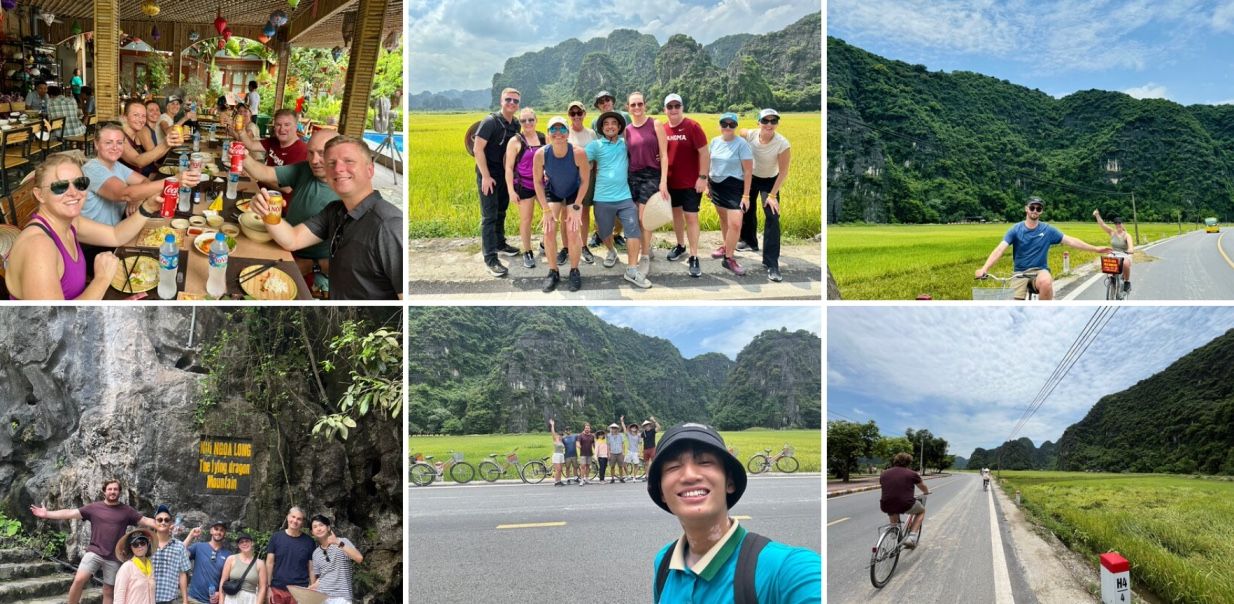
Ninh Binh is where the land turns flat again, but the limestone mountains still rise sharply from the earth. Rivers flow between rice fields and rocky cliffs, creating peaceful scenes that feel almost like paintings. You can take a small boat through caves and past ancient temples. This area was once the capital of Vietnam long ago, and the history adds depth to the natural beauty.
- Check out Things to do in Ninh Binh
Experiences
- Take a boat ride through Tam Coc or Trang An, where limestone mountains rise from golden rice fields and the river winds through caves and green cliffs – it feels like floating through a natural painting.
- Climb up to Hang Mua Viewpoint, where a stone dragon guards the sky and panoramic views stretch across the valley, especially stunning at sunrise or sunset.
- Visit ancient temples like Hoa Lu, the former capital of Vietnam, where moss-covered walls and stone courtyards whisper stories of kings and dynasties.
- Cycle through the countryside, passing peaceful villages, buffalo paths, and lotus ponds – every turn brings a quiet charm and rural rhythm..
11. Quang Binh – Home to world’s largest caves
Quang Binh is home to the world-famous Phong Nha caves, but the countryside here is also worth exploring. In Bong Lai Valley, you’ll find small farms, quiet paths, and green hills. People here live simply, growing peanuts, rice, and vegetables. It’s a good place to relax after exploring the caves, and the local families are very welcoming.
Experiences
- Explore Phong Nha and Paradise Caves, where giant chambers filled with glittering stalactites stretch deep underground – walking here feels like entering another world.
- Take a boat trip on the Son River, gliding between limestone cliffs and green banks before entering dark cave mouths lit only by soft lanterns.
- Join a trek to Hang En or even Son Doong, for those seeking adventure – these jungle hikes lead to massive hidden caves and remote campsites deep in the national park.
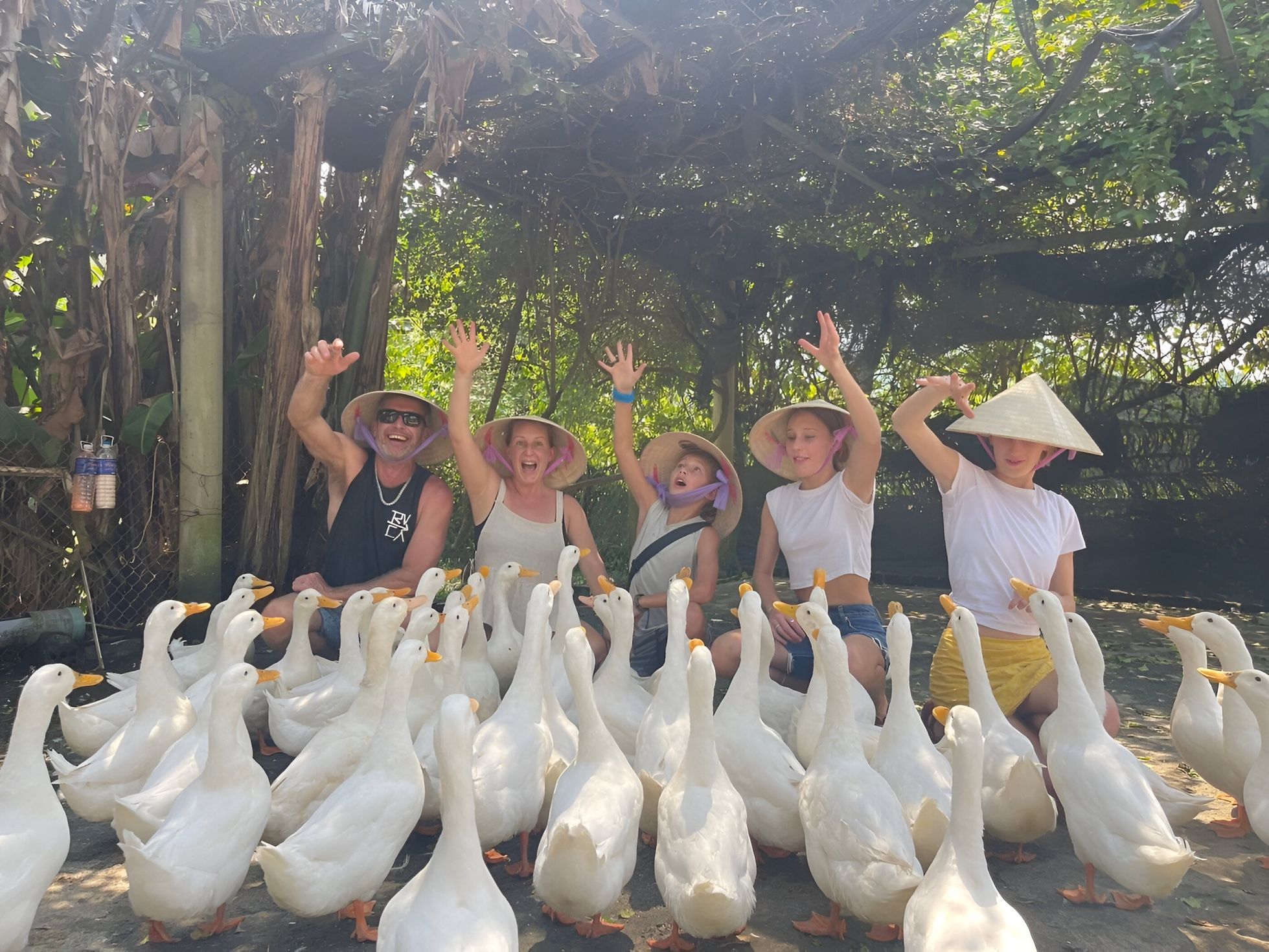
- Cycle through Bong Lai Valley, where duck farms, peanut fields, and small villages create a peaceful, open landscape perfect for slow travel and meeting locals.
12. Hue Countryside – Life Along the River
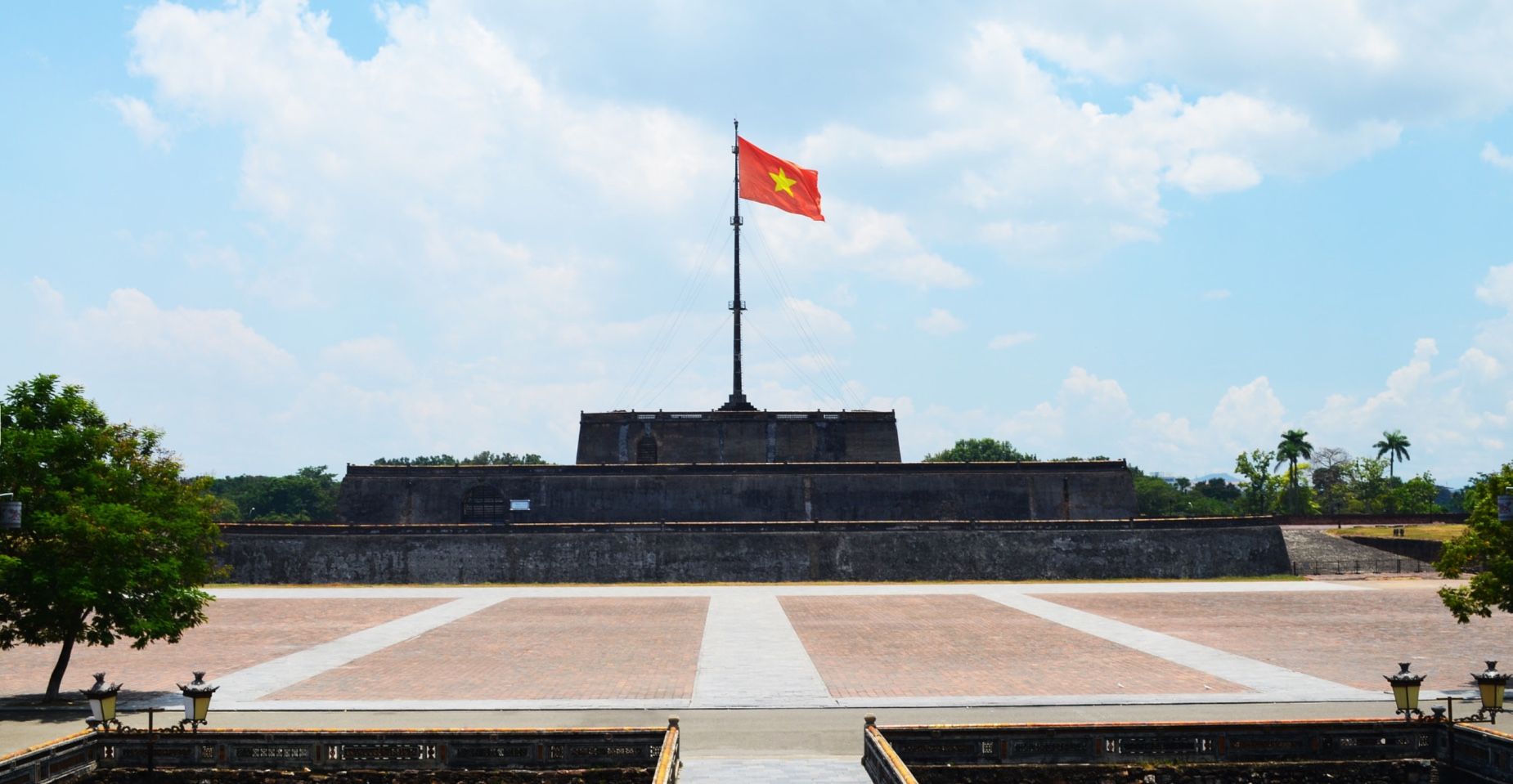
Beyond the old citadel and royal tombs, Hue’s countryside is full of charm. Villages grow fruit and flowers, and boats float quietly on the Perfume River and Tam Giang Lagoon. Garden houses with moss-covered roofs hide behind fences of bamboo and are filled with the scent of pomelo trees. The pace is slow, and the feeling is peaceful, like a soft afternoon that never ends.
- Check out What to do in Hue
Experiences
- Cycle along the Perfume River to Thanh Toan Village, where tiled-roof bridges, duck ponds, and open rice fields create a peaceful picture of rural life just outside the city.
- Visit garden houses in Kim Long or Thuy Bieu, traditional Hue homes hidden among pomelo trees and flower gardens, offering quiet corners for tea and reflection.
- Join a cooking class with a local family, preparing dishes like fig salad, bánh khoái, or lemongrass chicken using fresh ingredients from the garden.
- Take a boat ride to Thien Mu Pagoda, passing villages and floating houses while monks’ chants echo softly across the water.
- Explore local markets and craft villages, where people still make incense sticks, conical hats, and traditional wood carvings using age-old techniques.
13. Hoi An & Tra Que Vegetable Village
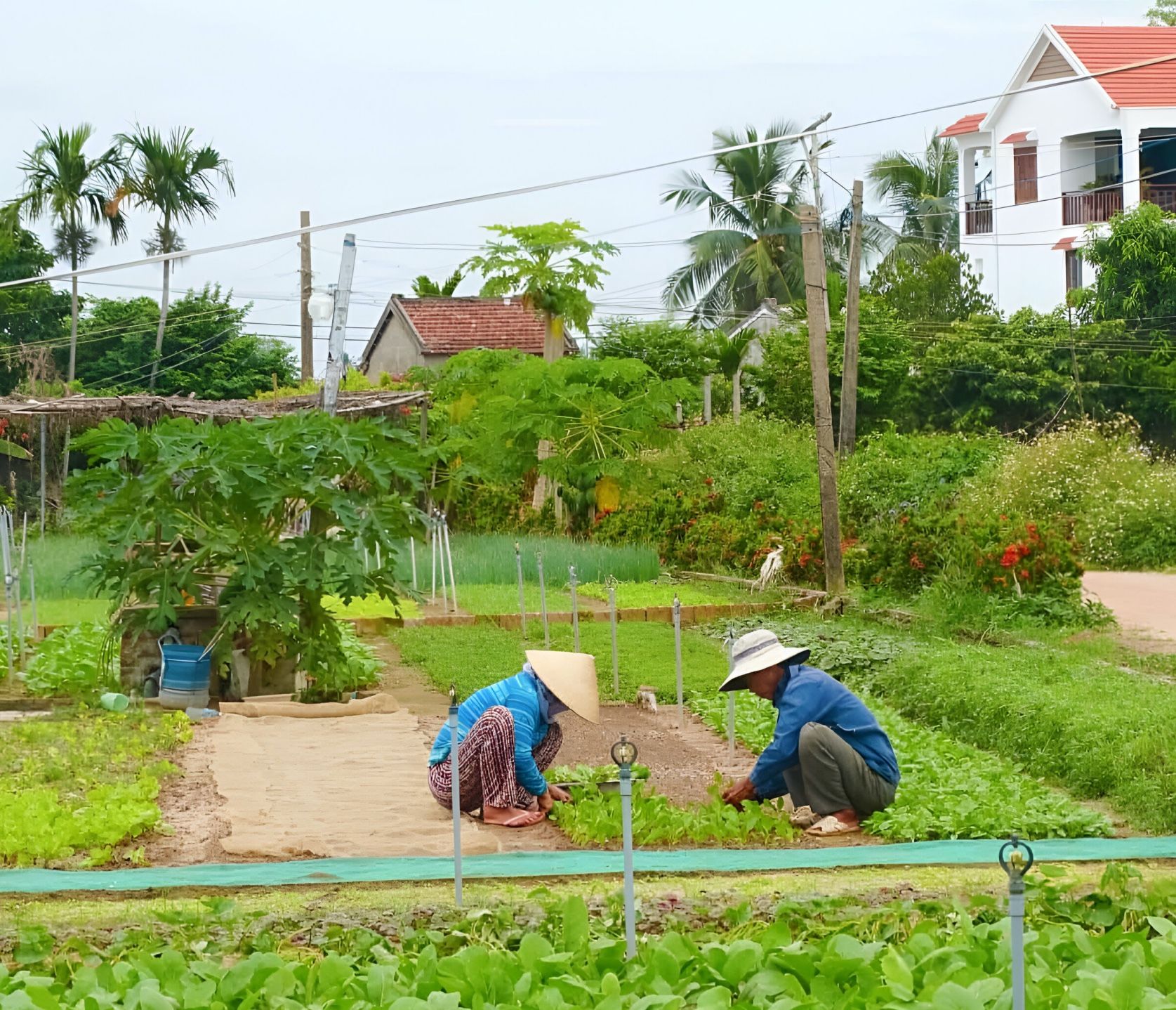
Just a few minutes from Hoi An’s lantern-lit streets, Tra Que is a small village where farmers grow herbs and vegetables the old way – with their hands and water from nearby ponds. The rows are neat, and the soil is rich. Visitors can join in farming, try a cooking class, or enjoy a quiet walk among green fields. It’s simple, healthy, and full of joy.
Experiences
- Witness the Hoi An’s countryside at Tra Que Vegetable Village, where green gardens stretch in neat rows and farmers tend crops by hand with bamboo tools and conical hats.
- Join farming activities with local villagers, from planting herbs to watering beds with traditional shoulder poles – simple work that connects you to the land.
- Take a cooking class using freshly picked vegetables, learning to make dishes like tam huu (herb rolls) or crispy pancakes filled with shrimp and bean sprouts.
- Stroll along quiet lanes between rice fields and rivers, passing water buffalo, fishing nets, and local homes shaded by coconut palms.
14. Countryside’s around Buon Ma Thuot & Lak Lake
The Central Highlands are different from the rest of Vietnam. The land is red, the air is cool, and coffee grows in endless rows. In Buon Ma Thuot, you can learn about the Ede and M’nong cultures. Nearby, Lak Lake is a peaceful place where you can take a canoe ride, visit local villages, and listen to traditional gongs under the stars.
Experiences
- Ride an elephant or paddle a dugout canoe across Lak Lake, where calm waters reflect the sky and distant hills, and traditional longhouses line the shore.
- Visit M’nong villages around the lake, where stilt houses stand among rice fields and gong music sometimes drifts through the air in the evening.
- Explore coffee plantations, as Buon Ma Thuot is Vietnam’s coffee capital – walk through fragrant rows, taste fresh brews, and learn about the bean’s journey from farm to cup.
- Watch the sunrise over Lak Lake, a quiet, golden moment where fishermen cast nets and mist floats over the water like a dream.
- Join local life activities, from riding ox carts and weaving mats to helping prepare dishes like grilled chicken with wild herbs or sticky rice cooked in bamboo tubes.
15. Da Lat – Misty Hills and Flower Farms
Da Lat is often called the “City of Flowers,” but its countryside is even more beautiful. Farms grow roses, artichokes, and strawberries on cool hillsides. Pine trees line quiet roads, and waterfalls hide in green valleys. The air is fresh and clean, and the feeling is soft, like walking through a dream that smells of flowers and rain.
Experiences
- Wander through Da Lat’s flower farms and greenhouses, where rows of roses, hydrangeas, and lavender bloom year-round in the cool mountain air.
- Walk around the countryside of Trai Mat or Ta Nung, passing pine forests, coffee farms, and small villages nestled in rolling hills.
- Visit local farms to pick strawberries or learn about silk weaving, watching how mulberry leaves feed silkworms, or how threads become beautiful fabrics.
- Explore waterfalls like Pongour or Elephant Falls, where water tumbles over mossy rocks, and forest trails lead to quiet, hidden corners of nature.
16. Mekong Delta – Life on the Water
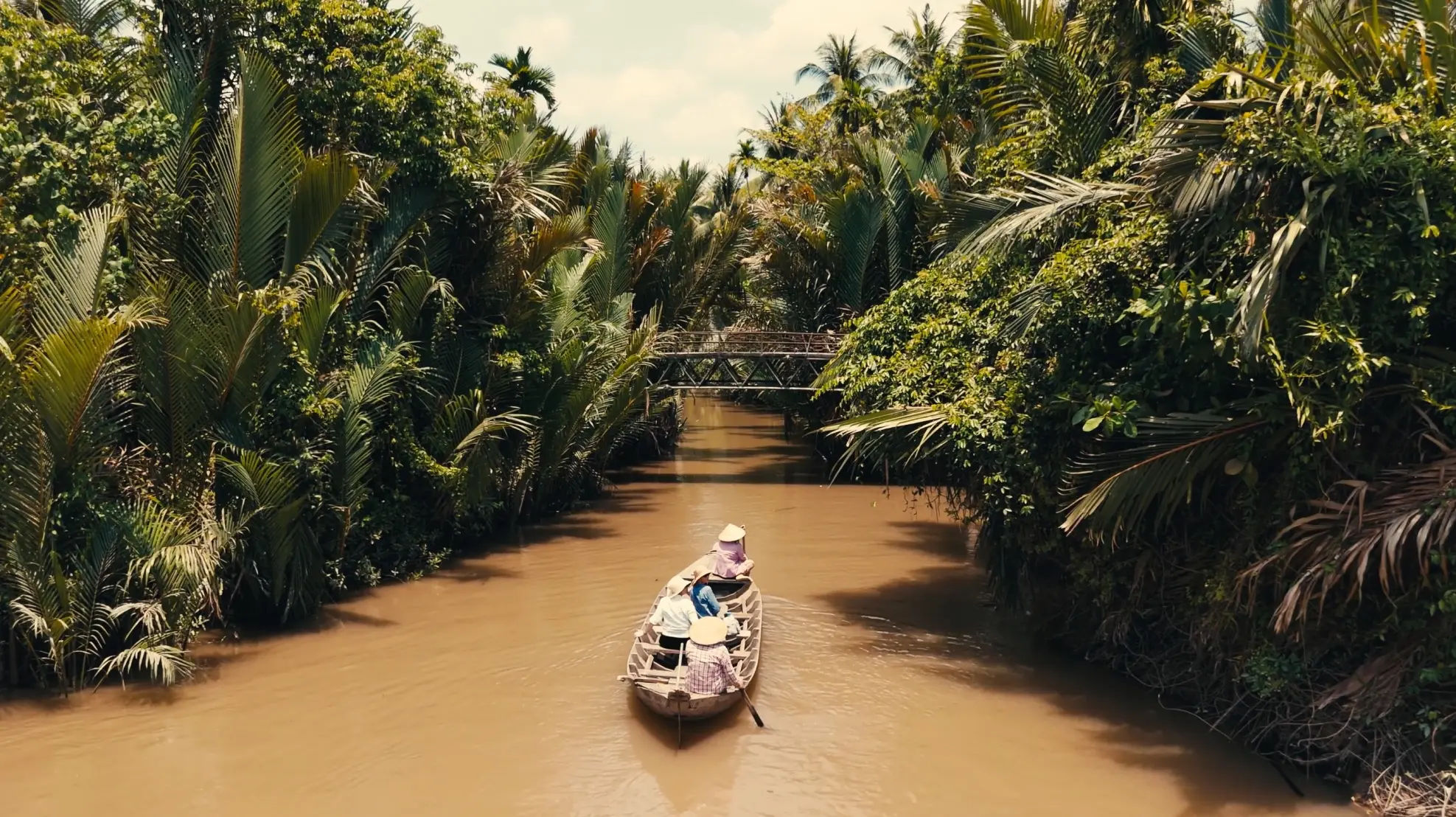
In the far south, the Mekong River splits into many branches, creating a land full of rivers, canals, and islands. People live close to the water – fishing, farming, and selling fruit from boats. In places like Ben Tre, Can Tho, or Tra Vinh, you can take a boat trip, visit coconut farms, and eat fresh tropical fruit right from the tree. The land is rich, the people are kind, and the river never stops flowing.
- Check out What to do & see in Can Tho, Vietnam
Experiences
- Take a boat ride through the Mekong’s narrow canals, where palm trees arch overhead and daily life unfolds on the water—fishermen casting nets, children waving from wooden houses, and boats laden with fruits.
- Visit floating markets like Cai Rang or Phong Dien, where early morning boats gather to trade pineapples, coconuts, and noodles in a colorful, noisy dance of commerce.
- Explore fruit orchards and coconut gardens, picking tropical treats like rambutan, mangosteen, or star apple, while learning how the delta’s fertile soil shapes its food and culture.
Essential Tips for Rural Tourism in Vietnam: What to know before visiting
Best time to visit
In the north, September to November offers cool weather and golden rice terraces, perfect for places like Sapa, Ha Giang, and Mu Cang Chai; spring (March–April) is also mild and pleasant. In the central region, including Hue, Hoi An, and Da Lat, the ideal time is from February to May when it’s dry and sunny. For the south, especially the Mekong Delta, the best season is from December to April, with warm, dry days ideal for boat trips and exploring countrysides.
- Check out the best time to visit Vietnam in general
Recommended places to stay
To fully experience rural life in Vietnam, stay in local homestays, eco-lodges, or farmstays. In the northern mountains, stilt houses in villages like Nam Dam (Ha Giang) or Ta Van (Sapa) offer cozy stays with ethnic families. In peaceful valleys like Mai Chau or Pu Luong, you can sleep in bamboo homes surrounded by rice fields. Further south, try farmstays in Tra Que (Hoi An) or riverside guesthouses in the Mekong Delta. These stays often include meals, cultural activities, and warm hospitality, giving you a true taste of countryside life.
Transports to the rural areas & countrysides
Most rural destinations in Vietnam are best reached by bus, minivan, or private car from major cities like Hanoi, Hue, Da Nang, or Ho Chi Minh City. For mountainous areas such as Ha Giang or Sapa, overnight buses or sleeper vans are common, with motorbikes or local guides available for exploring. In lowland regions like Ninh Binh or the Mekong Delta, short trips by train or bus work well, and you can explore villages by bike, boat, or tuk-tuk. Private transfers are also a comfortable option for travelers short on time or traveling in groups.
Cultural notes
When visiting the countryside of Vietnam, it’s important to respect local customs and way of life. Dress modestly, especially in temples or family homes, and always ask before taking photos of people. Greet locals with a smile and a slight bow—it’s a simple but appreciated gesture. Be polite during meals and wait until you’re invited to eat. Life in the countryside is slower and more traditional, so showing patience, kindness, and curiosity will help you connect with people and make your visit more meaningful.
Final though on visiting Vietnamese countrysides
The countryside is not just a place—it’s a real culture, it’s the rustling of rice fields in the wind, the scent of wood smoke at dusk, and the warm smiles of people living close to the land and to each other. Far from the noise of the cities, these rural corners offer a slower, more soulful way of life. Whether you’re biking through mountain villages or sipping tea with a local farmer, the countryside reveals a Vietnam that is timeless, tender, and deeply alive. And sometimes, it’s in these quiet places that we come to understand the true heart of Vietnam.