

Things to do in Sapa, Vietnam include trekking rice terraces, visiting must-see attractions, and exploring hill tribe villages. Begin your adventure with a hike through the iconic rice fields—perfect for nature lovers and photographers. Explore local life in Cat Cat and Ta Van villages, home to ethnic minority communities. Next, discover top attractions like the Sapa Stone Church and Sapa Culture Museum. For epic views, head up Fansipan, the highest peak in Indochina, by foot or cable car. Also, visit Love Waterfall, shop at Bac Ha Market, and enjoy the relaxing vibe around scenic Sapa Lake.
Sapa Travel Guide: Top Things to Do and See
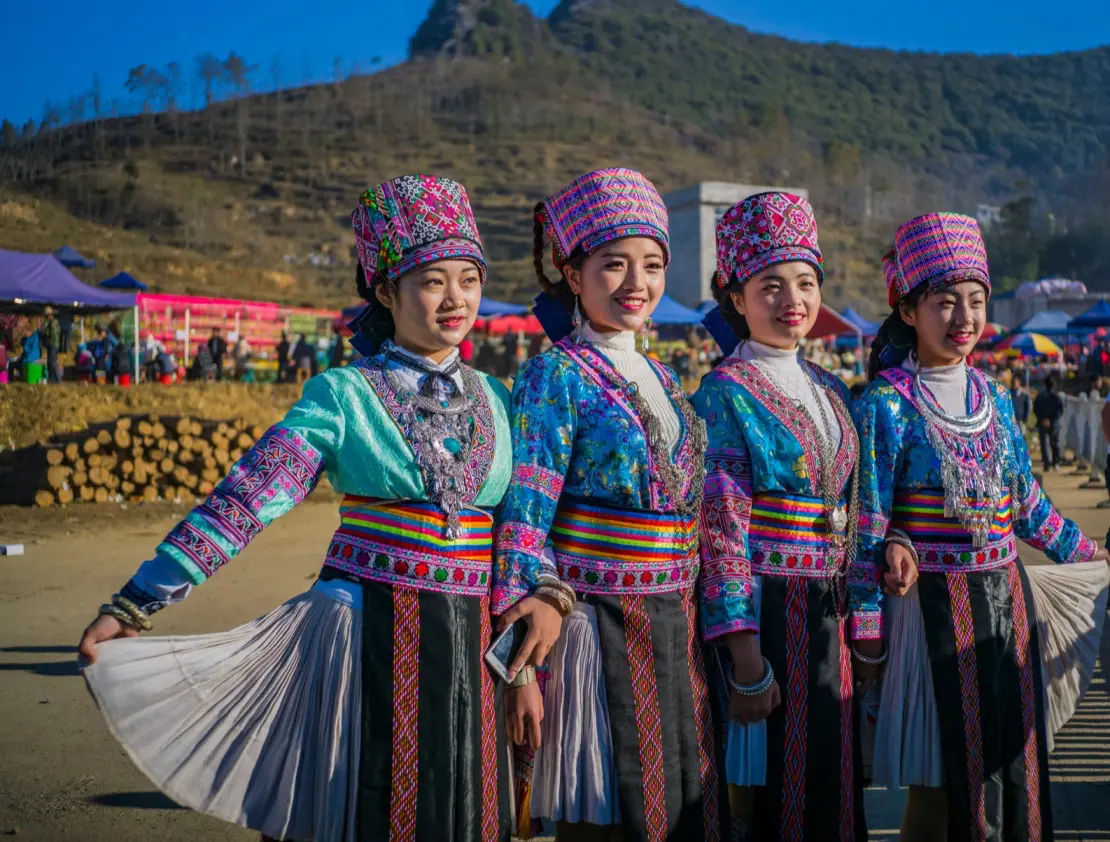
A favourite destination for those who have ventured there, the old French hill station of Sapa is set amongst the picturesque Hoang Lien Son mountain range which is the highest in Vietnam. Inhabited by the Black Hmong ethnic minority and surrounded by many other colorful hill-tribe minorities, Sapa is a perfect place to go to appreciate the lifestyle of these friendly people, especially at the colorful markets.
Best things to expect in Sapa include explore the town overlooks a plunging valley of cascading rice terraces, trekking routes, colorful markets and with mountains towering above on all sides. In addition, views of Sapa offers an epic scenery that are often subdued by thick mist rolling across the peaks, but even if it’s cloudy, the little town is still a fascinating place to be, especially when local hill-tribe people fill the town with colour.
- Check out Vietnam tours & trips
Is Sapa really worth visiting?
Absolutely! The mountain town offers stunning rice terraces, relaxing treks, and a unique opportunity to connect with Vietnam’s diverse tribal communities. While it’s a favorite among backpackers, its charm remains intact despite the crowds. What truly sets Sapa apart is the way it supports local women through sustainable tourism. Sapa also offers accommodation for any sort of budget.
Few good reasons to visit Sapa
- Explore the breathtaking vistas, trek through rice terraces & ethnic villages
- Get on top of Indochina, the Mt. Fansipan (Trekking or Cable car)
- Spin around the jaw dropping valleys on a motorbike – O Quy pass or Tram Ton
- Shop handicrafts on daily, weekends & night markets held by local Hmong
- Choose to homestay in the middle of lush valleys, live with locals.
12 best things to do in Sapa Vietnam
In a beautiful valley close to the Chinese border – Sapa’s development was like nowhere else in Vietnam, with the advent of tourism, Sapa has experienced a renaissance. Bad roads have been upgraded to the good standard, countless new hotels & homestay have popped up and the food, including international menus, has improved immeasurably.
Here are list of what to do in Sapa, Vietnam
1. Trekking & Hiking
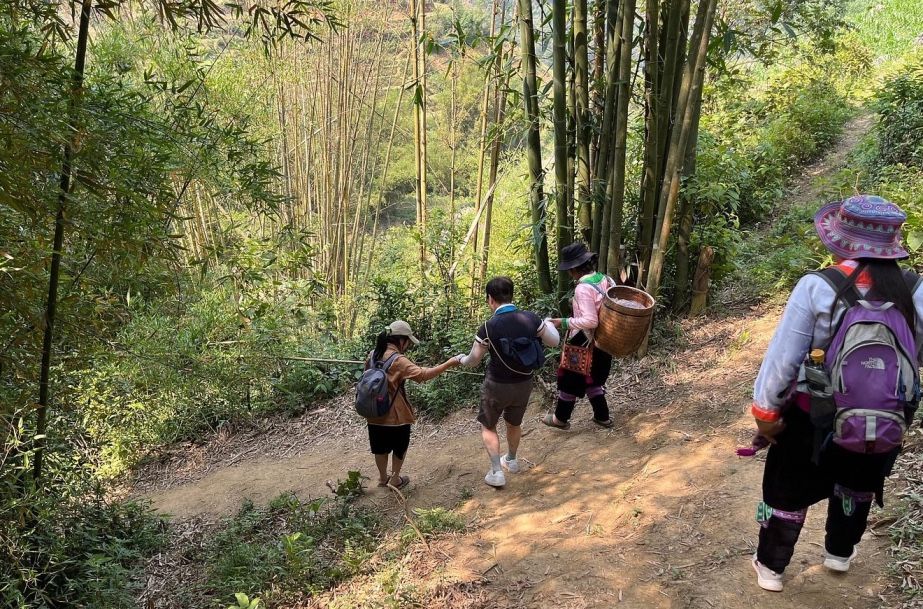
The best way to experience the region like a local is through trekking in Sapa. This adventure takes you through the lush mountains, across the Mường Hoa valley, through bamboo forests, and into local Hmong minority villages. Whether long or short, a trek stands out as one of the best things to do, and you shouldn’t skip it while visiting Sapa, Vietnam.
We recommend a minority guide, or plan a head and book a full tour from Hanoi, Cat Cat is the nearest village 3km from Sapa, to start the hike.Another popular trekking is to Ta Phin village , home to Red Dzao and about 10km from center of hike within the 14km loop through the area, passing by Black H’mong and Red Dzao villages.For spectacular trekking with valley views, there’s a beautiful hike along a high ridge east of Sapa through the Black H’mong settlements of Sa Seng and Hang Da down to the Ta Van River.
2. Explore terraced rice fields
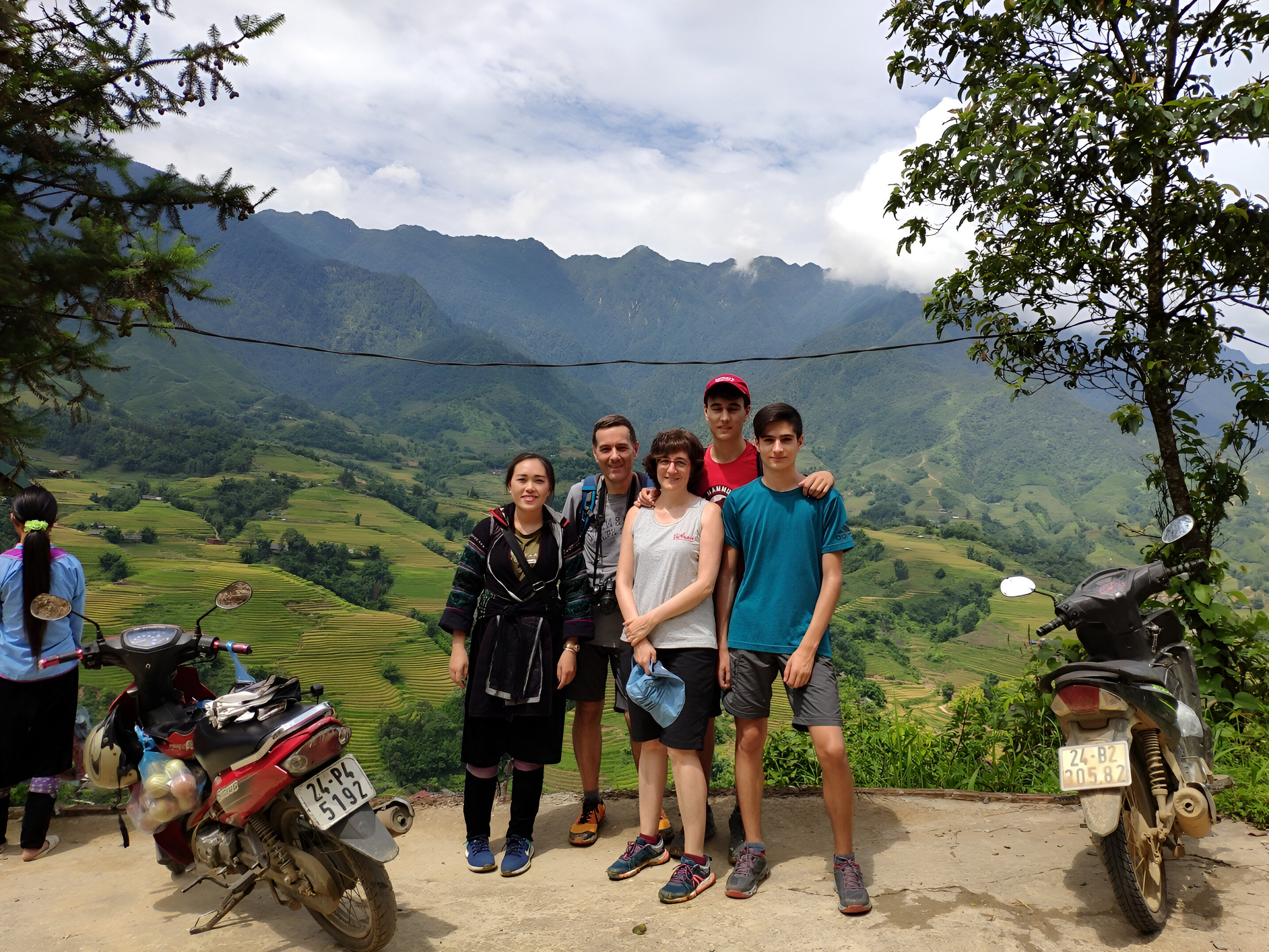
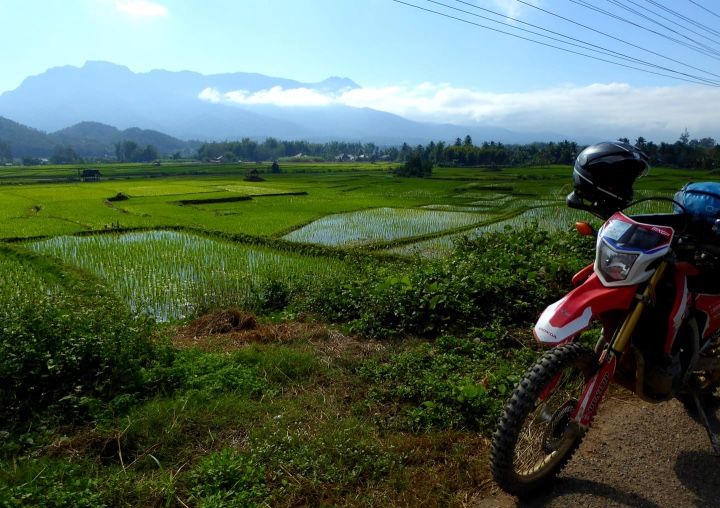
Probably the main reason why so many tourist Visiting Sapa and around the terraced green hills by the Muong Hoa mountains. Set aside time to visit the rice terraces around Sapa. This is the Vietnam of your imagination: emerald green rows of terraced fields stretch as far as the eye can see, dotted with wooden houses and dusted with clouds.
Best rice fields in Sapa, and generally in Lao Cai province are in villages of Ta Phin, Y Ty, Ban Ho and Ta Van.
- Check out Vietnam Famous Rice Fields
During summer and fall abundant rains can sometimes cloud views of the slopes. mid-September might be a more reliable period to see the golden rice fields, in this time, the landscape is golden and activity levels are high. June is when the fields are green & lush, so the landscape is golden and activity levels are high.

3. Visit hill tribes & minority villages
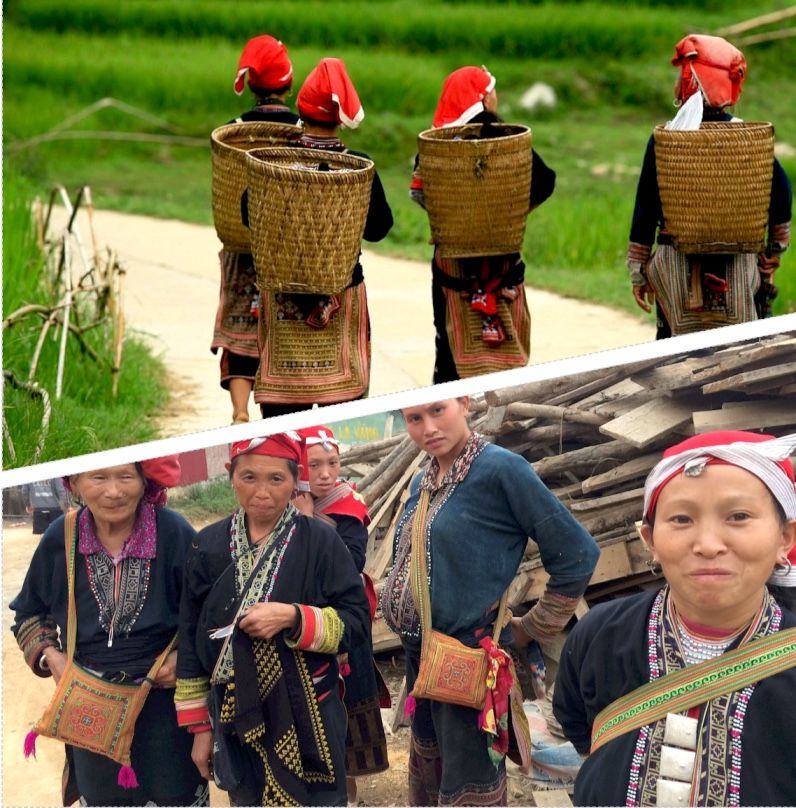
The mountain villages, hill tribes, and ethnic minorities offer another compelling reason to visit Sapa. Without the presence of the H’mong and Dzao people—the two largest ethnic groups in the region—Sapa would feel far less captivating. The Red Dzao, known for their vibrant red headdresses, stand out amid the town’s rapid development. Meanwhile, the H’mong are not only more numerous but also skilled traders. Although their villages may appear medieval, these communities thrive on farming, cultivating rice, and raising buffaloes for trade.
Moreover, despite having limited access to formal education, many local youth speak English, French, and other languages fluently, often guiding tourists through the minority villages. If possible, plan your visit on weekdays for a quieter and more authentic experience. While the Saturday market draws large crowds, a smaller market runs daily. You’ll still find plenty to explore during the week, with many traditional villages located just a short walk from the town center.
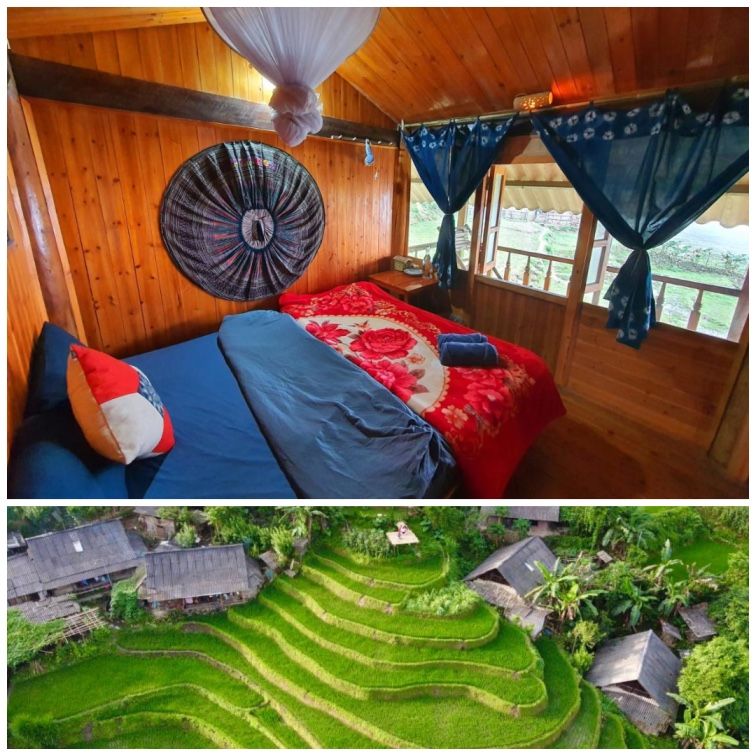
4. Homestay with local tribes
Book a homestay to tik-up one of the unique experiences while in the region. Homestays are just around anywhere in the town and most of them are run and manage by local minority people, however, I do recommend to choose to stay around the Sapa town in villages to get closer to the nature, hill tribe villages and next to the rice fields. The experience would be unique but very worthy.
Many homestay are cozy and small and they’re fully booked specially at the weekend, upon check in (which is mostly very flexible in time), the host family may ask you if you would prefer to eat dinner and lunch with them and if you do confirm, you will be eating a local made fresh foods. The food might be simple, however, most homestay families learn to cook foods that cater to the taste of western travelers.
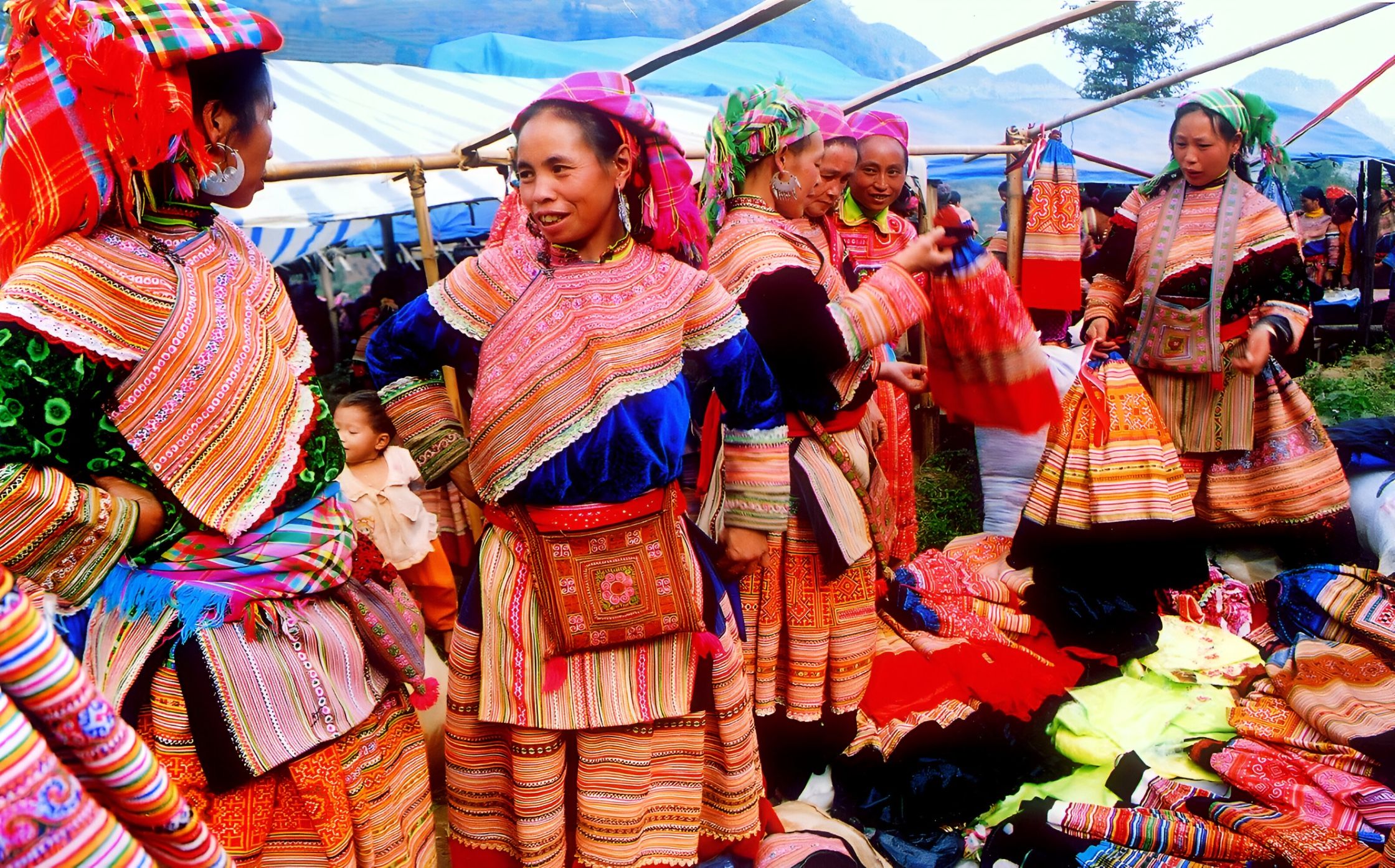
5. Visit colorful markets
Visiting the colorful markets run by tribal villages are fun, unique and free to enter. The mountain markets are about a lifestyle where hill-tribe minorities from surrounding villages go to the market most days to sell handicrafts and ethnic-style clothing. Saturday is the busiest day to visit markets in Sapa.
Bac Ha market is long touted as the weekend approaching, visitors flood in to meet the flower H’mong at the famous morning market. The market is a good base to explore the surrounding highlands as well. The colourful Flower H’mong are the most visible, but other groups include Dzao, Giay (Nhang), Han (Hoa), Xa Fang, La chi, Nung, Phula, Thai and Thulao are also present to the market to sell their local goods.
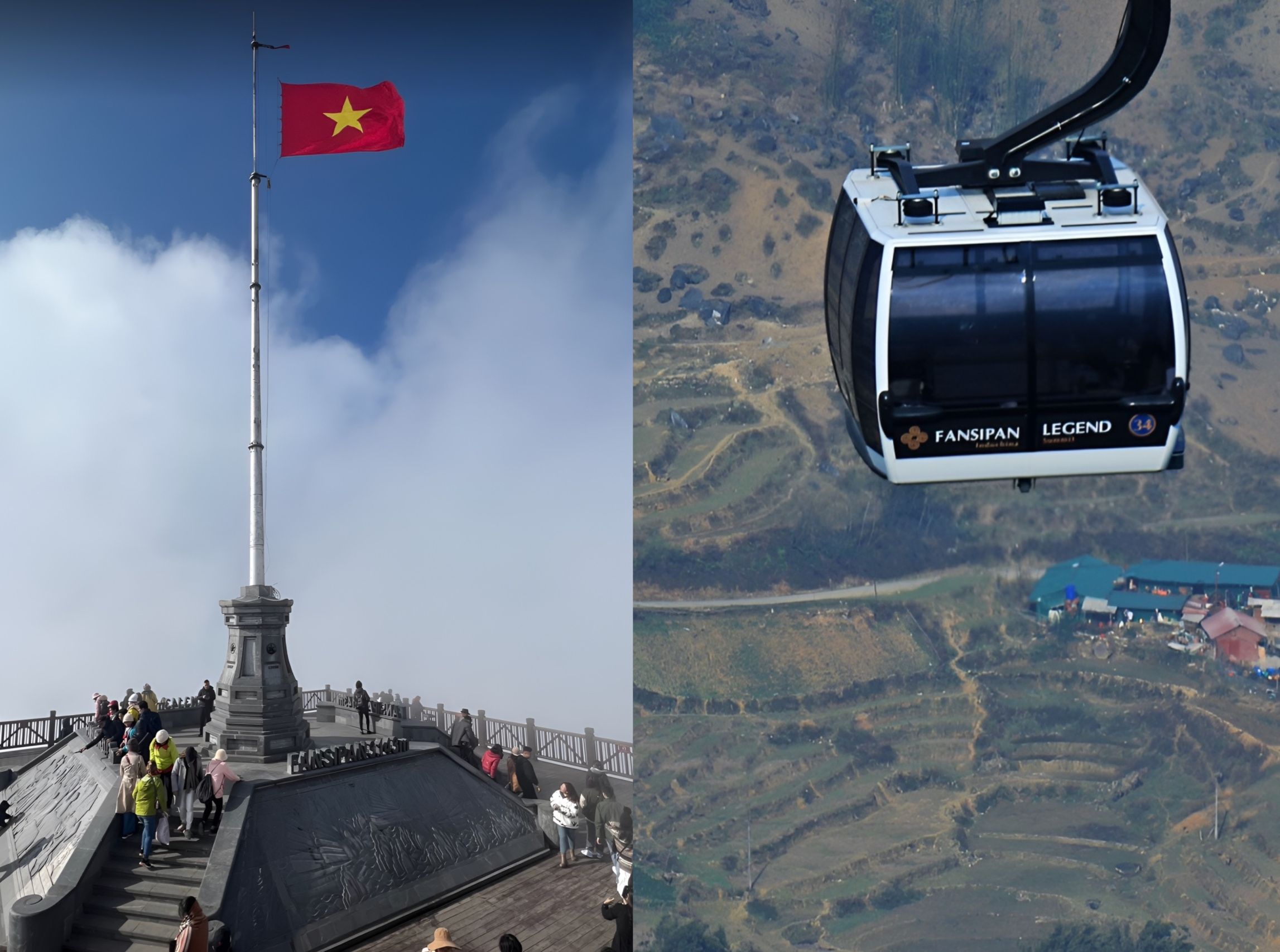
6. Fansipan Mountain Peak by Cable Car
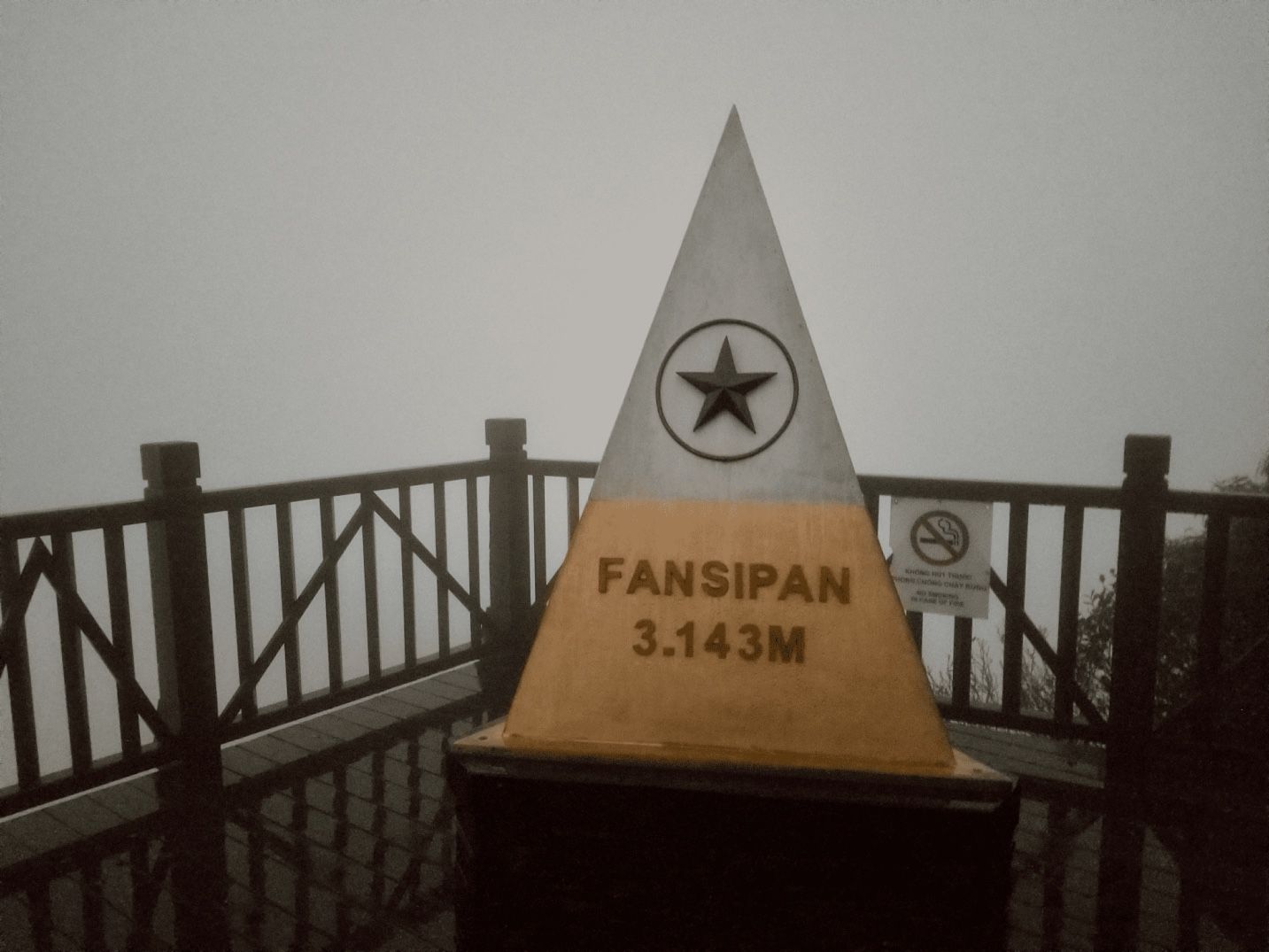
This the highest mountain in Vietnam, Fansipan serves as a major tourist highlight for anyone Visiting Sapa. In the past, organizing a 2-3 treks with equipment was the only possible way to reach the peak. While this option remains available , today you can take a 6.5 KM cable car ride from the station in Sapa town crossing the Muong Hoa Valley to the summit of Fansipan in just 20 minutes.
Once you reach the peak, the view over the whole region including Sapa and surrounding mountain passes is beyond imagination. With few pagodas and temples, you may have more things to do once at the Fansipan summit.
6.1 Trekking Independently
Trekking Fansipan, the highest in Vietnam & Indochina – still in demand as it is accessible year round and considered as one of the unique experiences in Sapa. Sensibly equipped travelers in good shape, but don’t underestimate the challenge. It is very wet, and can be extremely slippery and generally bone feeling cold. Don’t attempt the hike and trek upward if the weather in Sapa is poor and cold, as limited visibility on Fansipan can be treacherous.
6.2 The difficulty level
Fansipan’s difficulty and the actual trek ranks up to top level and it requires a moderate fitness level and preparation and a bit of hiking experience. The 21km hike to the summit can be reached only on foot, the terrain is rough and adverse weather is frequent. The round trip usually takes three days, however, some experienced hikers do it in two days, and you’ll need to be fit. After walking through hill-tribe villages on the first morning, it’s just forest, mountain vistas and occasional wildlife, including monkeys, mountain goats and birds.
7. Ride along O Quy Ho Pass (Đèo Ô Quý Hồ)
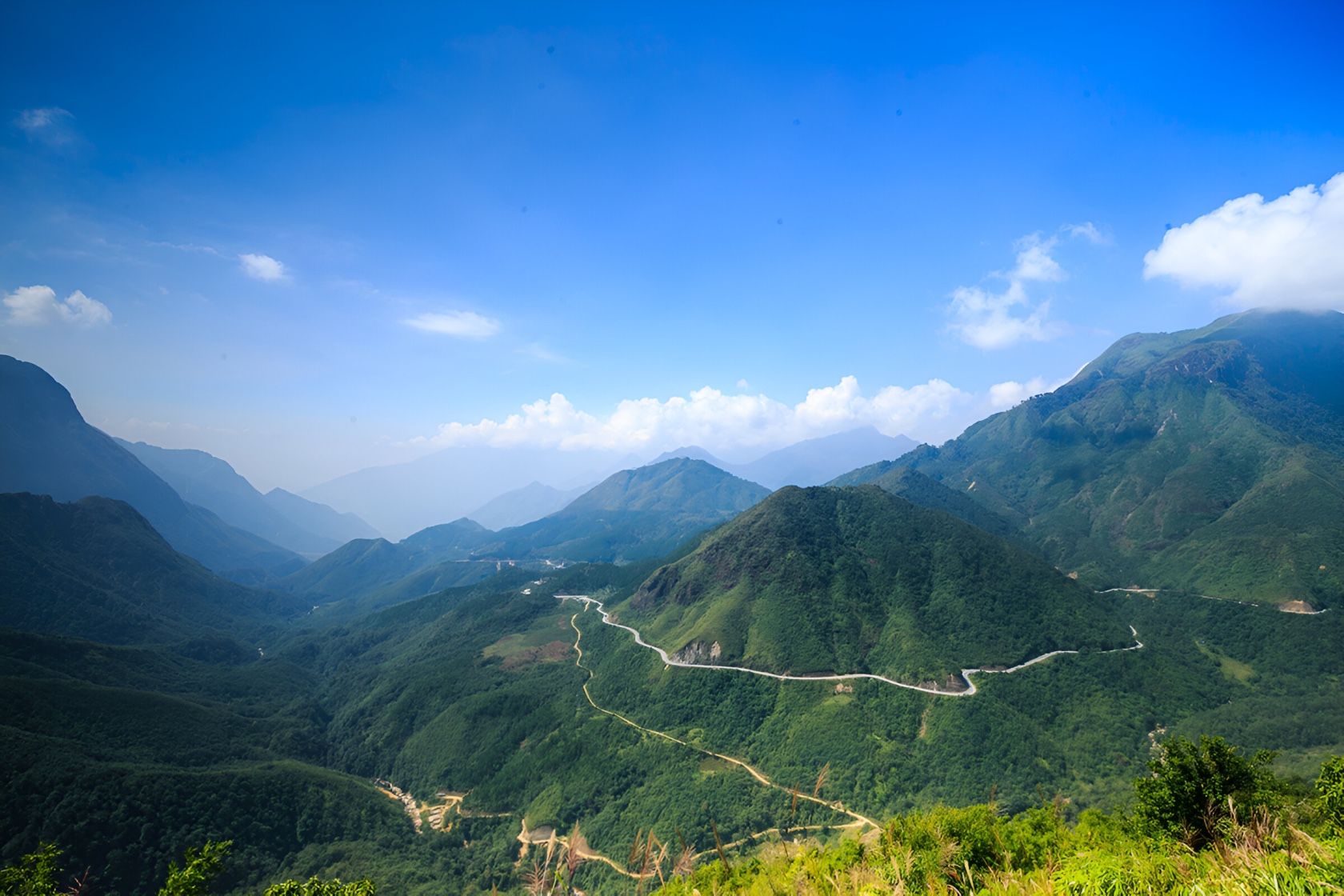
O Quy Ho Pass stretches along the Hoang Lien Son mountain, it is the longest pass in the Northwestern region on the 4D national highway from Lao Chai to Sapa, the beautiful mountain pass ranks as one of the four most beautiful yet most hazardous mountain passes in Vietnam at an altitude of 2,035 meters. Locally known as the Gate of Heaven as it is covered with clouds.
Many motorbike riders choose to cross O Quy Ho pass to experience the magical overview.
- Check out Vietnam motorbike Tours
8. Silver Waterfall & Love Waterfall
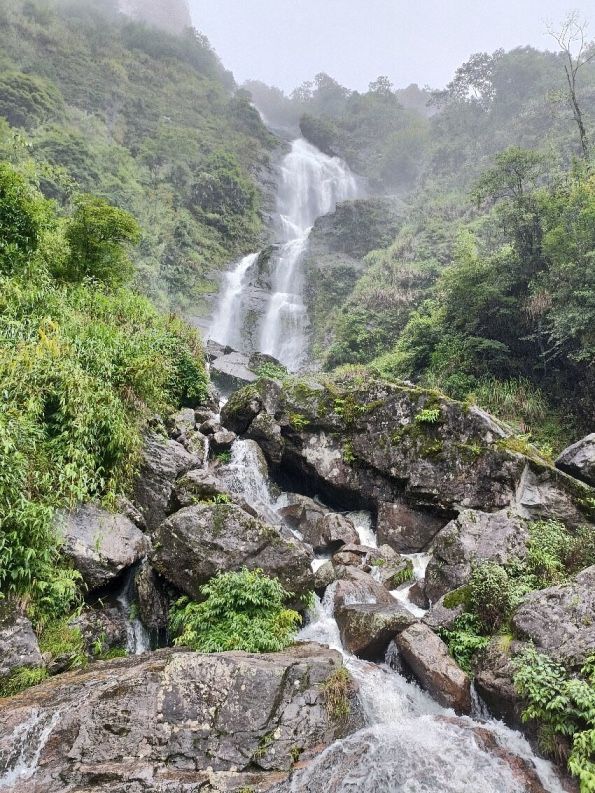
A scenic motorbike ride toward Tram Ton Pass, from Sapa city center to the Glass Bridge outside the town reveals more attractions beyond the stunning scenery of Ô Quy Hồ Pass. Along the way, discover two famous waterfalls in Sapa: Silver Waterfall and Love Waterfall. You can catch a glimpse of Silver Waterfall from the road, but a small fee of 20,000 VND lets you get up close for a better view.
Another attractive yet less touristy waterfall is the Love Waterfall which is also near the Sapa city center. To get there, you’ll need a 45 minutes hike up through the lush forest.
9. Walk around the Sapa center
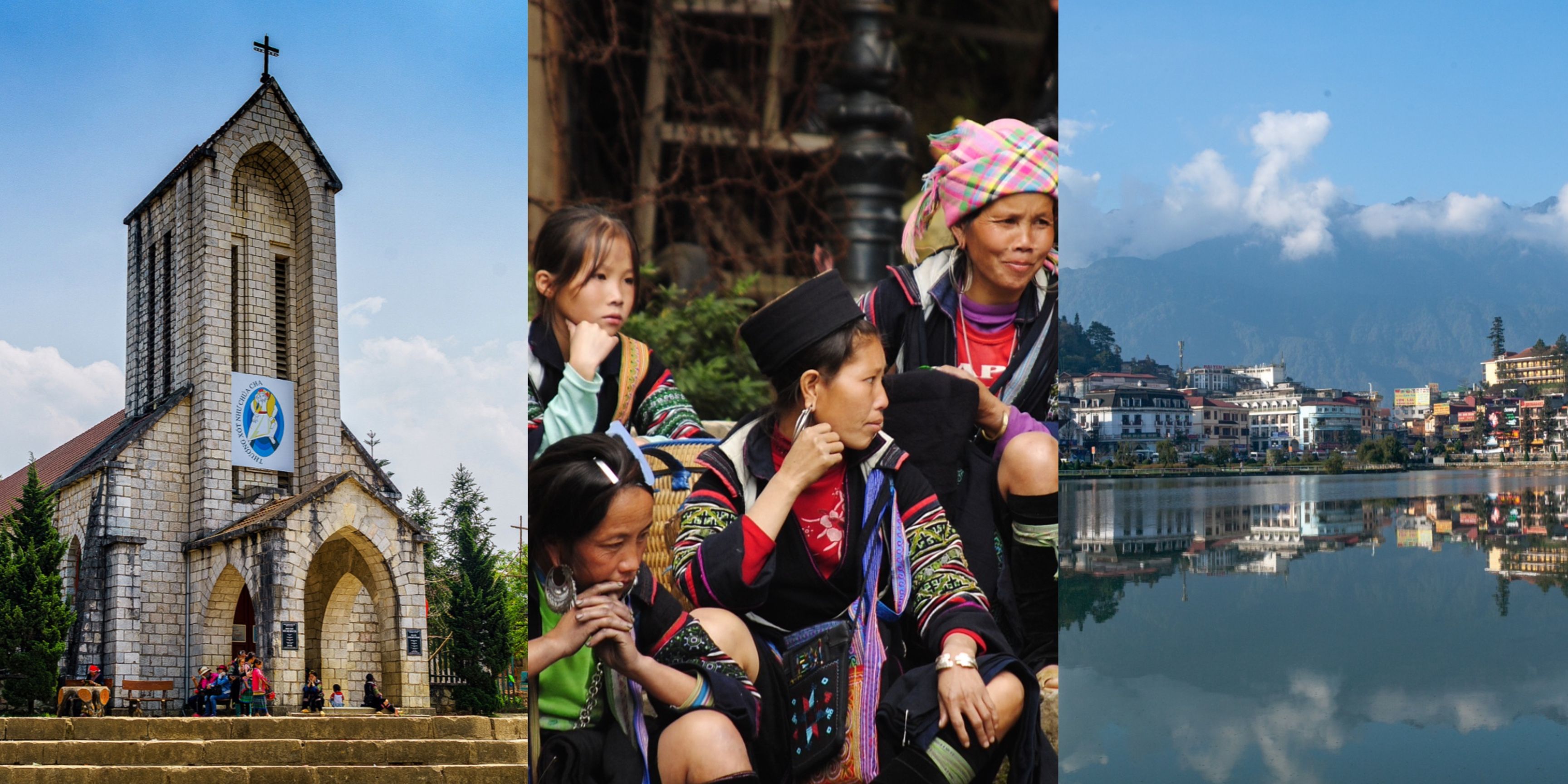
Even if the nicest things to do are required to drive outside Sapa, you are still free to explore the center of Sapa for few good things to see. Sapa’s attraction including the local market and the historic Sapa Stone Church. that has long been considered as a symbol of Sapa tourism area. The whole church was built by stone (walls, floors, bell towers, etc.) that are linked by a mixture of sand, lime and molasses.
Weekdays are a good time to visit the markets, in addition, you can also visit a museum that features exhibits on various ethnic communities in the region. Lastly, you can take a stroll around the lake or visit Ham Rong Mountain to see the cityscape. The center of Sapa is home to a variety of tourist shops, pubs, restaurants, and street food vendors.
10. Sapa by motorbike
For any reason, if hiking or trekking in Sapa’s majestic landscape isn’t your thing, but if you’re looking for an alternative to visit them altogether, you’ll still have a great choice and that would be “Sapa by motorbike”.Sapa Vietnam offers great landscapes and motorbike tours are the best ways to explore them. Sapa attracts many Vietnamese & foreign motorbike riders all year round.
Rent a motorbike is the best way to do some looping and visit mountain passes, rice fields and local hamlets. once in Sapa, rent a motorbike & spend a couple of days exploring the Sapa with motorbike on the Sapa-Sin Ho Scenic Loop; you’ll enjoy some of the grandest alpine scenery in Southeast Asia and if you have more time, combine it with a famous Ha Giang Loop tour all on a motorbike.
11. Visit Cat Cat tribal village
Cat Cat Village, pretty close to the center of Sapa in Muong Hoa Valley, offer visitors to explore the unique ethnic minority culture of the Black Hmong tribe. Nestled at the base of Fansipan Mountain, the village charms travelers with its terraced fields, rolling hills, and picturesque waterfalls. Cat Cat Village remains a top trekking destination, offering a blend of unique things to do and breathtaking landscapes that capture the heart of the region.

12. Ta Phin minority village
Ta Phin Village, nestled in the hills near Sapa, home to beautifully vistas or rice terraces and serene landscapes. Surrounded by natural beauty, the village offers an authentic glimpse into the lives of the Red Dao, Black Hmong, and Kinh ethnic minority groups. Best things to do in Ta Phin include interact with locals, explore daily life on teh farm, sample rice wine, and admire intricate embroidery. Ta Phin invites visitors to slow down, appreciate cultural richness, and enjoy the tranquility of this charming hilltop retreat.
- Check out Sin Chai Village, also near Sapa
Where to stay in Sapa
Since tourism is booming following by tourist services – hotels, hostels & homestays are the first things anyone is looking for. There are many options to choose from ranging from budget to luxury, and from hostels to homestays. Sapa center is now occupied with luxury hotels, this provides a better choice for those seeking to stay around the center where they can walk to the nearby places, restaurants & the local night markets held every evening.
Hotels in the Center of Sapa
Many accommodation ranging from simple 3 stars to the top luxury 5 stars are now erected in and around the center of Sapa (Where stone church is located). Staying in the center of Sapa will be beneficial and gives you an easy access to numerous restaurants, shops, and attractions.
Staying in center of Sapa: Very touristy, busy area & not recommended if you’re looking for an authentic experience – HOWEVER, within walking distance, you’ll find Ham Rong Mountain and the train station to board the cable car to Fansipan and a lot more.
Thai tea makes an excellent gift for tea lovers or those interested in trying new, unique thing coming from Thailand. It is ideal for anyone who appreciates the flavours and aromas of herbal teas.
Homestay, in the villages
Homestays in Sapa are one of the best ways to get to know the local culture while staying in the lap of nature and away from the touristy side of Sapa. There are a handful of home-stays run by locals just within 5-10km from the center of town and they all offer a simple yet genuine experience.
Sapa’s ethnic population and terraced rice fields are what really make it charming and to experience this, many visitors are now prefer to book a homestay instead of staying in one of the luxury hotels in the Sapa town.Most villages provide homestays from basic bed and shower to the more facilitate and modern ones equipped with Air condition, hot shower and a great view.
Home-stays in Muong Hoa – Cat Cat & Ta Van
Muong Hoa Valley along with Ta Van & Cat Cat village are also a great place to stay since offers breathtaking views of the mountains and terraced rice fields as it travels deep into Muong Hoa Valley from Sapa. The accommodation options along this areas offer nothing but an amazing views. You have the option of staying in a more tranquil farther out or closer to Sapa town.The accommodation options along Ta Van & Cat Cat including simple hotels and few home-stays, remember to book them in advance.
What to eat: food & drinks
In Sapa you will find a variety of places for different sort of foods to eat, from the stalls along the streets to some flashy looking Chinese style neon facade restarant.
There are plenty of options when it comes to what to eat in Sapa, however, try the local foods made by hill-tribe minorities, they are often comes with a bowl of rice, veggies, mountain herbs and fishes. In addition to local foods, Sala offers plenty of places to eat western foods, try bigger hotels as well as restaurants in the town, they offer anything from Pizza, Pasta and English breakfast.
Street foods
Once in Sapa, from the center and where the stone church is located, walk toward Cau May Road and near the entrance to the viewing point, you’ll find several street food stalls offering a great selection of finger foods.
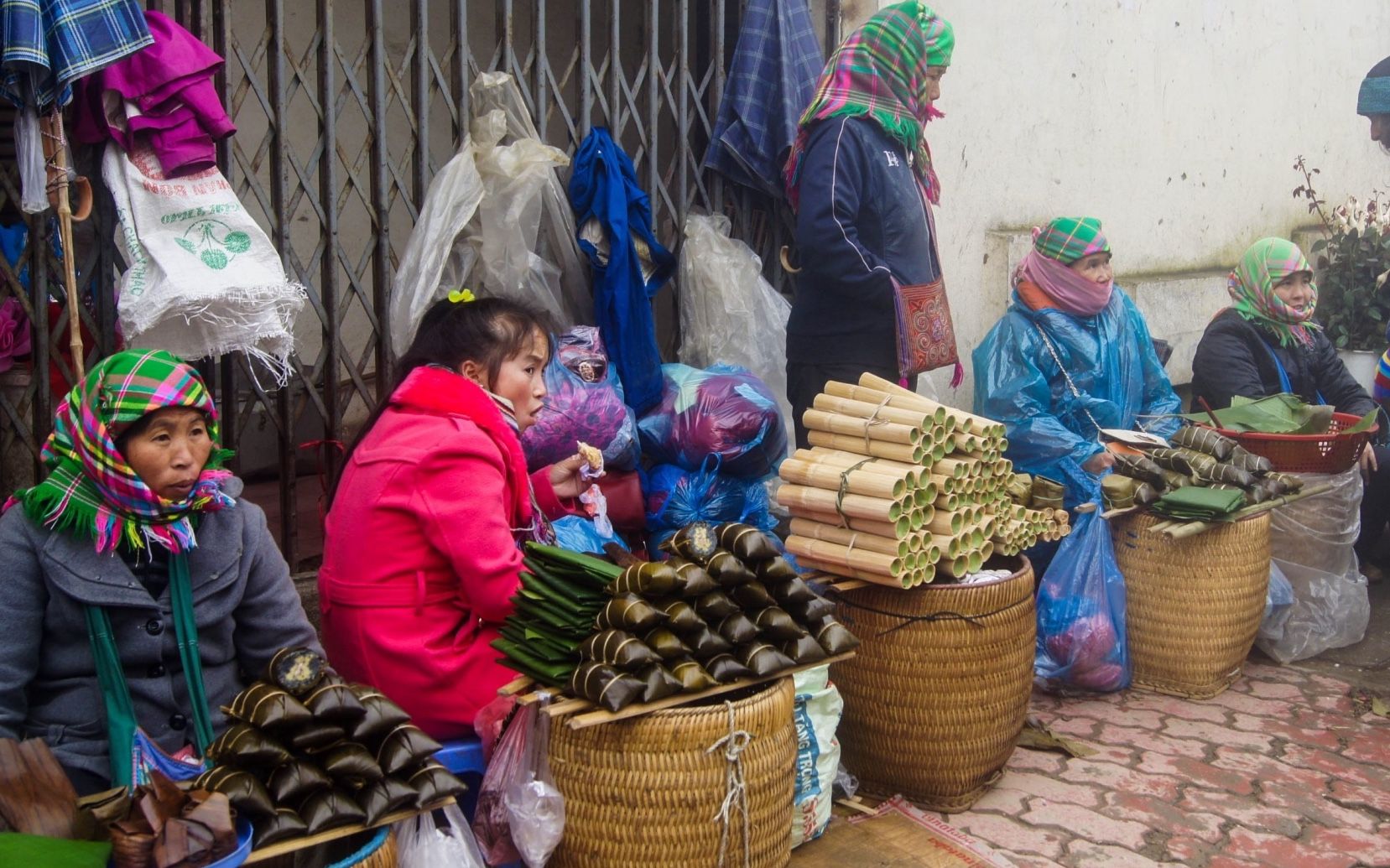
Try the Sapa spring rolls, fresh, grilled and filled with veggies. You can also spot other snacks like sticky rice wrapped in banana leaves or in bamboo tube, little rice cakes, and a variety of Vietnamese fruit. You can also follow locals, sit in the small plastic chair, order anything from chicken BBQ to rice and noodles and eat it right in the street. If you’re in Sapa, you should give a street food a good try.
Drinks
Another great thing about Sapa is the abundance of small cafes where you can enjoy ca phe sua da (Vietnamese coffee with condensed milk). You won’t struggle to find a nice spot to sit down, rest your feet, and enjoy a refreshing drink.At night, you can discover local bars in Sapa with pool tables and foosball at the bottom of Cau May Road. If you need a late-night beer, you’ll find one or two places, but most will close by 11 PM. Many local eateries offer rice-wine and other local wines, upon request.
Nightlife
Forget about disco and bar and late night dancing when while Visiting Sapa, It’s true that the small town is not familiar with modern nightlife, however, with the growing tourism and probably a demands, there are few Karaoke places, bars to get few beers and cocktails and a number of massage parlors around the center of Sapa.
- Check out Vietnamese Massage
Best ways to get to Sapa
Sapa does NOT have an Airport and the closet international airport is Noi Bai International Airport (HAN), in Hanoi. To travel to Sapa by overnight train, bus, VIP van or car. There are several options for anyone with any budget and traveling style in mind.
The distance from Hanoi to Sapa is 319 KM (200 miles). Here are the few best ways to get you to Sapa from Hanoi in 2025
Overnight Trains to Sapa
The 8 hours train journey from Hanoi to Lao Cai (the nearest train station, 35 km to Sapa), plus an additional 1 hour bus / car travel to the center of Sapa town. The most popular mods of transportation is to take an overnight sleeper train from Hanoi to Sapa. The train has benefits and drawbacks. Overall, it’s a dependable and safe mode of transportation and a very affordable way to travel.
Several trains run from Hanoi to Sapa every night, plus a few hat depart in day time – all operated by state-run Vietnam Railways. Each train features standard Vietnam Railways carriages and some more luxurious ones from private companies. The cheapest tickets are for the regular carriages on the Sapa Reunification Express.
Hanoi to Sapa by bus
Several buses travel from Hanoi to Sapa during the day and you can book them either online or simply ask your hotel guy and that is included a free pick up from your hotel. The bus journey from Hanoi to Sapa takes around 6 hours and actually many travelers and backpackers would prefer the overnight sleeper bus.
The buses travel through CT05, the Hanoi- Lao Cai express way, and generally the bus drivers are experienced enough and they ride with limited speed, so the bus travel feels safe and accommodations.
Hanoi to Sapa by Limousine Van
The limousine van is probably the quickest and the most comfortable way to get yourself to Sapa in less than 5 hours. The Van limousine services are run pretty much anytime from 6Am through 3PM and the tickets are around 500k-600k and it is included a free water and a snack. The minivans are featuring comfortable seat, USB charging ports, WIFI and in Hanoi, they usually pick passenger up at Hanoi’s old quarter.
Itinerary for Sapa
Sapa Town, Cat Cat/Ta Phin Village, Silver Waterfall, Love Waterfall, Stone Church
Spend the day exploring Sapa. Start with sunrise views and a visit to Sapa market around 6 a.m. Enjoy breakfast at your hotel from 7 to 8 a.m., then take a private car to Cat Cat/Ta Phin village. Explore the villages from 8 a.m. to noon, then have lunch at local restaurants.In the afternoon, head to Silver Waterfall and Love Waterfall. Enjoy the beautiful scenery overlooking the whole region, then return to Sapa town. Take an hour to relax and shop before dinner at Do Quyen restaurant from 7 to 9 p.m. Afterward, enjoy coffee or visit the stone church.
Mount Fansipan, O Quy Ho, Ham Rong Mountain
On the second day, enjoy the Mt. Fansipan, the highest in Vietnam and Indochina. Leave Hotel at 8 a.m. for the cable car. Spend the morning enjoying the views from the mountain until noon. Have lunch at a local restaurant.Next, visit O Quy Ho and Ham Rong Mountain, which are close together, making it easy to explore both in the afternoon. These stunning locations offer fantastic photo opportunities.
Sapa Trekking with Local Guides: Explore the Mountains
For an authentic Sapa experience, the best way to explore its hidden corners, ethnic villages, and cultural traditions is to join a well-organized guided trekking tour.
Many travelers book affordable Sapa trekking tours upon arrival—often on the bus—and these typically include short hikes around the town and an overnight stay at a homestay in the guide’s native village.
While this option is budget-friendly and the local guides provide valuable insights, the routes sometimes fall short in showcasing the most scenic trails or untouched cultural sites.
How to Choose the Best Trek?
Since you’re here, focus on Sapa trekking tours that highlight the authentic beauty of the rice terraces and immerse you in the real daily life of Vietnam’s ethnic minorities. After years of exploring and mapping new trekking routes in Lao Cai province, I’ve identified three golden rules for choosing a high-quality, authentic Sapa tour:
1. Venture Beyond Sapa Town
Start your trek at least 20 minutes from the center of Sapa. This simple shift helps you avoid nearly 60% of the overused tourist trails and reveals more pristine landscapes.
2. Know the Trekking route in advance
Always ask for detailed information about the villages you’ll visit, your accommodations, the daily itinerary, and total cost. In addition, ensure your tour engages respectfully with locals and protects the environment—responsible tourism starts with your choices.
3. Choose an experienced guide through a tour agency
Know the details of the trek, the difficultly level and places to stop, visit, how flexible is the trek and how long does it take, also, book with a reputable tour operator (I strongly recommend to book I advance.)
How much is a trek in Sapa?
Trekking tours in Sapa generally cost between €35 and €70 per person, per day. Rates depend on the route, length, and quality of homestay or accommodation.
Cheap trekking tours in Sapa
If you’re looking for cheap trekking in Sapa, you’ll likely find tours starting directly from the town center and heading to the most popular tourist spots. These cost around €35 to €50 per person per day. However, I recommend avoiding them.
These low-cost treks often take you to overcrowded places like Cat Cat Village or the city outskirts and rarely follow even one of the three golden rules for authentic Sapa trekking. While many travel blogs recommend them, that’s usually because they haven’t explored better alternatives. After completing over 100 trips in the region, I can confidently say these tours miss the true essence of Sapa’s natural and cultural richness.
Best Treks in Sapa
Conversely, the best treks in Sapa typically cost between €50 and €80 per person per day. These excursions explore remote villages and untouched trails deep in Lao Cai province, far from the tourist crowd.
Most of these treks include transport by minivan or private car to a starting point well outside Sapa. Once you leave the busy town behind, you’ll immediately feel the difference in scenery, atmosphere, and local interaction—this is where authentic trekking in Sapa truly begins.