
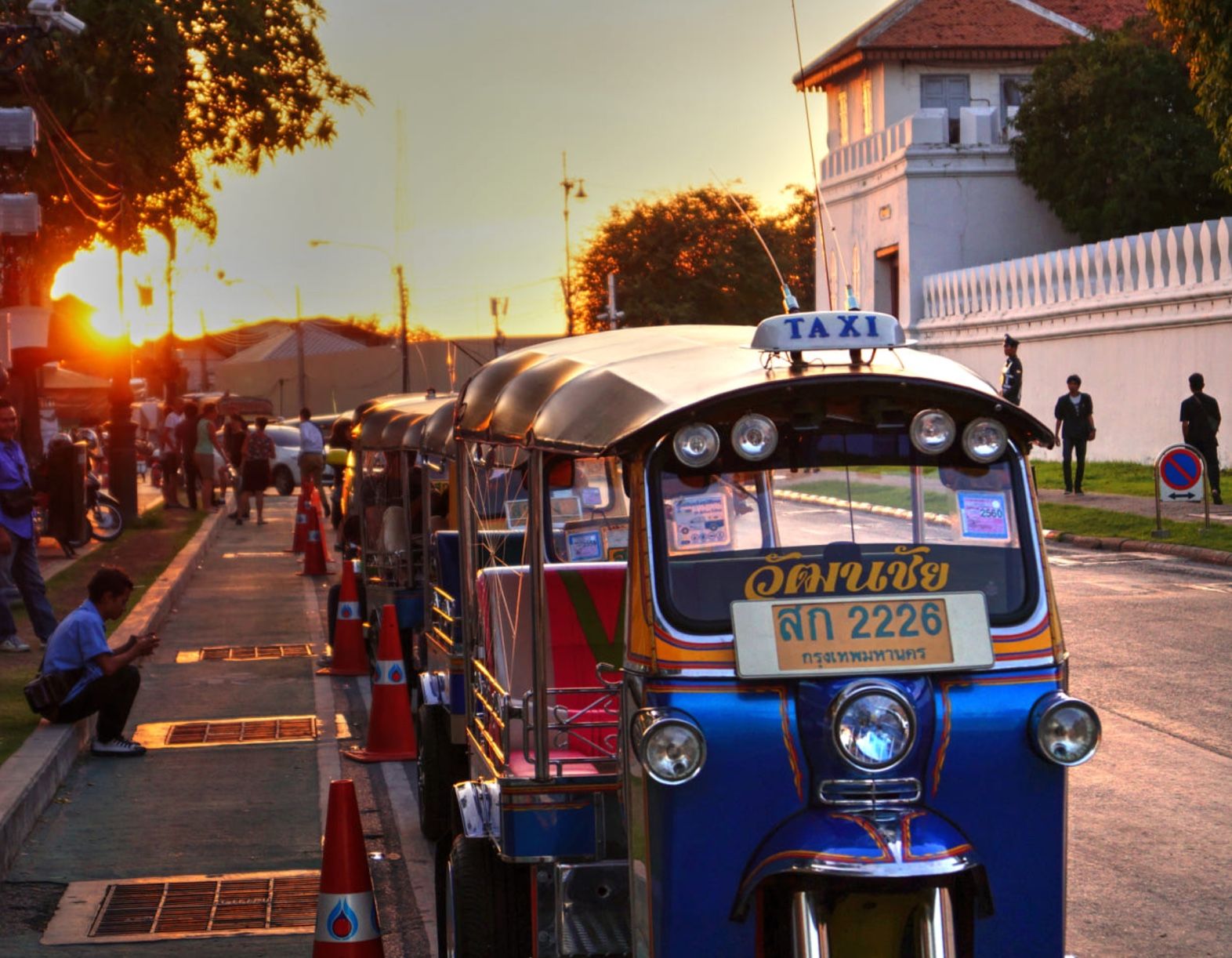

Tucked away in Vietnam’s far northeast, the Cao Bang Loop offers an adventure along the stunning landscapes across the region. You’ll ride through towering limestone mountains, pass clear lakes and roaring waterfalls, and stop in peaceful villages home to many ethnic groups. Unlike the busy streets of Hanoi or the crowds in Ha Long Bay, this loop brings you closer to Vietnam’s untouched beauty and deep-rooted traditions. If you’re looking for an off-the-beaten-path adventure and a taste of authentic local life, the Cao Bang Loop is the perfect route.
Cao Bang Vietnam: A Travel Guide
The Cao Bang offers a stunning journey through Northern Vietnam’s mountains, waterfalls, and hidden ethnic villages. Whether you’re drawn to nature, local heritage, or cultural immersion, this scenic loop gives you a chance to explore peaceful landscapes and connect with rural life. You can ride past towering limestone cliffs, visit the famous Ban Gioc Waterfall, and stop by traditional markets filled with local crafts and flavors. This travel guide walks you through must-do experiences, practical tips, and everything you need to know before planning your Cao Bang adventure.
- Check out Ultimate guide to Ha Giang Loop

Must-Do Experiences in Cao Bang, Vietnam (Including the Loop)
1. Ban Gioc Waterfall: The Crown Jewel of Northern Vietnam
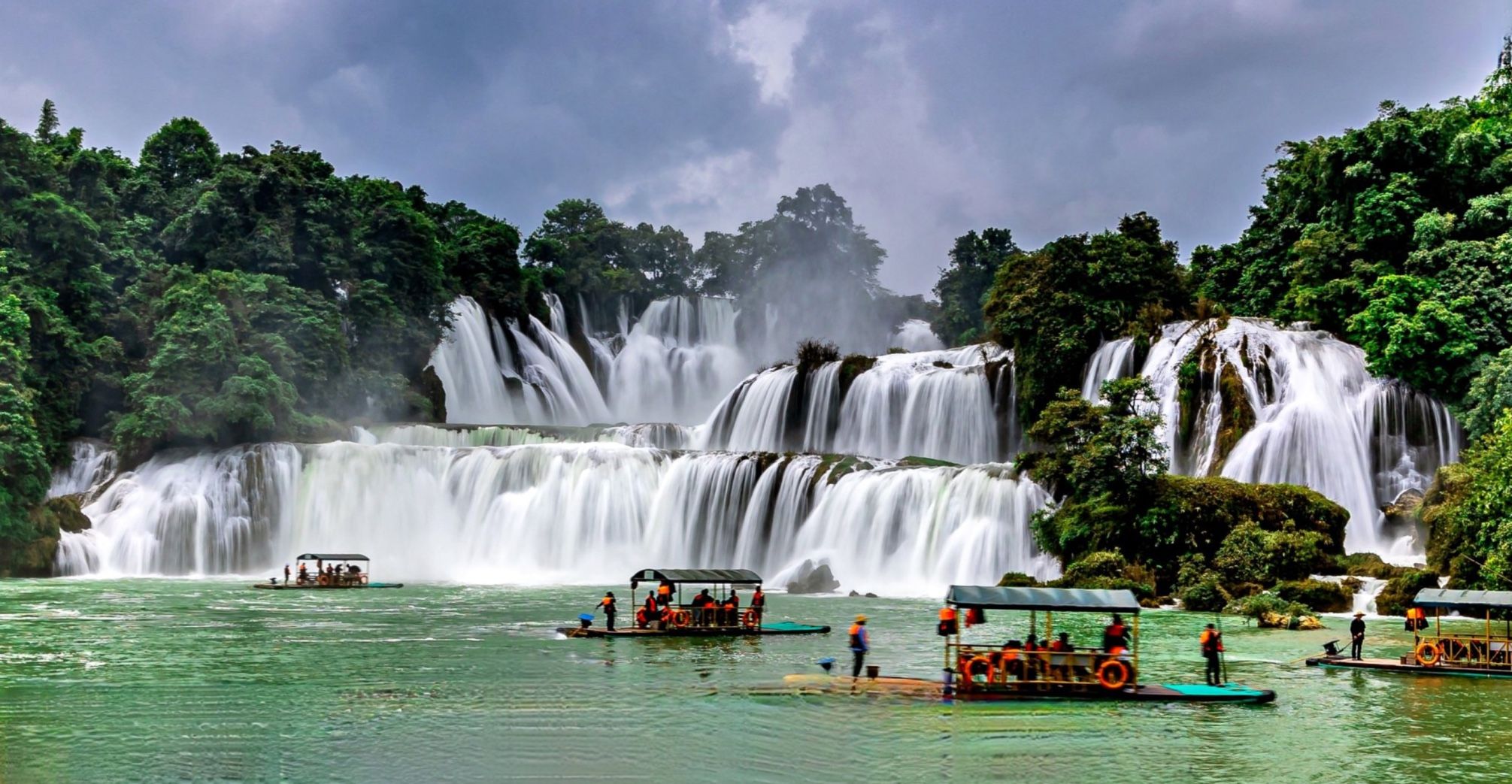
Located near the border with China, Bản Giốc Waterfall is arguably one of the most magnificent natural wonders in Vietnam. Measuring over 200 meters wide and 30 meters high, it’s the fourth largest waterfall in the world that sits between two countries. With water crashing down layered limestone cliffs into a turquoise river, the setting feels both surreal and cinematic.
The best time to visit Ban Gioc is during the late rainy season, from August to October when the waterfall is at its most powerful. You can hire a bamboo raft to float near the base and fully experience the cooling mist and roaring sound. Entrance tickets cost around 45,000 VND, and bamboo boat rides are about 50,000–100,000 VND depending on the season.
- Check out Ban Gioc waterfall Travel guide
2. Trúc Lâm Phật Tích Pagoda: Serenity Above the Falls
Perched on a nearby hill overlooking Bản Giốc, Trúc Lâm Phật Tích Pagoda is a peaceful Buddhist sanctuary built in traditional Vietnamese style. The view from the pagoda is spectacular, with waterfalls on one side and rolling karst mountains on the other.
Climb the stone steps past ornate gates and bonsai gardens to explore the temple grounds, which feature statues of Buddha and other deities, prayer halls, and scenic terraces. It’s free to enter, and early morning or sunset visits are especially tranquil.
3. Nguom Ngao Cave: The underground discovery
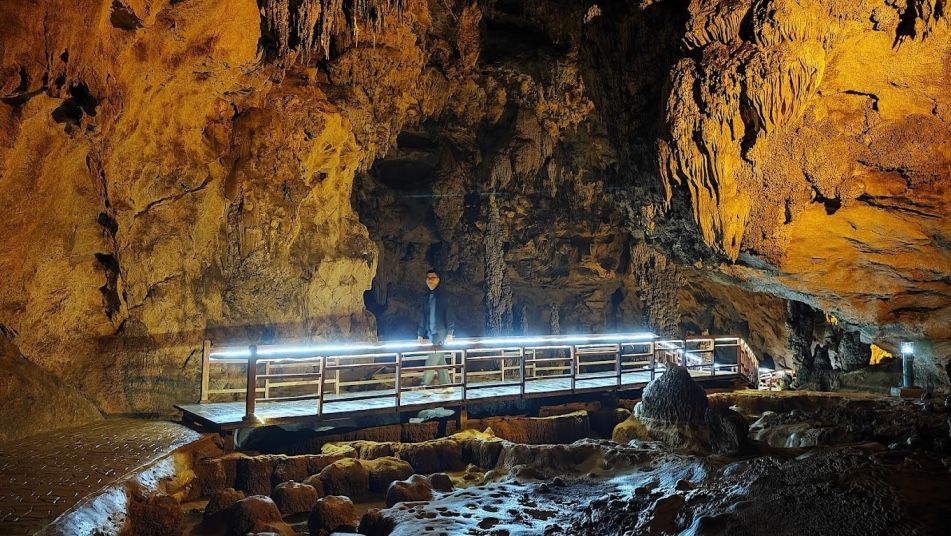
Roughly 3 kilometers from Ban Gioc Waterfall lies the captivating Ngườm Ngao Cave, a limestone cavern carved over millions of years. Spanning more than two kilometers, though only about 1 kilometer is accessible to tourists, it features impressive stalactites and stalagmites shaped like lotus blossoms, tigers, and mythical figures.
The cave maintains a year-round cool temperature, making it a perfect escape from the midday heat. Entrance fees are around 40,000 VND, and guided visits are recommended for safety and storytelling.
4. Thang Hen Lake System: Untouched Mountain Magic
Set deep within Trà Lĩnh District, the Thang Hen Lake System is a maze of over 30 interconnected lakes that lie at various altitudes. The lakes are especially magical during the rainy season when they overflow and merge into a single vast body of water reflecting the surrounding cliffs and forests.
You can explore the area by motorbike or small boat, stopping to picnic by the water or visit nearby minority villages. Few tourists venture here, making it a peaceful place for hiking, photography, or camping. Don’t forget to bring snacks and water, as amenities are limited.
5. Discover ethnic minority cultures
Cao Bang is home to a rich mix of ethnic communities, including the Tày, Nùng, Dao, H’mong, and Lô Lô peoples. In many parts of the province, you’ll see traditional stilt houses, handwoven clothing, and terraced rice fields.
One of the most meaningful ways to explore these cultures is through local homestays, where you can experience daily life, share meals, and learn traditional crafts. If your visit aligns with festivals like Lồng Tồng (Crop Praying Festival) or Kỳ Sầm, you’ll be treated to traditional dances, folk songs, and delicious feasts.
6. Cao Bang City: Where Culture Meets Convenience
Though relatively small, Cao Bang City serves as a convenient base for your adventures. The city blends local charm with essential tourist amenities, clean hotels, ATMs, markets, and transportation hubs.
The central streets are dotted with cafes, local food stalls, and scenic spots like the Bằng Giang River, where you can enjoy riverside walks. Visit the Cao Bang Museum for an overview of the province’s ethnic groups and resistance history.
7. The Night Market: A Taste of Local Life
In the heart of the city, the Cao Bang Night Market springs to life after dark. It’s a perfect place to sample authentic northern dishes like bánh cuốn Cao Bằng (steamed rice rolls with pork and wood ear mushrooms served with bone broth), grilled pork skewers, and sticky rice sweets.
Beyond food, you’ll find locally made textiles, souvenirs, and traditional tools. The market is open nightly from around 6:00 PM to 10:00 PM, and it’s best to visit early for the freshest eats.
- Check out Vietnam’s night markets
8. Pac Bo Historical Complex: Tracing Vietnam’s Revolutionary Path
In Hà Quảng District, about 55 kilometers from the city, lies the Pac Bo Historical Complex, a solemn and beautiful site marking Hồ Chí Minh’s return to Vietnam in 1941 to lead the independence movement.
Explore Cốc Bó Cave, where he lived and worked, the Lenin Stream, and memorial monuments surrounded by peaceful hills. The area is well-maintained and offers interpretive signage. Entrance fees are modest, around 20,000 VND, and local guides add depth to the experience.
Mat than Mountain: The “Eye of the Mountain”
Tucked into the Thang Hen Lake area, Mắt Thần Mountain, or “God’s Eye Mountain,” is named for the large circular hole that pierces its limestone peak. This geological wonder looks like a mythical portal and has become a photographer’s dream.
Surrounded by lush fields and herds of cattle, it’s a beautiful setting for hiking or camping. Visiting during sunrise or sunset casts dramatic light through the mountain’s “eye,” making the view even more otherworldly.
Cao Bang Travel Tips
Hanoi to Cao Bang
Cao Bang is about 280–300 kilometers from Hanoi. The most common way to travel is by sleeper bus, which takes about 6–8 hours and costs around 200,000–300,000 VND. Reputable operators include Thanh Ly, Hưng Thành, and Sao Việt.
For more comfort, consider a limousine van with reclining seats, or hire a private car with a driver, ideal for families or groups. Public transportation is limited once you arrive, so planning your route in advance is helpful.
Riding the Cao Bang Loop
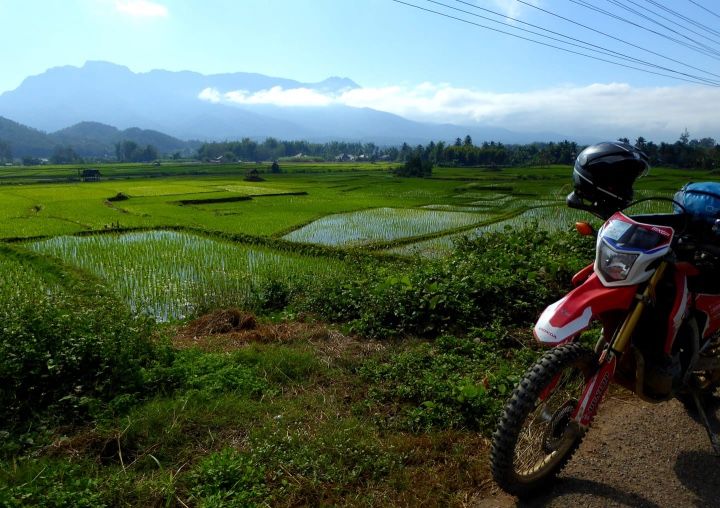
The best way to explore Cao Bang is by motorbike, which you can rent in the city for around 150,000–200,000 VND/day. This gives you access to remote attractions like Ngườm Ngao Cave and Mắt Thần Mountain.
Alternatively, hire a local driver or join a guided tour for convenience and local insight. Taxis and xe ôm (motorbike taxis) are available in the city but may be harder to find in rural areas.
The best time to go
Cao Bang enjoys a cool mountainous climate year-round, but the best time to visit is from September to November when the rice fields turn golden, waterfalls are full, and the weather is dry and clear.
Spring (February to April) is also beautiful, with blooming flowers, green landscapes, and comfortable temperatures. Avoid the peak of the rainy season from May to August, when travel can be disrupted by floods or slippery roads.
- Check out the best time of the year to visit Vietnam
What to eat in Cao Bang, Vietnam?
Northern Vietnam’s cuisine is light, fragrant, and earthy, and Cao Bang’s food is no exception. Try bánh cuốn Cao Bằng, Cao Bang’s version of steamed rice rolls distinguishes itself with a sweet bone broth accompaniment, setting it apart from traditional varieties. Unlike others, these rolls exclude wood-ear mushrooms and dried shallots, offering a unique and delightful taste. Also, Lạp xưởng (smoked sausage) is a local delicacy, often made with lean pork, honey, and fermented rice wine.
Another must-try is vịt quay 7 vị, roasted duck seasoned with seven mountain herbs, then slowly grilled over charcoal. For something unique, sample mèn mén, a cornmeal dish of the H’mong people, often paired with dried buffalo meat.
- Check out must try Vietnamese foods
Where to stay in Cao Bang?
In Cao Bang, Vietnam, accommodation options cater to a range of preferences, ensuring a comfortable and immersive stay for every type of traveler. Hotels and homestays are the two most popular options.
Guesthouses and hotels in Cao Bang, Vietnam provide modern amenities, offering convenience and easy access to local attractions and dining. You can tailor your stay to your liking by selecting from an array of room categories and services that accommodate various preferences and budgets.
These accommodations offer privacy, traditional comforts, and a safe stay—perfect for travelers, specially for solo females.
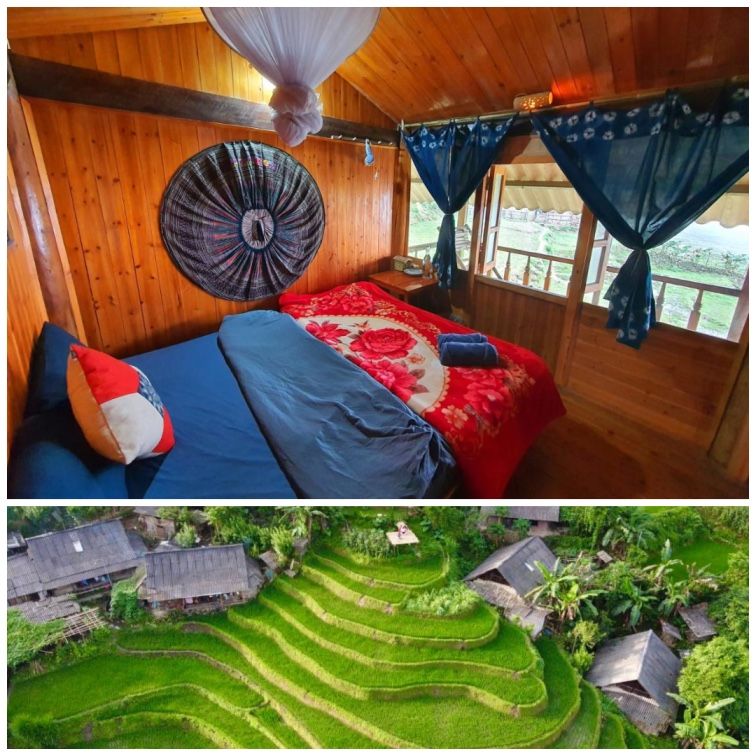
For a more immersive experience, Cao Bang eco homestays in ethnic minority villages like Tay and Nung offer the chance to engage with locals, share meals, and delve into traditional customs. These rustic yet charming accommodations grant insight into authentic rural lifestyles, catering to travelers seeking a genuine connection with local culture and a unique, personalized stay.
Bottom line: Should you go to Cao Bang, Vietnam for the loop?
Cao Bang doesn’t appear on every traveler’s radar—and that’s exactly what makes it so special. Adventure blends with serenity, history meets untouched nature, and culture thrives in every valley and village. Whether you’re marveling at the power of Ban Gioc Waterfall, exploring hidden caves, or sipping tea with a Tay family in the hills, Cao Bang offers a journey straight into the heart of Vietnam.
- For more ideas, check out one month Itinerary for Vietnam
The Cao Bang Loop ties it all together, leading you through dramatic landscapes and truly local experiences. If you’re ready to go beyond the ordinary, Cao Bang offers more than just sights—it shares stories shaped by nature and the people who live here.