


Vietnamese is the spoken language in Vietnam, also called Tiếng Việt, is the official and most widely spoken language in the country. Around 85% of the population—about 80 million people—use it as their first language. Moreover, you’ll hear it everywhere, from busy city streets to quiet villages, making it essential for anyone visiting or learning about Vietnam.
Official Language of Vietnam: What Do People Speak?
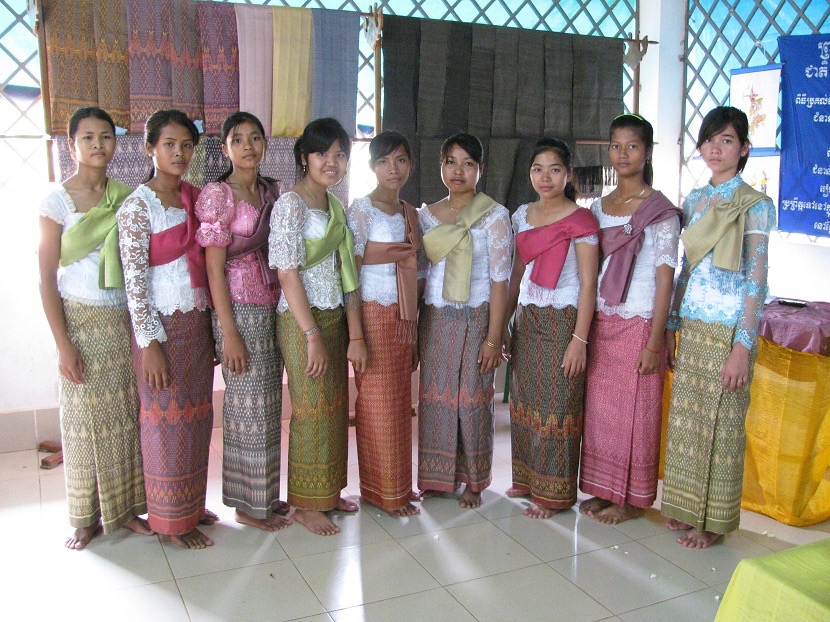
Vietnamese is the main language spoken in Vietnam. About 85% of people—around 80 million—speak Vietnamese (Tiếng Việt) as their first language. Still, Vietnam is home to many other languages like Tay, Khmer, H’Mông, Cham, Nung, and Mường. If you plan to visit Vietnam, knowing a bit about these languages will help you enjoy the culture even more.
- Check out Easy Vietnamese Phrases for your visit
Many travelers think French is still widely spoken in Vietnam because of the country’s colonial history. The French ruled Vietnam from the 1880s for over 60 years, and you can still see their influence in the food (like the famous Banh Mi, the Sandwich), architecture, and old buildings—especially in cities like Hanoi and Ho Chi Minh City. However, French is rarely spoken today, even by older generations.
Instead, English is now the most common foreign language in Vietnam, especially among students, young professionals, and people working in tourism. While not everyone speaks it fluently, many locals can hold simple conversations in English to help travelers. Over time, Vietnam has been shaped by many outside influences—from Chinese rule and French colonization to Russian ties and now global tourism—and you’ll notice this mix in its languages, culture, and daily life.
| Ethnic Group | Percentage (%) |
|---|---|
| Vietnamese (Kinh) | 85.7% |
| Tay (Tho) | 2.0% |
| Thai | 1.9% |
| Muong | 1.5% |
| Khmer | 1.4% |
| Nung | 1.1% |
| Hoa (Chinese) | 1.1% |
| Miao (Hmong) | 1.0% |
| Other ethnic groups | 4.3% |
What are the other dialects spoken in Vietnam?
Vietnamese is spoken in different ways across the country, depending on the region. There are three main dialects: Northern, Central, and Southern.
- People in the north—especially in cities like Hanoi, Haiphong, and Hai Duong—use the Northern dialect, which is also taught in most schools.
- In the South, places like Ho Chi Minh City, Can Tho, and Ben Tre use the Southern dialect. The main differences between these two are in how people pronounce certain sounds and use some vocabulary.
- Meanwhile, the Central dialect—spoken in cities such as Hue, Da Nang, and Hoi An and cities around that areas—can be tricky, even for native Vietnamese from other regions. That’s why it’s rarely used in language classes for foreigners.

Do Vietnamese People Speak English?
Yes: In big cities like Hanoi, Ho Chi Minh City, and Da Nang, many people speak English—especially in hotels, restaurants, and tourist areas. So, if you’re wondering “Can I travel Vietnam with English only?”—the answer is mostly yes. You can get by with English in most urban and tourist-friendly places.
English is becoming more important in Vietnam, especially with the rise of tourism and global business. That’s why Vietnamese schools now teach English as a required subject. As a result, many young people and office workers can speak basic English.
However, in smaller towns or rural villages, fewer people speak English. If you don’t speak Vietnamese, try asking younger locals or students—they’re often more comfortable speaking English thanks to their school education.
How hard is it to learn the Vietnamese language?
Vietnamese can be challenging for many learners, especially at the beginning. While the language offers some learner-friendly features, its tonal nature and pronunciation can be tricky. So, how difficult is it to learn Vietnamese? The answer depends on your language background, learning goals, and how much time you spend practicing.
What Makes Vietnamese Easy to Learn?
Despite its reputation, several parts of Vietnamese are actually quite simple:
- Vietnamese uses no verb conjugations or plural forms — the tense stays the same.
- No grammatical gender — unlike French or German, Vietnamese doesn’t assign gender to nouns.
- Short and simple words — most words are just one or two syllables.
- Latin alphabet — Vietnamese uses the same alphabet as English with added accent marks, so you don’t need to learn a new script.
- Consistent grammar — sentence structure is clear and mostly logical.
What Makes Vietnamese Hard?
The biggest challenge in learning Vietnamese is the pronunciation. Vietnamese is a tonal language, which means the pitch or tone of your voice changes the meaning of a word completely. For example, take the word “bo” — depending on the tone, it can have many different meanings:
- bo = to give up
- bò = cow
- bỏ = to drop or abandon
- bô = potty (as in toilet for kids)
- bố = father
- bơ = avocado or to ignore (slang)
Even though these words look almost the same, native Vietnamese speakers instantly understand them by tone. That’s why precision matters. Mastering tones may take time, but you need them to make yourself clear.
Other things that make Vietnamese tricky to learn
Vietnamese uses 19 consonants and 11 vowels, which gives it far more sounds than many other languages. When you combine those sounds with six tones, the number of possible syllables adds up quickly. For comparison, Japanese has only about 100 syllables.
Vietnamese uses 19 consonants and 11 vowels, which gives it far more sounds than many other languages. When you combine those sounds with six tones, the number of possible syllables adds up quickly. For comparison, Japanese has only about 100 syllables.
Take a look at Vietnamese alphabet
| Vietnamese Alphabet | |||||||||||
|---|---|---|---|---|---|---|---|---|---|---|---|
| a | ă | â | b | c | d | đ | e | ê | g | h | i |
| k | l | m | n | o | ô | ơ | p | q | r | s | t |
| u | ư | v | x | y | |||||||
| ph | ch | tr | qu | gi | th | ||||||
| kh | ng | nh | |||||||||
Simple Vietnamese Words Every Tourist Should Know
Learning a new language is never easy—especially one as unique as Vietnamese. But picking up a few basic phrases can go a long way when traveling around the country. It’s a great way to break the ice, connect with locals, and even earn a few smiles. Some Vietnamese words that may come in handy for every tourist include greetings, polite expressions, and common travel questions. Here are some useful phrases to know before your trip:
| English | Vietnamese | Pronunciation | Audio |
|---|---|---|---|
| Hello | Xin chào | Sin chow | 🔊 Listen |
| Thank you | Cảm ơn | Gahm uhn | 🔊 Listen |
| Yes | Vâng | Vuhng | 🔊 Listen |
| No | Không | Khom | 🔊 Listen |
| How much? | Bao nhiêu tiền? | Bao nyew tien? | 🔊 Listen |
| Where is the toilet? | Nhà vệ sinh ở đâu? | Nha veh sinh uh dow? | 🔊 Listen |
| Goodbye | Tạm biệt | Tahm byet | 🔊 Listen |
| Excuse me / Sorry | Xin lỗi | Sin loy | 🔊 Listen |
| Delicious | Ngon | Ngawn | 🔊 Listen |
| Help! | Cứu với! | Kooh voy! | 🔊 Listen |
Bottom line: Language in Vietnam
So now that you know the basics about Vietnamese language, there’s no reason to feel nervous about booking your trip to Vietnam. Don’t stress too much about the language barrier — people speak English enough, especially in major cities and tourist areas.
In the end, learning a few Vietnamese words can go a long way. It helps you connect with the people, shows respect for the local culture, and makes your travel experience even more rewarding. Start planning your trip today and check out Vietnam tours packages