

Vietnamese culture emphasizes deep respect, especially toward elders and family members. Additionally, the society values strong community ties and clear social hierarchies. When greeting someone, most Vietnamese people bow or nod instead of shaking hands. Before entering a home, guests remove their shoes as a sign of respect. Moreover, modest clothing is expected, particularly when visiting pagodas, temples, or other religious sites. Public displays of affection remain uncommon and are often frowned upon, especially in rural or traditional areas.
Understanding Vietnamese Culture & Traditions
One of the world’s oldest, has evolved over nearly 4,000 years. While some claim Chinese influence, studies suggest Vietnam’s culture developed independently alongside China. Tracing back to ancient Nam Viet and the Dong Son culture of the Bronze Age, Vietnam’s cultural roots share traits with Han Chinese traditions. Over its history, Vietnam experienced dynasties like Trieu, Dinh, Ly, Tran, and Le, paralleling China’s Han, Tang, Song, and Yuan eras. Chinese occupation, beginning in 111 BC and lasting over a thousand years, introduced Confucian philosophy, governance, and artistic influences to Vietnamese culture.
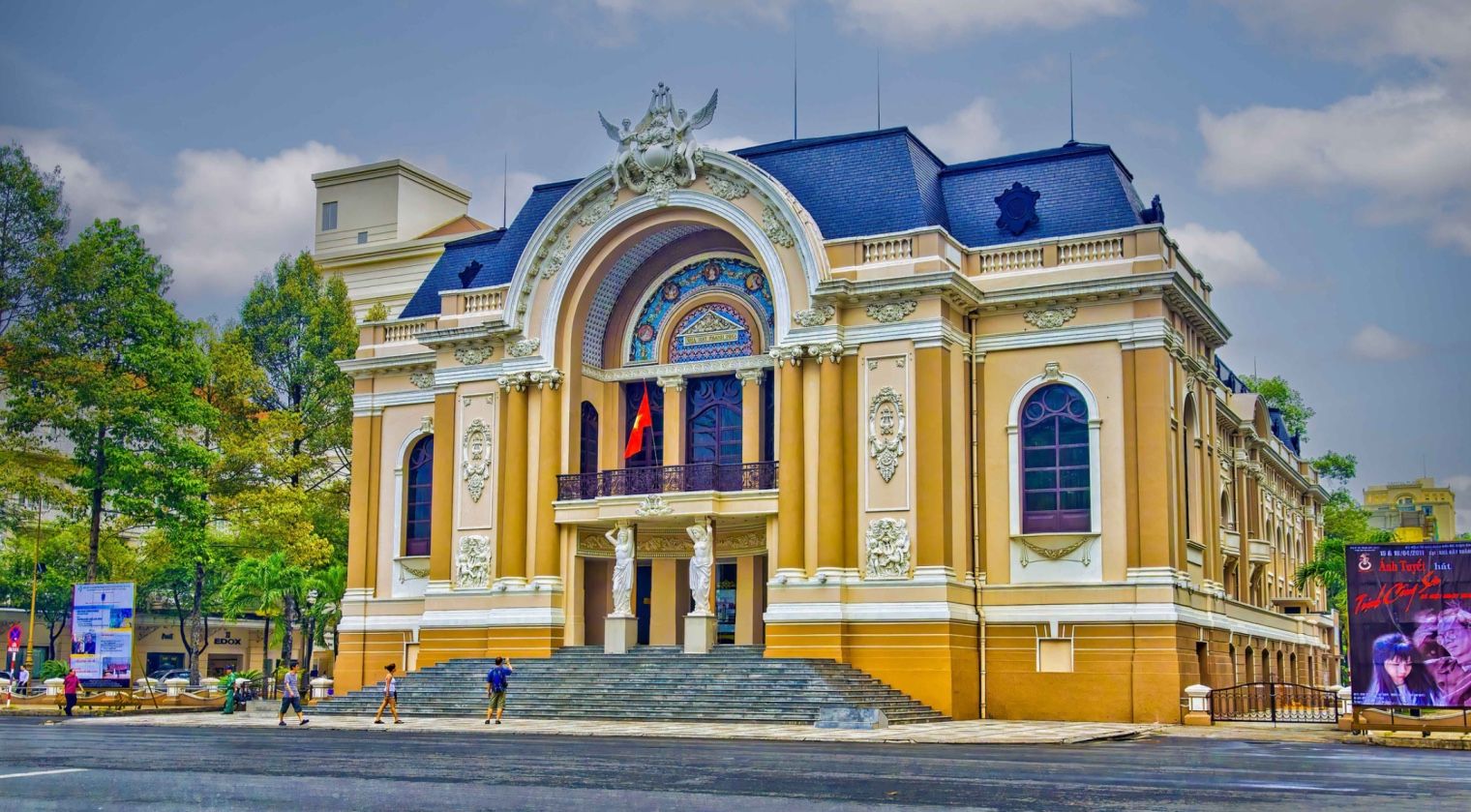
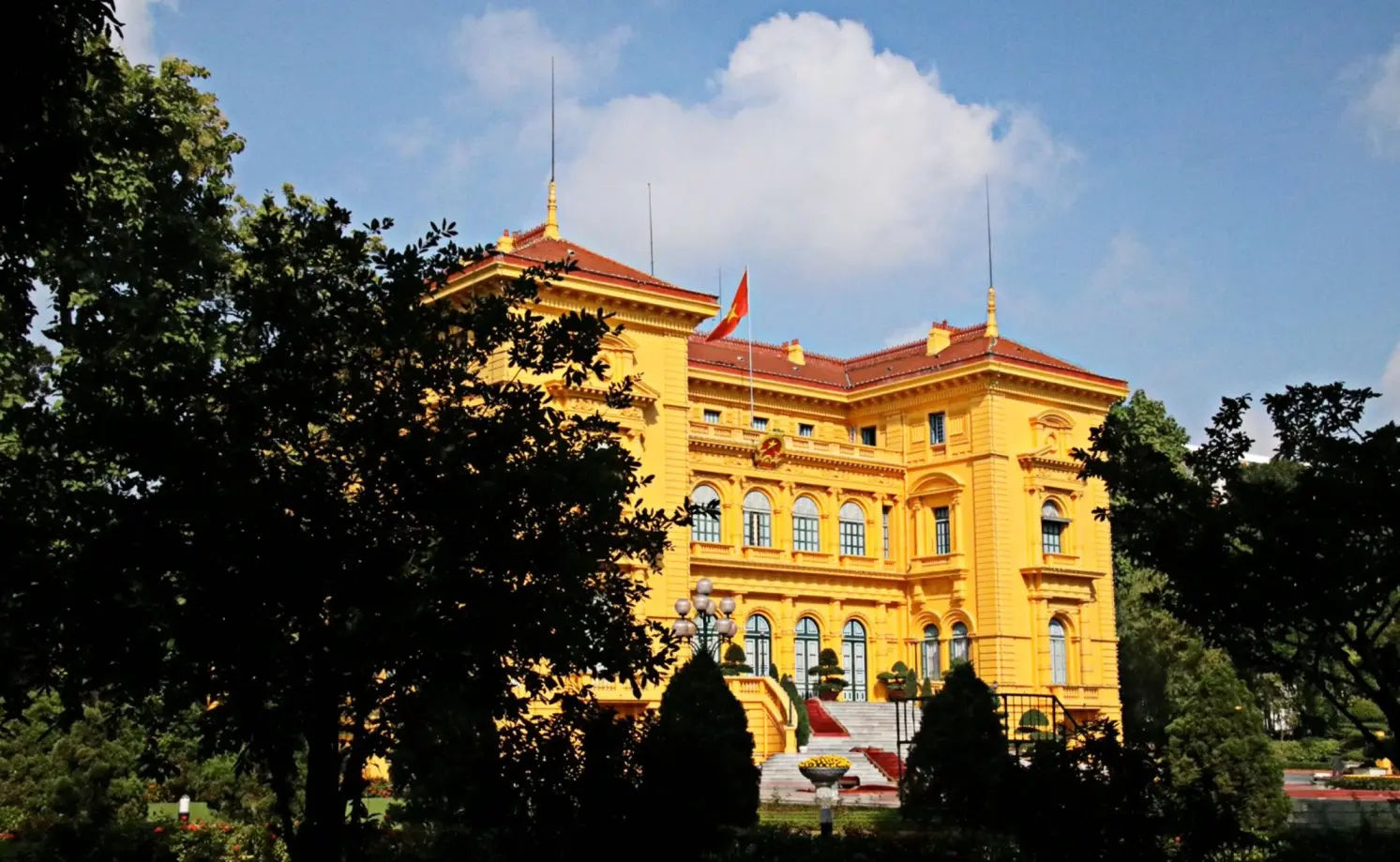
After gaining independence from China in the 10th century, Vietnam’s imperial dynasties thrived, expanding southward and incorporating Champa and Khmer territories, shaping regional cultural differences. During French colonization in the 19th century, Vietnam adopted European influences, including architecture, Catholicism, and the Latin alphabet, replacing traditional Chinese and Nom scripts as the official writing system.
17 Fascinating Cultural Values In Vietnam
This deeply values family, with strong bonds across generations and duties to nurture the young and honor elders. Multi-generational households reflect this importance. Respect for elders, food as a cultural symbol, and calm demeanor are central values. Confucian principles shape loyalty, harmony, and moral conduct, guiding much of Vietnamese life. Here are 17 values on Vietnamese culture to know;
1. The Cultural Significance of Vietnamese Cuisine
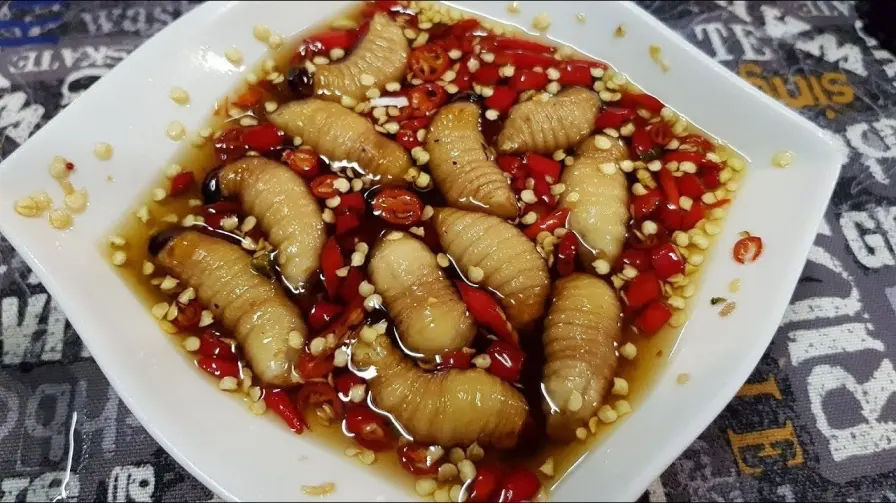
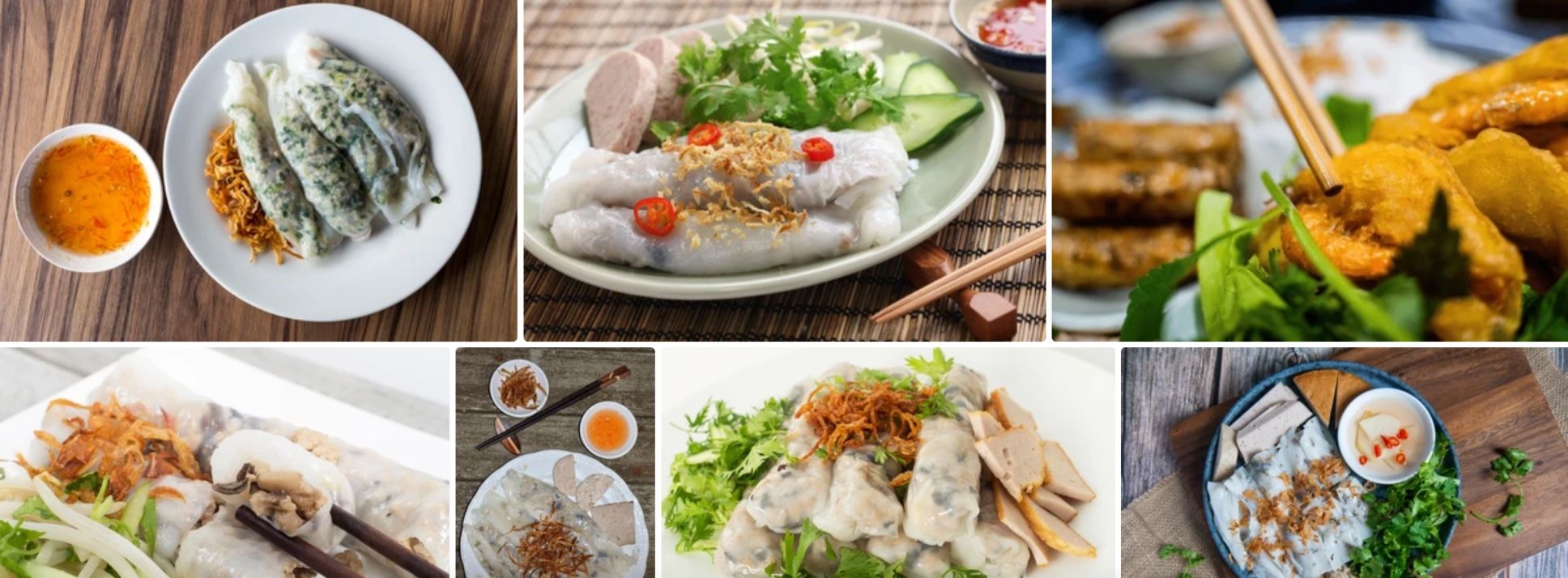
Vietnamese cuisine is culturally varied – there are said to be nearly 500 different traditional dishes that include exotic meats (but think twice before you eat a rare animal) and fantastic vegetarian creations (often prepared to replicate meat and fish dishes). However, the staple of Vietnamese cuisine is plain white rice dressed up with a plethora of vegetables, fish (which is common in Vietam), meat, spices and sauces.
Spring rolls, noodles and steamed rice dumplings are popular snacks, and the ubiquitous soups include eel and vermicelli, shredded chicken and bitter soups. Fruit is abundant; some of the more unusual ones include green dragon fruit, jujube, khaki, longan, mangosteen, pomelo, three-seed cherry and water apple. Vietnamese coffee (ca phe phin) is very good; it’s usually served very strong and very sweet.
2. The Traditional costumes
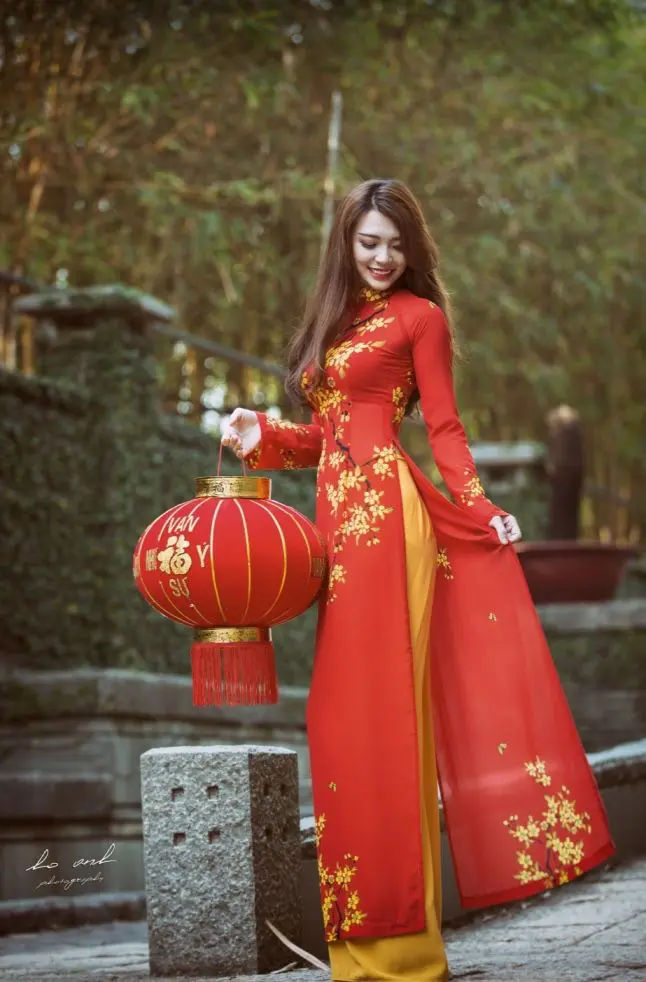
Vietnam’s 54 ethnic groups have unique traditional costumes, each reflecting their culture and identity. Traditional Vietnamese clothing evolved over time, influenced by the preferences of regional rulers. Before the Nguyen Dynasty, people had more freedom in their attire. However, during the Nguyen era, strict regulations dictated the styles and colors permitted for commoners.
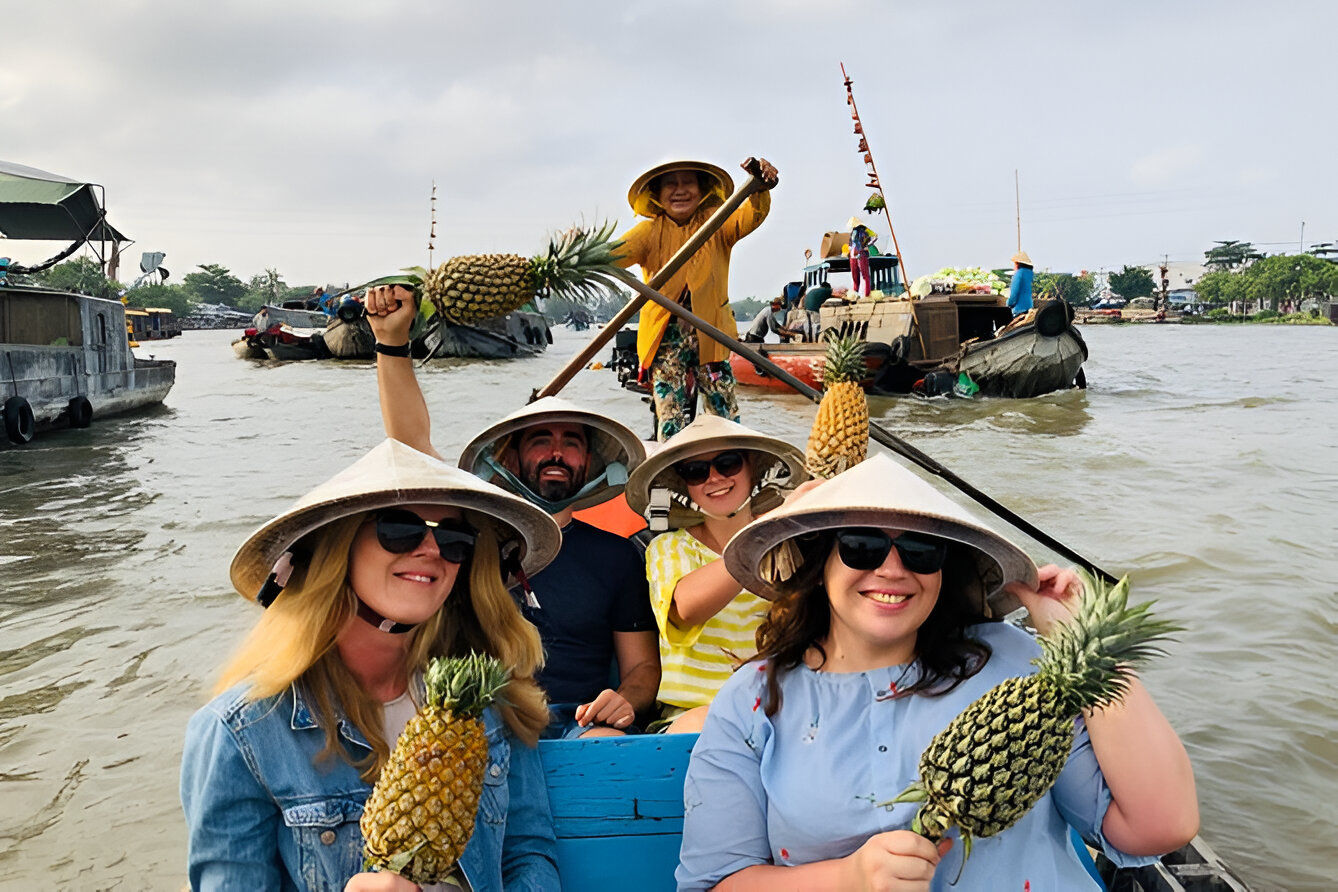
Examples of national costumes include the Áo giao lĩnh, a cross-collared robe for men, and the Áo Tứ Thân, a four-part dress for women. Peasants in the north wore the Áo cánh, while southern peasants preferred the Áo bà ba, resembling silk pajama-like outfits. Color codes also reflected social status; during the Nguyen Dynasty, only monarchs wore gold, while nobles favored purple and red. Over time, headgear also evolved, with the Non La (conical hat) becoming a cultural symbol.
- Check out Ao Dai, national dress of Vietnam
3. Art & Literature
Vietnamese literature has transitioned from romanticism to realism over time. It comprises two main forms: folk and literature, both of which developed simultaneously. Folk literature includes fairy tales, legends, humorous stories, and epic poems. Written literature, once crafted in Cham and Nom scripts, primarily featured poetry and prose. Today, they are written in the official language and include short stories, dramas, and novels.
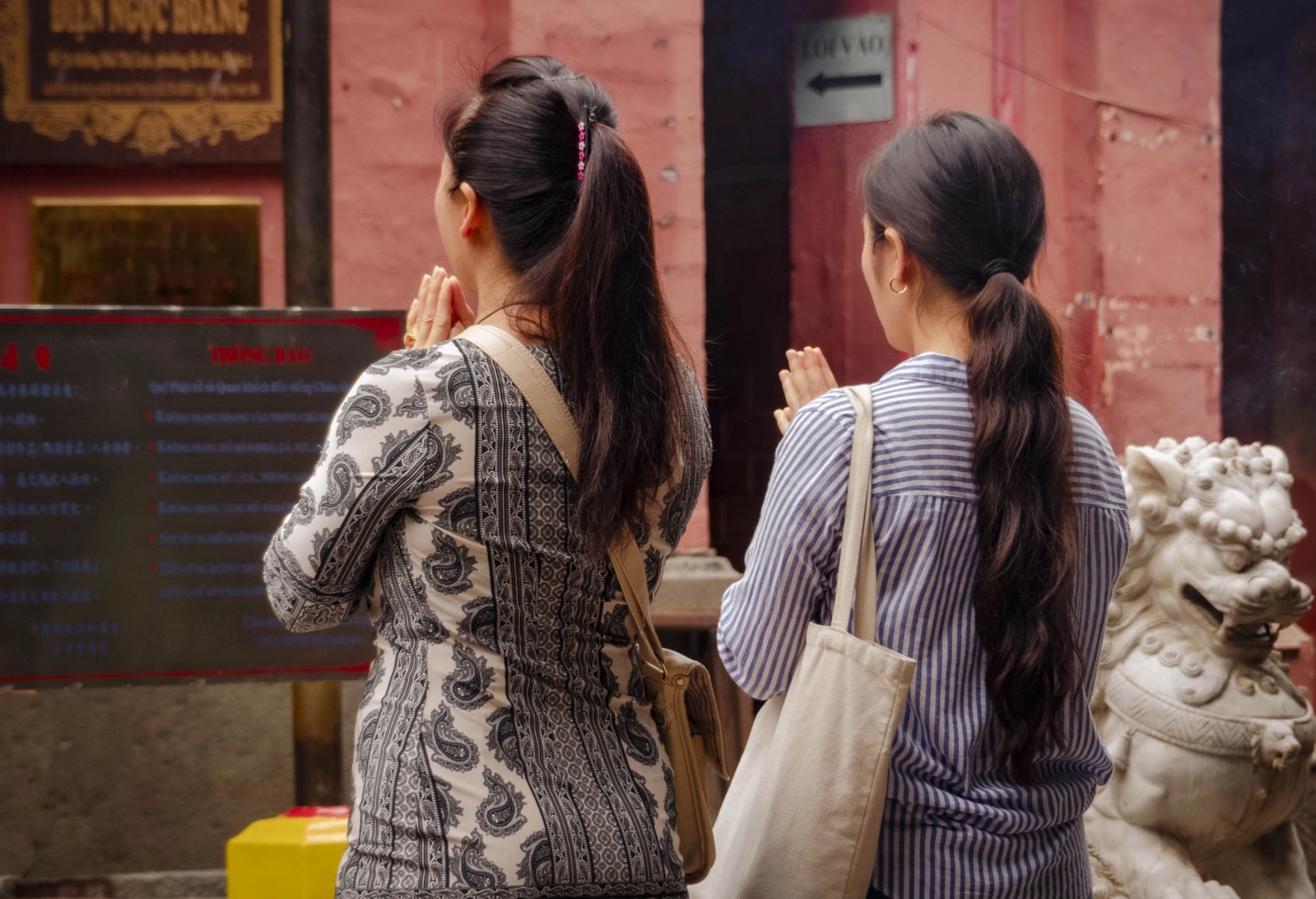
Catholicism also holds a presence in modern Vietnam. Ancestor worship remains central across beliefs, with many homes and businesses displaying ancestor altars, highlighting the cultural importance of filial piety.
- Check out religions in Vietnam
4. Religion and philosophy
Four great philosophies and religions have shaped the spiritual life of the Vietnamese culture and therefore the nation: Confucianism, Taoism, Buddhism and Christianity. Over the centuries, Confucianism, Taoism and Buddhism have melded with popular Chinese beliefs and ancient Vietnamese animism to form what is known as Tam Giao (or ‘Triple Religion’).
5. The Role of Family in Vietnamese Culture
Traditional local society often had families with three or four generations living together. People valued having many children, believing that “more children bring more fortune” Confucianism shaped the preference for male dominance, where men held final authority, and women adhered to “three obediences and four virtues.”
After reunification, Vietnam introduced laws on Marriage and Family to promote equality, raise awareness, and protect gender rights. Today, families usually consist of two or three generations, with most couples having two children. Gender inequality continues to decrease, while the cultural emphasis on respecting elders and loving children remains very strong.
6. The local music & dance
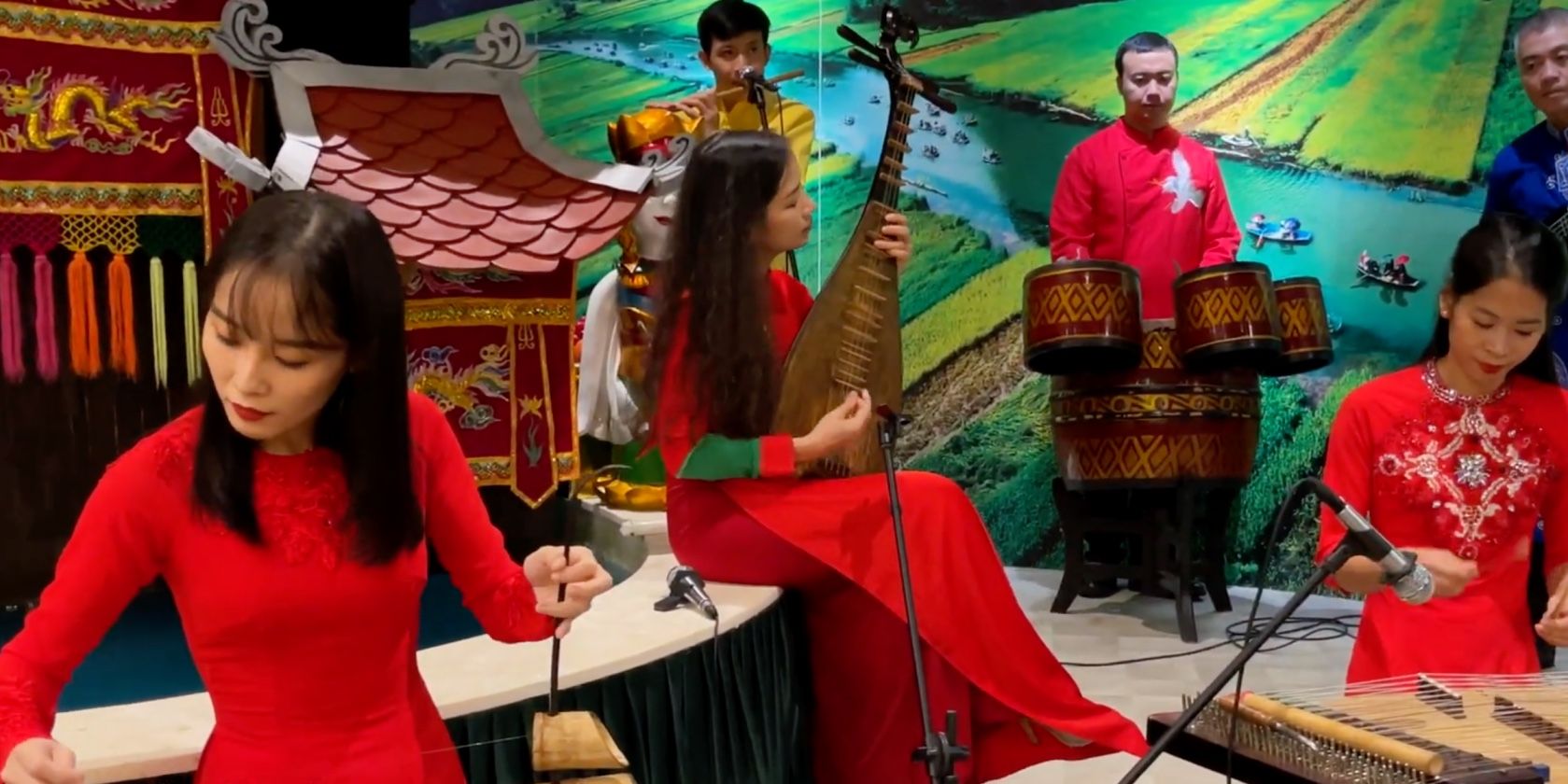
Vietnam has a rich tradition of dance and music, with distinct regional variations. Northern music is older and more formal, while Central Vietnam’s music shows Champa influences, and Southern music is livelier. The country has nearly 50 national music instruments, with Imperial Court music and Ca Tru being key traditional forms.
The country’s ethnic diversity has produced a wide variety of dance forms, often performed at cultural events and festivals. Traditional dances like the Lion dance, platter dance, fan dance, and imperial lantern dance are common. Imperial court dances are complex and require great skill to master.
- Check out Vietnamese dance
7. Traditions of ethnic tribes
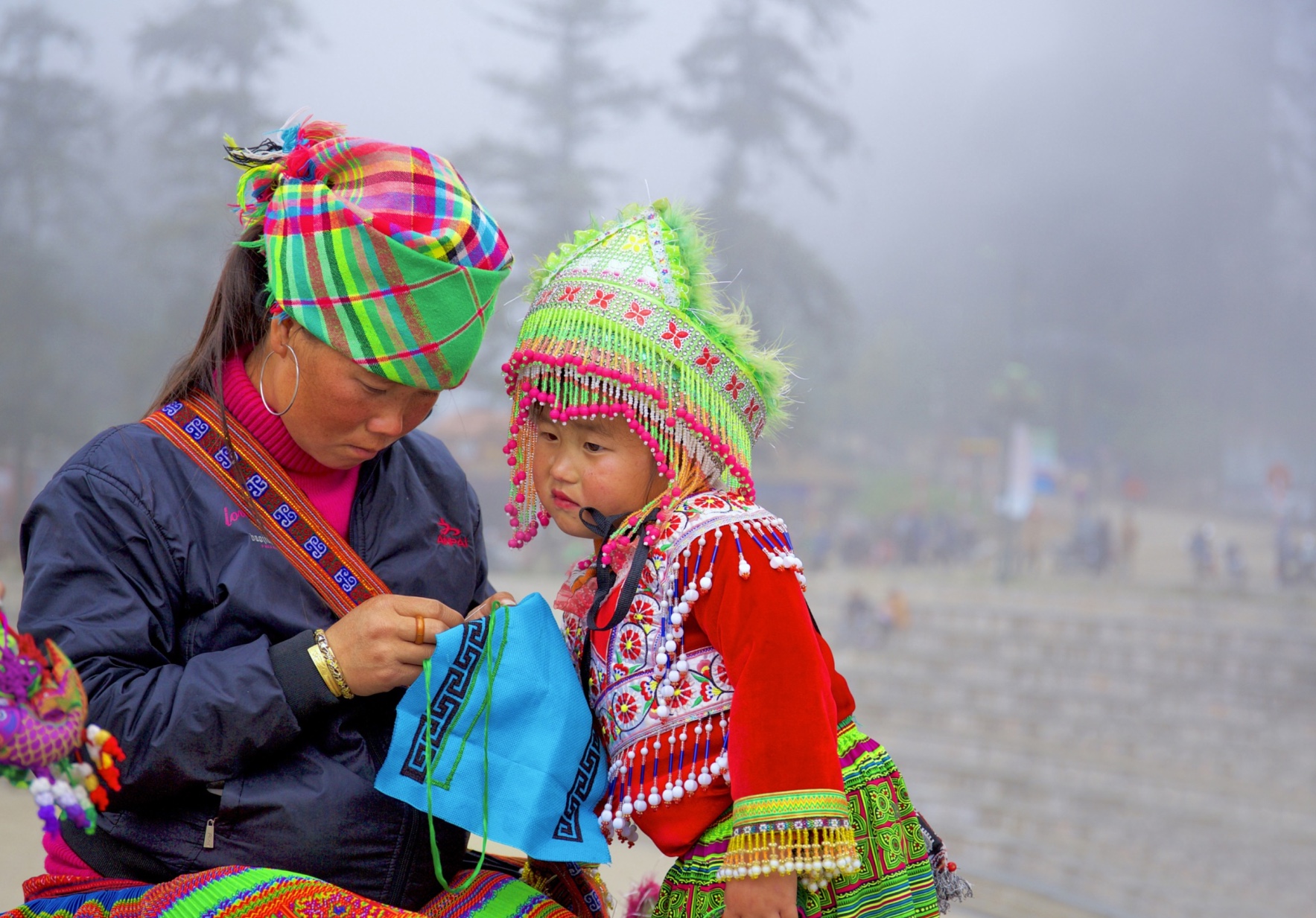
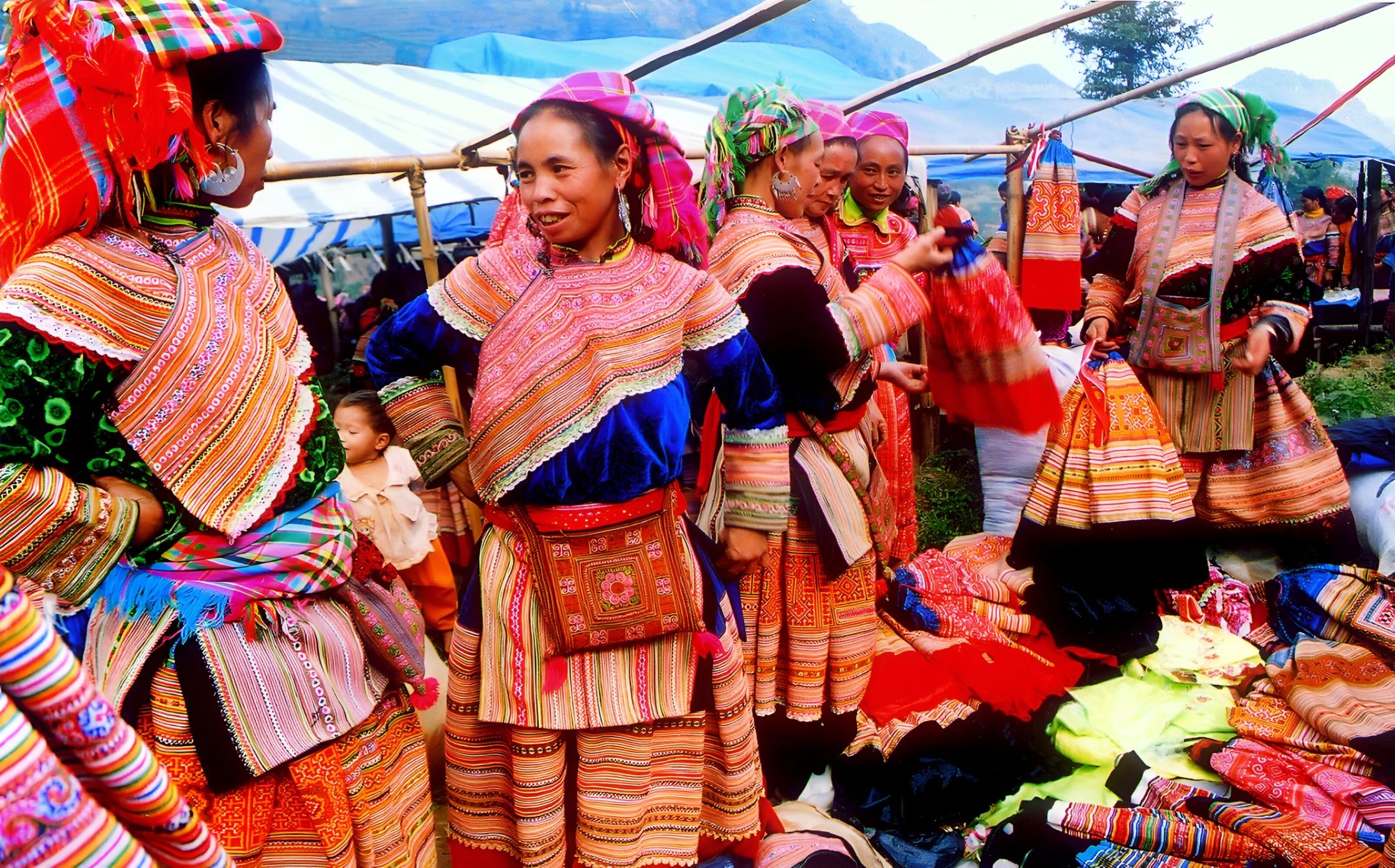
Vietnam is a multiethnic country with over 54 distinct groups, each with its own language, lifestyle, and cultural heritage. Many ethnic groups in the mountain areas are known in the West as Montagnard or Degar. The largest groups include the Kinh (Viet) at 85.7%, Tay 1.9%, Tai 1.8%, Mường 1.5%, Khmer Krom 1.5%, Hmong 1.2%, Nung 1.1%, and Hoa 1%, with all others making up 4.3% (2009 census).
Vietnam’s ethnic groups are known for wearing colorful attire in everyday activities like farming and moving around, unlike some groups in other countries. Each group’s clothing is unique, adding vibrant diversity to the social landscape. Traveling through areas like Sapa or Lai Chau, where over 20 ethnic groups live, you’ll experience a rich mix of cultures in Vietnam. Dak Lak province in central highlands of Vietnam is home to 47 ethnic groups, which is the largest.
8. Traditional fine-arts & handicrafts
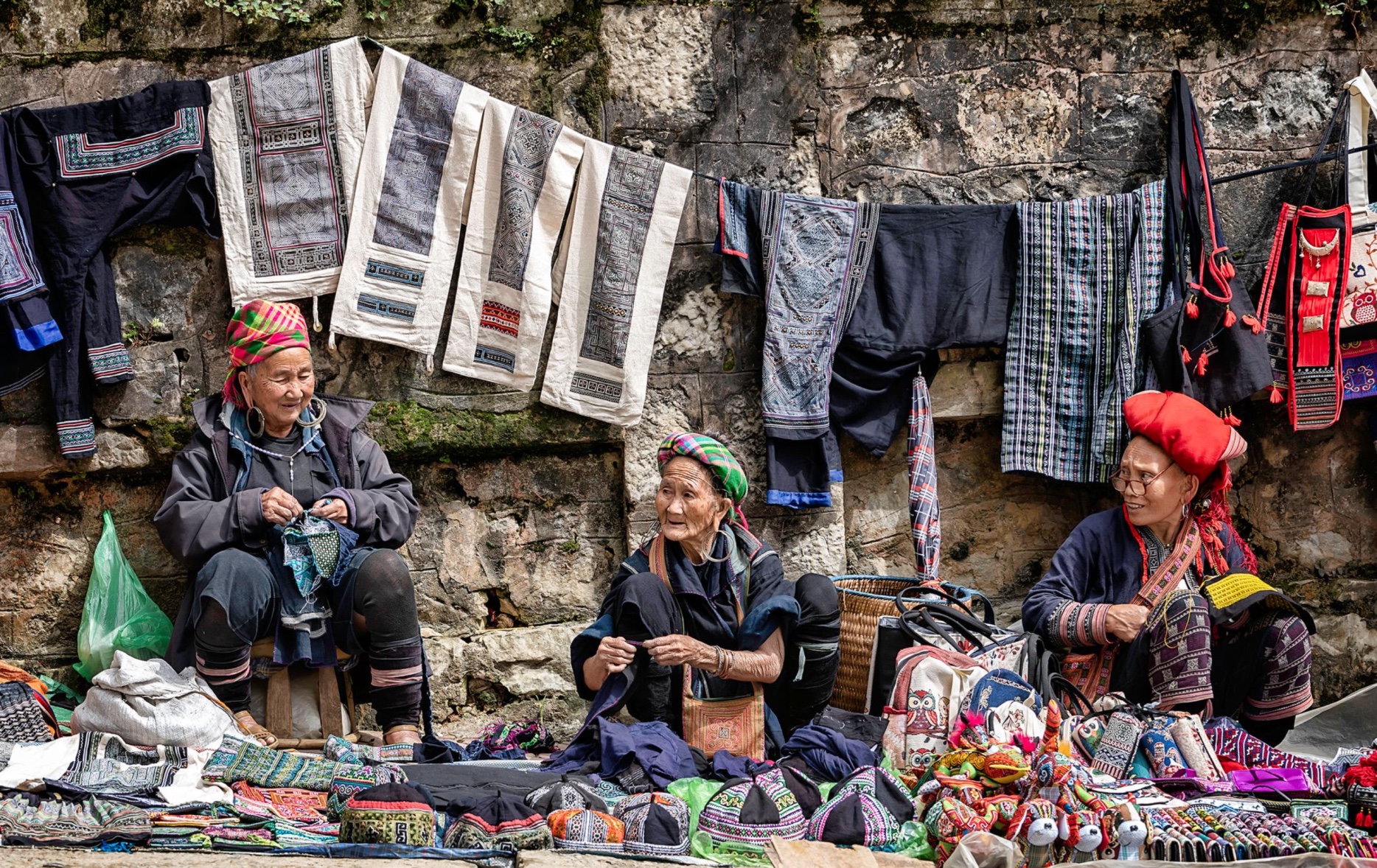
Traditional Vietnamese handicrafts have a long history and a wide range of details. Today, many handicraft industries continue to thrive, providing jobs and boosting exports, including ceramics, silk weaving, lacquer making, rattan and bamboo weaving, conical hat making, bronze casting, and woodworking.
Ceramics stand out as the most prominent, offering products for both society and industrial use. Ceramic production is widespread in regions like Bac Giang, Bac Ninh, Quang Binh, Dong Nai, Dong Thap, and Bat Trang village in Hanoi, along with Cham ceramics. Silk weaving, which started early in Vietnam, is most famous in villages like Van Phuc (Ha Dong) and Phuong Tanh – Truc Ninh (Nam Dinh).
9.Major festivals & celebrations
Festivals are key culture in all activities in Vietnam. They bring peace to the hearts and minds of the Vietnamese people, relieve daily stresses, and reconnect them with nature and their homeland. As an agricultural country, most Vietnamese festivals take place during “leisure times” in spring and autumn. There are also national festivals celebrated by all Vietnamese, such as Lunar New Year (Tet Nguyen Dan), the July Full-Moon, the August Full-Moon, and the Hung Kings Festival.
9.2. Vu Lan Festival
Honors deceased parents, grandparents, and ancestors, reflecting the tradition “when eating fruit, remember who planted the tree” According to Buddhism, spirits of the dead return to the living world on this day to enjoy offerings. Most families conduct ancestor worship rituals, and after the rites, they burn votive papers for the spirits. The July Full-Moon Festival is also a day to pardon the dead and worship wandering spirits not honored by their relatives. Offerings such as parched rice, dry pancakes, candies, and fruits are made to these spirits.
9.3. Mid-Autumn Festival
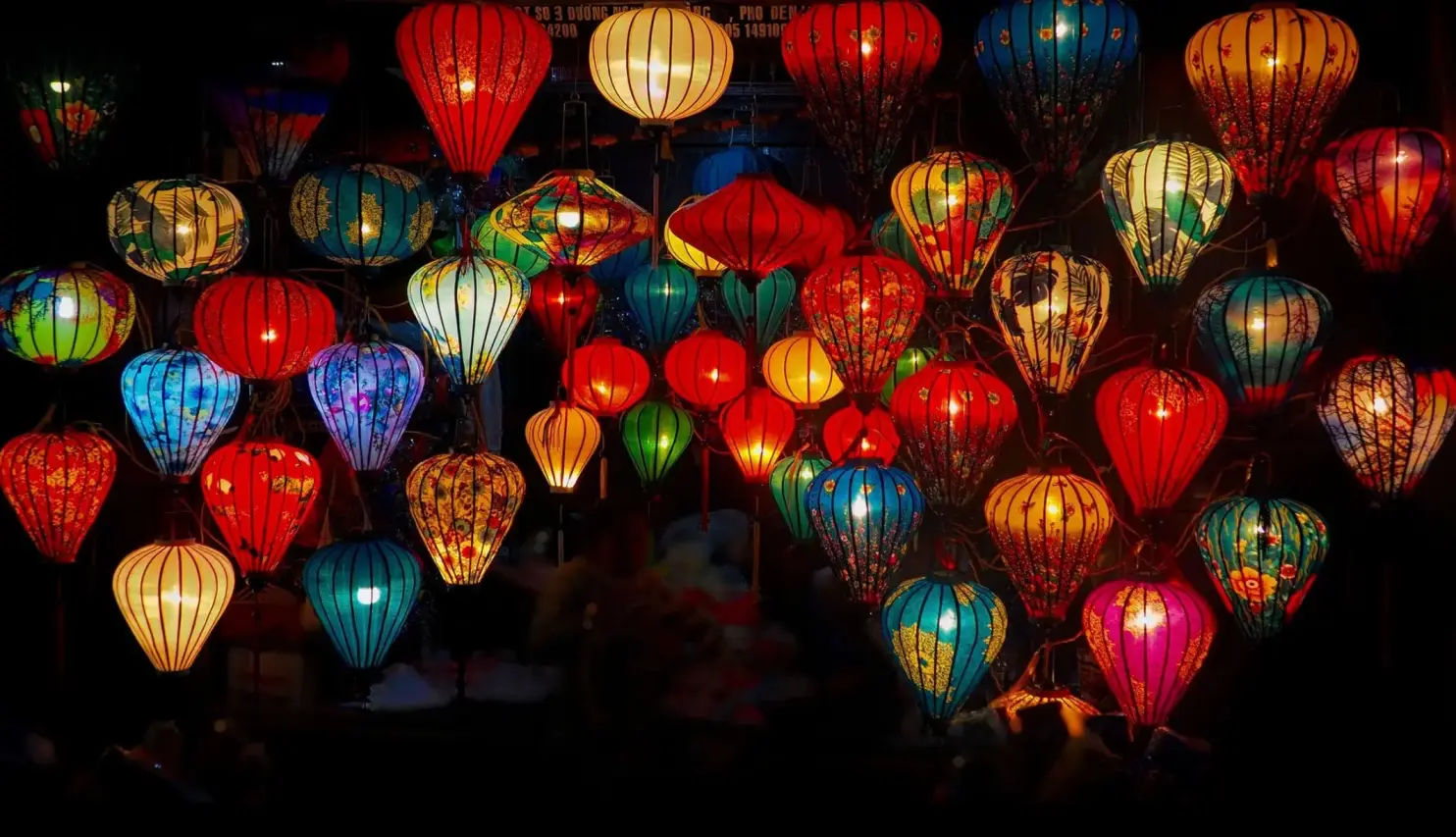
The festival is dedicated to children, who eagerly anticipate receiving presents like star lanterns, masks, and moon-cake (baked rice cake). On the night of the festival, most families gather around a tray of specialties to enjoy the beauty of the Moon. The specialties mainly include fruits and candies shaped like animals. The atmosphere is lively, filled with the laughter and songs of children, the light of the Moon, and the glow of various lanterns and candles. This is a very popular culture in Vietnam as many places also offer games like the Lantern Carrying Dance and the Lion and Dragon Dance.
9.4. Hung Kings Worshipping Festival
March 10th of the Lunar Calendar marks the Hung Kings National Worshipping Festival, celebrated across Vietnam as one of teh biggest Vietnamese culture festivals. The main celebration takes place in Phu Tho, the first capital of Vietnam under the Van Lang Dynasty and the site of the Temple of Hung Kings. During the event, people prepare traditional offerings, including lanterns, incense sticks, wine, betel, areca nuts, water, and Chung and Day (Square and Round Sticky Rice) Cakes. In 2007, the Hung Kings Festival became a National Day.
10. The Architecture
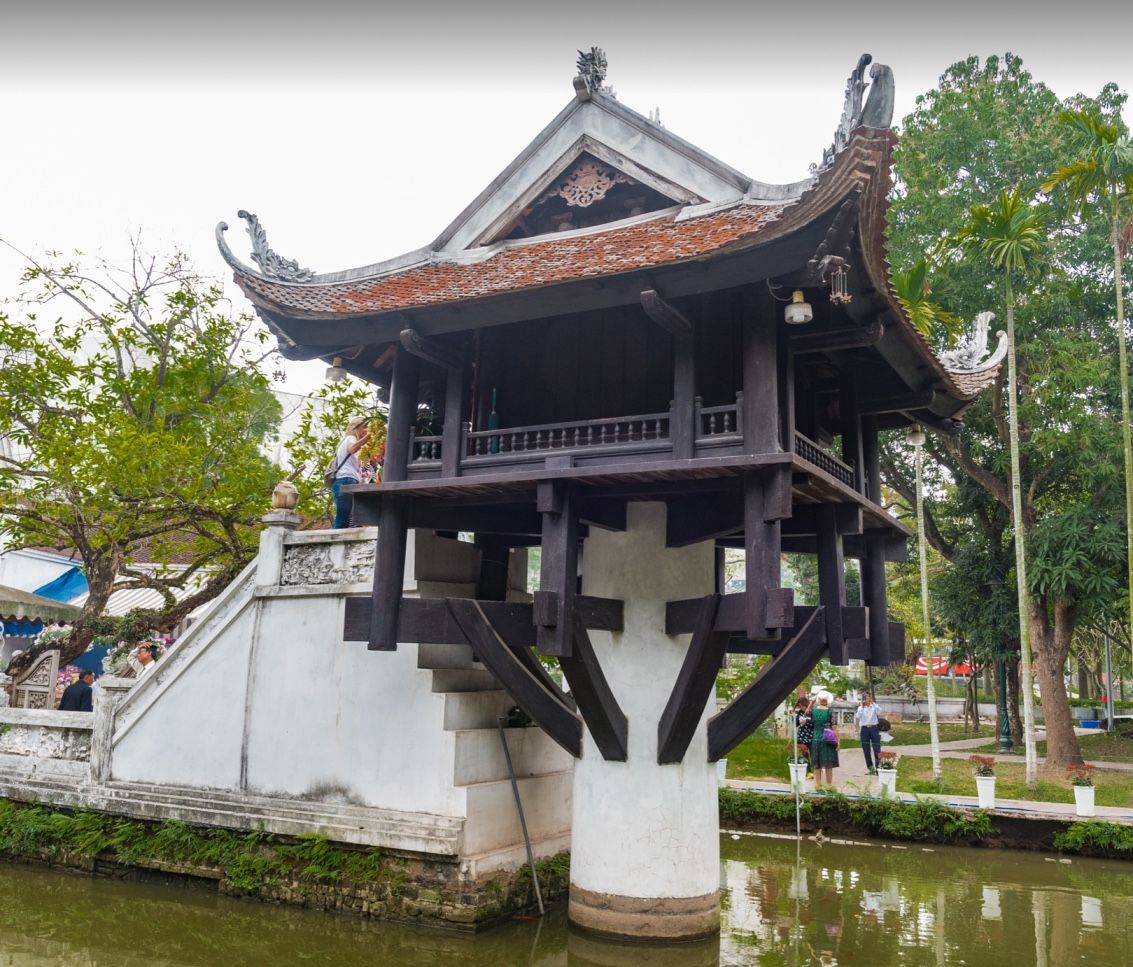
Folk architecture in Vietnam uses materials like wood, stone, brick, thatch, bamboo, and leaves. Thatch, bamboo, and leaf houses are common in Vietnamese villages, while wooden architecture is found in pagodas, communal houses, and wealthy family homes.
Notable examples of wooden architecture include the One-Pillar Pagoda, Dau Pagoda, Boi Khe Pagoda, Thai Lac Pagoda, Keo Pagoda, But Thap Pagoda, Tay Phuong Pagoda, Dinh Bang communal house, and ancient houses in cities like Hanoi, Hoi An, and Hue. Brick and stone architecture is seen in pagoda towers (Hoa Phong, Bao Thien, Pho Minh, Thien Mu), citadel gates (Ho Citadel, Hanoi Citadel), three-door temple gates (Van Mieu, Tran Vu, Hien Nhan), the Hanoi Flag Tower, and the Ngo Mon Gate in Hue. It also features in Cham temples from Quang Nam to Binh Thuan, especially at the My Son Historical site.
11. Painting and sculpture
11.1. Folk painting
There are two types of folk paintings: New Year paintings and Worshipping paintings, both tied to religious beliefs in honoring ancestors and deities. Folk paintings were mass-produced using woodblock printing. They gained popularity in the 16th century and flourished in the 18th and 19th centuries.
Based on artistic style, printing techniques, and materials, these paintings can be classified into several types. Today, most folk paintings have almost disappeared. Among the few still preserved, Dong Ho paintings continue to develop and can be found in countries like Japan, France, and the US.
Dong Ho, a village along the southern bank of the Duong River in Bac Ninh province, is known for its distinctive paintings. These are created using unique techniques in every aspect, from design, carving, and handmade dzo (poonah) paper to color mixing with natural materials and printing.
- Check out Souvenirs you can buy from Vietnam
11.2. Modern painting
The founding of the Fine Arts College of Indochina in 1924 marked a milestone in Vietnam’s contemporary plastic arts. The first generation of graduates from the college and their works are now internationally recognized. Notable pieces include “Hanoi’s Old Streets” by Bui Xuan Phai, “Game of Squares” by Nguyen Phan Chanh, “Little Thuy” by Tran Van Can, “Young Lady and the Lilies” by To Ngoc Van, “On the Bank of Sword Lake” by Nguyen Gia Tri, and “See a Student Off to the Exam” by To Ngoc Van. These paintings are invaluable masterpieces in Vietnam’s cultural heritage.
Following earlier generations, current artists balance incorporating global art influences with exploring new Vietnamese styles in oil, lacquer, and silk. Artists like Luu Cong Nhan, Pham Cong Thanh, Nguyen Thu, Dang Xuan Hoa, and Thanh Chuong have gained widespread recognition.
11.3. Ancient sculpture
Traditional sculpture developed continuously, depicting typical images of the Vietnamese people in different regions and periods, both divine and human.
Ancient sculpture was diverse, including prehistoric images on stones, in caves, on bronze drums, and household items; sculpture from the Phu Nam and Chan Lap Kingdoms in the South; Cham-pa sculpture in Central Vietnam; Great Vietnamese sculpture in the North; and sepulchre sculpture by indigenous people in the Central Highlands. Despite long periods of war, many regions of Vietnam still preserve village houses, pagodas, and temples with various Buddha statues.
12. The local performing arts
This arts include various forms such as Cheo (popular theatre), Tuong (classical theatre), Cai Luong (reformed theatre), water puppetry, court music and dancing, Quan Ho (folk song or love duet of Bac Ninh), Chau Van (worshipping ceremonial songs), Ca Tru (“singing for reward”), “Then” singing of the Thai, and “Ly” singing from the Southern region. Among these, the most commonly performed are Cheo, Tuong, Cai Luong, Quan Ho, water puppetry, “Ly” singing, and Nha Nhac (refined court music).
12.1. Royal music and dancing
Appeared first, during the reign of King Le Thanh Tong, with various forms such as Trung Cung Chi Nhac (Palace Music), Yen Nhac (Banquet Music), Nha Nhac (Refined Music), Mieu Nhac (Confucian temple music), Dai Nhac (Great Music), Van Vu (civil dance), and Vo Vu (military dance). During the Nguyen Dynasty, court music and dance reached their peak, with the most solemn and captivating being Bat Dzat dance, performed during the Offering Ceremony of Nguyen Kings at Nam Giao Esplanade.
12.2. Water puppetry
This believed to have originated in the Ly Dynasty (1009-1225). A typical playlet features many characters, each a sculpted wooden puppet with distinct shapes and personalities, coated for water resistance. The most prominent character is the buffoon Teu, with a plump body and humorous smile.
Puppeteers, hidden behind a screen, stand chest-deep in water, manipulating the puppets with bamboo rods and pulleys. The performance is accompanied by a drum set, tocsins, and gongs. Water puppetry, a unique folk art, enjoys wide popularity in many countries.
12.3. Cheo theatre
Originating from folk music and dance, cheo is one of Vietnam’s most distinct theatrical arts rooted in Vietnamese culture and traditions. Performed in villages, cheo became popular in the northern delta. It combines dancing, singing, music, and literature based on tales. Cheo’s enduring appeal lies in its ability to teach traditional values like filial devotion, justice, courage, and courtesy, while remaining satirical and anti-establishment.
The art form can move spectators to tears or laughter, characterized by optimism, wit, and a strong sense of humanity. It reflects a desire for happiness and a society where human rights are protected and good triumphs over evil. Popular plays like Quan Am Thi Kinh, Luu Binh Duong Le, and Chu Mai Than are treasured as national “popular theatre.”
12.4. Tuong, traditional performing art
Tuong is a classical and scholarly theatrical art of Vietnam. It originates from Vietnam’s folklore theatre and literature, developing from various traditional music, dance, and performances. By the late 18th century, tuong had fully developed in both its literary scripts and performance style. Today, tuong is regarded as Vietnam’s “national soul and characteristic,” often compared to China’s opera or Japan’s Noh.
12.5. Cai luong traditional opera
Originated in the early 20th century. It draws its roots from Ly folk songs and amateur music from the Mekong Delta. Cai luong incorporates many performance and musical techniques from Tuong (classical theatre).
Like other traditional operas, it includes dances, songs, and music, with the orchestra primarily featuring guitars with concave frets and the Vietnamese two-cord guitar.
13. Modern Culture
Modern culture is a mix of traditional etiquette and contemporary influences from mid 20th century. With a growing economy and increasing tourism, Vietnam has incorporated elements of Western culture while maintaining its local heritage. From fashion and music to cuisine and technology, modern Vietnamese culture reflects a vibrant and evolving society, where both tradition and innovation coexist.
14. Sports & Recreation Culture
Vietnamese sport culture is part of the nation’s etiquette, passed down through generations. Martial arts, particularly Vovinam (Việt Võ Đạo) and traditional wrestling, are deeply rooted in the culture, highlighting discipline and physical strength. Football is loved by pretty much anyone, uniting millions during international competitions.
Dragon boat racing, an ancient water sport, emphasizes teamwork and endurance, often featured in festivals. Sepak takraw, a unique mix of soccer and volleyball, showcases agility and skill. Beyond competitive sports, communal exercises like Tai Chi and traditional dance promote well-being, reflecting Vietnam’s vibrant cultural identity.
15. Drinking culture
The drinking culture is tie with social gatherings and making business interactions. Beer is a popular choice for casual settings with friends and colleagues. Rice wine, or “ruou,” is commonly consumed during special occasions and business meetings, serving as a means to establish connections and build relationships. This tradition reflects an important aspect of Vietnam’s culture, where drinks often facilitate bonding and communication.
16. The language of Vietnam
The Vietnamese language is characterized by monosyllables, a rich and vivid vocabulary, and a flexible, rhythmic, and emotional way of expression that greatly enhances artistic and literary creation. The Vietnamese dictionary published by the Center of Lexicography in 1997 includes 38,410 entries.
17. Vietnam war history
Vietnamese see the war history as part of their life culture and would never talk against it. Additionally, Vietnamese people have a great sense of humor, but they don’t joke about the war years. Those were tough times for everyone in Vietnam. As a foreigner, you need to be careful with this topic and be very mindful when discussing Vietnam’s tear jerking war year, as it holds deep significance in the culture of Vietnam.
Vietnamese culture
This includes distinct features, such as ancestor veneration, respect for community and family values, and a belief in the sanctity of manual labor. Important cultural symbols include four sacred animals: the dragon, turtle, phoenix, and unicorn. The national flower is the lotus, and bamboo is the most popular plant in Vietnam.
A Traveller’s Guide to Etiquette in Vietnam
Must-Know Cultural Etiquette in Vietnam every traveler should know.
- Greetings in Vietnam often involve a slight bow or a nod. Younger generations commonly use handshakes, but out of respect, avoid initiating physical contact with elders.
- Address others using titles like “Mr.” (Anh), “Mrs.” (Chi), or “Miss” (Cô) followed by their first name to demonstrate politeness and respect. It is be a disrespect if you call someone older than you withut a title.
- Remove your shoes before entering someone’s home, temples, pagodas. Even in some certain shops, see if owner left the shoe outside, then you do the same.
- Follow dining etiquette by waiting for the eldest or host to start the meal before eating. Avoid leaving chopsticks upright in a bowl, as it resembles incense for the dead, and also, strongly avoid pointing others with your chopstick.
- Practice proper temple etiquette by dressing modestly, ensuring shoulders and knees are covered. Keep conversations quiet and avoid eating inside the temples.
- Public displays of affection, such as kissing you do in west, are uncommon in traditional Vietnamese culture. Show respect to the society and avoid wearing too tight, too revealing, it is against the Vietnamese culture.
- Tipping is not customary in Vietnam, but it is becoming more common in tourist areas. If you feel the service was satisfying, consider a small tip of USD1-2 in restaurants, and 3-5 to your tour guide / driver.