


Vietnamese villages showcase remarkable diversity—ranging from ancient settlements rich in history to vibrant farming communities and lively coastal fishing towns. Each village reveals unique traditions, local lifestyles, and cultural depth, making them a must-visit for travelers seeking an authentic experience in Vietnam.
Traditional villages in Vietnam, a way to see the local culture
Remove passive voices, add transition word, make sure it is not over optimized as the main keyword is best beaches in vietnam and at the end optimize the content for search engine:
Consider adding some of these scenic traditional villages to your travel list. From the tranquil rice fields of the north to the floating communities of the south, Vietnamese villages offer timeless beauty and a peaceful atmosphere. Join us as we uncover 18 of the most beautiful villages across Vietnam—each offering its own slice of serenity and cultural depth.
Whatever you’re interested in, we will create your private, perfect trip. Get inspired with our example trips and then get in touch to plan your own adventure. Check out Vietnam Tours & holidays
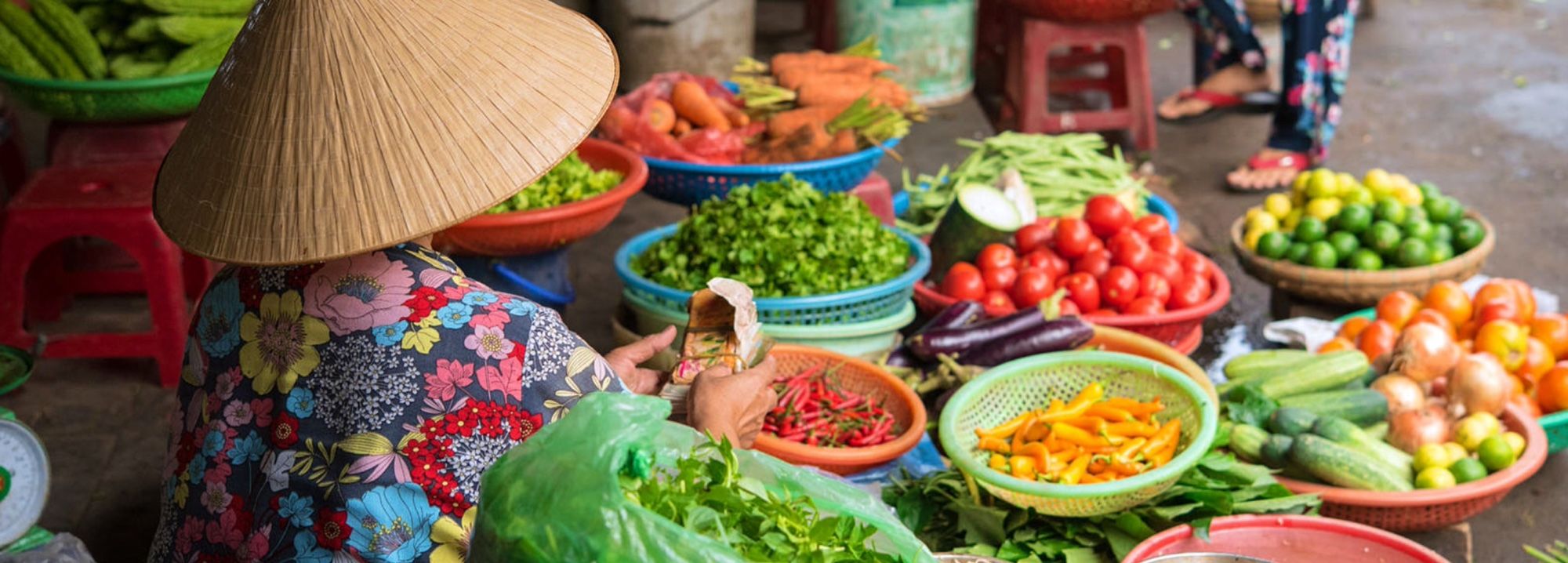
18 Traditional Villages in Vietnam to see rural lifestyle
From pottery and silk to lacquerware and fishing traditions, these hidden Vietnamese villages reveal the depth and diversity of rural culture in Vietnam. Each village offers a unique experience, allowing visitors to witness time-honored techniques passed down through generations. Even better, you can try your hand at traditional crafts and create personalized souvenirs to take home.
If you’re interested in exploring authentic local lifestyles beyond the usual tourist trail, don’t miss these lesser-known villages. They showcase the country’s rich heritage in a quiet, immersive setting.
- For a deeper look into Vietnam’s urban energy as well, check out our guide to the top cities in Vietnam.
1. Ban Lac Village, Mai Chau
Ban Lac sits peacefully in the scenic Mai Chau Valley, about 150 km (or a 3-hour drive) from Hanoi. This area, part of a larger network of local tribal villages, is home to the White Thai and Hmong hill tribes. In the evenings, locals often host vibrant traditional dance and music performances inside communal stilt houses where guests typically stay overnight.
Many travelers choose Mai Chau and its surrounding villages in Vietnam for a one- or two-day escape from Hanoi. While you’re there, take time to explore the daily life of Thai ethnic communities and immerse yourself in their customs. Don’t forget to bring comfortable walking shoes—soft treks to villages like Pom Coong and Na Phon offer rewarding views and cultural insight. For a deeper adventure, longer hikes to Xom Cum and Mai Hich promise rich experiences in authentic rural landscapes.
- Check out Vietnam countryside
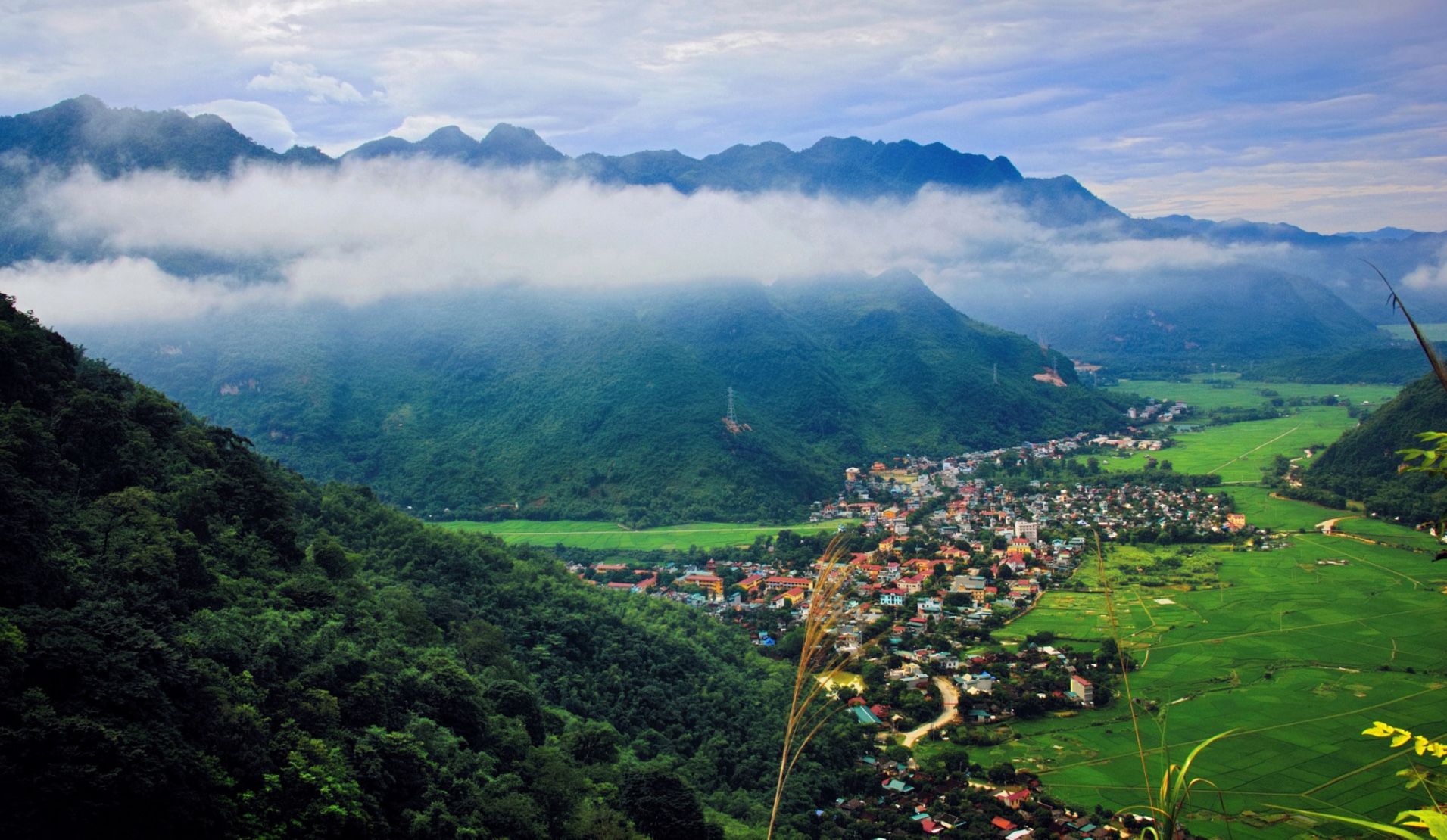
2. Pom Coong, an ethnic village in Vietnam
Reaching Pom Coong Village in Mai Chau takes about four hours, adding it among the most charming villages in northern Vietnam. This serene mountain region, is home to the Thai ethnic group. For anyone seeking a break from the hustle and bustle of city life, Pom Coong offers the perfect escape.
Travelers need not worry about accommodations or activities. Many locals offer homestay in their stilt homes, providing an authentic experience and a glimpse into rural life. Additionally, the village is known for its exquisite handmade crafts, including embroidered bags, scarves, purses, and unique souvenirs, making it an excellent destination for both relaxation and cultural discovery.
3. Van Duc Village, near Hanoi
Van Duc, an farming based village located about 30 km (40 minutes by car) from Hanoi, sits along the banks of the Red River. Farmers here grow a wide variety of vegetables to supply Hanoi’s markets. The village temple honors Chu Dong Tu, one of the four most revered saints in local belief.
When visiting the village, you can participate in farming activities like fishing, planting vegetables, or harvesting crops.
4. Bat Trang
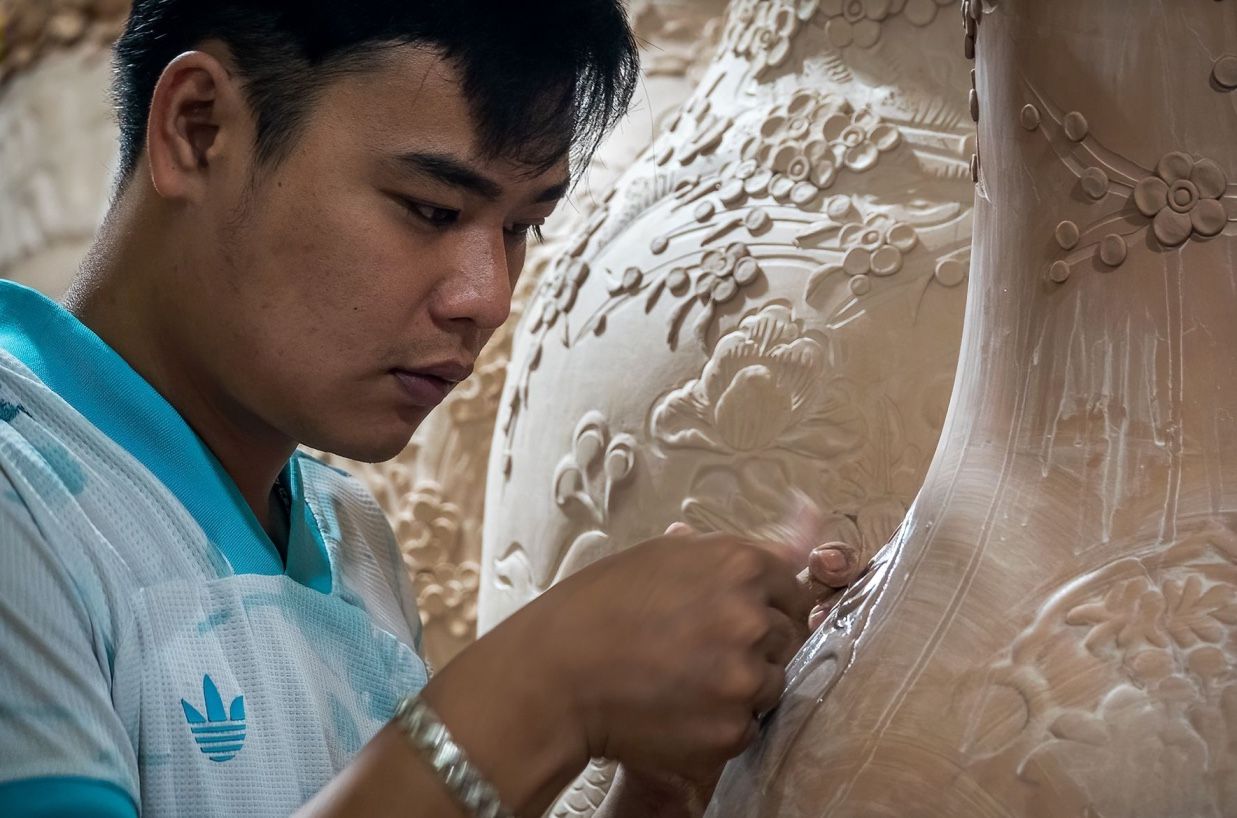
Bat Trang, a century old village located about 25 km from Hanoi along the Red River, has been crafting ceramics for over 100 years. Skilled artisans here masterfully process clay and control kiln fires, creating exquisite ceramic pieces for local use, export, and artistic expression.
A visit to Bat Trang offers the chance to meet local artisans, explore kilns, and observe the intricate ceramic-making process. Visitors can even participate in activities like painting on ceramic pieces or trying their hand at pottery. A trip to Bat Trang typically lasts 2–3 hours and pairs well with visits to nearby Van Duc Village or Van Giang Flower Village.
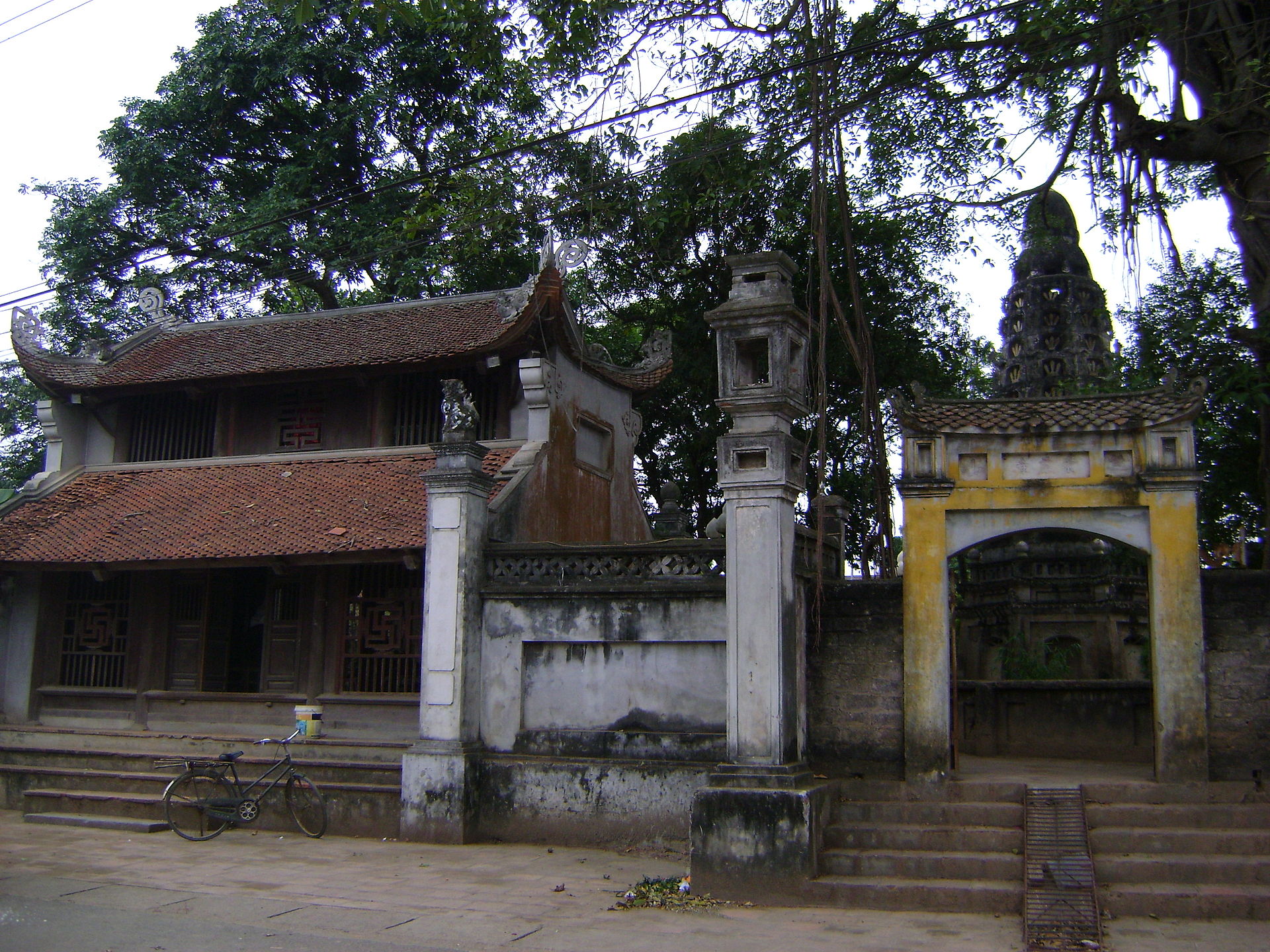
5. Duong Lam ancient village Hanoi
Located in Duong Lam Commune, Son Tay District, near Hanoi, is a hidden gem that belongs on any Hanoi travel itinerary. Just 44 kilometers from the city center, this village offers a glimpse into Vietnam’s rich history with its well-preserved architecture, customs, and traditions spanning over a thousand years.
Stroll through the narrow alleyways to admire ancient houses built from laterite and wood, and explore the stunning temples and pagodas scattered throughout the village. Duong Lam is a must-visit destination for history and culture enthusiasts.
6. Mang Den, Kon Tum, central highlands of Vietnam
A picturesque town in Kon Tum, Vietnam’s Central Highlands, rests on a plateau at an altitude of 1,200 meters. Accessible via a winding mountain pass, it is surrounded by lush pine forests, creating a serene and idyllic escape.
The beautiful village is home to ethnic minority groups including the Mo Nam, Ca Dong, Xe Dang, and Hre. This beautiful Vietnamese village often compared to Dalat for its mountainous terrain, abundant waterfalls, and cool, sunny weather. if you’re riding the Vietnam’s famous Ho Chi Minh Trail (from Saigon to Hanoi), we advice you to stop an overnight in Mang Den.
- Check out our Private Guided Motorbike tours in Vietnam
7. Vung Vieng Fishing Village
Located in Bai Tu Long Bay, Quang Ninh Province, offers breathtaking scenery in a pristine area near the renowned Ha Long Bay in northern Vietnam. Surrounded by towering limestone cliffs, emerald waters, and tranquil lagoons, the village provides a serene and picturesque escape.
Visitors can explore the village by kayak or traditional bamboo boat, observing fishermen at work and gaining insight into their daily lives in this unique coastal community.
8. Cat Cat Ethnic Village, Sapa
Nestled in the scenic Sapa region, the name Cat Cat Village tie with trekking and hiking from Sapa as it offers a captivating glimpse into the region’s best trails. This charming village is renowned for its stunning natural beauty, featuring picturesque waterfalls and lush rice terraces that blanket the rolling hills.
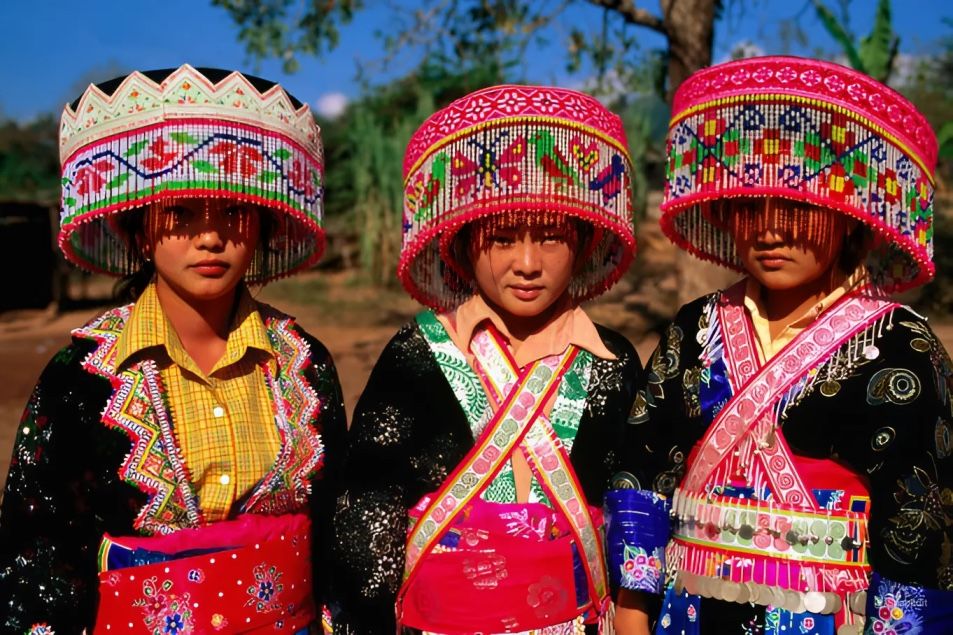
Visitors can explore traditional stilt houses and learn about Hmong craftsmanship, including intricate embroidery and indigo dyeing. Cultural enthusiasts will enjoy vibrant performances, while food lovers can savor delicious local dishes made with fresh produce from the surrounding hills.
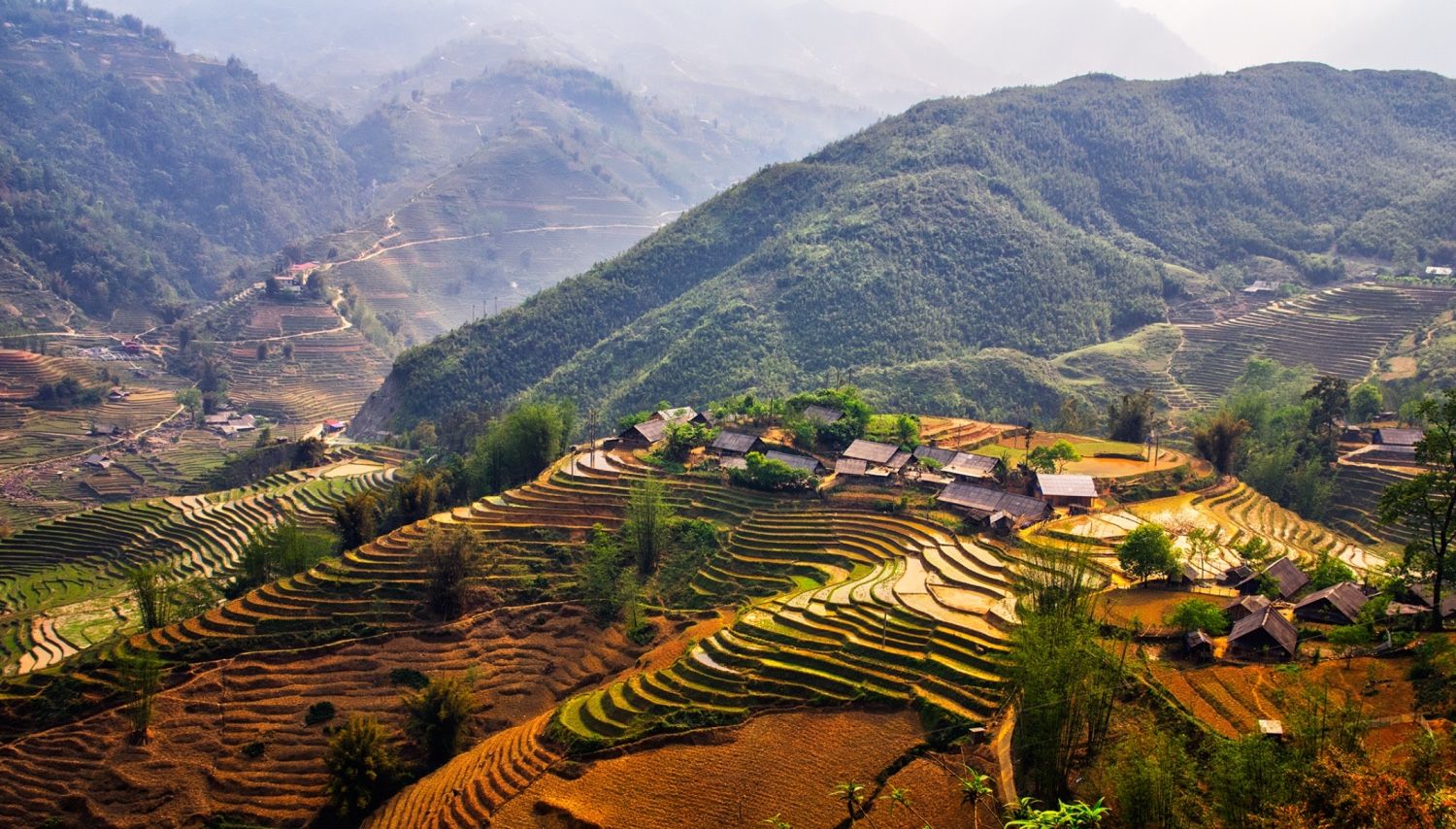
9. Tra Que, near Hoi An
A traditional yet a very peaceful and charming farming community famous for its organic farming practices, located within 5km from the old town or Hoi An. Here, Vietnamese farmers use natural fertilizers and traditional methods to grow a variety of vegetables, herbs, and spices.
Visitors can enjoy a leisurely stroll through the lush gardens, watch farmers at work, and even take part in the farming process with a hands-on experience. Tourists can also join cooking classes to learn how to prepare traditional Vietnamese dishes using fresh herbs and vegetables grown right in the village.

10. Ham Ninh, Phu Quoc island
Ham Ninh Fishing Village is a stunning commune located in Vietnam’s Phu Quoc Island, perfect for witnessing the beauty of both sunrise and sunset. The village features a unique 200-meter concrete bridge extending into the sea, linking the land to floating docks.
In addition to outdoor activities like swimming, boat trip off the main coast, visitors can engage with the local community by trying their hand at fishing and net casting, offering an authentic experience of the fishermen’s daily life.
11. My Khanh, Can Tho, Mekong
My Khanh Tourist Village is a peaceful and idyllic destination where visitors can experience rural life and enjoy the lush greenery of Can Tho, Vietnam. One of the highlights is its fruit gardens, where visitors can stroll through rows of tropical fruit trees, pick fresh fruit, and taste it on the spot.
The village offers various activities that provide a glimpse into rural Mekong Delta’s life, such as fishing, traditional cooking classes, and farming.
Additionally, for entertainment, the village features folk games & performances, and traditional water puppet shows, ensuring a fun and immersive experience for all.
12. Chau Giang Muslim village, An Giang, Southern Vietnam
Known for its scenic natural beauty and rich cultural heritage, attracts tourists seeking an authentic and immersive experience in southern Vietnam. One of its main attractions is its lush orchards and fruit gardens, and the local muslim community in Chau Giang village, Vietnam.
The Village is home to several traditional craft villages specializing in pottery, rice paper making, and conical hats. If you are a muslim traveler, it is probably the best to meet Muslims of Vietnam in this small village.
13. Hoang Su Phi, northern Vietnam
Located in Ha Giang Province, northern Vietnam, borders China to the north and several Vietnamese villages. It sits on the less visited route connecting Lao Cai, Ha Giang, and Cao Bang. This area offers pristine landscapes with terraced fields, ancient Shan tea gardens, rivers, and peaks like Tay Con Linh and Chieu Lau Thi.
The village is home to 12 ethnic groups, including the Nung, Dao, Tay, Mong, and La Chi. Visitors can stay in homestays, explore the rugged terrain, and enjoy trekking. Hoang Su Phi is a hidden gem with rich cultural heritage and great potential for community ecotourism, making it an ideal destination for those exploring the traditional ethnic villages.
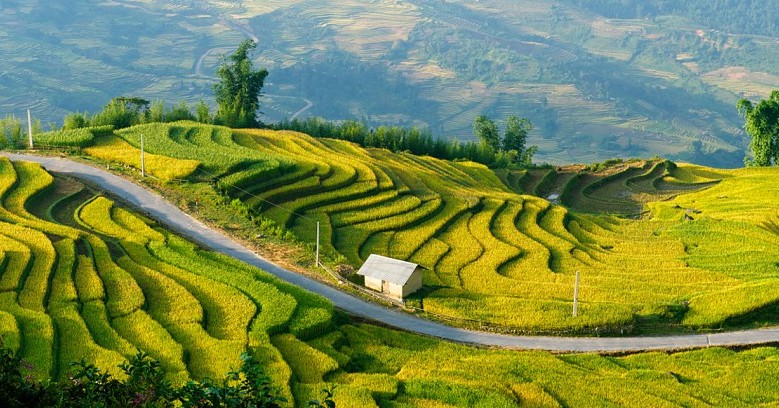
14. Sinh Village, near Hue
One of the country’s most famous painting villages. Also known as Lai An Village, it has preserved a unique folk culture for centuries.
The village is renowned for its distinctive painting technique. Artisans press special printing paper against an engraved woodblock, creating a black-and-white print. They then hand-color the paper with vibrant hues and allow it to dry. The entire process is done by hand and takes considerable time. Visitors can try their hand at painting, with guidance from skilled artisans.
Sinh Village is also famous for its traditional wrestling festival, held on January 10th according to the lunar calendar. This vibrant event is one of Vietnam’s most important spring festivals, drawing both local and international visitors.
15. Fishing Villages around Mui Ne
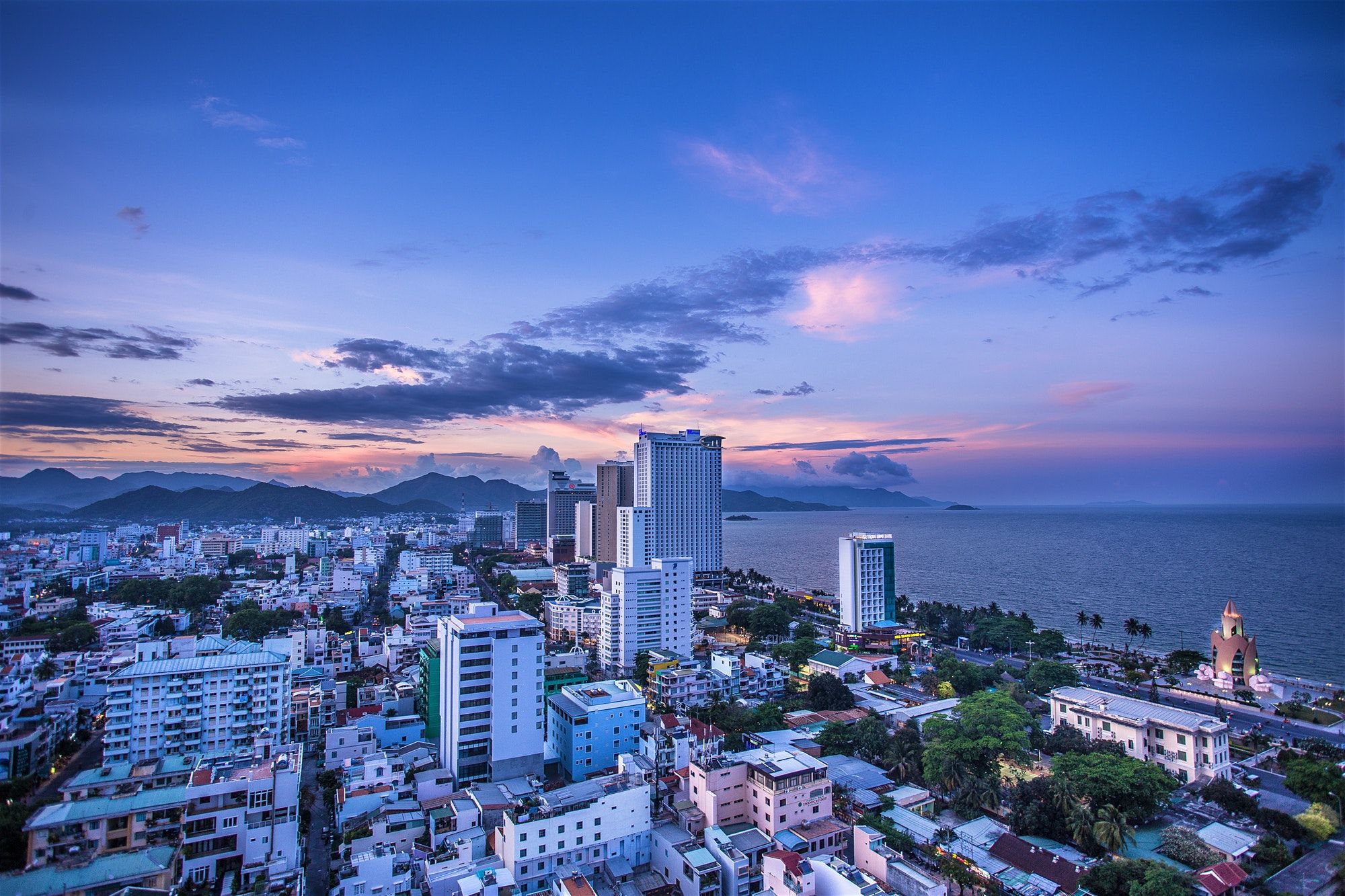
Located within Phan Thiet city, southern Vietnam along the coast, this is a picturesque coastal village with a distinct sea vibe. The village exudes the pristine charm of a traditional fishing community, with stretches of fine white sand and calm blue waters that instantly evoke peace and tranquility.
From above, the coastline stretches out with hundreds of boats anchored, interwoven with basket boats in the green sea. Every morning, the village comes alive as boats rush to dock, and locals trade fresh fish and shrimp.
Mui Ne offers a unique coastal experience throughout the day. The sunrise shines brightly over the sea, while the setting sun casts a dreamy, poetic glow over the village, creating a scene straight out of a fairy tale.
16. Sa Dec Flower Village
The best time to visit Sa Dec Flower Village is during the month of December when flowers will be in full bloom, showcasing vibrant colors and fragrances. To experience this, visit the village in early December or before the 23rd of December (lunar calendar), when the flowers are harvested and sent to Saigon to meet New Year’s demand.
At Sa Dec Flower Garden, you’ll be amazed by vast flowerbeds in every color, filled with hundreds of flowers, plants, herbs, and bonsai. After enjoying the flowers and taking photos, explore nearby attractions like the Huynh Thuy Le Ancient House and Kim Hue Pagoda. Don’t forget to try Hu Tieu, a famous Southern Vietnamese dish, to satisfy your hunger.
17. Cam Ne Mat Village, Danang
Cẩm Nê Mat Village is located about 16 km southwest of Da Nang City, just a 40-minute drive away. True to its name, Cam Ne Mat Village is famous for its handmade mats, offering a wide range of sizes.
The local artisans have a unique skill for dyeing mats to meet customers’ needs. They carefully select old, straight, lightweight, and strong palm trees to make the reed and shuttle used in the mat-making process. To preserve the village’s tradition, artisans in Cam Ne work together to produce high-quality products.
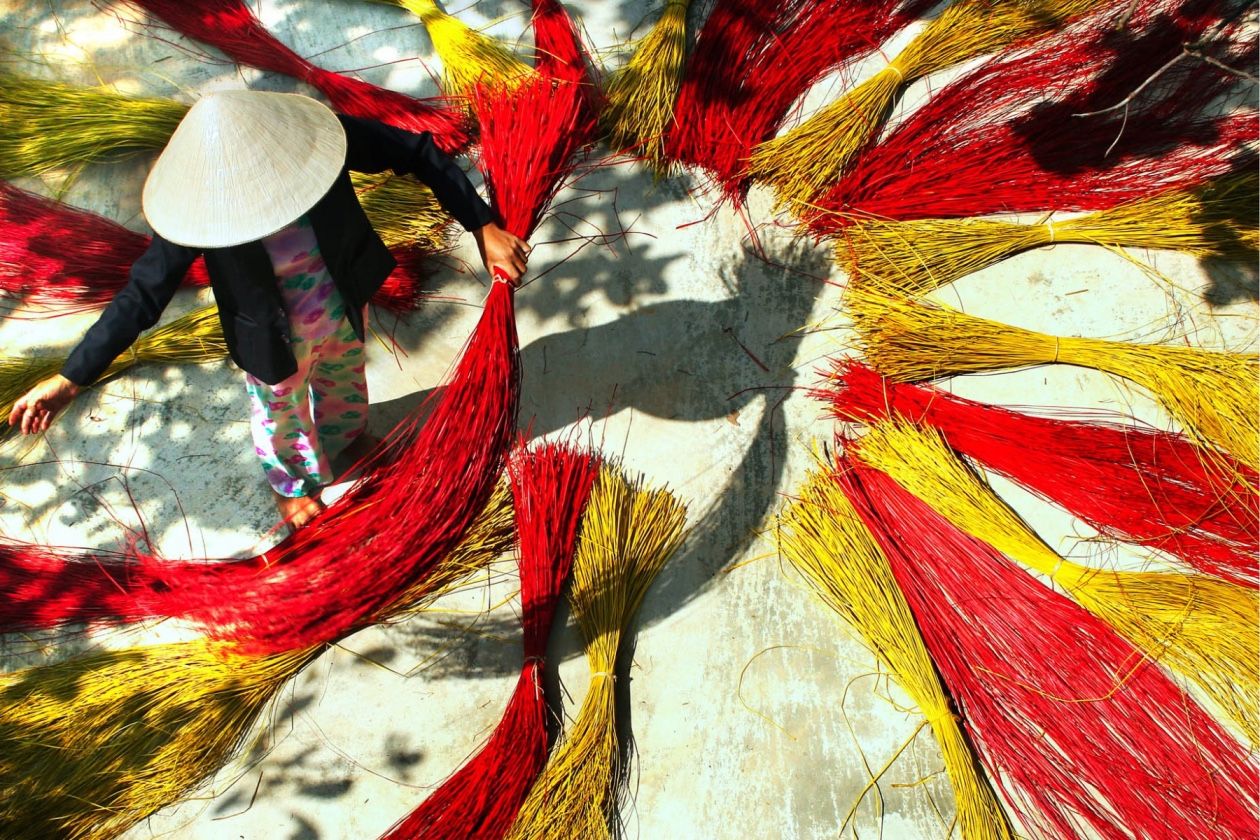
18. Phu Lang Pottery Village
Located not far from Hanoi (an hour ride), Phu Lang Village offers a peaceful escape along the Cau River and a journey into Vietnam’s centuries-old pottery tradition. Locals have crafted pottery here since the 13th century, producing cooking pots, jars, tiles, and burial caskets with a signature light brown glaze that sets Phu Lang apart from more famous villages like Bat Trang.
Unlike Bat Trang, Phu Lang remains authentic and charming, with clay-brick houses and traditional wood-fired kilns. Visitors can stroll past pottery workshops, chat with artisans, and even step inside large kilns when not in use. Generations of families continue their craft daily, whether or not tourists stop by.
Notably, the village is known for its burial caskets. In Vietnamese tradition, families exhume and clean the bones of the deceased after a few years, then place them in a small, ventilated coffin for reburial—believed to bring prosperity if placed on auspicious land. Phu Lang’s unique practices and tranquil atmosphere make it one of the most meaningful Vietnamese villages to explore.
How many craft villages are there in Vietnam?
Interestingly, Vietnam features over 5,166 traditional handicraft villages, each offering unique skills passed down through generations. Among them, Hanoi and its surrounding areas lead as the most active and densely populated region for artisanal production.
Vietnam village during War
My Lai Massacre is one of the may villages strikes heavily during the American war. On March 16, 1968, U.S. troops brutally massacred between 347 and 504 unarmed civilians in Sơn Tịnh District, Quảng Ngãi Province. This horrific event, known as the Mỹ Lai Massacre, occurred in the hamlets of Mỹ Lai and Mỹ Khê. Soldiers from Company C and Company B of the 23rd Infantry Division killed men, women, children, and even infants—many of whom were raped and mutilated.
Although 26 soldiers faced criminal charges, only Lieutenant William Calley Jr., a platoon leader, was convicted. He received a life sentence for murdering 22 villagers but ultimately served just three and a half years under house arrest. Often described as “the most shocking episode of the Vietnam War,” the massacre remains a grim symbol of the war’s atrocities.