

Vietnam iconic symbols and their meaning show the country’s national pride and cultural roots. These include the red flag with a yellow star, the lotus flower (a sign of purity and luck), the conical hat (nón lá), the Ao Dai (traditional dress), and the water buffalo. These symbols reflect Vietnam’s rich heritage, daily life, and deep culture. Moreover, they remind people of the nation’s long history and strong spirit.
Understand Vietnamese Iconic Symbols & their meanings
Vietnam, a country located in Southeast Asia, is known not only for its breathtaking landscapes and flavorful cuisine but also for its deep-rooted cultural heritage, powerful national symbols, and a story of resilience and unity. After over four decades since the end of the war, Vietnam has transformed itself into one of the fastest-growing economies in the region. But beyond that, what truly defines Vietnam in the eyes of the world? What makes this country stand out among its neighbors? In this blog, we’ll explore the most iconic symbols of Vietnam and their deeper meanings, each one telling a story of history, culture, and the Vietnamese spirit.
1. The national flag
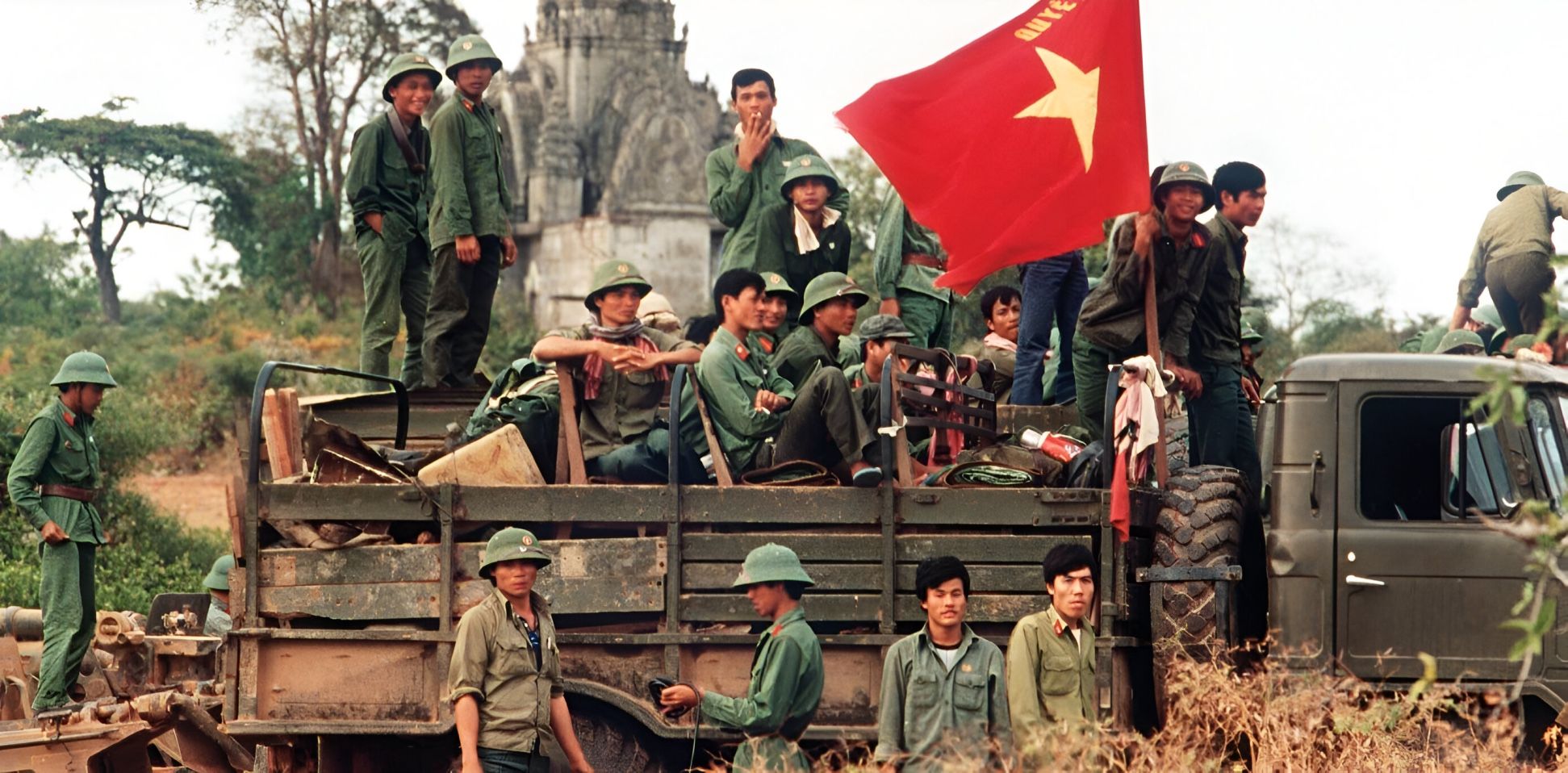
The bright red background with a large golden five-pointed star in the center is a simple yet deeply meaningful image that represents Vietnam. The red background stands for the blood shed during the long struggle for independence and freedom. The golden star symbolizes the unity of the people, with each point representing workers, peasants, intellectuals, soldiers, and youth.
What sets Vietnam apart is how much pride its people take in this flag. It’s more than just a political emblem; it is flown proudly in cities, villages, schools, festivals, and even on casual outfits during national holidays. Among all Southeast Asian countries, Vietnam is perhaps the one where the national flag is most visibly and passionately embraced by its citizens.
- Check out Vietnamese flag in details
2. Lotus flower, the. national icon
In Vietnamese culture, the lotus flower is a symbol of purity, grace, and resilience. Growing from muddy waters and rising to bloom in elegance, the lotus is often associated with the Vietnamese spirit: enduring hardships to become something beautiful and strong. Emerging from the harsh sea of war and fire, through many turbulent periods of history and great suffering, the Vietnamese people have still preserved their noble values of dignity and ethics, as well as their steadfast, warm-hearted character. Therefore, it’s no coincidence that the lotus has been chosen as the national flower of Vietnam.
Beyond its symbolic meaning, the lotus appears frequently in Vietnamese architecture, art, and even cuisine. In traditional beliefs, it represents a pure heart and an unwavering will. You can find it carved into temples, painted on ao dai designs, and even used as tea and food ingredients, making it a truly iconic part of Vietnam’s identity.
3. Vietnamese Traditional Clothes: The Ao Dai
The áo dài is not just a piece of clothing; it is a timeless symbol of Vietnamese elegance and femininity. This long, flowing tunic worn over pants, usually made from silk or other delicate fabrics, reflects both modesty and sophistication. Though it has evolved through centuries, the essence of the áo dài remains unchanged: to honor the grace of Vietnamese women.
Today, the áo dài is worn on many special occasions, from weddings and school ceremonies to national holidays and cultural festivals. In some high schools, especially in cities like Hue and HCM City, it’s still a required uniform for female students. The áo dài has also become a powerful cultural ambassador, often featured in fashion shows and international cultural exchanges, representing Vietnam with pride.
- Check out Ao Dai, the. national dress of Vietnam

4. The iconic conical Hat: Non La
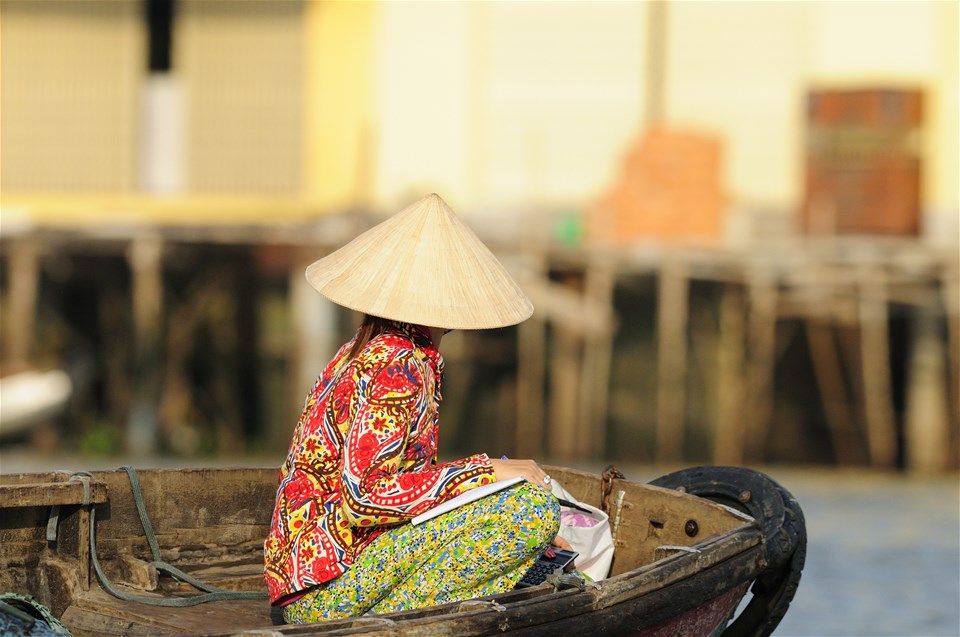
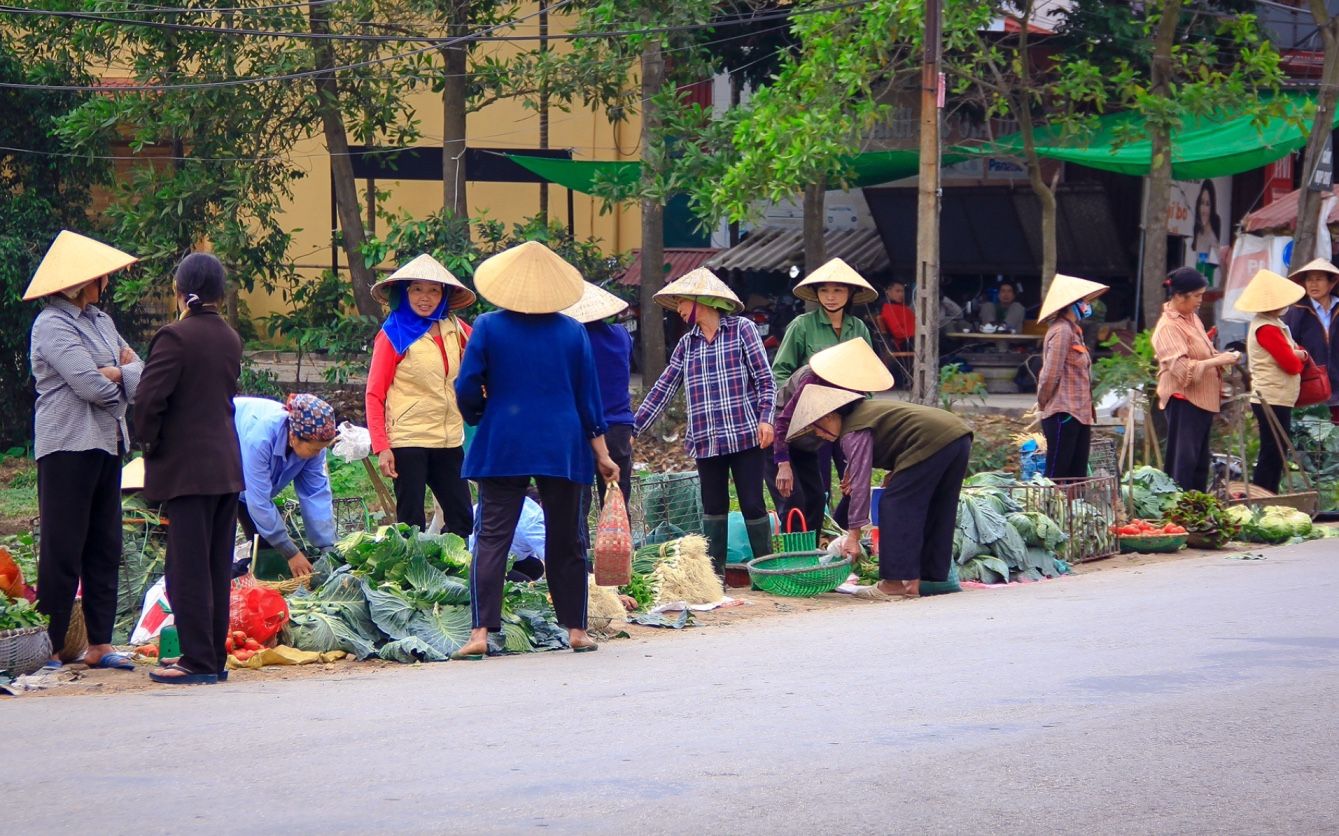
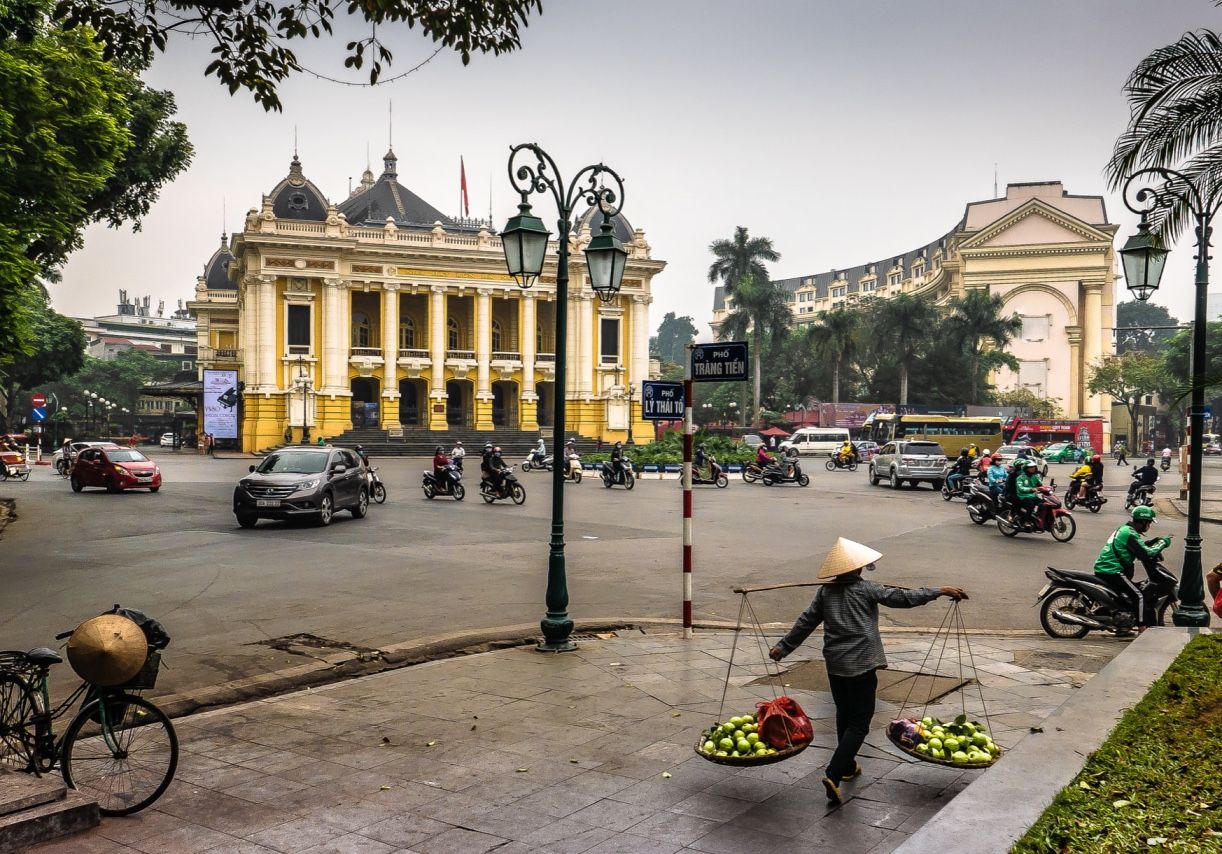
Probably one of the few icons symbols everyone would notice as soon as they touch down in Vietnam. The conical hat, or nón lá, is another unmistakable symbol of Vietnam. Made from palm leaves, bark, and bamboo, this hat has protected generations of Vietnamese from the scorching sun and heavy rains of the tropical climate.
But more than its practicality, the nón lá carries deep cultural meaning. It symbolizes the simplicity and charm of rural life in Vietnam. Whether on the heads of market vendors, farmers in rice paddies, or street food sellers in Hanoi, the nón lá is an enduring image of Vietnam’s working-class beauty. Its shape, both humble and poetic, is often featured in Vietnamese poetry and music as a metaphor for home and love.
5. Dong Son Drum
Dating back over 2,000 years, the Dong Son drum is a powerful relic of Vietnam’s ancient civilization. Originating from the Dong Son culture in the Red River Delta, these bronze drums are engraved with intricate patterns depicting daily life, warriors, and rituals. They offer rare insights into how ancient Vietnamese people lived, celebrated, and worshipped.
Today, the Dong Son drum is not just an archaeological treasure; it’s a cultural icon. Replicas of the drum appear in museums, schools, and cultural institutions, reminding Vietnamese people of their rich and independent past. It is a symbol of the continuity of Vietnamese civilization, long before colonial or modern influences arrived.
6. Lac Bird
You may notice a unique bird image often found on Dong Son drums, temples, and national symbols. That is the Lạc bird, a mythical creature considered to be the totem of the ancient Vietnamese people. It’s often shown with long wings and a sharp beak, flying freely through the skies.
The Lạc bird symbolizes freedom, resilience, and national pride. In modern times, it continues to appear in design motifs, architecture, and even on government documents. It represents the Vietnamese aspiration to soar, survive, and thrive regardless of challenges.
7. Pho, the iconic noodle soup
Of all Vietnamese dishes, phở is undoubtedly the most iconic. This flavorful noodle soup, traditionally made with beef or chicken, fragrant herbs, and a clear, slow-cooked broth, has become a symbol of Vietnamese cuisine worldwide. It’s more than just a meal, it’s a cultural experience.
Each bowl of phở reflects a delicate balance of flavors: star anise, cinnamon, roasted ginger, onions, and fresh herbs like cilantro and basil. While Hanoi is known for its subtle, northern-style phở, Saigon offers a slightly sweeter and richer version. No matter the style, phở represents Vietnamese hospitality, warmth, and attention to culinary detail. It’s both street food and comfort food; one bowl tells the story of tradition, family, and daily life in Vietnam.
- Check out must try Vietnamese foods

8. The bamboo, Symbol of Resilience
Bamboo, or tre (Pronounced Che), is one of the most enduring symbols of the Vietnamese people. It bends but doesn’t break, an image that perfectly captures the Vietnamese spirit through war, colonization, and hardship. Bamboo plays a key role in folk tales, shapes village life, and served as a tool for national defense—locals used it to make traps and spears against invaders.
Today, bamboo is still used in construction, crafts, musical instruments, and daily tools. Its image appears in literature and proverbs as a metaphor for strength, loyalty, and unity. Wherever you go in Vietnam, from the Mekong Delta to the northern mountains, you’ll find bamboo standing tall, just like the people it represents.
9. The Water Buffalo, Animal Connected Closely to the Farmers
The water buffalo, or trâu (Chau), has long been considered a loyal companion of Vietnamese farmers. In the rice paddies of Vietnam, especially in the rural countryside, the image of a water buffalo plowing fields alongside its owner is both iconic and touching. For centuries, these animals have played a crucial role in Vietnam’s agricultural society.
But more than a working animal, the water buffalo symbolizes patience, strength, and prosperity. In Vietnamese New Year traditions and folk games, the image of the buffalo often appears to represent peace and abundance. It holds a special place in the hearts of many, especially among older generations who remember the days when mechanized farming didn’t exist.
10. Coffee of Vietnam
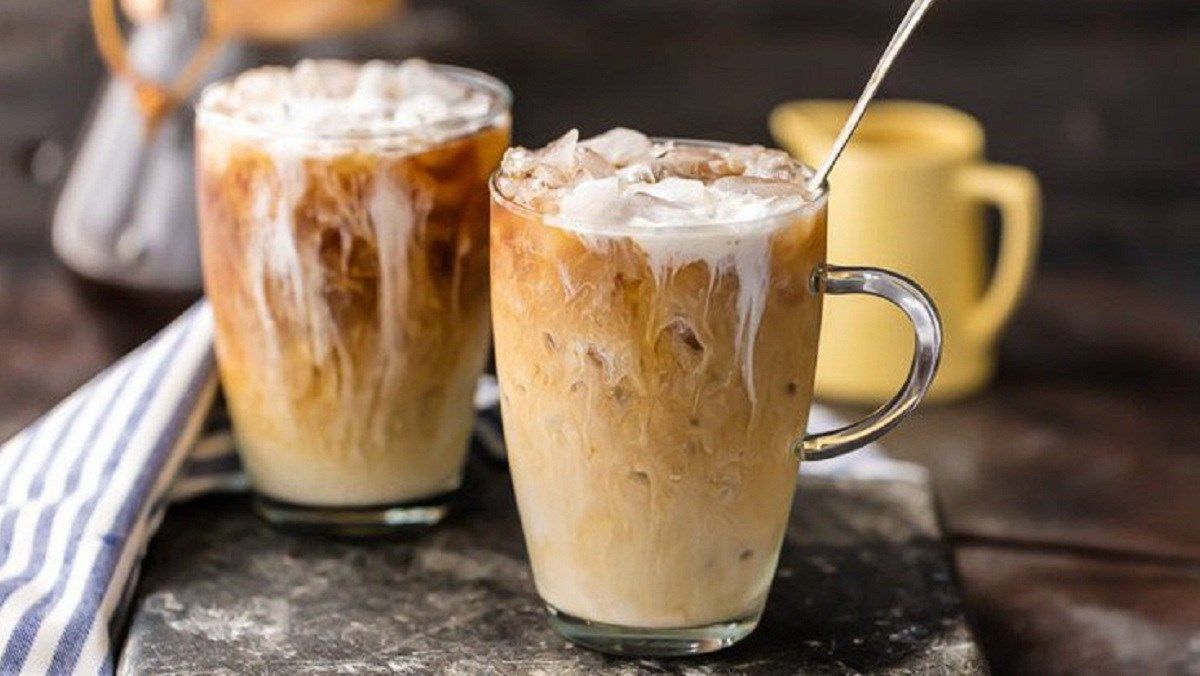
Vietnamese coffee stands out as an iconic drink and plays a big role in daily life across Vietnam. Locals drink it every morning, often while relaxing at street-side cafés. They brew it using strong Robusta beans and a slow-drip metal filter called a “phin,” which creates a rich, bold taste. Most people enjoy it with sweet condensed milk (known as “cà phê sữa đá”) or simply black with ice. Over time, this beloved drink grew into a national symbol of Vietnam’s coffee culture.
- Check out Vietnam coffee
Vietnam: Symbol of peace, freedom & happiness
Some other interesting things about Vietnam – A beautiful country and a symbol of peace, freedom: Vietnam is a beautiful country, but what truly makes it stand out is its symbolism of peace and independence. Despite its painful history, Vietnam has managed to emerge not just as a peaceful nation but as one that celebrates its culture with pride. Vietnamese people seem to love their national flag more than most, displaying it proudly on every major holiday or historical commemoration.
Vietnam is part of Southeast Asia, yet its Latin-based writing system (quốc ngữ) is unique in the region. This reflects a different cultural path, influenced by history but deeply rooted in its own identity. From the French colonial legacy to its strong Confucian roots, Vietnam blends East and West, tradition and progress, in fascinating ways.
The country’s recent economic rise is another miracle. Just over 40 years after the war ended, Vietnam now stands among the fastest-growing economies in Asia. Cities like Ho Chi Minh City and Hanoi are booming hubs of technology and trade, while still preserving centuries-old temples, street food culture, and family-centered traditions.
Bottom line: Why are Vietnamese Symbols Important?
Every iconic symbol of Vietnam connects deeply with its local culture and long-standing traditions. From the moment you explore this beautiful country, you’ll start to feel the charm that lies beneath each symbol.
Still wondering if this small land is worth visiting? Absolutely — you should come at least once to truly experience its culture, heritage, and warmth.
People don’t know Vietnam for just one thing — they remember it for the harmony of its iconic images.
- Red flag that carries hope and history
- Lotus that rises from muddy water, symbolizing luck and purity
- Bamboo forest that bends but never breaks
- Bowl of phở that brings people together