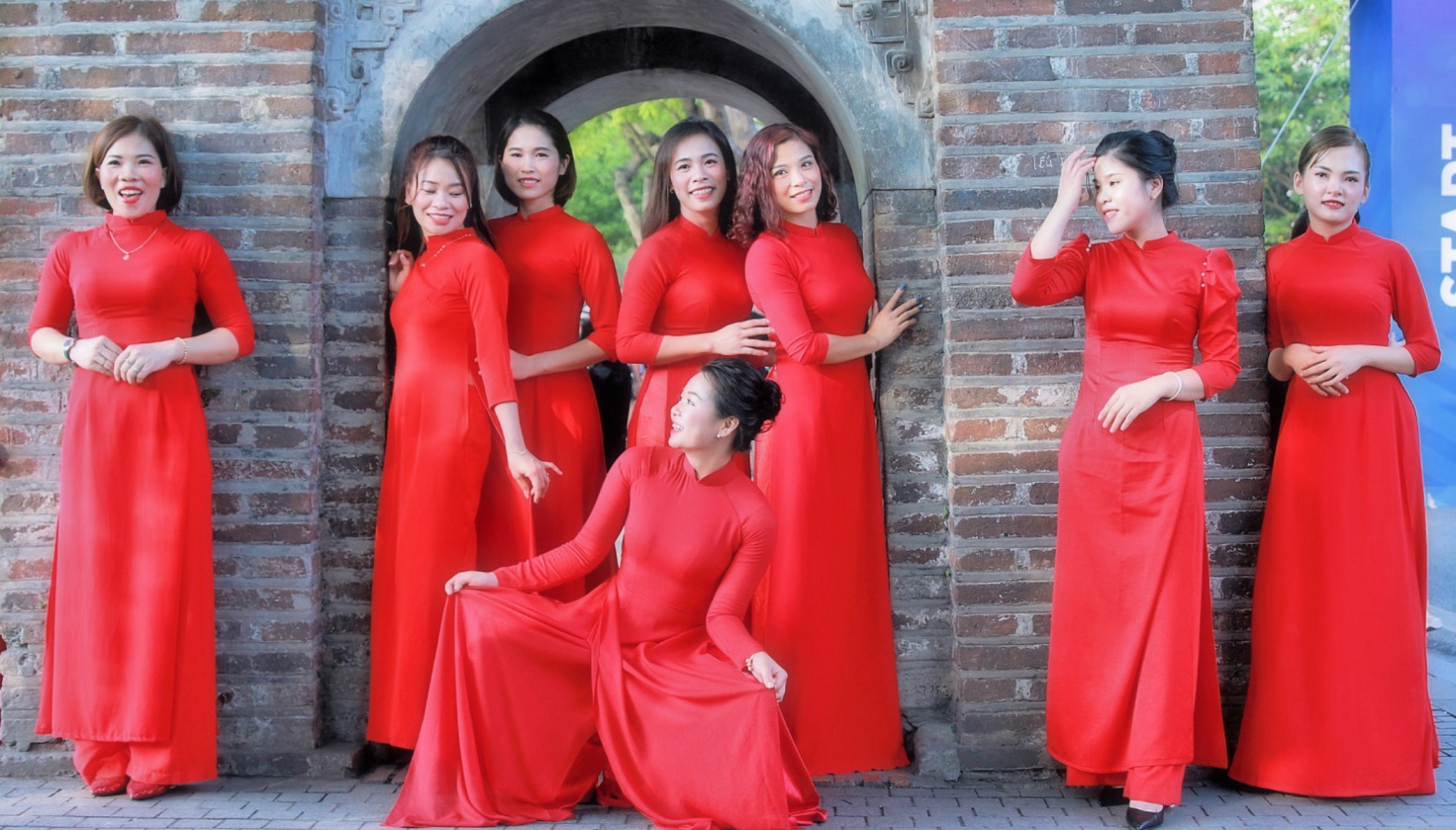



The Ao Dai stands as Vietnam’s iconic national costume, symbolizing cultural pride and identity. This elegant, full-length dress reflects the beauty, modesty, and grace of Vietnamese tradition. Influenced by the Qing Dynasty’s Cheongsam, the Ao Dai evolved into a unique expression of Vietnamese fashion. Typically, women wear it as a fitted dress over black or white trousers, creating a timeless and graceful silhouette.
What is Ao Dai? The Vietnam’s National Dress
Ao Dai is a long tunic worn over silk pants by both men and women. “áo” means “shirt” and “dài” means “long”.
Vietnam’s national dress, the áo dài, is one of the country’s most iconic symbols. Over the centuries, it has evolved with Vietnam’s history—shifting from royal attire to a modern, practical outfit worn on special occasions and daily life alike.
The áo dài, Vietnam’s traditional dress, symbolizes the nation’s rich culture and heritage. From Hanoi to Hue, Hoi An to Saigon, people of all ages—men, women, and children—wear it in diverse colors and styles for both daily life and special occasions.
Discover Vietnam on your next vacation: Check out Best Vietnam Tours & Holidays
The History of the Ao Dai
The story of the ao dai, Vietnam’s most iconic traditional dress, began in 1744 during the country’s division into the Inner Land (Đàng Trong) and Outer Land (Đàng Ngoài). To distinguish his people, Lord Nguyễn Phúc Khoát of the Inner Land instructed his subjects to wear a front-buttoned gown paired with trousers. This outfit, known as the áo ngũ thân (five-part dress), laid the foundation for the modern ao dai.
During that time, royals and the elite chose the finest silk and added vibrant colors and detailed embroidery to their Vietnamese dresses to reflect their status in court. As Vietnamese fashion evolved, a major shift occurred in the 1930s. Influenced by Western tailoring, artist Le Mur Nguyễn Cát Tường reimagined the áo dài into a more fitted, two-part form. He extended the front flap to the ankle and gave the dress a modern silhouette. Although many initially resisted this “Westernized” version, the style gained popularity after Le Mur designed a collection for Queen Nam Phương, the wife of Emperor Bảo Đại. Urban women soon embraced this new interpretation of the Vietnam national dress.
In 1947, Hồ Chí Minh acknowledged the dress’s beauty but urged citizens to adopt more practical clothing for agricultural and industrial work. As a result, the ao dai transitioned into an outfit worn mostly during professional events, national celebrations, and formal occasions.
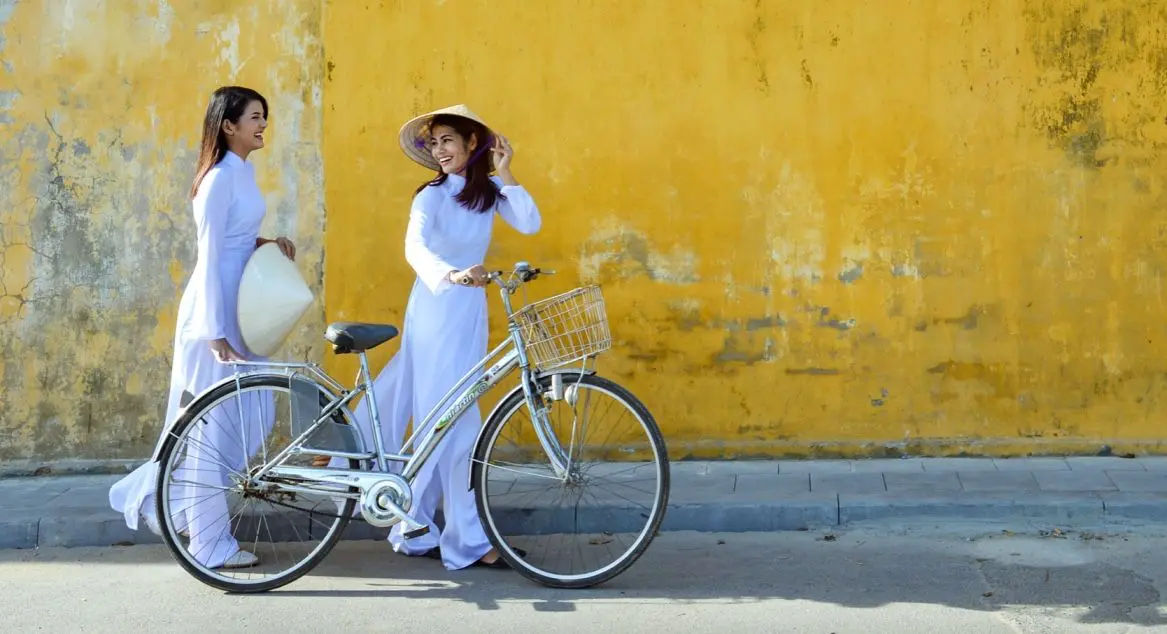
Today, the ao dai remains deeply embedded in Vietnamese culture. High school girls across Vietnam wear the white ao dai once a week as part of their school uniform. The sight of young women cycling to school in flowing white ao dai continues to inspire countless poems, paintings, and songs. Whether worn by schoolgirls, professionals, or brides, the traditional Vietnamese dress continues to represent elegance, cultural pride, and timeless beauty.
The Importance of Colors on Ao Dai
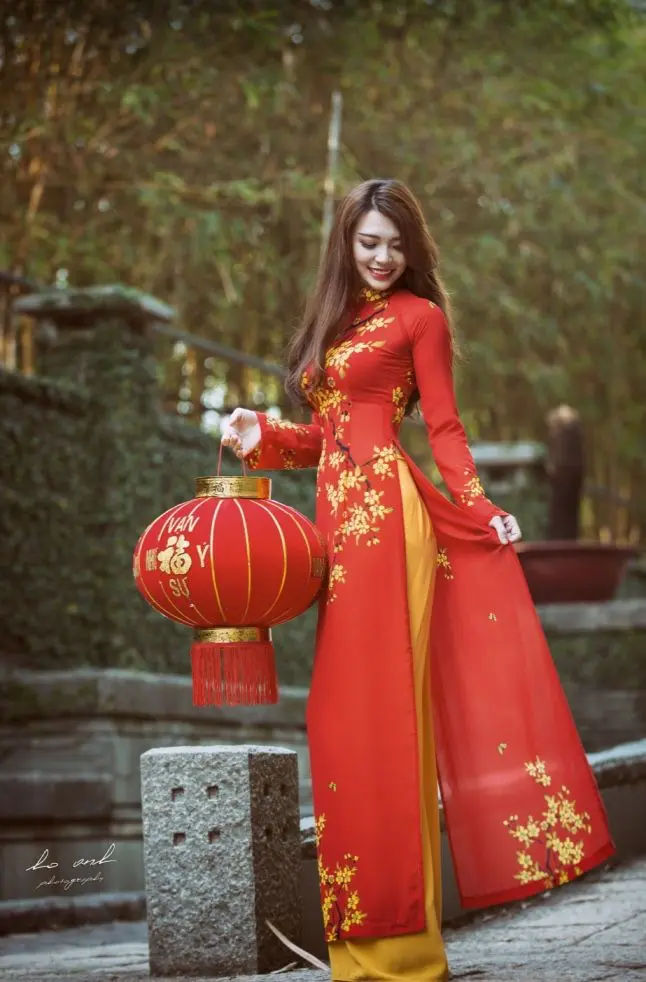
According to Vietnamese culture, the color of an ao dai carries deep symbolic meaning, often representing luck, prosperity, or purity. For daily wear, especially among students, schools typically require simple white or blue ao dai dresses. However, during special occasions like Tết (Lunar New Year) or weddings, women often choose vibrant colors—most commonly red or light pink—to symbolize happiness, love, and good fortune.
Yellow once symbolized royalty in local culture, but today it represents power, prosperity, and joy. Even black, which traditionally signified mourning, now appears in modern ao dai styles, especially for formal and elegant occasions.
Modern Ao Dai
Modern Ao dai designers confidently explore creative variations—from boat necks and short sleeves to cropped and knee-length cuts. These updates not only give the Vietnamese traditional dress a fresh, contemporary look but also make it more practical for daily life. As a result, people can now wear the ao dai in less formal settings.
For example, knee-length styles work perfectly for riding bicycles or motorcycles, while casual necklines like scoop necks and boat necks offer a cooler option for hot summer days. Today’s modern ao dai styles strike a balance between tradition and function, blending elegance with everyday comfort.
Tailor-made your own Ao Dai
Wearing an áo dài shows respect and suits many occasions, from fancy dinners and important meetings or celebrations. Just remember to always pair your áo dài with pants or trousers for the set look.
If you want a ready-to-wear áo dài, explore the shops in Hanoi’s Old Quarter or Hội An old quarter in souvenir shops, or the best place in Hanoi’s Kim Ma street, where you’ll find a wide variety of styles.
Additionally, Hội An’s skilled tailors can craft a custom áo dài in just a day or two, allowing you to choose your preferred style and colors for a unique touch. For a truly personalized experience, visit Vạn Phúc silk village near Hanoi.
There, you can buy premium silk directly from the source, learn about traditional silk-making, get your áo dài tailored, and capture beautiful photos amid flowing silk ribbons. This journey combines culture, craftsmanship, and style perfectly.
The Evolution of Ao Dai
The ao dai rose in popularity during the 1970s, especially after the reunification of North and South Vietnam, becoming a powerful symbol of national identity and resilience. While the male version of the ao dai has remained mostly unchanged, the female version has continued to evolve with intricate designs and diverse silhouettes that reflect both tradition and modern fashion trends.
Moreover, during the late 1980s and early 1990s, beauty pageants flourished across Vietnam, further elevating the ao dai as a defining symbol of cultural pride. The Vietnamese diaspora also played a key role in promoting the dress globally by sharing their customs and traditions abroad.
The ao dai represents the strength and resilience of Vietnamese women, passed down proudly from grandmothers to mothers and daughters. For Vietnamese people everywhere—whether born in Hanoi, Hue, Saigon, or abroad—this traditional dress carries deep emotional value, telling stories of the past while preserving cultural identity for future generations.
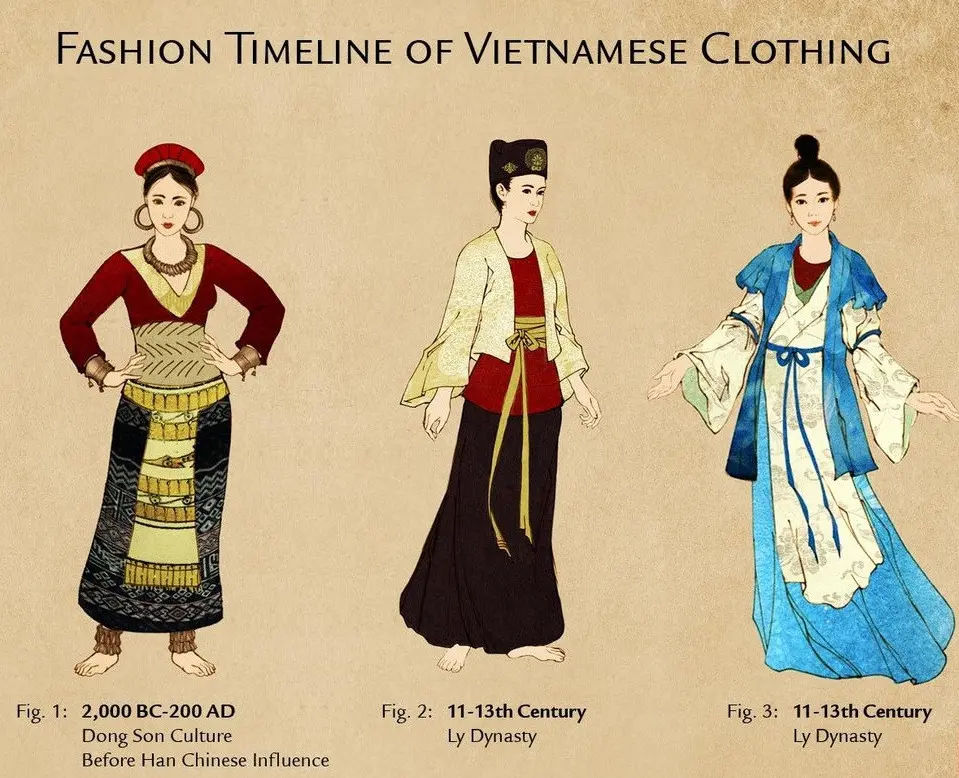
FAQ: AO DAI NATIONAL DRESS
Do Vietnamese Still Wear the Ao Dai?
While less common to see it in Vietnam’s larger cities like Hanoi and Ho Chi Minh City, the national dress remains popular in smaller towns. Professional women in the tourism industry and students frequently wear the ao dai, keeping the tradition alive.
In cities like Hue & Hoi An, students wear Vietnam’s national dress almost every day. in Hanoi and Saigon, some schools required students to wear Ao Dai on Mondays.
What about other traditional dresses in Vietnam?
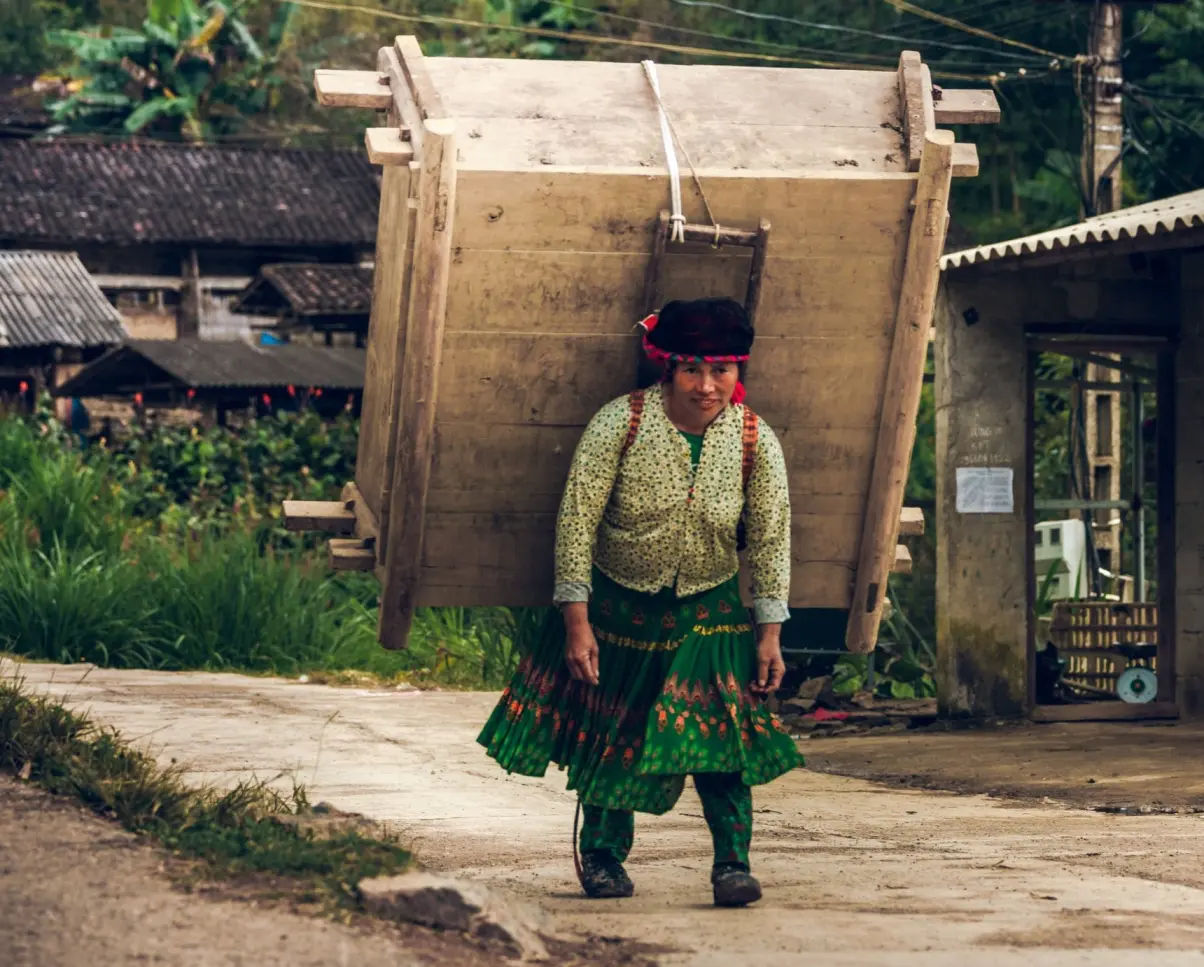
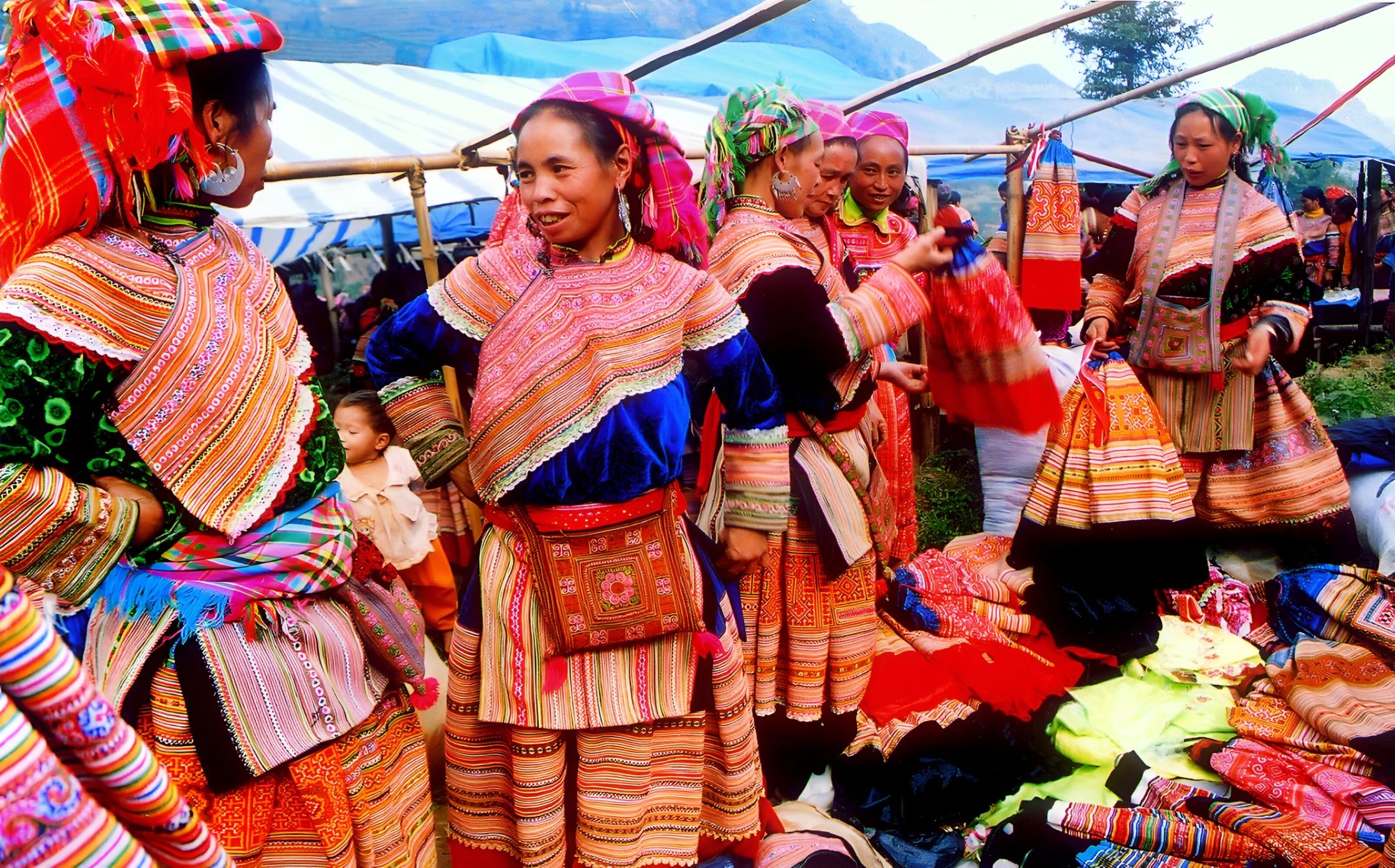
Variation of Vietnamese Traditional Dress – The 54 ethnic groups in Vietnam showcase diverse attire, with the ao dai representing the Kinh people, commonly referred to as the Vietnamese.
While some ethnic groups, like the Hmong and Dao, continue to wear their intricately dyed and embroidered traditional garments regularly, others have replaced their cultural attire with inexpensive Chinese-made clothing or Western-style t-shirts.
What is the meaning of Ao dai?
The ao dai, translate as a “long shirt” in Vietnamese, carries deep symbolic significance beyond its literal translation. The high collar embodies modesty, while the tunic’s side slits represent freedom.
What does the AO Dai symbolize?
Aside being the national dress, the Ao Dai symbolise the culture, history, and identity of the Vietnamese, far beyond being merely a traditional dress. It reflects values like modesty, elegance, and femininity, embodying the rich beliefs and traditions of Vietnam.
How much does an Ao Dai cost in Vietnam?
What is the Price of Ao Dai in Vietnam? In cities like Hanoi, Hoi An, Hue, and Saigon, prices for an ao dai vary widely. Basic designs start at around 500.000 VND (20 USD), while high-end versions tailored with silk and more expensive fabrics especially in Hanoi’s Old Quarter, can reach up to 5,000,000 VND (250 USD).
What to wear under Ao Dai?
Tips for Wearing Ao Dai in Vietnam – To wear the dress gracefully, choose a specially designed bra that shapes your upper body. Vietnamese women often pair the ao dai with brightly colored underwear to complement the dress.
How do I choose Ao Dai?
Select material carefully, Chiffon, silk, and lace make excellent choices for ao dai due to their lightness and femininity. For colder weather or older individuals, velvet works well. Color selection is equally important—choose shades that complement your skin tone and body shape for the best fit.
What is a male ao dai called?
The Ao Gam is the male counterpart. Found throughout Vietnam and in overseas Vietnamese communities, the ao dai is a significant cultural symbol.
What is the difference between ao dai and qipao?
One is Chinese while the other is Vietnamese. The Cheongsam, also known as the Qipao, is a traditional Chinese dress with a long history in Chinese culture, popularized in the early 20th century. In contrast, the Ao Dai, the national Vietnamese dress, has symbolized Vietnamese culture for centuries and is often associated with grace and elegance.
What is the English name for ao dai?
Directly translates as long shirt and the term can also be used to describe any clothing that include a long tunic.
What shoes do you wear with ao dai?
Pointed toe shoes are the best shoes to wear together with traditional dress and it become most stylish with the heel as high as 3 to 5 centimeters. Besides, if you are not used to wearing heels, you can also change to square heels shoes, both works fine.
How do you pronounce ao dai?
Just pronounce it as “Ao Zai” in Hanoi and northern Vietnam and “Ao Yay” in Ho Chi Minh City & southern Vietnam. Any of these terms are correct and locals understand it well. To know more, check it out on wikipedia