

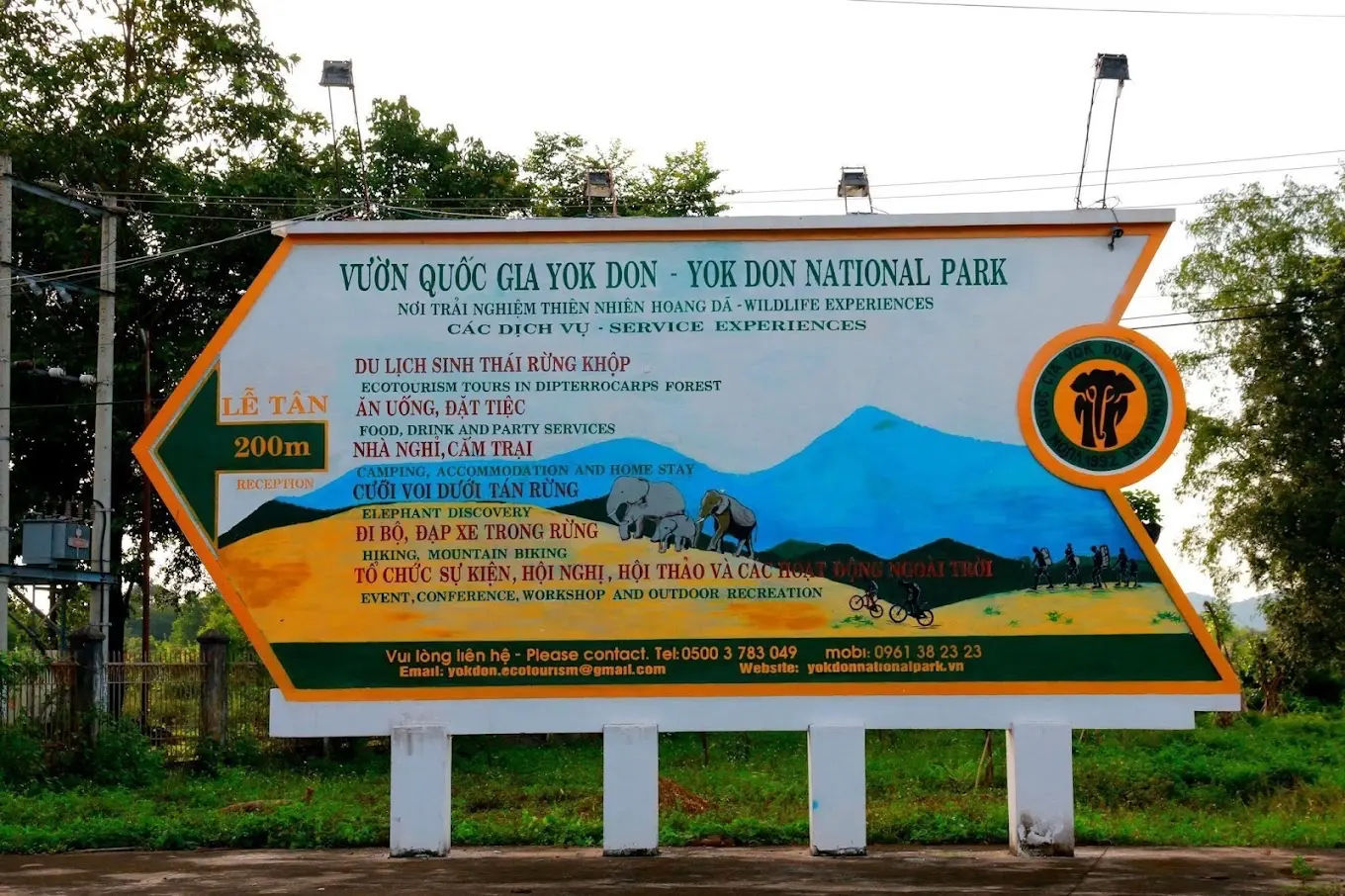
Yok Don National Park is Vietnam’s second-largest national park, covering 115,000 hectares of dry deciduous forest in the Central Highlands, 40 kilometers west of Buon Ma Thuot. It is the only national park in Vietnam with a formal ethical elephant program, and one of the few where you can trek overnight in the forest with a licensed ranger guide. This guide covers everything you need to plan a visit: things to do, entrance fees, the best time to go, how to get there, where to stay, and whether it is worth the journey.
What is Yok Don National Park?
Yok Don National Park was established in 1992 in Dak Lak Province, along the Cambodian border. It covers 115,545 hectares of dry deciduous dipterocarp forest — a landscape distinct from Vietnam’s tropical rainforests. Rather than dense, humid jungle, Yok Don is open and airy. In the dry season, the trees shed their leaves and the ground turns golden. In the wet season, the forest fills with green. The Serepok River runs through the park, and the terrain is mostly gently rolling land with rivers, grasslands, and small lakes.
The park is home to Asian elephants, gaur, gibbons, leopards, deer, and over 300 species of birds. It is also home to Ede and M’nong ethnic communities who have lived in and around the forest for generations.
Is Yok Don National Park worth visiting?
Yes — if you are traveling through the Central Highlands or flying into Buon Ma Thuot, Yok Don is worth at least two days. It is not a park that dazzles on arrival. There are no dramatic cliffs like Phong Nha and no dense rainforest canopy like Cat Tien. What it offers is quieter and rarer: open forest you can actually walk through, ethical elephant encounters you will not find elsewhere in Vietnam, rich birdlife, and access to Ede and M’nong villages that most tourists do not reach.
The park still holds a genuine sense of wildness. Visitor numbers are low compared to Vietnam’s more famous parks, which means trails are quiet and encounters with wildlife feel unscripted. If you have been to the standard Vietnam highlights and want something that feels off the beaten track, Yok Don delivers that.
A note from the author: My visit to Yok Don was unplanned. After two and a half weeks in northern Vietnam, three days in Hoi An, and a rainy day in Hue, my friend Ali asked if I wanted to join her for a two-night trip. I said yes without thinking about it. What follows is what we found — along with the practical information I wished I’d had before we arrived.
Things to do in Yok Don National Park
Yok Don has five main activities for visitors. All treks and guided excursions must be booked through the park visitor center.
1. Ethical elephant encounter
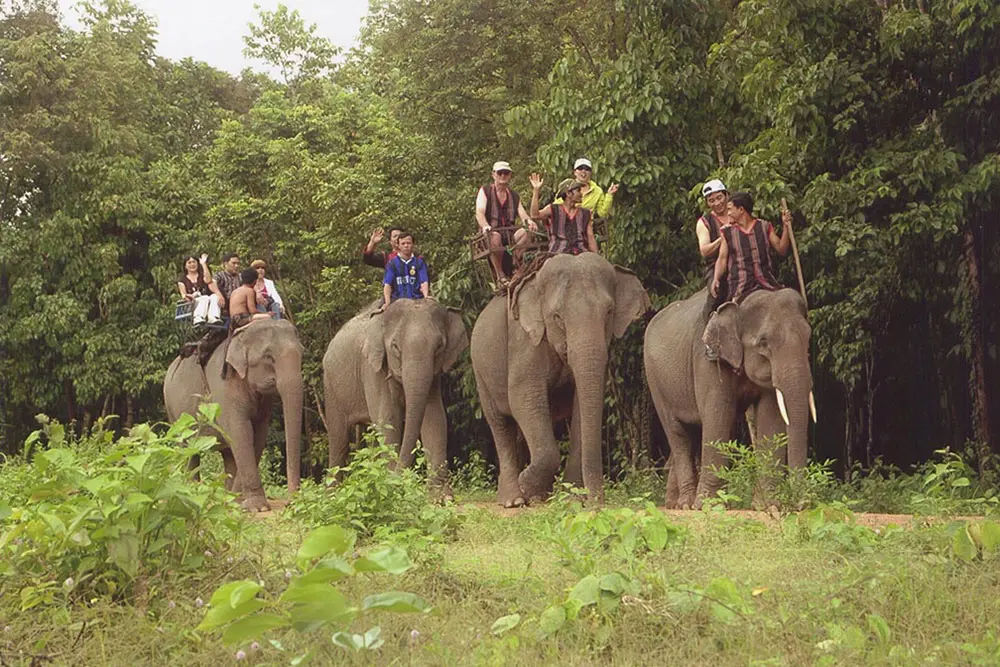
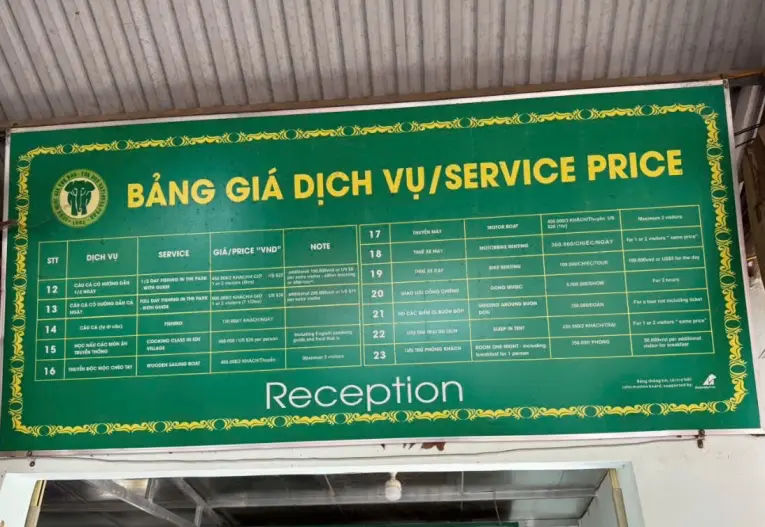
Yok Don runs one of the only formal ethical elephant programs in Vietnam. There are no rides, no performances, and no chains. You walk alongside elephants as they move through the forest, watch them forage for leaves and bark, and feed them under the supervision of their mahouts. The experience runs for half a day and costs approximately [INSERT ELEPHANT EXPERIENCE PRICE] per person. It is the activity most visitors come specifically for, and it is handled with more care here than anywhere else in the country.
2. Jungle trekking and overnight camping
The park has trails for day hikes and multi-day treks. Short hikes of two to three hours take you to viewpoints and riverbanks. Longer treks require a licensed ranger guide and take you deeper into the forest, where you camp overnight, cook over a fire, and wake up to gibbons calling at dawn. Overnight treks must be arranged in advance through the visitor center and are not available for walk-ins.
3. Birdwatching
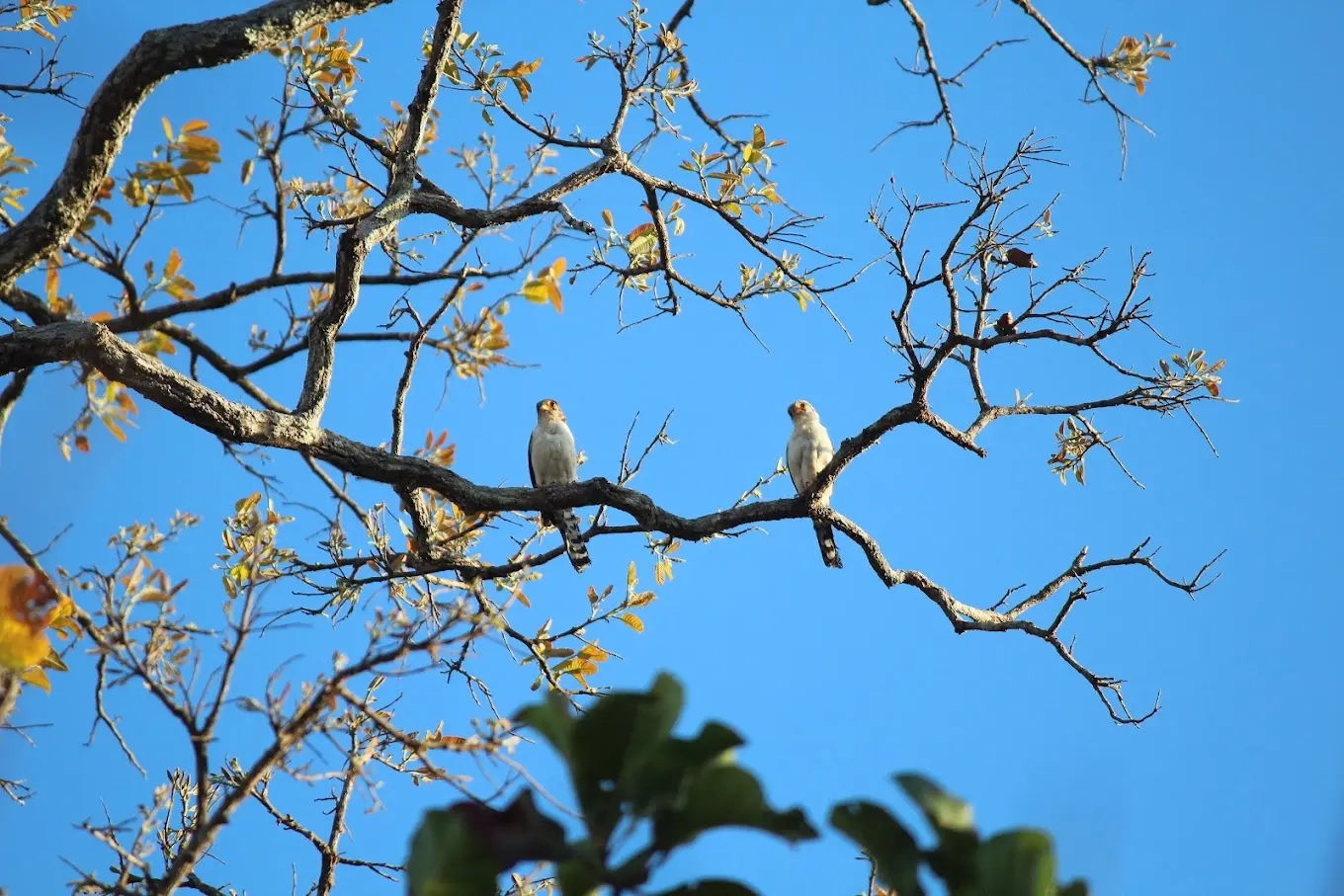
Yok Don has over 300 recorded bird species. The dry deciduous forest is particularly good habitat for hornbills, woodpeckers, and kingfishers. Early morning, between 5:30am and 8am, is when activity peaks. The open canopy of the dry forest makes spotting easier than in denser jungle environments. Bring binoculars. A local birding guide significantly increases what you will see.
4. Visit Ede and M’nong villages
Ban Don village sits near the park entrance and is home to Ede and M’nong communities. Stilt houses, traditional weaving, and matriarchal customs are part of daily life here. A guided visit includes an introduction to local food, rice wine, and the history of the community’s relationship with the forest. This is not a staged performance — families live here and visitors are guests.
- Learn about Vietnam’s 54 ethnic minority groups
5. Boat trip on the Serepok River
The Serepok River runs through the park and can be explored by boat. Trips last one to two hours and cost approximately [INSERT BOAT TRIP PRICE] per person. The river gives a different view of the forest — quieter and cooler, particularly in the afternoon. Late afternoon departures catch the light well as it hits the water through the tree line.
Yok Don National Park entrance fee and tickets
The entrance fee for Yok Don National Park is vary based on the activity you’re taking. Children under a certain age may enter at a reduced rate, confirm at the visitor center. All guided activities are priced separately and paid at the center on arrival or in advance for multi-day treks.
There is no online booking system for the park. All tickets and activity bookings are handled in person at the main visitor center at the park headquarters, which opens at 7:30am. If you are joining a tour operator, they will handle entrance and activity fees as part of the package.
A licensed guide is compulsory for all trekking activities inside the park. This is enforced. Solo entry into the forest is not permitted. Guide fees are separate from the entrance ticket and are paid at the visitor center.
Best time to visit Yok Don National Park
The best time to visit Yok Don National Park is November to April, the dry season, when trails are passable and wildlife is easier to spot near water sources. November and December are the most comfortable months, with average temperatures around 25 to 28°C and low humidity. February and March are ideal for birdwatching. April is hotter, reaching 33 to 35°C by midday, but the dry forest at the end of the dry season has its own quality — golden, open, and very still.
The wet season runs from May to October. Rainfall peaks in August and September. Trails become muddy, leeches are active, and some river activities are suspended. Visiting around late October or early November catches the forest just after the rains when it is still green but the paths are drying out.
- Check out the best time to visit Vietnam by region
How to get to Yok Don National Park
Yok Don National Park is 40 kilometers west of Buon Ma Thuot, the capital of Dak Lak Province. The drive from Buon Ma Thuot to the park takes approximately one hour by car or 50 minutes by motorbike along a paved road through small villages and open countryside.
To reach Buon Ma Thuot from major cities:
From Ho Chi Minh City: daily flights (1 hour 10 minutes) or overnight bus (approximately 8 to 9 hours). Flights are the practical choice. Bus connections are available but slow.
From Hanoi: daily direct flights (1 hour 40 minutes) or a combination of bus and train connections if you are traveling overland through the Central Highlands.
From Da Nang: daily flights (1 hour) or bus connections via Kon Tum and Pleiku (approximately 6 to 7 hours overland).
From Buon Ma Thuot to the park, options include renting a motorbike in the city (approximately 80,000 to 120,000 VND per day), hiring a taxi or private car for the day, or joining a guided tour that includes transport.
Where to stay near Yok Don National Park
There are three accommodation options based on how close you want to be to the park and how much comfort you need.
Inside the park at headquarters: basic guesthouses and simple rooms are available within the park compound. The facilities are minimal but the location means early starts for treks and morning wildlife activity without commuting. Best for serious trekkers and birdwatchers.
Ban Don village homestays: staying with a local Ede or M’nong family in a traditional stilt house. Basic facilities, home-cooked meals, and direct access to cultural experiences in the evenings. This is the most immersive option and often the most memorable.
Buon Ma Thuot city: the city has a full range of hotels from budget guesthouses to comfortable 3 and 4 star hotels. Better food options and facilities, but you will need to commute 40 kilometers to the park each day, which adds time and cost.
For a two or three night trip, one night at the park or in Ban Don combined with a final night in Buon Ma Thuot before your flight out works well.
Travel tips for Yok Don National Park
- Pack sturdy shoes with ankle support, long trousers (for leeches in wet season and sun in dry season), neutral-coloured clothing, a light rain jacket, insect repellent, sunscreen, a hat, a flashlight or headtorch for early starts, binoculars, and cash. There are no ATMs near the park.
- Confirm your fitness level honestly before booking multi-day treks. Some routes cover 15 to 20 kilometers per day on uneven terrain.
- Book guides through the park’s official visitor center, not through informal sellers near the entrance.
- Phone signal is limited or absent inside the park. Download offline maps before arrival.
- Carry out all waste, stay on marked trails, and ask permission before photographing people in villages.
- The elephant encounter program has limited daily slots. Book at least one day in advance if possible, and in advance if visiting during Vietnamese public holidays.
FAQ: Yok Don National Park
Can I see elephants in the wild at Yok Don?
Yes. Yok Don is home to semi-wild Asian elephants and runs one of the only ethical elephant programs in Vietnam. Visitors walk alongside elephants as they move through the forest and watch them forage naturally. There are no rides or performances. The program is run through the official park visitor center.
Is Yok Don National Park worth visiting?
Yes, particularly if you are traveling through the Central Highlands or flying into Buon Ma Thuot. Yok Don is Vietnam’s most accessible park for ethical elephant encounters, overnight jungle trekking, and birdwatching, and has significantly fewer visitors than parks like Phong Nha or Cat Tien. Two days is the minimum to get a genuine feel for the park.
How much time should I spend in the park?
Two to three days is ideal. One day gives you the elephant encounter and a short trek. Two days adds a boat trip on the Serepok River and a village visit. Three days allows for an overnight camping trek deep into the forest.
What is the entrance fee for Yok Don National Park?
The entrance fee is [INSERT CURRENT PRICE VND] per adult. All guided activities, including the elephant program, trekking, and boat trips, are priced separately and paid at the visitor center. A licensed guide is compulsory for all trekking and is not included in the entrance fee.
Is Yok Don National Park safe?
Yes. The park is well-managed and all treks are done with licensed rangers. Solo entry into the forest is not permitted. Wildlife encounters, including the elephant program, are handled by experienced staff. The main risks are heat exhaustion in the dry season and leeches in the wet season, both manageable with appropriate preparation.
What is the food like in Yok Don?
Food at the park guesthouses is simple: grilled meats, rice, vegetables, and local herbs. Homestays in Ban Don village offer traditional Ede and M’nong dishes, often including grilled forest mushrooms, fermented fish, and homemade rice wine. Buon Ma Thuot city has a wider range of restaurants including Vietnamese and local Central Highlands cuisine.
How do I get to Yok Don National Park?
Fly to Buon Ma Thuot from Ho Chi Minh City (1 hour 10 minutes), Hanoi (1 hour 40 minutes), or Da Nang (1 hour). From Buon Ma Thuot, the park is 40 kilometers west, approximately one hour by car or taxi. Motorbike rental is available in the city for around 80,000 to 120,000 VND per day.
Are there accommodations inside Yok Don National Park?
Yes. The park has basic guesthouses at the headquarters compound. Ban Don village nearby offers homestays with local Ede and M’nong families. Both options require minimal facilities but put you inside or adjacent to the park for early morning starts.
Planning your visit to Yok Don National Park
Yok Don National Park rewards visitors who come with time and patience. The forest does not reveal itself in a single afternoon. Two nights gives you enough time for the elephant program, a river trip, a village visit, and at least one proper trek into the forest interior.
The easiest way to include Yok Don in a broader Vietnam itinerary is by combining it with a flight into Buon Ma Thuot as part of a Central Highlands loop. From Buon Ma Thuot you can continue to Da Lat, Kon Tum, or connect south toward Ho Chi Minh City.
The best way to reach Yok Don as part of a longer overland journey is by motorbike on the 15-day Ho Chi Minh Trail motorbike route from Hanoi to Saigon, which passes through the Central Highlands and includes Yok Don as an off-road detour.
About the author
Ms. Thu is a Vietnamese travel writer who explores offbeat destinations across Vietnam. She focuses on local culture, nature, and practical travel insights to help readers plan real, experience-driven adventures.
Reference: Yok Don National Park – Wikipedia