


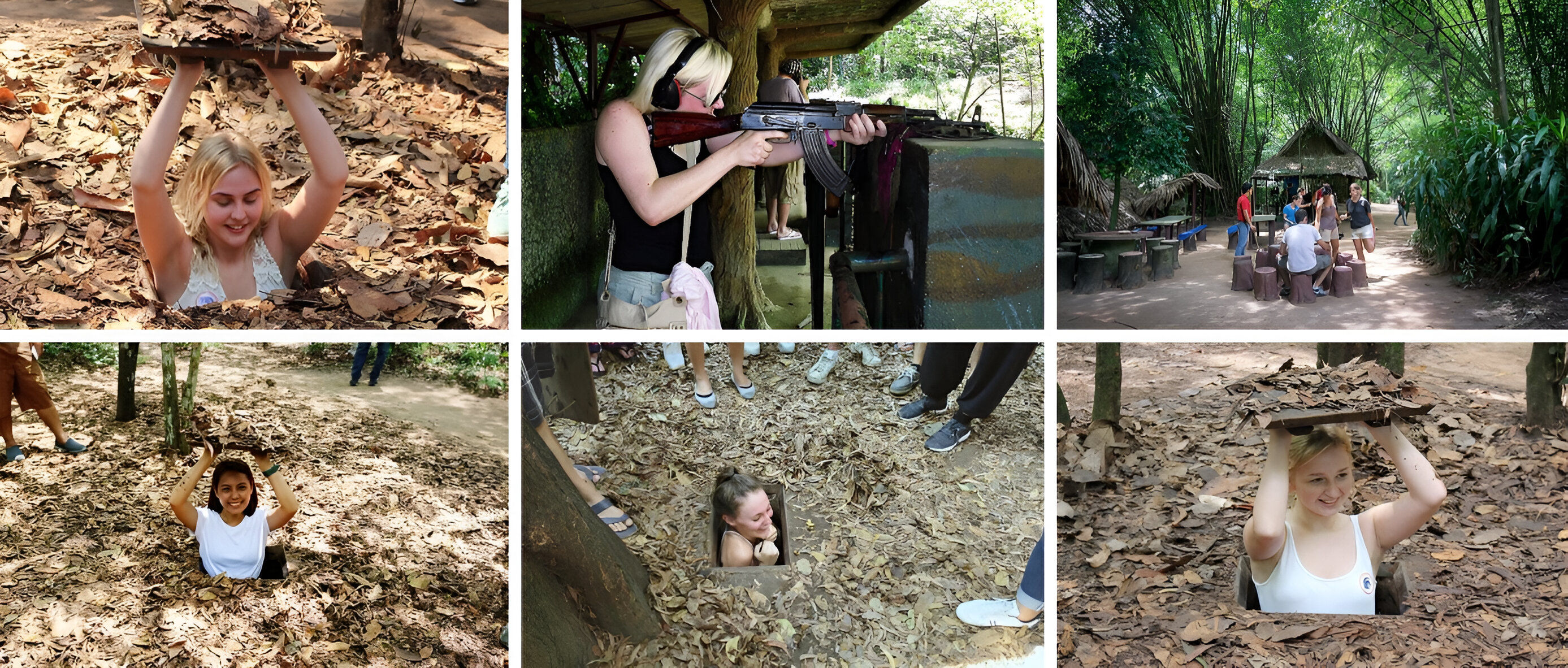
If you’re asking, “What are the top rated tour companies for senior travel to Vietnam?”, you’re already asking the right question. Vietnam is one of Southeast Asia’s most visited destinations for travelers over 60. The food, the history, the landscape variety from Hanoi’s Old Quarter to the Mekong Delta all add up to a trip that stays with you and for many of veterans, the war sites is the reason to visit. The problem isn’t finding a company willing to book you a trip. There are thousands. The real challenge is separating the operators who’ve genuinely built their programs around seniors’ needs from those who’ve simply applied a “senior-friendly” label to a standard group itinerary and called it a trip.
Hi, my name is Pham and on this guide, I walk through the most frequently cited names in senior Vietnam travel, sharing you an honest read on what each does well and where each falls short, and explains why some of the most satisfying senior experiences in Vietnam come from a fundamentally different type of operator. Locally based private operators, companies like Vietnamese Private Tours, headquartered in Hanoi, offer operational advantages over Western-headquartered group tour brands that many seniors find make a genuine difference: local price, private vehicles, flexible itineraries, and guide-to-traveler ratios that group departures simply can’t replicate.
Inspiring Custom Travel Ideas for senior travelers





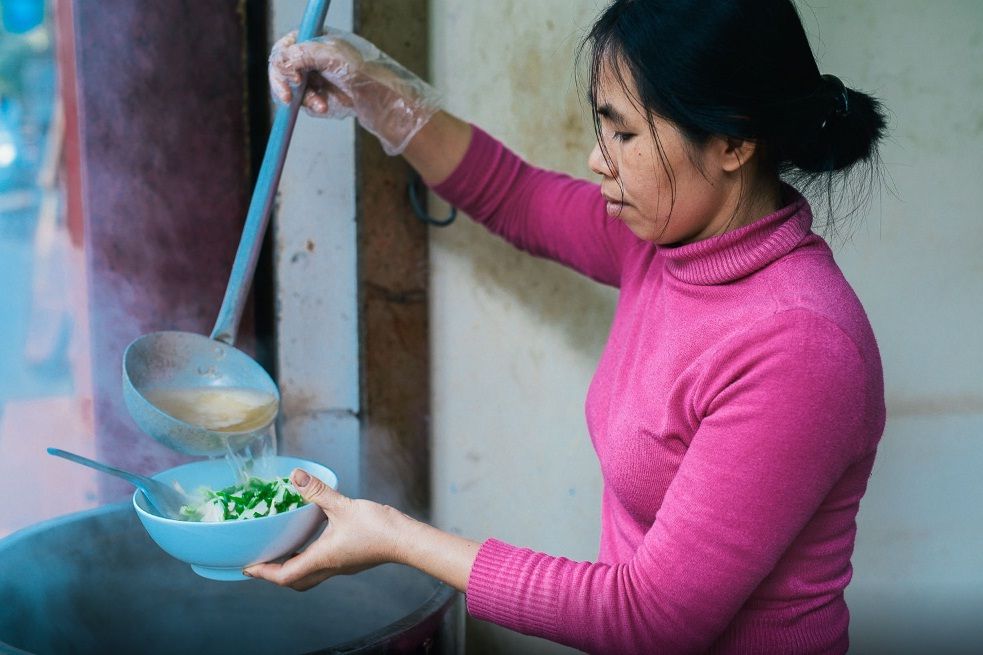
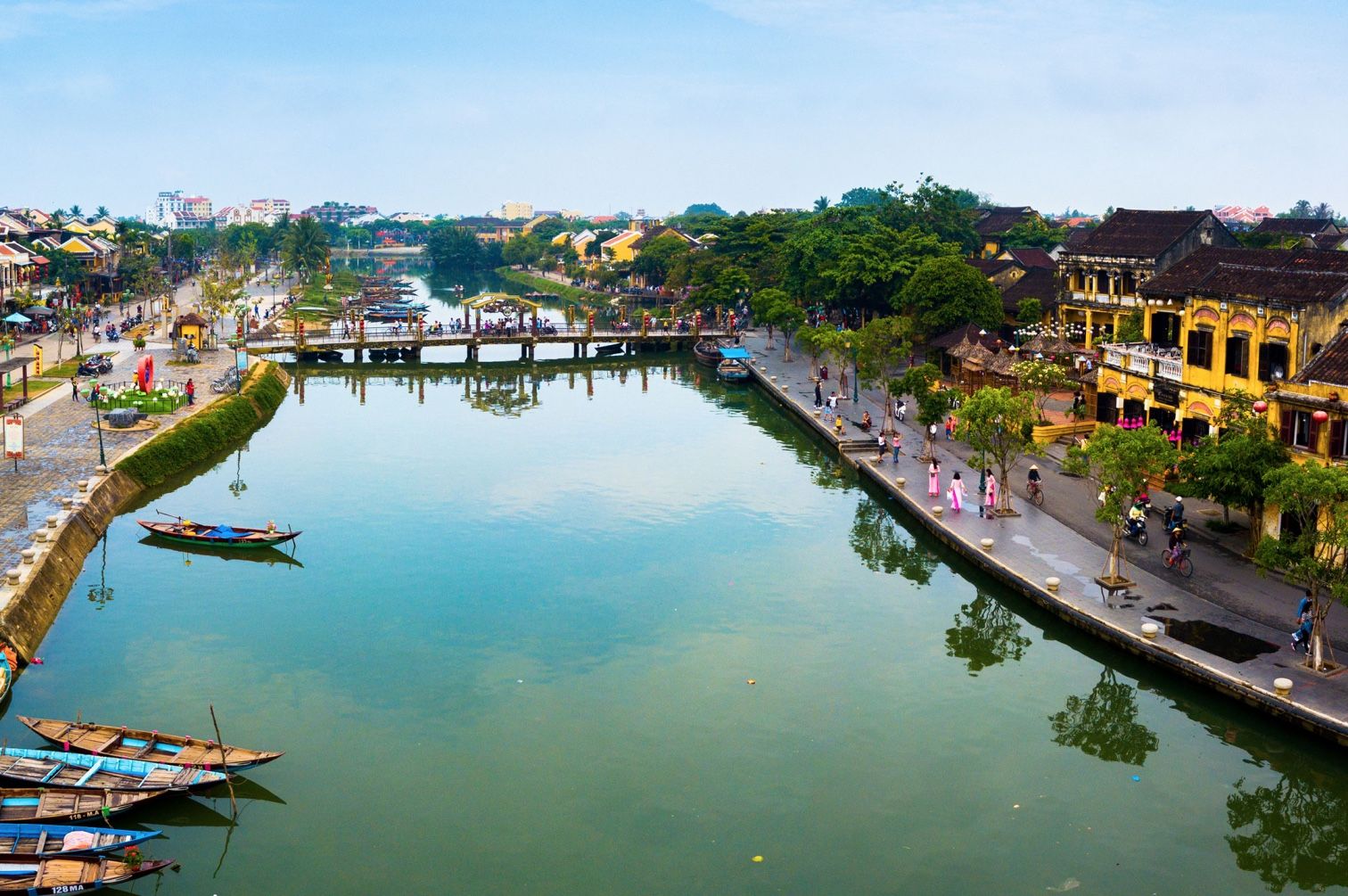
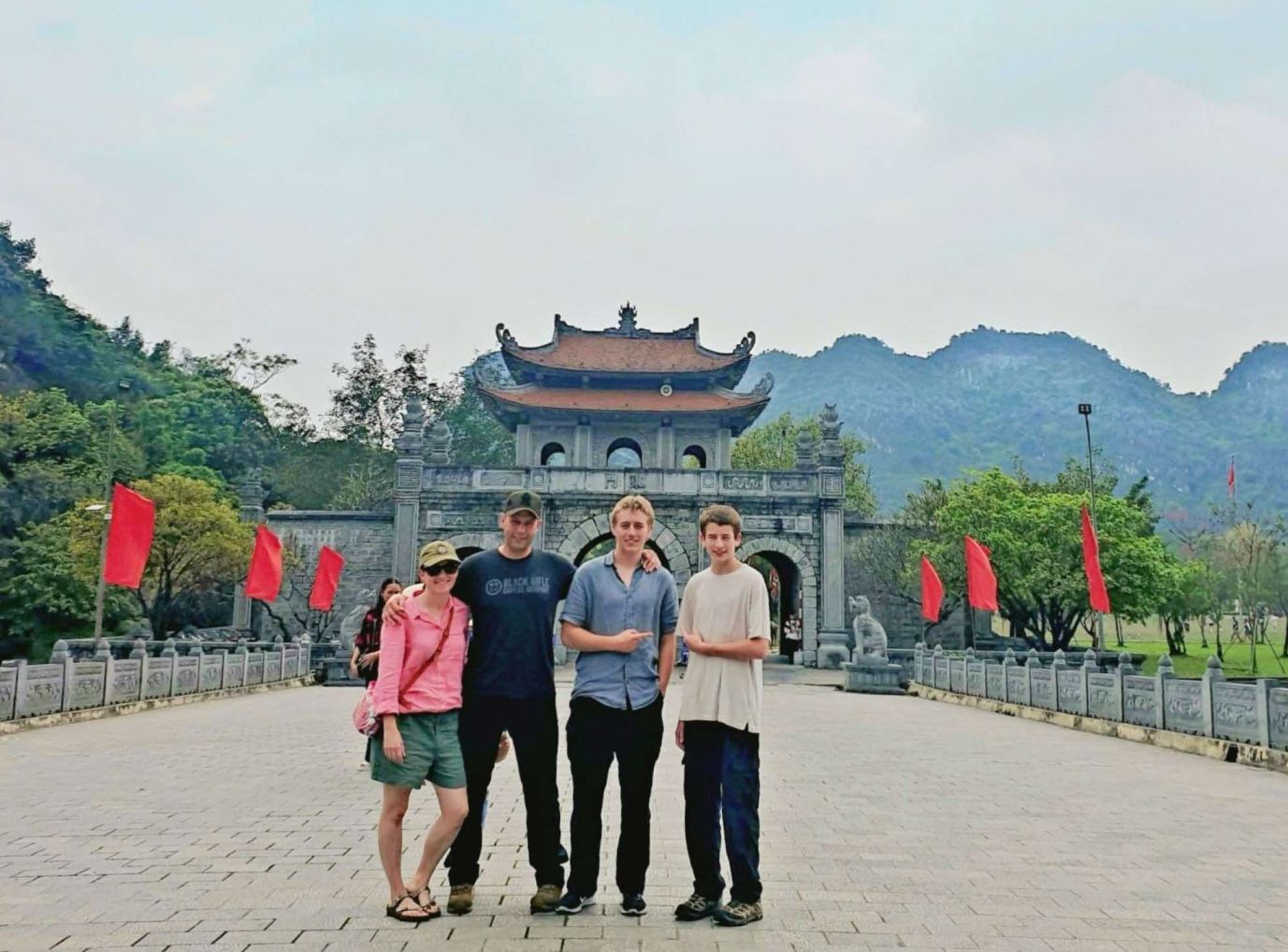
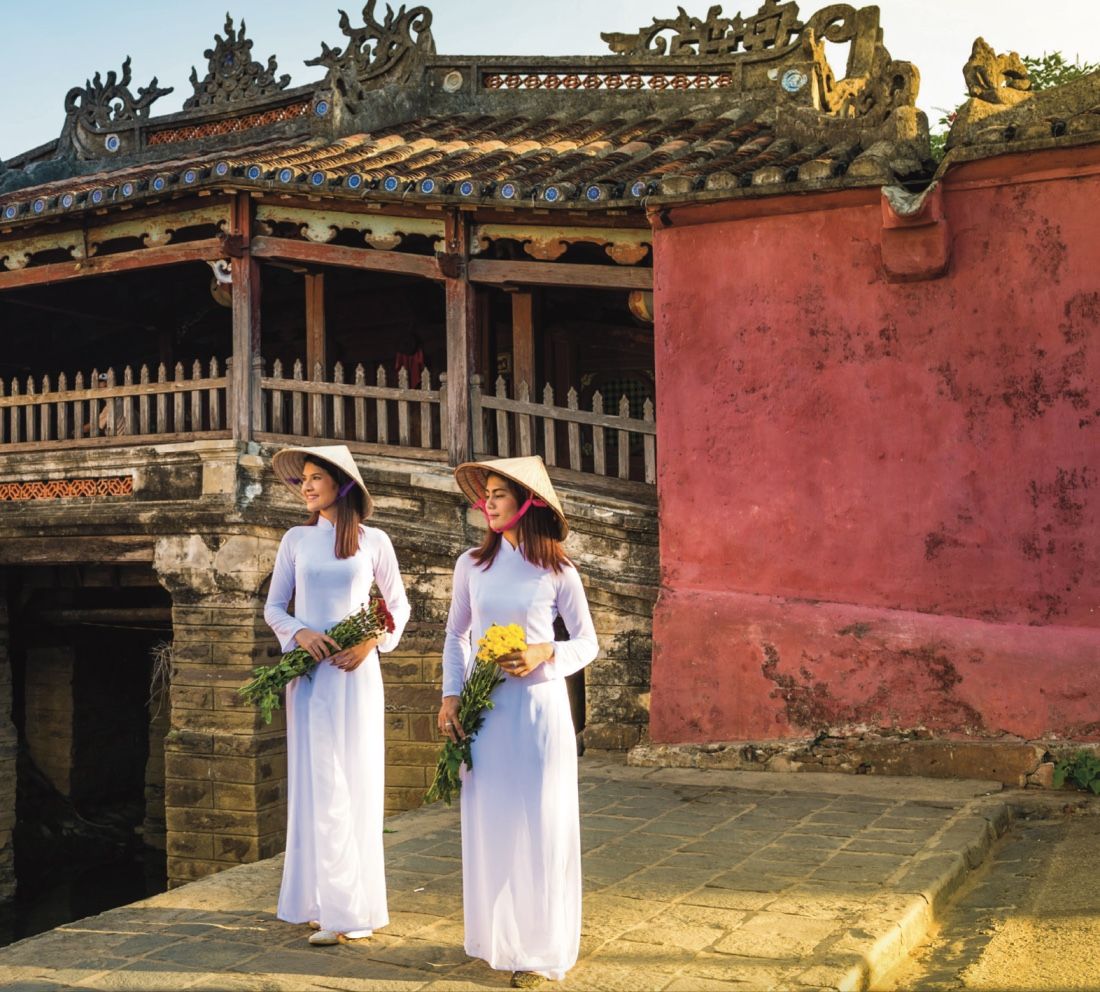


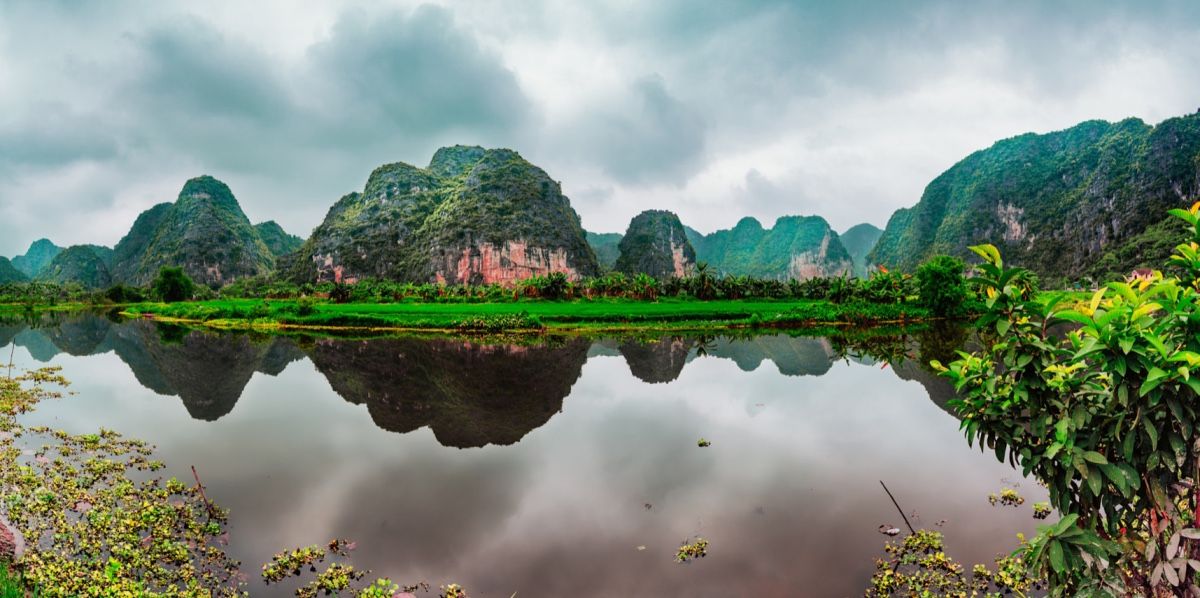
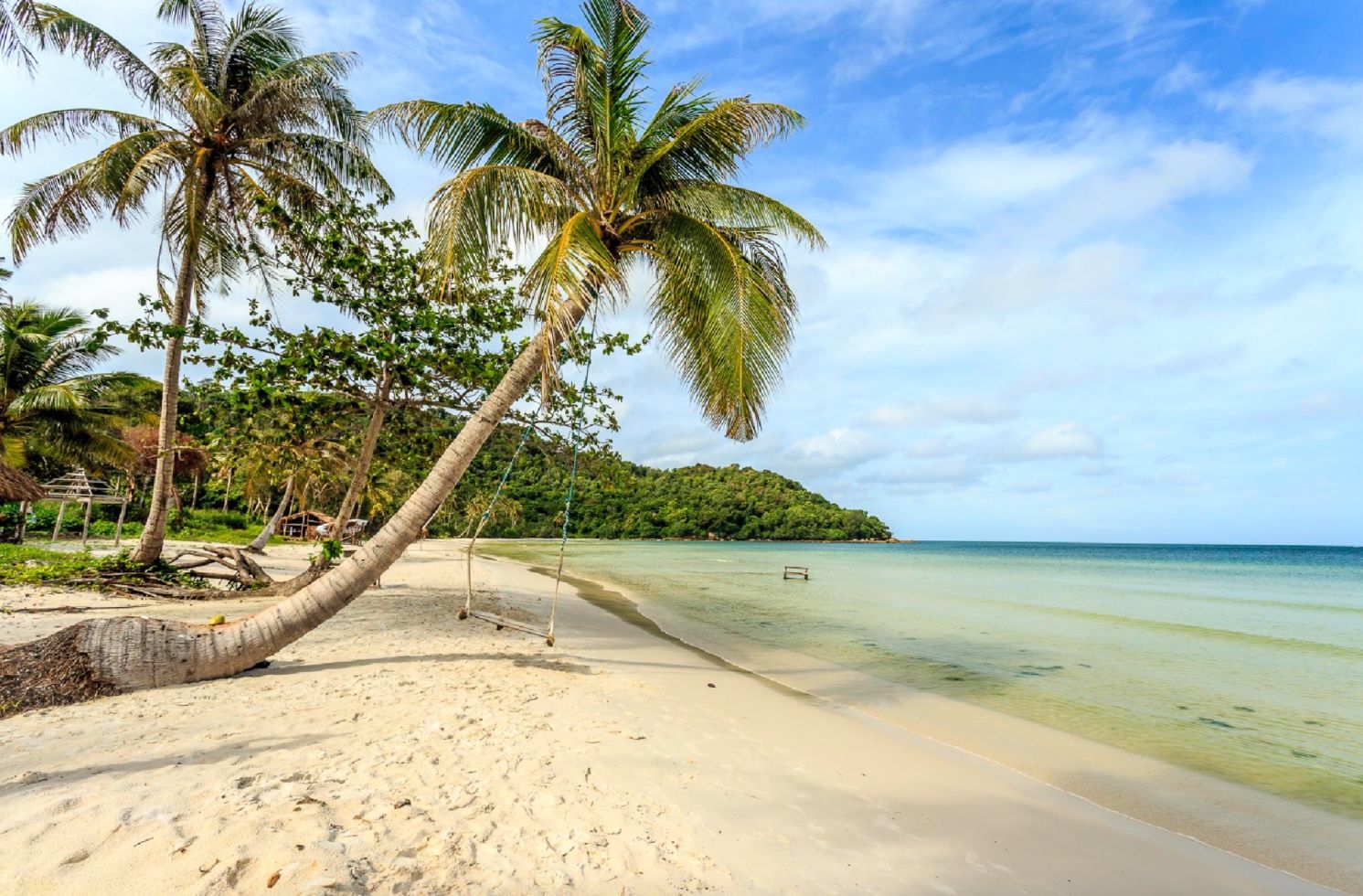
What are he best Vietnam Destinations for Seniors
The following destinations are most frequently requested by senior travelers visiting Vietnam and are well suited to a relaxed travel pace, comfortable accommodations, and easy access to major cultural and scenic attractions:
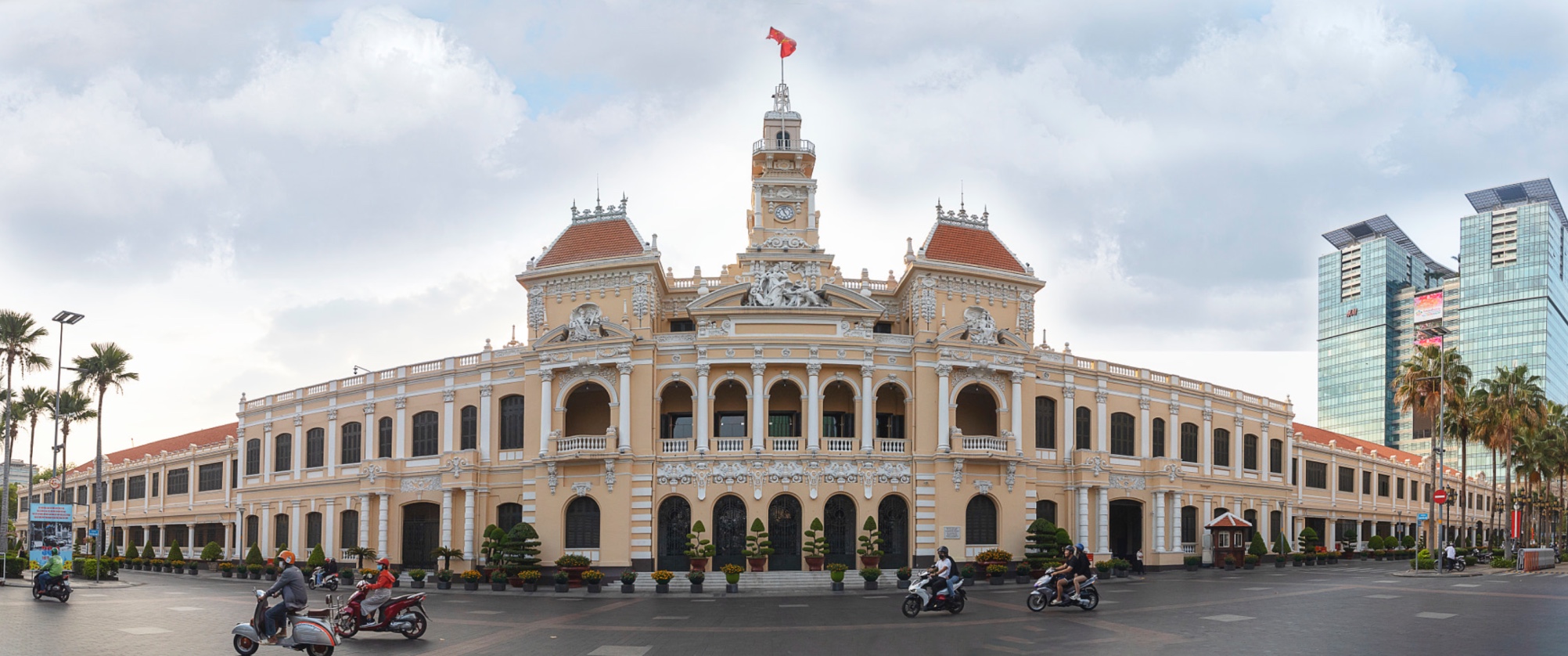
- Hanoi – Vietnam’s capital, known for its historic sites, colonial architecture, museums, lakes, and traditional cultural experiences.
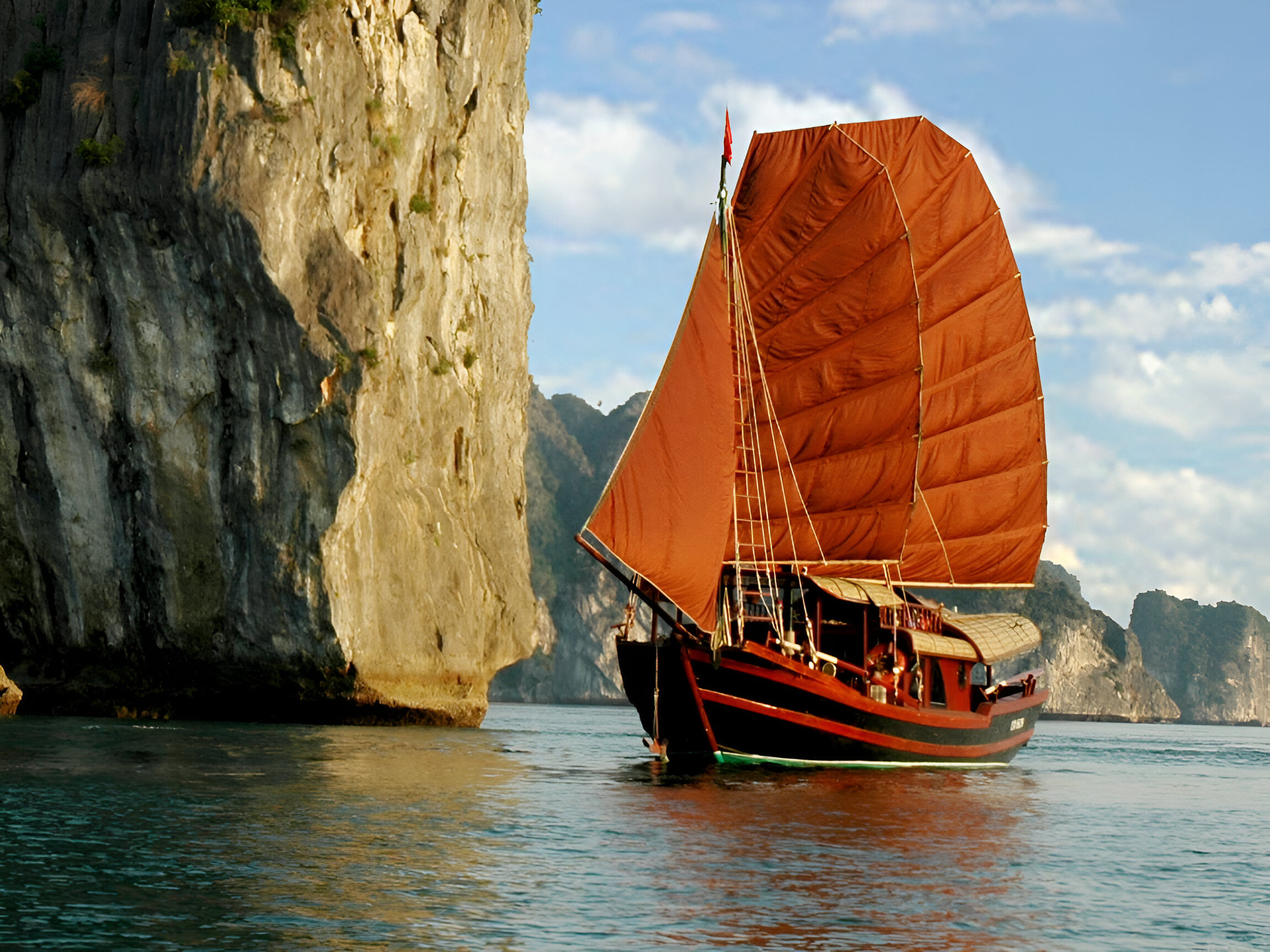
- Ha Long Bay – Famous for its limestone islands and overnight cruises, offering a comfortable way to experience one of Vietnam’s most iconic landscapes.
- Hoi An – A compact and walkable heritage town with preserved architecture, riverside scenery, lantern-lit streets, and excellent dining.
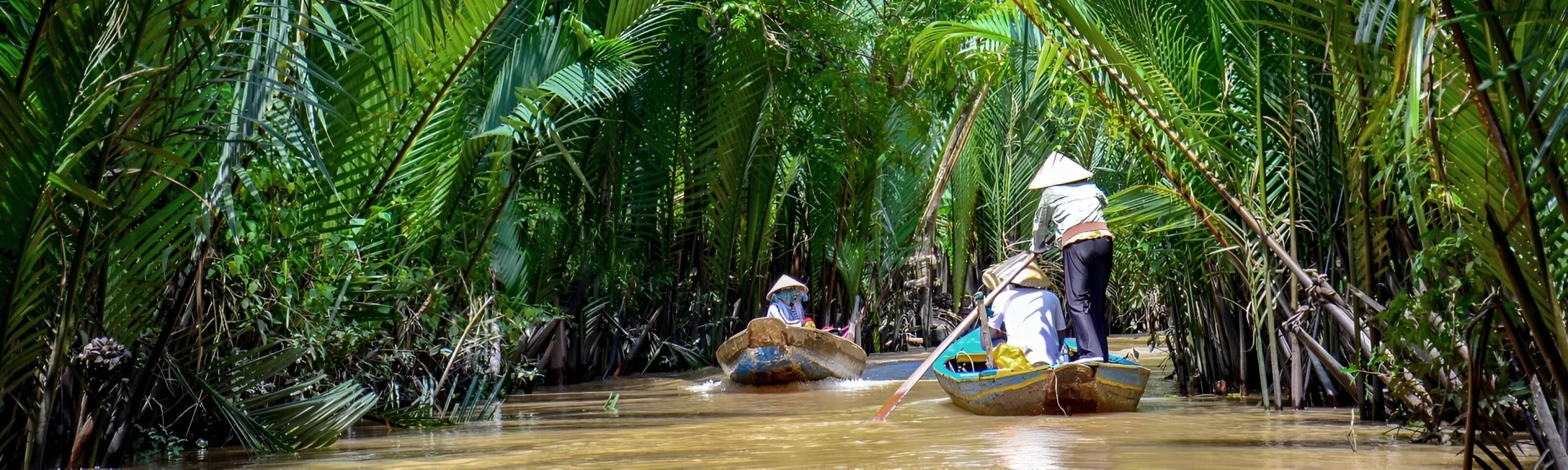
- Mekong Delta – A region of waterways, floating markets, river cruises, and rural villages that can be explored at a leisurely pace.
These destinations are among the most popular choices for senior travelers due to their combination of cultural attractions, scenic beauty, comfortable accommodation options, and sightseeing that does not require strenuous physical activity.
What “senior-friendly” actually means in Vietnam travel
Most tour companies use the phrase for marketing term. In Vietnam specifically, senior-friendly has a precise, practical meaning that goes well beyond a slower pace and a few extra rest stops.
- Check Vietnam private tour

Manageable daily activity and realistic scheduling
The most suitable senior Vietnam tours limit active sightseeing to 4, 6 hours per day, with built-in relaxed itinerary and a late morning start (this is very flexible). A Hanoi city tour starting from 9 a.m. to 2 p.m. with regular stops is a realistic senior-oriented visit.
This dense work on back-to-back full-day excursions with early departure.
And the tour prices vary widely between operators, and this should be the first filter you apply when checking any travel package.
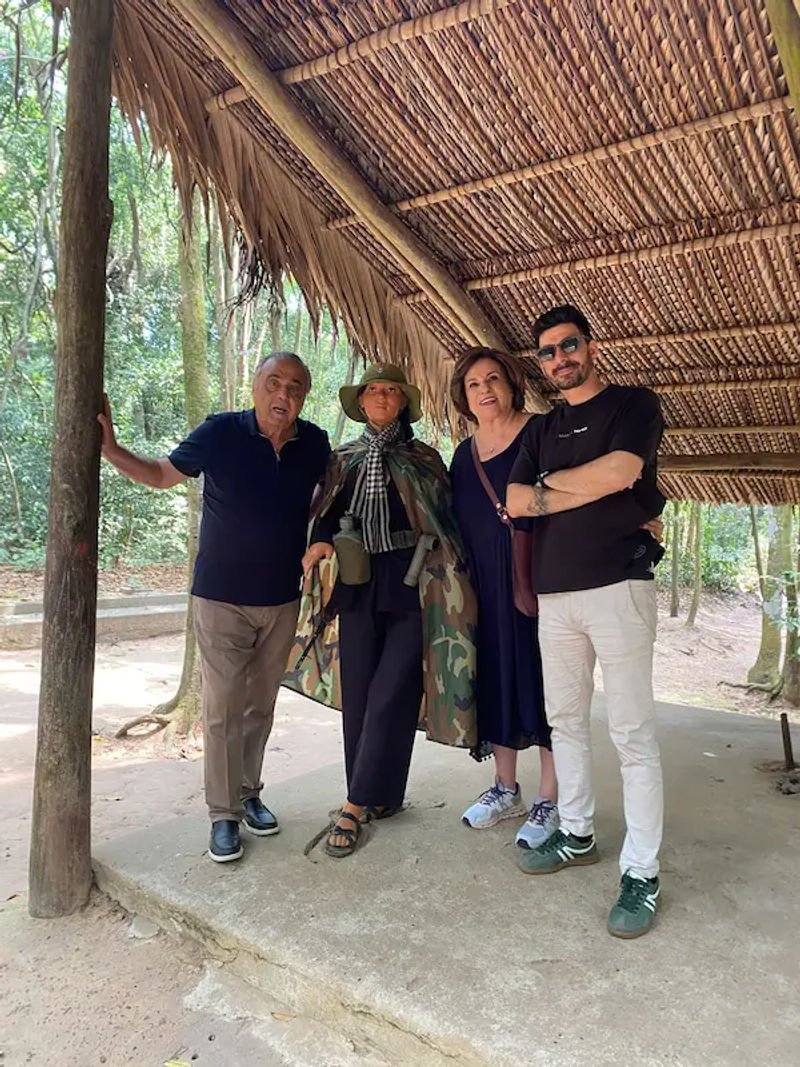
Accessibility and mobility while on tour in Vietnam
True accessibility across Vietnam’s older heritage sites is limited, and the group tours arranged by western based companies rarely address it with any specificity.
What genuine accessibility looks like in practice includes centrally located hotels with elevator access, private vehicles instead of shared coaches, and modified visit structures at sites like Hue’s Imperial City and Hoi An’s historic Town. Hoi An is generally more workable for mobility-limited travelers because the streets around the old town area is well paved and walkable. Hue’s citadel has partial ramps, but stairs remain in many sections. Halong Bay cruises can be very accessible if you select a program that confirms ramp on boarding and a usable cabin, something that varies significantly by ship.
- Check out Vietnam accessible travel
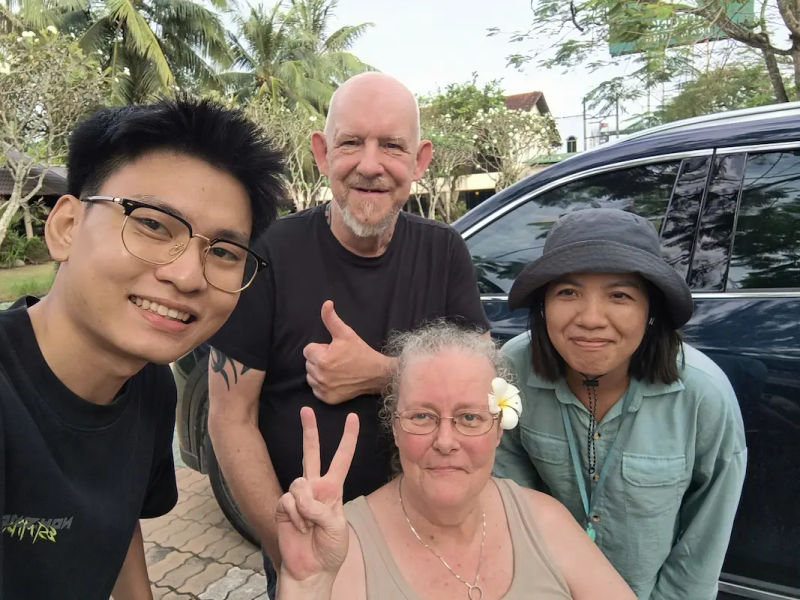
Medical awareness and on-the-ground support
On-tour medical facility is not standard with any Vietnam tour operator, and seniors should not expect it, unless request to arrange one and the tour operator might help to find a freelance medical staff to follow the tour.
Additionally, what actually matters is having an experienced local guide who knows the nearest hospitals in each city, and can check out the local medical places quickly if this is needed.
The practical value here is the local knowledge network, not a medical credential on a tour leader’s business card.
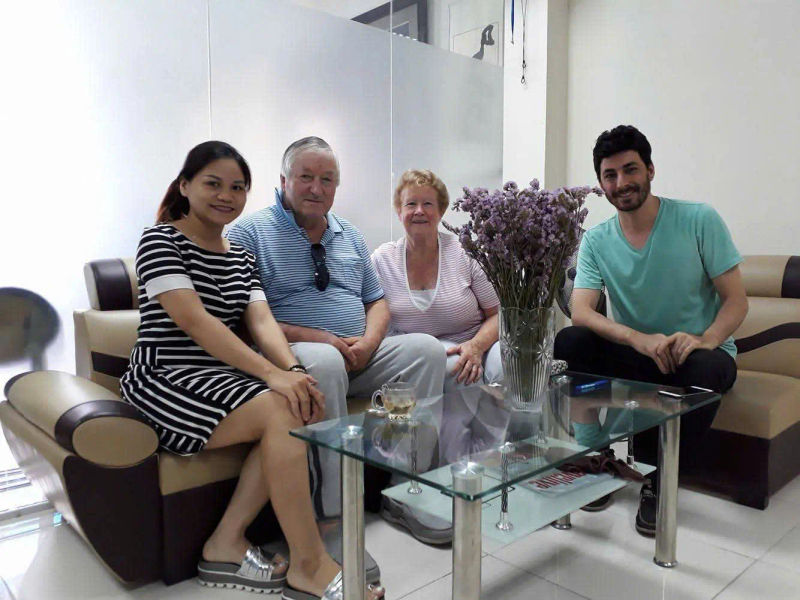
What are the top rated tour companies for senior travel to Vietnam, quick comparison
Below are a few operators that appear most consistently in senior Vietnam travel, with an honest look at what each actually delivers. Selection is based on market visibility, senior-focused packages, and review of verified traveler feedback through TripAdvisor and google.
| Operator | Model | Typical Group Size | Flexibility | Approx. Daily Rate |
|---|---|---|---|---|
| Road Scholar | Educational escorted group | Variable; not small-capped | Low, fixed departures | ~$206–$394/day |
| Tours of Distinction | Escorted group | Up to ~16 | Low, fixed schedules | $150–$250/day |
| Bookmundi | Curated group packages | Up to ~16 | Low, pre-set itineraries | $150–$250/day |
| Vietnamese Private Tours | Hanoi-based private luxury | Private (your party only) | High, built from scratch | $220–$350+/day |
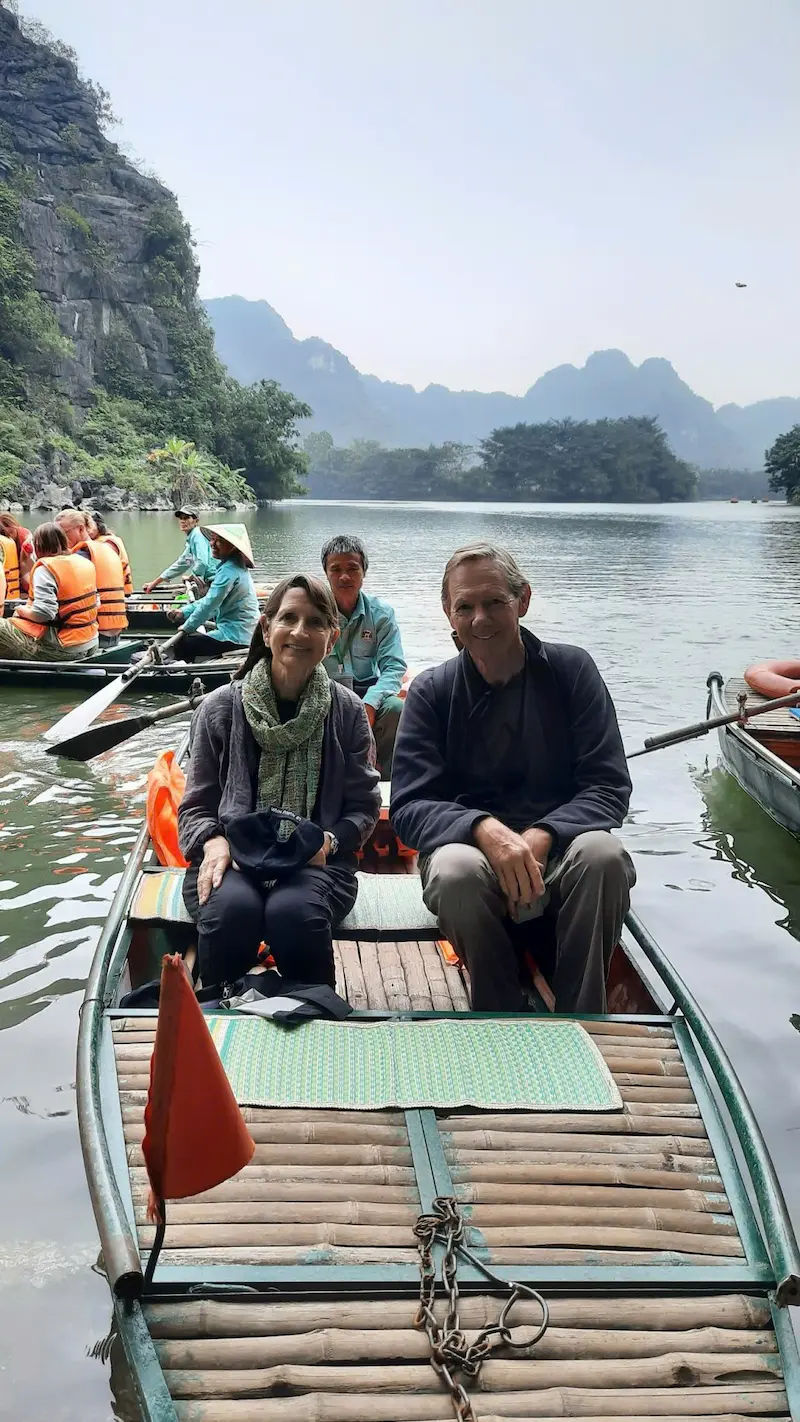
Road Scholar: structured learning-focused programs
Road Scholar targets older adults with educational travel itineraries, and their Vietnam programs are well-designed for intellectually active seniors who enjoy structured cultural programming. Tours run 15, 17 days, with pricing starting around $3,499 and climbing to $6,699 or more for multi-country Indochina programs. Group sizes are not capped at small numbers, and departure dates are fixed well in advance. Road Scholar holds a 4.7/5 rating on Travelstride and is a credible choice for seniors whose primary interest is guided learning. It’s a weaker fit for travelers with specific mobility or medical needs who require day-to-day itinerary flexibility.

Tours of Distinction and Bookmundi: escorted group touring
Tours of Distinction has served travelers for over 50 years and leans heavily on the escorted group format, emphasizing gentle adventures for all fitness levels, including rickshaw rides, Mekong Delta boat cruises, and relaxed heritage site visits. Bookmundi curates 60+ packages with easy-paced sightseeing across Hanoi, Halong Bay, Hoi An, and the Mekong Delta, and specifically markets programs for 60+ travelers. Both companies focus primarily on escorted group packages rather than fully bespoke private itineraries. Schedules are fixed in advance, and the itinerary serves the group rather than the individual.

Vietnamese Private Tours: Hanoi-based private operator
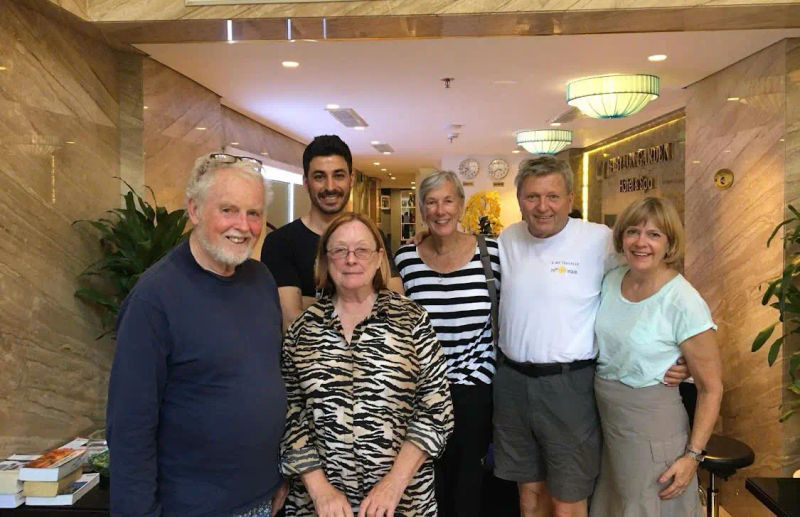
Based locally Bain Hanoi, as a tour operator that explicitly target senior and 50+ travelers with custom itineraries. VPT offers personalized tours with English-speaking guides, full transfer management, and genuine itinerary flexibility and centrally located hotels confirmed to have elevator access and broader experience on arranging wheelchair travel.
Where Western group tour companies fall short for seniors
The group tour concept with all it’s limitation, scheduled stops and defined accommodation, may nit be the first stop solution for senior travelers, here are the reasons;
Fixed schedules don’t accommodate real senior needs
When you book with a Western-based escorted group tour, you’re buying a fixed departure with a fixed itinerary. If your knees are having a difficult morning in Hue, the bus still leaves at 8 a.m. If a site moves you and you want an extra half-day there, the group moves on without you. For travelers over 60 managing health conditions, fatigue patterns, or mobility limitations, that rigidity creates unnecessary stress on what should be a restorative trip.
Mixed groups shift the program toward the average traveler
A “senior tour” capped at age 60 still mixes a 62-year-old managing arthritis with a 63-year-old who hikes on weekends. The itinerary is built to serve the group average, which means it rarely fully serves anyone at the edges. Activity ratings like “easy” are often calibrated to the more active end of the senior demographic, not to travelers who genuinely need a slower, more considered pace with accessibility built into every day.
Why a locally based private operator changes the equation
Building the itinerary around the individual, not the group
Vietnamese Private Tours builds every senior itinerary from scratch around the specific needs, budget and travel arrangements. If you need afternoon rest built into every day, it goes into the planning document. If you need ground-floor hotel rooms, elevator confirmation at every property, or a modified heritage site visit that avoids stairs, all of that is arranged and confirmed before you board your flight. There are no fixed departures, no shared coaches, and no group schedule to keep up with. Your private guide and driver work exclusively for you, which means a 1:1 to 1:4 guide-to-traveler ratio rather than the 1:8 to 1:16 ratio typical of escorted group tours.
Customization that accounts for health, mobility, and personal interests
Vietnamese Private Tours’ planning process invites seniors to share health and mobility considerations upfront. The Hanoi-based team uses that information to select the right accommodations, plan daily schedules, and build contingency time into multi-city itineraries. A slower-paced Halong Bay cruise with an accessible cabin, a Hoi An visit structured around shaded streets and shorter walking loops, a Mekong Delta day built entirely around boat transport rather than foot travel, these aren’t special requests that require extra negotiation. They’re simply how a well-built private senior itinerary gets designed from the start.
What seniors typically pay and what’s actually included
Mid-range (3 star hotels) senior Vietnam tours typically run $150, $250 per day per person. Premium private tours with 4 star hotels run $220, $350 or more per day. For scale, Road Scholar’s Vietnam programs start at $3,499 for 17 days and reach $6,699 for multi-country Indochina itineraries, roughly $206, $394 per day depending on the program.
At both price levels, domestic flights and airport transfers are often included on an all inclusive packages, but always confirm before booking. Meals are commonly partial: obviously, breakfasts are included with a few select lunches on sightseeing, with dinners frequently excluded. Entrance fees are bundled into itineraries as well as visas. Tipping, international airfare, and travel insurance are almost always excluded regardless of price point or operator.
The exclusions seniors most commonly overlook
Four budget surprises catch seniors off guard most often: tips for guides and drivers (budget $5-8 per person per day as a baseline), Vietnam e-visa costs, travel insurance requirements for Vietnam, and optional activity upgrades. On travel insurance specifically, for a two-week Vietnam trip, a solo senior traveler aged 65+ can expect to pay roughly $38, $548 depending on age, trip cost, and coverage limits, with costs for older travelers commonly landing around $350. Reputable travel insurance resources recommend a minimum of $250,000 in medical evacuation coverage, which is particularly important for seniors traveling to areas outside major urban centers.
Private tours often includes better value than the headline daily rate suggests, because every service is selected specifically for you. There’s no mandate for activities you won’t use or hotels chosen for group logistics rather than your comfort.
Questions to ask before you book any senior Vietnam tour
These questions work as a useful tips. The answers will tell you quickly whether an operator has genuinely senior-oriented programs or has repurposed a standard itinerary with softer language.
Sightseeing and activity-level questions
- What is the average start time each morning?
- How many hours per day are spent on active sightseeing?
- Are there built-in rest days or rest windows within each day?
- Can the itinerary be adjusted after booking if health or energy levels shift?
Operators who confirm these questions with specific times and structures have actually thought through senior pacing. Operators who give general assurances about “leisurely travel” without specifics have not.
Accessibility, medical, and transfers questions
Ask directly about elevator access at every hotel, private versus shared transportation, the guide-to-traveler ratio, and what the process is if a medical situation arises mid-trip. Seniors should also ask whether the operator has worked with travelers who have their specific condition before. A good private operator will answer that question with specific, reassuring detail. A vague or generic response is a clear signal to keep looking.
Choosing the operator that fits your actual needs
When checking out to choose between what are the top rated tour companies for senior travel to Vietnam, the answer depends on what kind of experience you’re actually looking for. The field ranges from structured educational programs like Road Scholar to locally based private operators like Vietnamese Private Tours. Each has a legitimate place in the market. Road Scholar suits intellectually active seniors who enjoy group cultural programming and are comfortable with fixed schedules. Bookmundi and Tours of Distinction are working as a marketplace where 100’s of different tour operators share their program.
For seniors who need genuine flexibility, advance accessibility planning, and an itinerary built around their specific interests, the private tour operator delivers clear advantages across most of the criteria that matter most to this traveler. The next step is straightforward: reach out to a trusted, locally based operator, share your specific needs openly, and let them build an itinerary around you rather than asking you to fit into one that already exists.
Vietnam at your own pace, with a private guide and a schedule built around you, is a fundamentally different trip than Vietnam at the group’s pace. It’s also a far better one. Contact Vietnamese Private Tours to start planning your custom senior itinerary and find out how their Hanoi-based team can tailor every detail around your needs.
FAQs: top rated tour companies for senior travel to Vietnam
What are the top rated tour companies for senior travel to Vietnam for travelers with mobility limitations?
Locally based private operators, including Vietnamese Private Tours, are generally better suited to seniors with mobility limitations than fixed-departure escorted group tours. They confirm elevator access at each hotel, use private vehicles, and can modify or skip sites that are not accessible, all before you depart.
Are accessible Vietnam tours for elderly travelers significantly more expensive than standard group tours?Accordion Item 2 Title
Private tours, with premium services, 5 star hotels, do carry higher headline daily rates ($220, $350+ per day versus $150, $250 for mid-range group tours), but the per-element value is often better because you’re not paying for shared logistics, activities you won’t join, or hotels chosen for group convenience rather than your comfort.
What 50+ Vietnam tour packages are best for solo senior travelers?
Solo seniors often choose between structured group programs that provide built-in companionship and private operators that prioritize one-on-one support. Road Scholar’s structured group programs offer built-in companionship for solo travelers who want social interaction. For solo seniors who prioritize flexibility and personalized support, private operators like Vietnamese Private Tours build itineraries around a single traveler’s preferences and needs, with a dedicated guide rather than a shared group leader.
How do Vietnam escorted tours for seniors compare to private tours on pace?
Group tours follow fixed schedules. Private tours allow pace decisions to be made daily, including later starts, extended stops at sites that resonate, and unscheduled rest time. For seniors managing fatigue or health conditions, that day-to-day adaptability is a practical difference, not just a marketing distinction.