

This post is about Khmer culture and people of Cambodia. The country’s population is around 16 million, with 90% being Khmer. Other groups include Vietnamese, Chinese, Thai, Burmese, and ethnic hill tribes, especially in the northern and southwestern mountains. Despite a difficult history marked by war and poverty, Cambodians remain resilient, warm, and welcoming. Visitors can expect friendly smiles, calm hospitality, and genuine interactions throughout their journey.
Cambodian People & Khmer Culture
The Cambodia people, also known as the Khmer, form a peaceful and welcoming community deeply influenced by Theravada Buddhism, which over 95% of the population follows. Their daily life reflects values like harmony, respect, and spiritual tradition.
Known for their calm and courteous nature, Cambodia people typically avoid conflict and prefer peaceful communication. In Khmer culture, staying composed and respectful is a sign of strength and social grace.
Immerse yourself in the best experiences Cambodia has to offer: Check out Cambodia Private Tours
What we know about Cambodia People & Culture
Cambodia people have shown incredible resilience through decades of hardship, including war and poverty. Despite these challenges, they remain warm, friendly, and deeply welcoming to visitors.
Travelers often meet smiling faces and genuine hospitality throughout the country. The best way to connect with Cambodia people is to stay calm, kind, and open to conversation. Their resilience and warmth leave a lasting impression on everyone they meet.
What language do people speak in Cambodia?
Cambodia people speak Khmer, the country’s official language. Most of the population uses Khmer daily, though you’ll also hear Vietnamese and various Chinese dialects in different regions. Unlike the tonal languages of neighboring countries, Khmer stands out as a non-tonal language in Southeast Asia. Over centuries, it has absorbed vocabulary from Sanskrit, Pali, Chinese, and French, reflecting Cambodia’s rich history.
The Khmer alphabet, derived from a South Indian script, features 33 consonants, 24 dependent vowels, and 12 independent vowels, along with diacritics. Vowels may appear before, after, above, or below consonants. Although learning Khmer takes effort, many Cambodia people continue to embrace education, with about half the population now literate.
Cambodia population
As of mid-2025, Cambodia’s population reaches around 18 million. The Khmer people, who make up 90% of the population, form the core of Cambodia’s identity. Other ethnic groups include Vietnamese, Chinese, Thai, Burmese, and various indigenous hill tribes living in the northern and southwestern mountains.
Cambodia people contribute to a vibrant society. The Khmer drive the agriculture sector, holding 80% of the labor, while Vietnamese and Chinese communities lead in trade and business. This ethnic mix highlights the country’s diverse culture and dynamic economy.

What is the religion in Cambodia
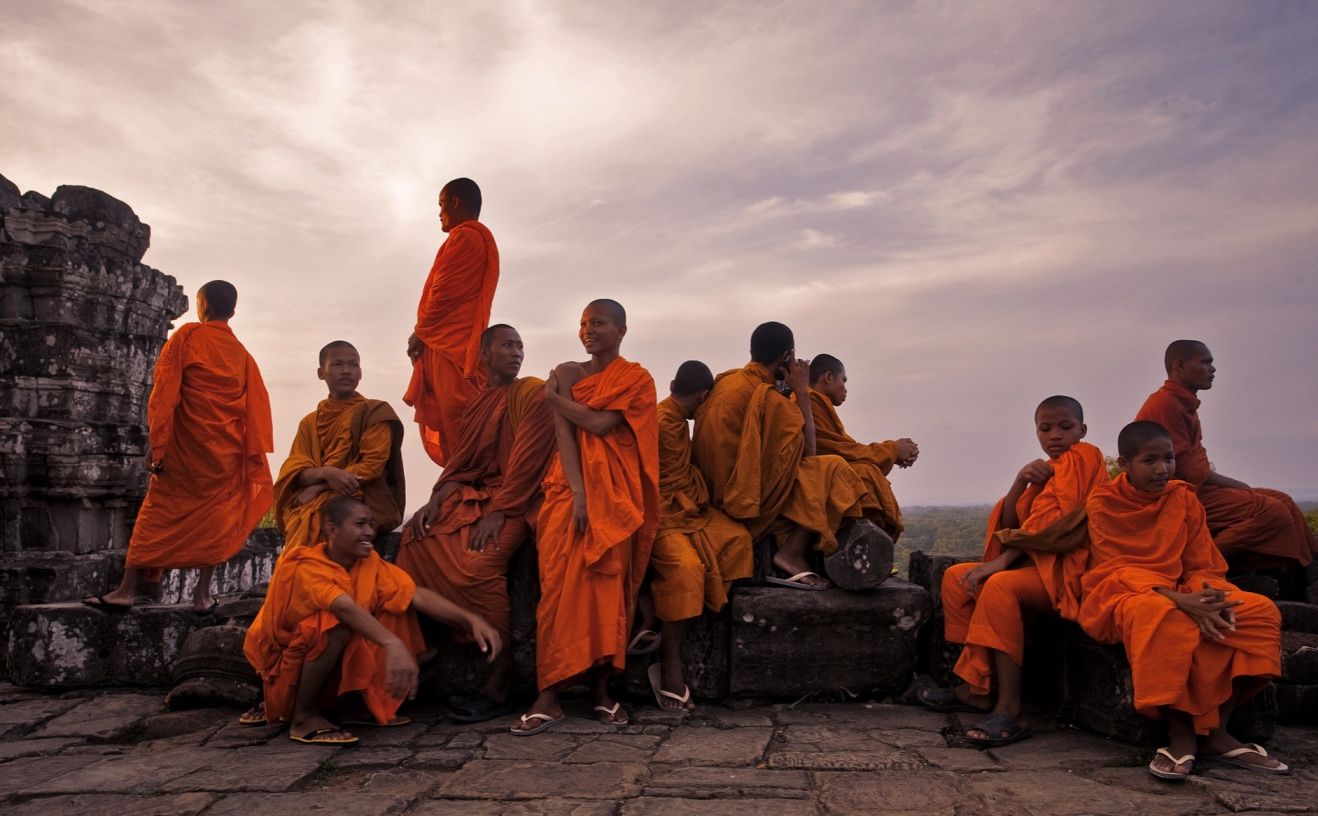
Theravada Buddhism stands as the dominant religion of the Khmer people and has shaped Cambodia’s identity since the Angkor Empire. Monks traditionally guided rural communities as both educators and spiritual leaders.
In 1975, the Khmer Rouge regime devastated Buddhist life by killing monks and destroying temples. After the Vietnamese intervention, Cambodia people gradually revived their faith. Today, Theravada Buddhism once again plays a central role in Cambodian culture and daily life.
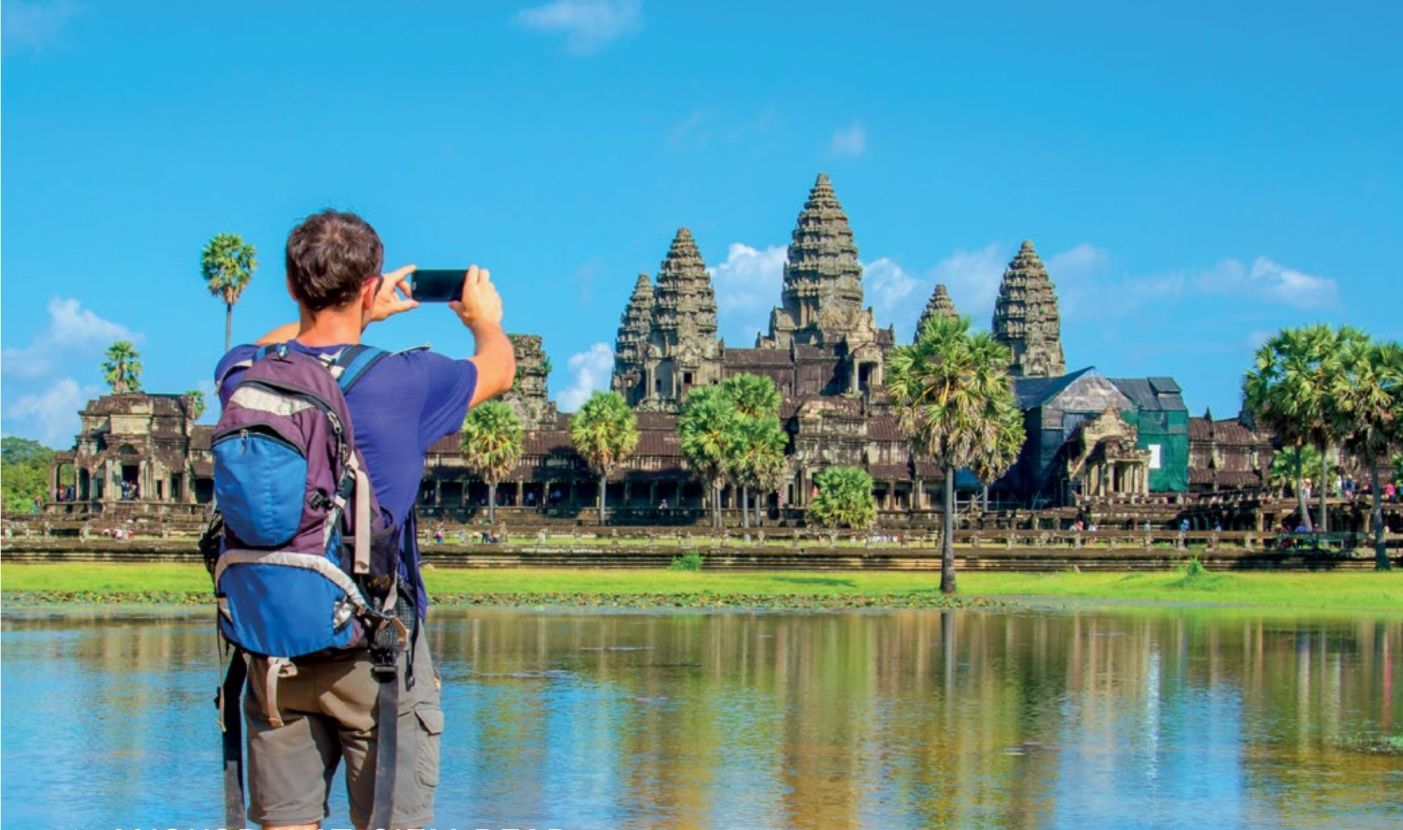
- Learn more about Angkor Wat Temples.
What is the traditional Cambodian greeting called Sampeah?
Sampeah, the traditional Cambodian greeting, reflects the deep hospitality and respect rooted in Cambodian culture. The Cambodia people take pride in welcoming guests into their homes, villages, and countryside with warmth and generosity.
Even those with limited means often share food and water with travelers, as many locals view international visitors as fortunate. Showing respect and kindness in return will earn you genuine Cambodian hospitality.
To perform the Sampeah, place your hands together in a prayer-like position, fingers pointing upward, and bow slightly. Most Cambodians understand that foreigners may not know the full meaning of this gesture, so don’t hesitate to ask someone to guide you.
While Sampeah appears less frequently in cities, it still holds great value in rural areas and family settings. Trying this greeting will impress your hosts and show your respect for their traditions.
Khmer Weddings
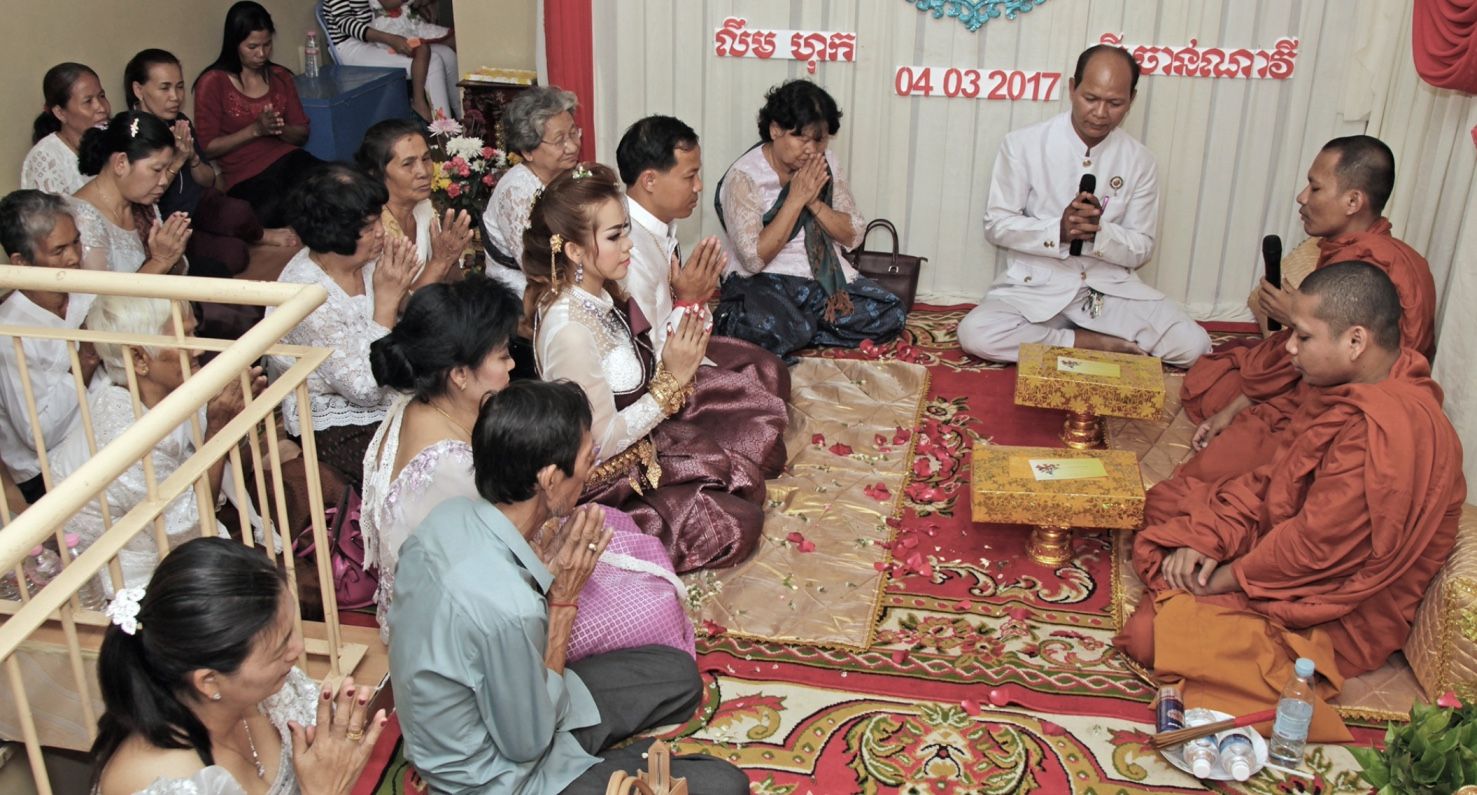
Cambodia people love celebrating weddings, which are vibrant, music-filled events full of energy and tradition. If you build friendships in Cambodia, you may get invited to one of these colorful celebrations. Traditional Cambodian weddings often span two to three days, though modern ones usually last one to one and a half days. During the ceremony, the bride changes into several stunning traditional outfits, each symbolizing a different part of the ritual.
Khmer weddings typically gather large crowds—sometimes up to 1,000 guests—all close friends and family of the couple. Guests usually drop in at different times and give money as a gift. A well-planned wedding not only celebrates love but also marks an important milestone that can shape the couple’s future. With music, food, and community, weddings in Cambodia are unforgettable cultural experiences.
Entertainment & nightlife
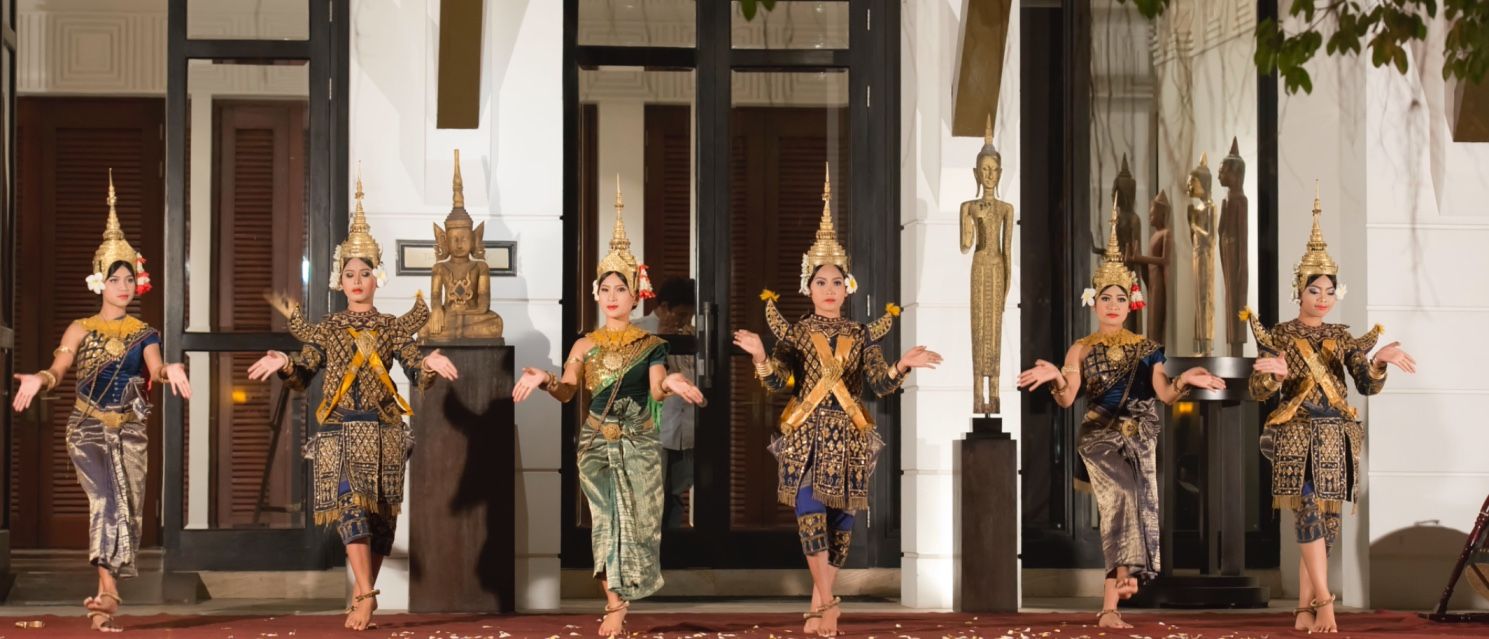
Many travelers visit Cambodia to witness the traditional Apsara dance, a graceful and iconic performance deeply rooted in Khmer culture. While this classic art form draws admiration, younger Cambodia people often prefer modern entertainment like karaoke, nightclubs, and discos. They enjoy hanging out with friends, listening to music, drinking beer, and playing popular sports such as football and volleyball.
Recently, Siem Reap has become a nightlife hotspot for young Cambodians. Hundreds of Khmer gather there to socialize, enjoy live music, and participate in games. This lively scene has turned Siem Reap into a favorite destination for those seeking the fun, energy, and excitement of Cambodian youth culture.
FAQ: Cambodian People & Khmer Culture
Are Cambodia more Indian or Chinese?
The largest ethnic population in Cambodia are the Khmer, who comprise 95.8% of the total population. Here are the other ethnic groups in total %.
Ethnic Groups in Cambodia
| Ethnic Group | % of Total |
|---|---|
| Khmer | 95.8% |
| Chams | 1.8% |
| Chinese | 0.6% |
| Vietnamese | 0.5% |
| Other | 1.3% |
What is Cambodian people mixed with?
Around 16% of the Cambodian people’s ancestry comes from a Eurasian population, with equal ties to both Europeans and East Asians. The remaining 84% of their ancestry is linked to other Southeast Asians, particularly to a group similar to the Dai people.
Are Cambodians & Vietnamese related?
The Vietnamese and Khmer (Cambodian) peoples both descended from ancient Austroasiatic-speaking groups that settled across the eastern and southeastern regions of Indochina.
What is the main ethnicity in Cambodia?
The main ethnicity of the people of Cambodia is the Khmer with 95.4%, Cham 2.4%, Chinese 1.5%, other 0.7%
Why are Cambodians people so kind?
The Khmer are very warm and smiling, this is related to the central Buddhist concept of “metta” (loving-kindness) encourages showing warmth and generosity to everyone, regardless of their background. This deep-rooted spiritual practice naturally inclines Cambodians to treat visitors with warmth and openness, creating an atmosphere of universal friendliness.
Do Cambodians marry their cousins?
Yes. Intermarriage in Cambodia happens for various reasons, including religious, social, and political factors. Marriages between cousins are generally accepted. Newlyweds have no strict rules about where to live after marriage, although many traditionally move in with the wife’s family. In the past, polygamy and adultery were common in the Cambodian court.
Why do some Cambodians have curly hair?
Genetic variations within the Cambodian population explain why some people have curly hair. Studies have identified specific genes, such as “TCHH,” that may contribute to curly hair traits, especially among indigenous Cambodian groups. These groups may have adapted to the tropical rainforest environment through these genetic variations. As a result, curly hair in some Cambodians likely results from natural selection, rather than mixed ancestry with other populations.
Can a foreigner marry a Cambodian woman?
Yes. According to the article 79 of the Law on Family and Marriage, which, allows a Cambodian to marry a foreign national, regardless of the foreign national’s country of residence.