



March to April and October to November are the best months to visit Vietnam. These periods avoid the wettest months in each region and fall between the main tourist peaks, so prices and crowd levels are lower than in December or July. The right time depends on where you’re going — the north, central, and south follow different rainfall and temperature cycles.
When is the best time to visit Vietnam?
The best time to visit Vietnam depends on your destination. For the south (Ho Chi Minh City, Phu Quoc, Mekong Delta), November to April is the dry season — monthly rainfall drops below 50mm. For central Vietnam (Hoi An, Hue, Da Nang), plan for February to May; October brings an average of 540mm of rain in Hoi An with regular flooding in the old town. For the north (Hanoi, Sapa, Halong Bay, Ha Giang), October and November are the most comfortable — temperatures sit at 19–28°C and rainfall falls sharply after the summer monsoon.
- Check out Vietnam tours & trips
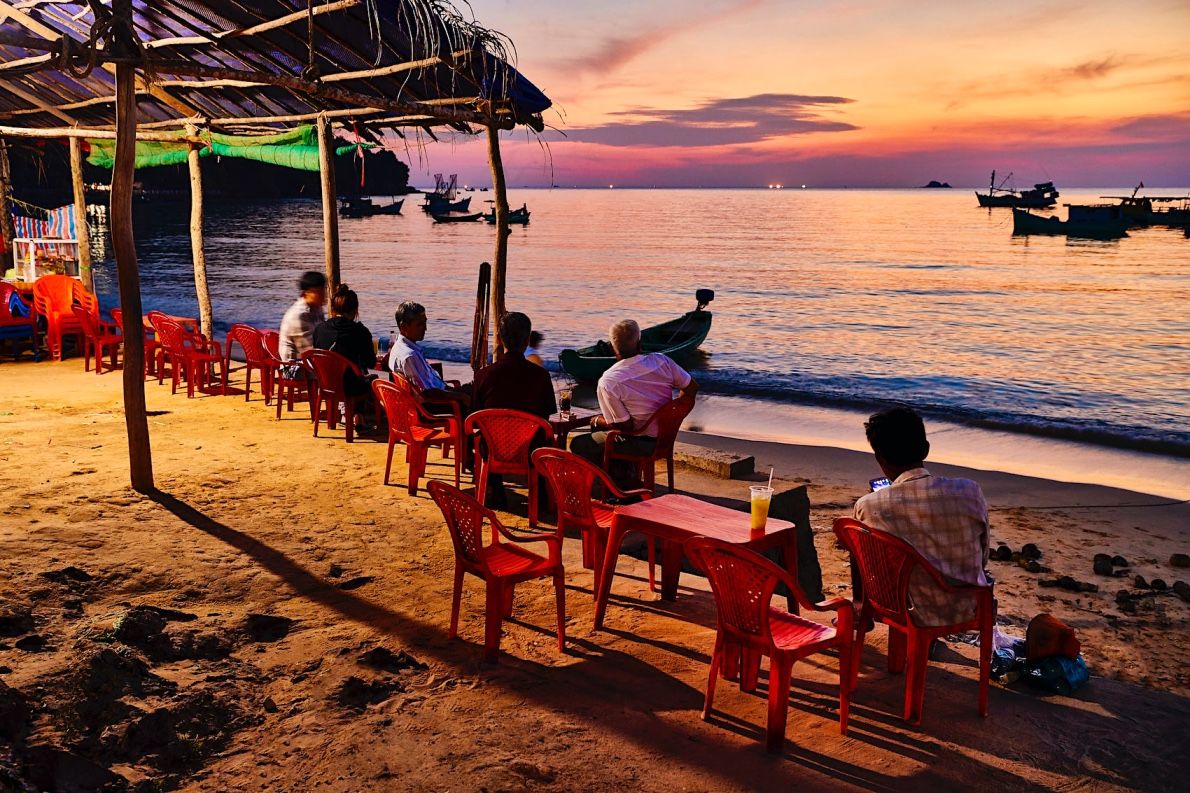
Vietnam tourist seasons: high, shoulder, and low
- High season (Dec–March & July–August): Cooler weather in the north and dry beaches in the south draw the most visitors. Coastal resorts and popular tours book out quickly; prices run 20–40% higher than shoulder months.
- Shoulder season (April–June & September–November): Good weather across most regions, smaller crowds, and lower prices. The most practical window for a full north-to-south itinerary.
- Low season (June–September in the north and south; October–November in central Vietnam): Heavy rain and occasional flooding, especially in Hoi An and Hue. Still possible to travel, but plan around weather disruptions.
Vietnam weather by month
Vietnam’s climate runs on three separate cycles depending on region. Rainfall that peaks in Hanoi in August is already easing by the time central Vietnam hits its wettest month in October. Knowing which region you’re visiting changes which months to avoid.
January
Hanoi: 15–19°C, 21mm rainfall. Ho Chi Minh City: 22–32°C, 12mm. Hoi An: 19–24°C, 100mm.
Cold in the north, dry and warm in the south. Tet (Lunar New Year) falls in late January or early February — accommodation books out fast during Tet week, and many restaurants and shops close for 3 to 7 days.
February
Hanoi: 15–20°C, 28mm. Ho Chi Minh City: 22–32°C, 10mm. Hoi An: 20–25°C, 30mm.
One of the driest months across all three regions. Good conditions for Halong Bay cruises, Hoi An, and beach destinations in the south. Temperatures in the north begin to warm by late February.
March
Hanoi: 18–23°C, 46mm. Ho Chi Minh City: 24–33°C, 10mm. Hoi An: 22–27°C, 30mm.
Consistently low rainfall nationwide. March is one of the best months for a full Vietnam trip from north to south. Halong Bay sees calm seas and mild temperatures; the south is dry before the monsoon arrives in May.
April
Hanoi: 21–26°C, 92mm. Ho Chi Minh City: 26–33°C, 50mm. Hoi An: 23–30°C, 30mm.
Still dry across most areas. Trekking conditions in Sapa are good before the summer rains arrive. The south starts warming — April is the last comfortable month in Ho Chi Minh City before the wet season begins in May.
May
Hanoi: 24–33°C, 185mm. Ho Chi Minh City: 26–33°C, 210mm. Hoi An: 25–31°C, 60mm.
Rain picks up in Hanoi and the south. Central Vietnam (Hoi An, Da Nang) stays relatively dry and is a good choice this month. Coastal water temperatures reach around 28°C along the central coast.
June
Hanoi: 25–35°C, 230mm. Ho Chi Minh City: 25–30°C, 300mm. Hoi An: 26–32°C, 75mm.
Hot and wet in the north and south. Da Nang and Nha Trang beaches are in good condition; summer crowds are building. This is a domestic travel peak in Vietnam, so beach towns get busy.
July
Hanoi: 25–35°C, 240mm. Ho Chi Minh City: 25–31°C, 295mm. Hoi An: 26–33°C, 90mm.
Peak beach season along the central coast. Resorts in Da Nang and Hoi An are at full capacity and prices are high. Hanoi averages 35°C with 240mm of rain — not a comfortable time to be in the north.
August
Hanoi: 26–32°C, 280mm. Ho Chi Minh City: 25–31°C, 270mm. Hoi An: 26–32°C, 100mm.
The wettest month in Hanoi. Central Vietnam beaches remain active for domestic tourists. The Mid-Autumn Festival (Tet Trung Thu) falls in late August or September, with lantern celebrations in Hoi An attracting large crowds.
September
Hanoi: 25–31°C, 255mm. Ho Chi Minh City: 24–31°C, 345mm. Hoi An: 25–31°C, 300mm.
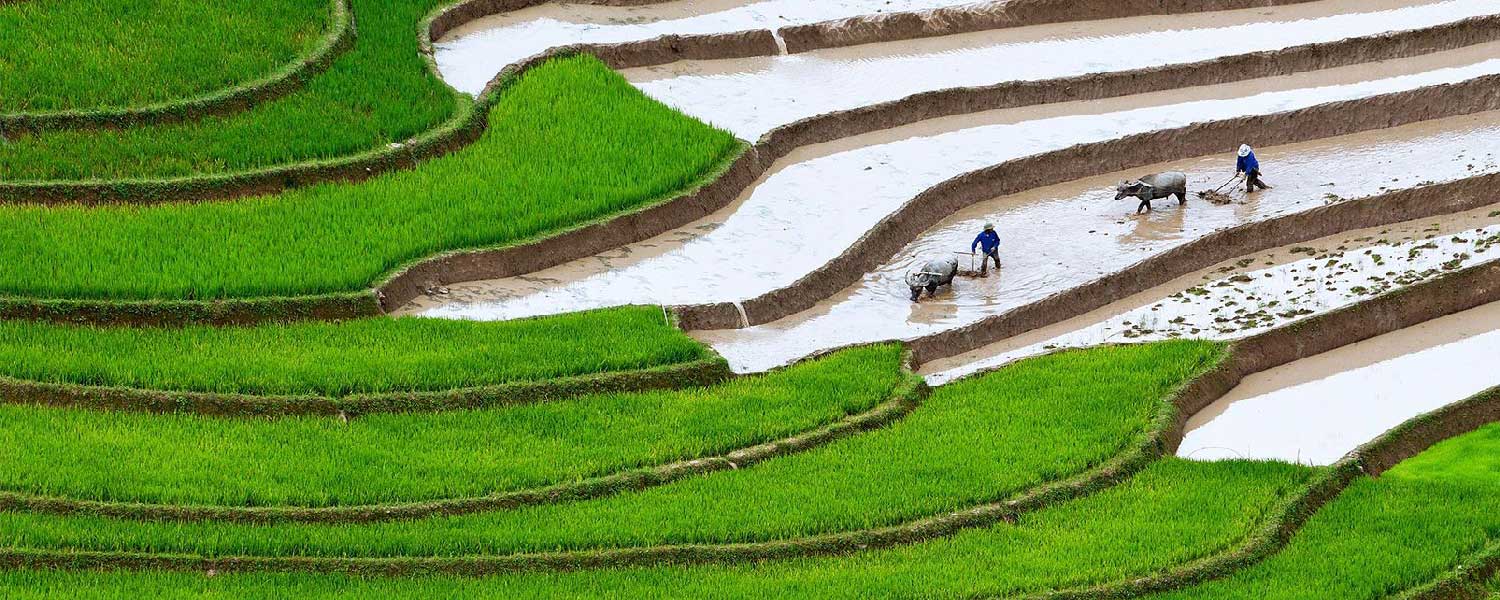
Vietnam National Day falls on September 2nd. Rain is heavy across the south and central regions. The north begins to cool; late September marks the start of harvest season in Sapa and Ha Giang, when the rice terraces turn gold.
- September is the top month to visit the rice terraces in Vietnam
October
Hanoi: 22–28°C, 140mm. Ho Chi Minh City: 24–30°C, 260mm. Hoi An: 23–28°C, 540mm.
The best month for northern Vietnam — Hanoi cools to 22–28°C with falling rainfall, and harvest season in Ha Giang and Sapa continues. Avoid Hoi An and Hue; October’s 540mm average in Hoi An is the highest of the year, with regular flooding in the old town.
November
Hanoi: 19–24°C, 45mm. Ho Chi Minh City: 23–29°C, 110mm. Hoi An: 22–26°C, 330mm.
Good month for Hanoi and the Mekong Delta. Rainfall in Hanoi drops to 45mm. Central Vietnam is still wet through mid-November — Hoi An records 330mm, so check conditions before booking. The south is transitioning out of wet season.
- Check out if November is a good time to visit Vietnam
December
Hanoi: 15–23°C, 15mm. Ho Chi Minh City: 22–28°C, 40mm. Hoi An: 20–23°C, 215mm.
The driest month in Hanoi. Both the north and south are in good condition. Book accommodation well in advance for Christmas and New Year — Ho Chi Minh City sees a sharp rise in international arrivals from late December.

Vietnam weather by region
Hanoi and the north
Four seasons. Winter (December to February) is cold — Hanoi averages 15–19°C in January and Sapa, at 1,500m elevation, can drop below 5°C. Summer (June to August) is hot and wet, reaching 35°C with monthly rainfall above 230mm. Spring (March to April) and autumn (October to November) have the most comfortable conditions and the lowest rainfall.
Ho Chi Minh City and the south
Two seasons: dry (November to April) and wet (May to October). Temperatures stay between 22°C and 33°C year-round. September is the wettest month at 345mm. Visit during the dry season for beach destinations including Phu Quoc and Mui Ne.
Hoi An and central Vietnam
Best visited February to May, when monthly rainfall stays at or below 60mm. October is the worst month, with 540mm average rainfall and frequent flooding in the old town. The lantern festival happens on the 14th day of each lunar month, with the largest celebrations in January and February.
| Hanoi | |||
|---|---|---|---|
| Month | Min Temp (°C) | Max Temp (°C) | Rainfall (mm) |
| Jan | 15 | 19 | 21 |
| Feb | 15 | 20 | 28 |
| Mar | 18 | 23 | 46 |
| Apr | 21 | 26 | 92 |
| May | 24 | 33 | 185 |
| Jun | 25 | 35 | 230 |
| Jul | 25 | 35 | 240 |
| Aug | 26 | 32 | 280 |
| Sep | 25 | 31 | 255 |
| Oct | 22 | 28 | 140 |
| Nov | 19 | 24 | 45 |
| Dec | 15 | 23 | 15 |
| Ho Chi Minh City | |||
|---|---|---|---|
| Month | Min Temp (°C) | Max Temp (°C) | Rainfall (mm) |
| Jan | 22 | 32 | 12 |
| Feb | 22 | 32 | 10 |
| Mar | 24 | 33 | 10 |
| Apr | 26 | 33 | 50 |
| May | 26 | 33 | 210 |
| Jun | 25 | 30 | 300 |
| Jul | 25 | 31 | 295 |
| Aug | 25 | 31 | 270 |
| Sep | 24 | 31 | 345 |
| Oct | 24 | 30 | 260 |
| Nov | 23 | 29 | 110 |
| Dec | 22 | 28 | 40 |
| Hoi An | |||
|---|---|---|---|
| Month | Min Temp (°C) | Max Temp (°C) | Rainfall (mm) |
| Jan | 19 | 24 | 100 |
| Feb | 20 | 25 | 30 |
| Mar | 22 | 27 | 30 |
| Apr | 23 | 30 | 30 |
| May | 25 | 31 | 60 |
| Jun | 26 | 32 | 75 |
| Jul | 26 | 33 | 90 |
| Aug | 26 | 32 | 100 |
| Sep | 25 | 31 | 300 |
| Oct | 23 | 28 | 540 |
| Nov | 22 | 26 | 330 |
| Dec | 20 | 23 | 215 |
So when is the best time to visit Vietnam?
March to April and October to November cover the most destinations in the best conditions. For the south, November through April is dry and reliable. For Hoi An and central Vietnam, February to May avoids the October–November flood risk. For the north, October and November offer the clearest skies, coolest temperatures, and the end of harvest season in the highlands. If you’re combining all three regions in one trip, March or November give you the best odds of good weather everywhere.
- Check out Vietnam private tours and plan your vacation today!
Author credentials
Hamid is a Vietnam-based travel writer and content strategist with over 15 years of experience exploring Southeast Asia. Having traveled extensively across Vietnam’s northern highlands, central heritage towns, and southern islands, he provides firsthand insights into the country’s seasonal travel patterns. His work has been featured in regional travel magazines and local tourism campaigns.
Citation readiness note
This article combines government meteorological data, official tourism sources, and firsthand travel experience. Weather summaries are based on historical climate averages from the Vietnamese National Center for Hydro-Meteorological Forecasting, while cultural insights reflect local events and festivals documented annually by regional tourism departments.