
Private Cambodia Tours & Holiday Packages by Local Experts

Visit Cambodia on Tailor-made Travel Packages, trusted by vacation makers

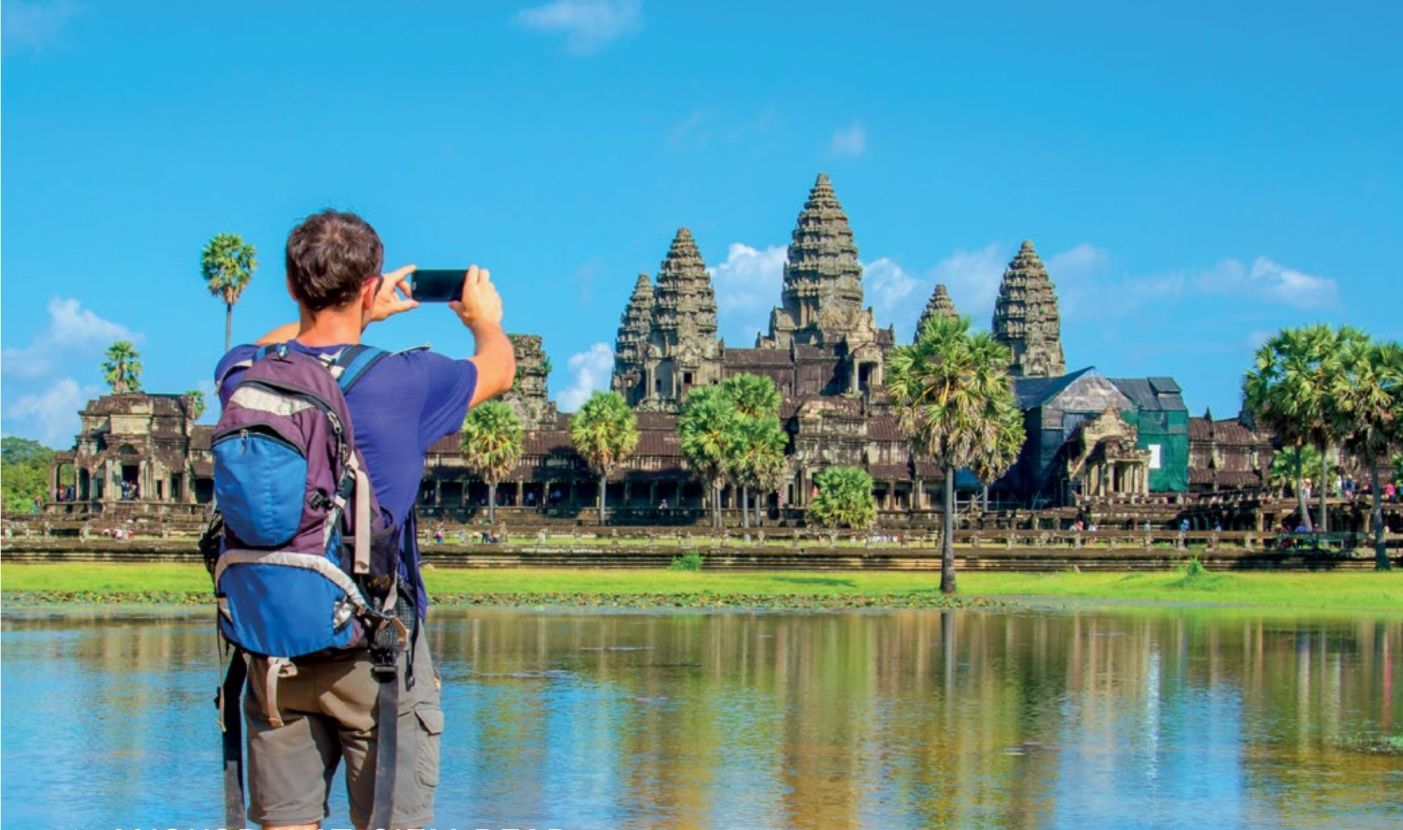
angkor wat is a must see in Cambodia

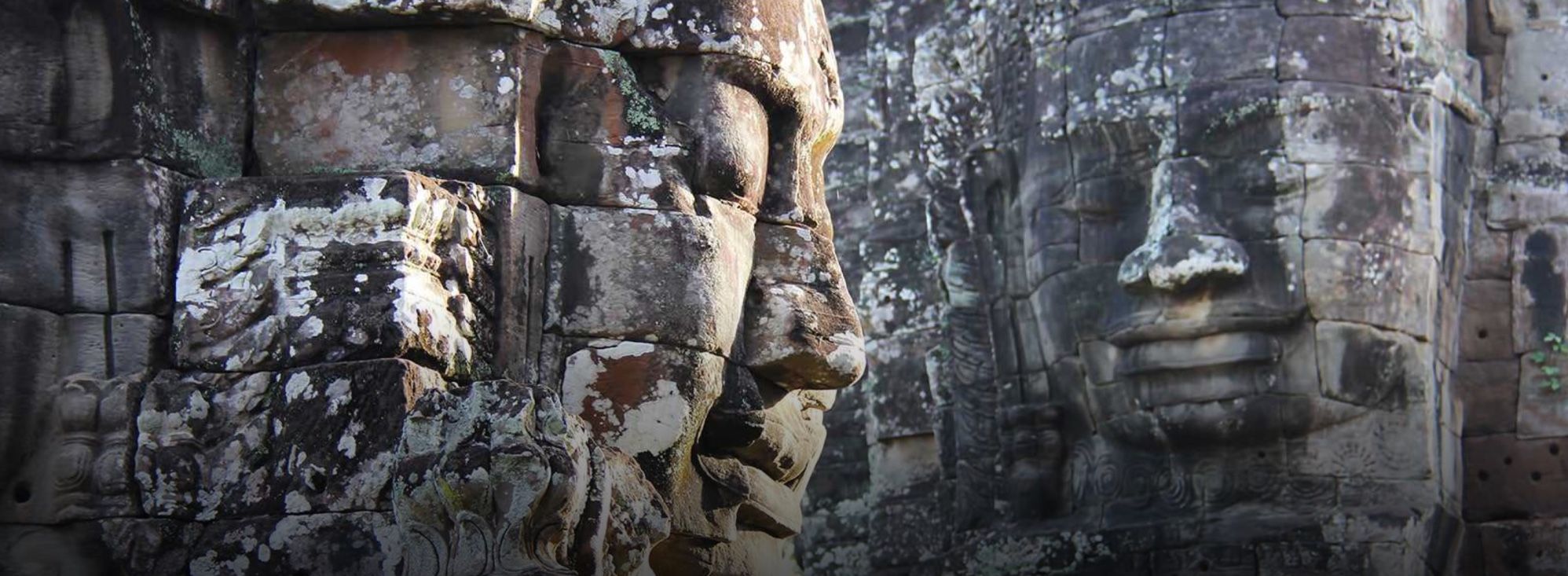
Angkor temples

The Angkor Archaeological Park holds over 1,000 temples built between the 9th and 15th centuries. Every private Cambodia tour includes flexible access to Angkor Wat, Bayon, and Ta Prohm at your own pace.

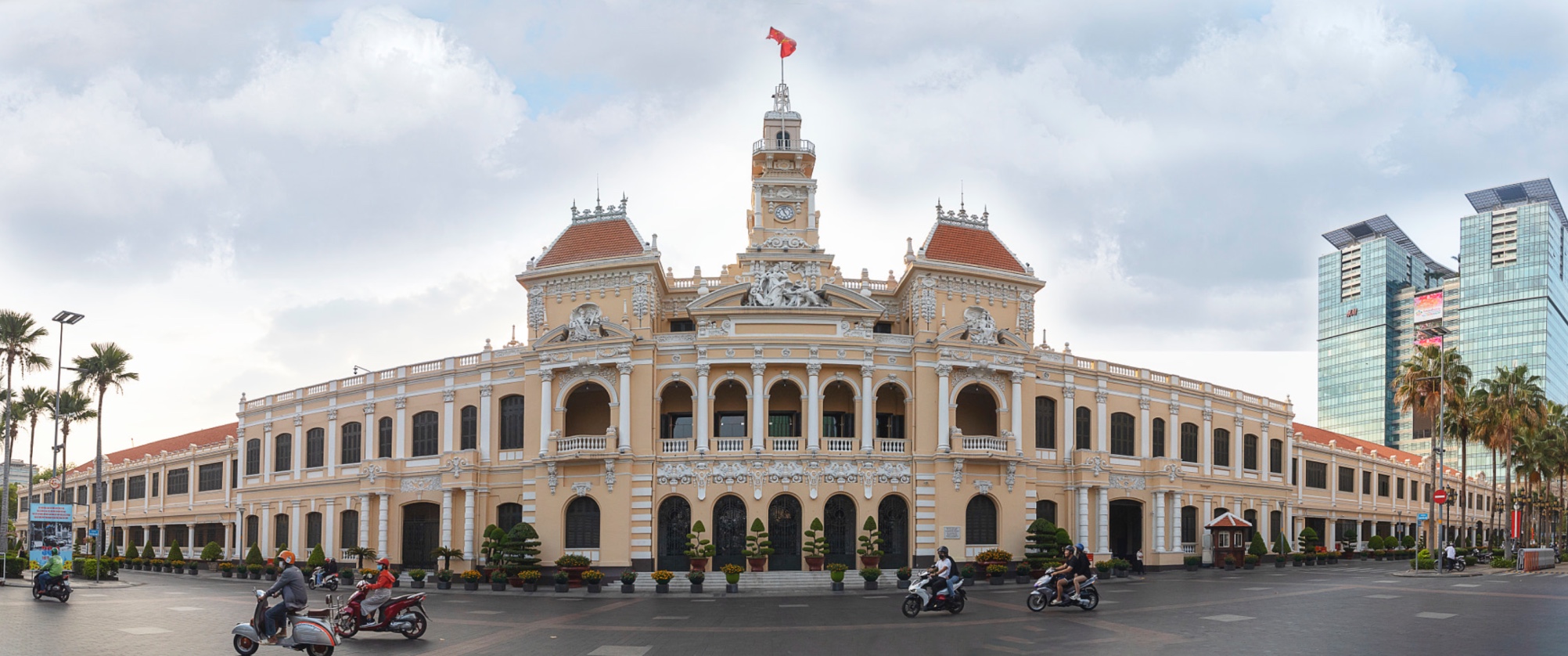
Phnom Penh city tour Cambodia

Phnom Penh

Cambodia’s capital mixes French colonial streets with a sobering recent history. Most Cambodia itineraries include the Royal Palace, Tuol Sleng Museum, and the Killing Fields of Choeung Ek.

Enjoy an apsara performance on our tours

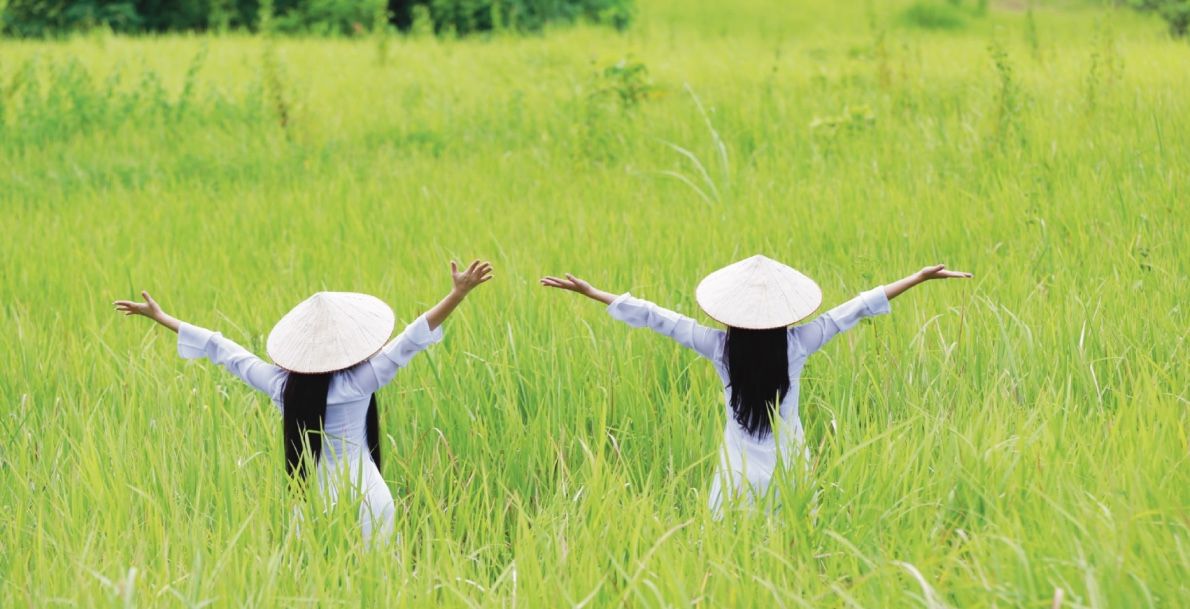
Apsara dance

Apsara is a classical Khmer dance tradition dating back to the 7th century, depicting celestial dancers from Hindu and Buddhist mythology. Live performances run nightly in Siem Reap at venues including the Phare Circus.

Include a few days beach on your Cambodian adventure

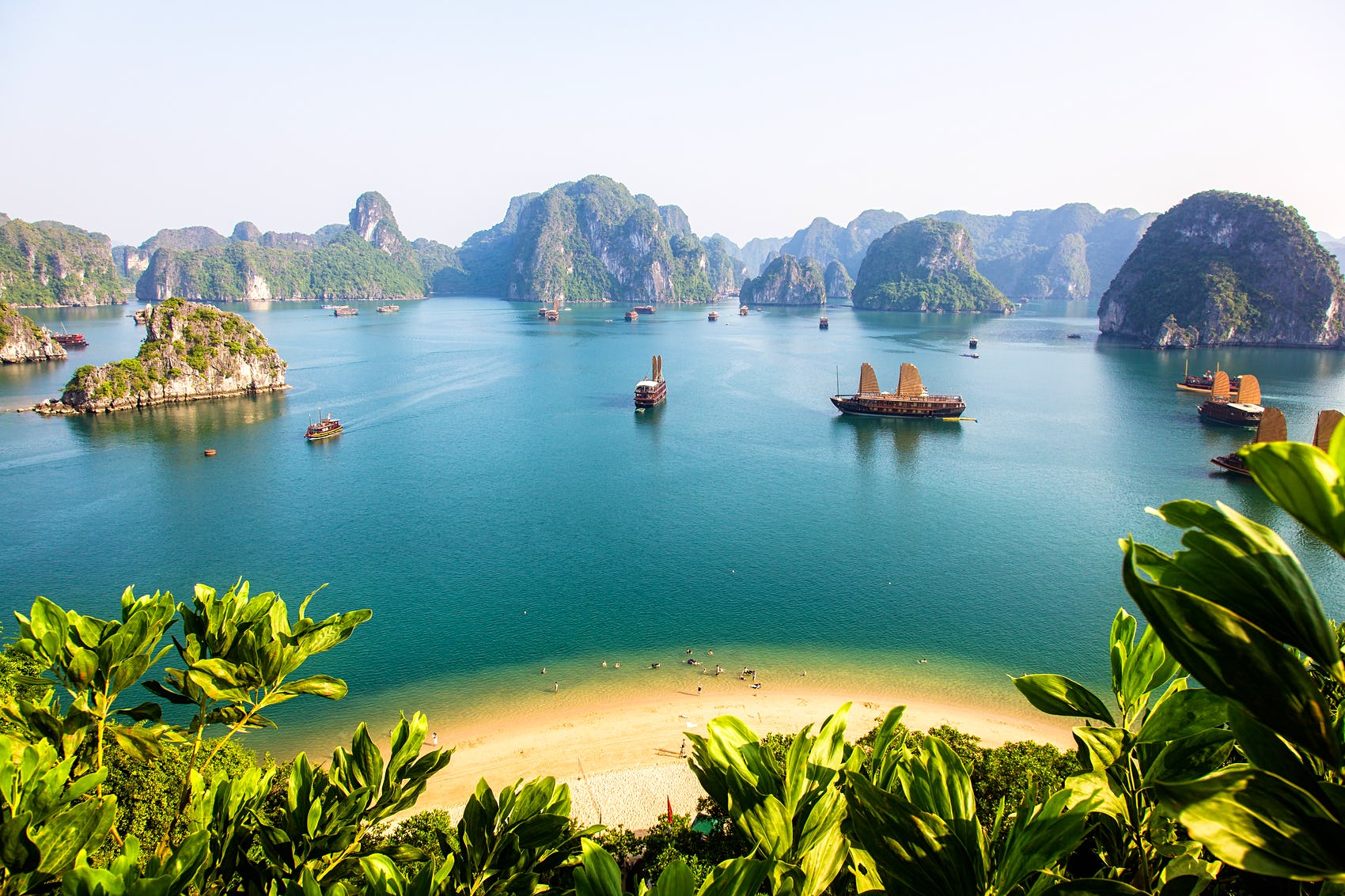
Cambodian coast

Kep, Koh Rong, and Song Saa private island sit along Cambodia’s southern coast. All three are quieter and less developed than comparable beaches in Thailand, making them a natural add-on to any Cambodia travel package.

Private Cambodia tours, holidays & travel packages

Cambodia covers 181,035 square kilometers and packs ancient temple complexes, floating villages, jungle-covered ruins, and a southern coastline into a country most travelers can cross by road in under six hours. Our private Cambodia tours are built around your schedule, not a fixed group departure. Choose a 7-day focused trip to Siem Reap and Phnom Penh, a 10-day holiday that adds Battambang and Tonlé Sap, or a longer tailor-made package that continues into Vietnam, Laos, or Thailand. Every itinerary is planned by a local team based in Southeast Asia.

Cambodia tour highlights

Angkor Wat is the world’s largest religious monument at 401 acres. Tonlé Sap is Southeast Asia’s largest freshwater lake. Phnom Penh’s riverside market district is one of the most walkable capitals in the region. These are the anchors of any private Cambodia tour worth taking.

Sample itineraries: private Cambodia tours & custom holidays

These sample Cambodia itineraries are built by our local team and cover the country’s best-known routes as well as less-visited stops. Options include a 7-day classic package through Siem Reap and Phnom Penh, a 10-day trip that adds Battambang and the Mekong, and a 14-day holiday combining Cambodia with southern Vietnam. All are fully private and adjustable.

Cambodia tours & trips

Every Cambodia tour we build is private, flexible, and planned by a local team. Tell us your travel dates, group size, and interests and we will put together a detailed itinerary with no obligation.

Request a free quote

When to visit Cambodia

November to April is the best time to visit Cambodia. Skies are clear, humidity is low, and temperatures average 29°C — ideal for temple visits and time on the southern coast. March to June brings the hot season, with temperatures reaching 38°C. The wet season runs June to September, when heavy afternoon rains are common but crowds are smaller and prices are lower.

Best time to visit Cambodia

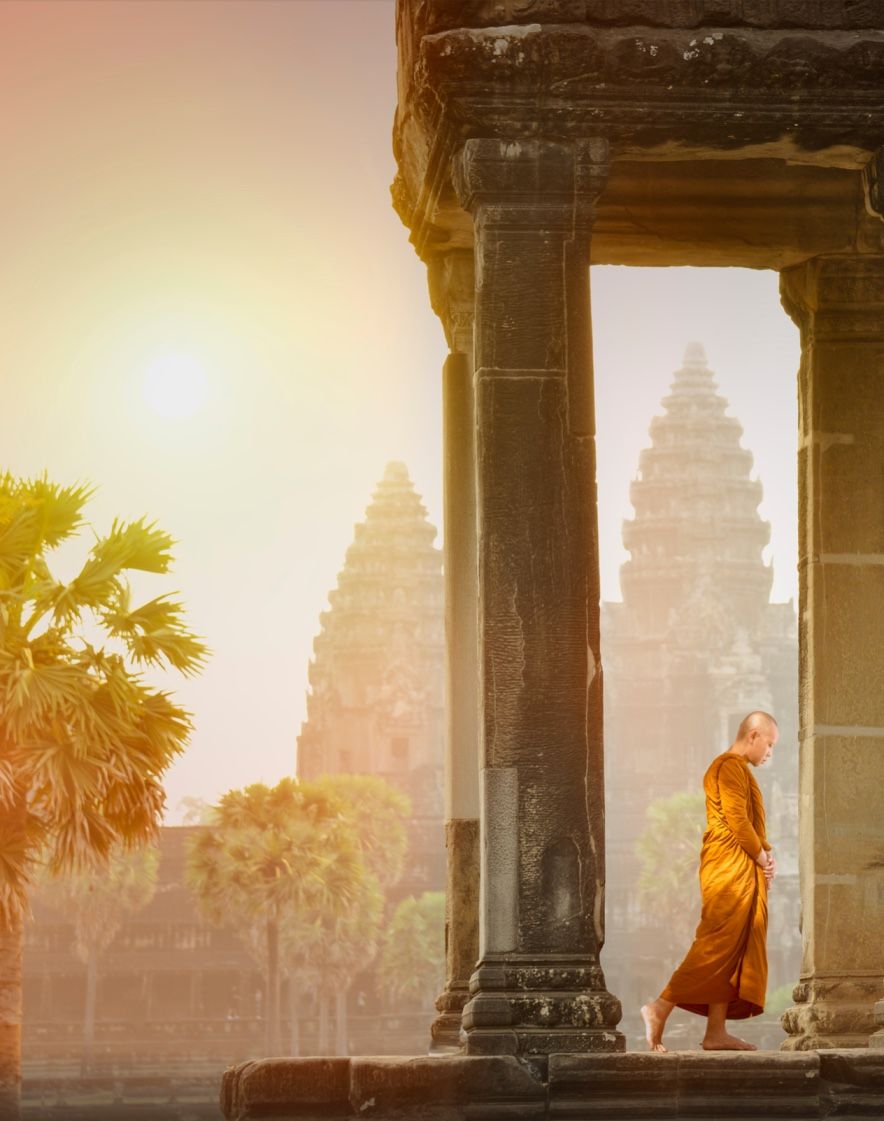
A monk walking through the temples in angkor complex - book cambodia tours

Hot season

March to June / 38°C

Dry season

October to April / 29°C

Wet season

June to September

Plan your Cambodia trip

Tell us how many days you have, where you want to go, and what kind of trip you are after. We will put together a Cambodia tour package that fits your pace, budget, and interests — with no cookie-cutter itineraries.

Contact a travel designer

FAQ: Cambodia tours

There are no direct flights from Europe, the US, or India to Cambodia. Connections go through nearby hubs including Bangkok, Singapore, Kuala Lumpur, Ho Chi Minh City, and Hanoi. From Vietnam, direct flights to Phnom Penh and Siem Reap depart from Tan Son Nhat International Airport (Ho Chi Minh City), Noi Bai International Airport (Hanoi), and Da Nang International Airport. Flight time from Ho Chi Minh City to Phnom Penh is around 45 minutes.

ASEAN passport holders are exempt from the Cambodia visa requirement but must carry a passport valid for at least 6 months beyond the departure date. Most other nationalities, including US, UK, EU, Australian, and Indian passport holders, require a visa. The Cambodia e-Visa is available online for USD 36 and covers a 30-day single-entry stay. Visas on arrival are also available at Phnom Penh and Siem Reap international airports for USD 30. Processing on arrival typically takes 20 to 30 minutes.

For all our Cambodia tour packages, we book 4-star and 5-star hotels in central locations in Phnom Penh, Siem Reap, and other cities on your itinerary. Budget and mid-range options are available on request. Boutique properties are common in Siem Reap, and Phnom Penh has a strong selection of internationally managed hotels along the riverside. We confirm all accommodation before your trip and can adjust to match your preferences.

Cambodia uses Type A (two flat vertical pins), Type C (two round pins), and Type G (three rectangular pins) sockets. Type C plugs also fit Type E and Type F outlets. The standard voltage is 230V at 50Hz. If your devices are rated for 110V only, you will need a voltage converter in addition to a plug adapter. Most modern laptops, phone chargers, and cameras are dual voltage (100–240V) and only need a plug adapter.

What power plugs are used in Cambodia?

Yes. 4G coverage is reliable in Phnom Penh, Siem Reap, and most major towns. A local SIM card from providers such as Metfone or Smart costs USD 2 to 5 and includes several gigabytes of data. Free WiFi is standard at hotels, cafes, and most restaurants. Connectivity in rural areas and on Tonlé Sap Lake is weaker but usable for basic communication.

Tipping is not mandatory in Cambodia but is appreciated. Suggested amounts: USD 1 to 2 for a restaurant meal, USD 3 to 5 per day for a private tour guide, USD 1 to 2 for hotel housekeeping or porters. At higher-end restaurants a service charge is sometimes added to the bill — check before tipping separately. Tips in USD are widely accepted alongside Cambodian riel.

Yes. Cambodia is safe for tourists in 2026. Phnom Penh, Siem Reap, Sihanoukville, and the main coastal areas are all operating normally. The border dispute with Thailand in mid-2025 had no impact on tourist areas and has since stabilized. Petty theft in busy markets is the most common risk. Cambodians are generally helpful to foreign travelers, and serious crime targeting tourists is rare. Standard city precautions apply: keep valuables secure and use reputable transport.

A 7 to 10-day Cambodia holiday covers the main highlights without feeling rushed. We recommend starting in Siem Reap for the temples, then moving to Phnom Penh for the history and city life, with an optional stop in Battambang between the two.

Day Destination Activities & highlights
Day 1–3 Siem Reap Angkor Wat sunrise, Bayon, and Ta Prohm temples. Angkor National Museum. Evening at Phare Circus and Angkor Night Market.
Day 4 Tonlé Sap Lake Rowboat through the flooded forest at Kompong Phluk. Visit local homes built on stilts above the lake.
Day 5–6 Battambang (optional) Bamboo train ride. Colonial architecture walking tour. Sunset bat exodus at Phnom Sampeau caves (over 1 million bats emerge at dusk).
Day 7–9 Phnom Penh Royal Palace and Silver Pagoda. National Museum of Cambodia. Killing Fields at Choeung Ek and Tuol Sleng Genocide Museum. Riverside walk and Phsar Thmei market.
Day 10 Departure Last morning free for market shopping or a riverside café before transfer to airport.

No. Tap water in Cambodia is not safe to drink. Bottled water is cheap (USD 0.25 to 0.50 per 1.5L) and available everywhere. Most hotels provide free bottled water in rooms. Avoid ice at street stalls — restaurants and hotels in tourist areas use filtered ice, which is generally safe.

Squat toilets are standard in local restaurants, rural areas, and some temples. Hotels, mid-range restaurants, and most tourist sites have Western-style sit-down toilets. Carry a small pack of tissues, as toilet paper is not always provided. Public toilets exist at major sites like Angkor Wat and typically charge a small fee of 500 to 1,000 riel.

Cambodia has no laws criminalizing same-sex relationships, and major cities are generally tolerant. Phnom Penh and Siem Reap both have LGBTQ+ friendly bars and guesthouses. Public displays of affection are uncommon in Cambodian culture regardless of orientation, so discretion is advised in rural areas and at religious sites. No travel warnings targeting LGBTQ+ visitors are currently in place for Cambodia.

How to plan a private Cambodia tour in 2026

Private Cambodia tours work differently from group packages. You travel on your own schedule, stop where you want, and spend more or less time at any site. A local guide meets you at each destination rather than following a fixed coach route. This matters most in Angkor, where temples like Preah Khan and Banteay Srei reward a slower pace that group tours rarely allow.

When planning a trip, we start with your dates and interests and build the itinerary from there. Travelers who prefer comfort get 5-star hotels with airport transfers and private drivers. Travelers on a tighter budget get the same private format with 3-star hotels and the same local guides. The price changes; the quality of experience does not.

Cambodia also connects naturally with Vietnam, Laos, and Thailand by road and short-haul flights. Many of our Cambodia travel packages include a crossing from Ho Chi Minh City by bus or a one-hour flight from Hanoi to Siem Reap as a starting point. A combined Cambodia and Vietnam trip of 14 to 21 days covers both countries without feeling rushed.

Recommended experiences

  • Angkor Archaeological Park covers 401 acres and holds over 1,000 temple structures built by the Khmer Empire between the 9th and 15th centuries. Sunrise at Angkor Wat and a full-day circuit through Bayon, Ta Prohm, and Preah Khan is the standard first-day itinerary for good reason.
  • Battambang is Cambodia’s second city and one of the best-preserved French colonial towns in Southeast Asia. The bamboo train — a flat wooden platform on railway wheels — runs along an old single-track line through rice fields and is unlike anything else in the country.
  • Koh Rong and Kep on Cambodia’s southern coast have fewer visitors and lower prices than comparable beaches in Thailand. Kep is known for its seafood market and proximity to Rabbit Island, a 15-minute boat ride offshore with no cars and no resorts.