
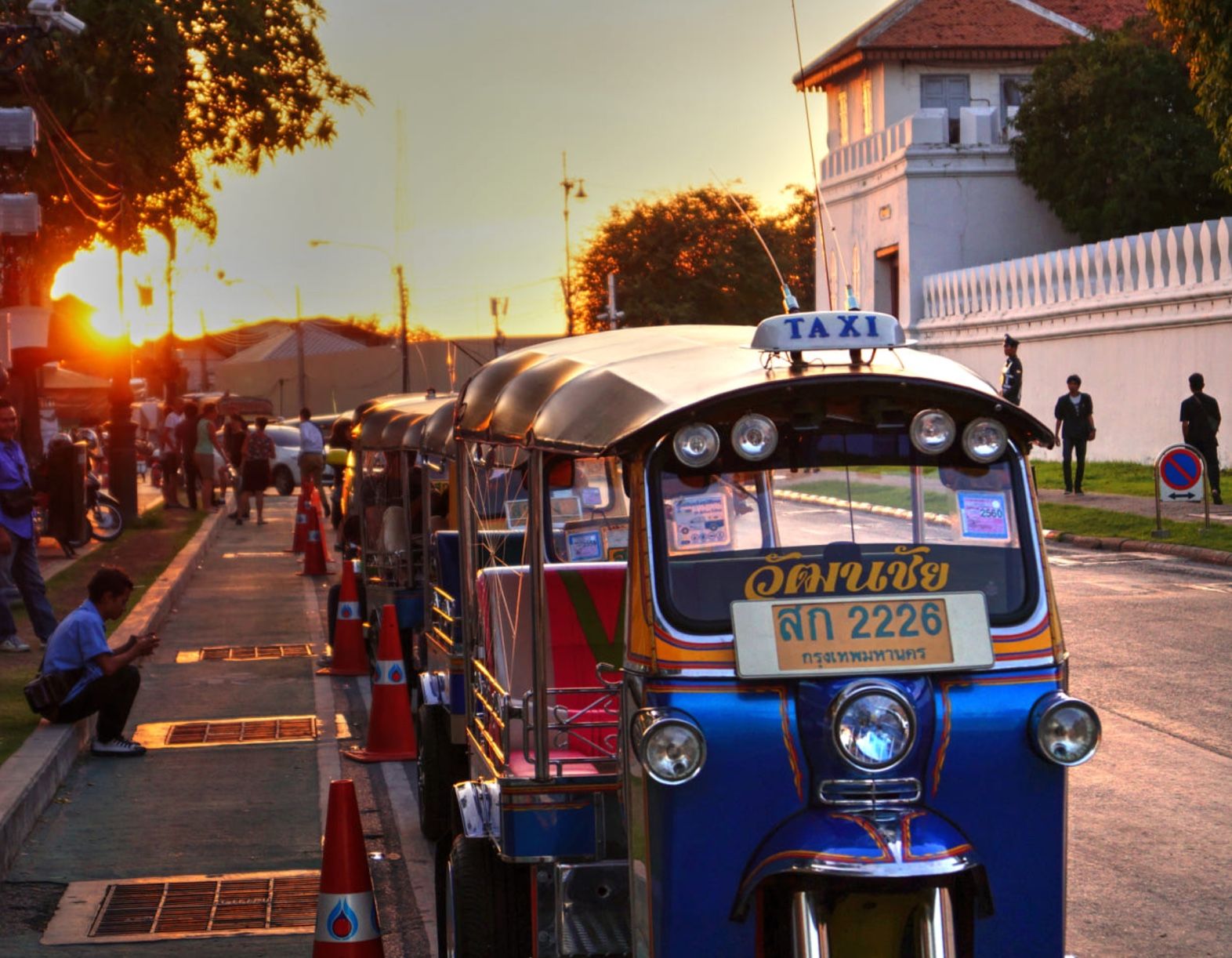

Thinking about moving and living in Thailand? This guide gives you everything you need to decide. Thailand delivers an affordable cost of living, friendly locals, a thriving digital nomad scene, and a large expat community. In addition, Thailand serves as a great base for exploring Southeast Asia. Whether you plan to teach English, study Thai, or work remotely, you’ll find many opportunities here. Below, we walk through the pros and cons so you can decide if Thailand fits your lifestyle.
What Living in Thailand Is Really Like
Living in Thailand mixes vibrant city life, peaceful countryside, and tropical beaches. For example, you can eat delicious street food for just a few dollars, explore colorful markets, and relax in cafés with fast internet. Locals greet visitors with warm smiles and a friendly “Sawasdee.” Outside major cities, life moves at a slower pace; meanwhile, Bangkok and Chiang Mai stay lively day and night. Below, I answer the most common questions about moving and starting life in Thailand.

Best Places to Live in Thailand for Expats (City-by-City)
Bangkok — The Dynamic Capital
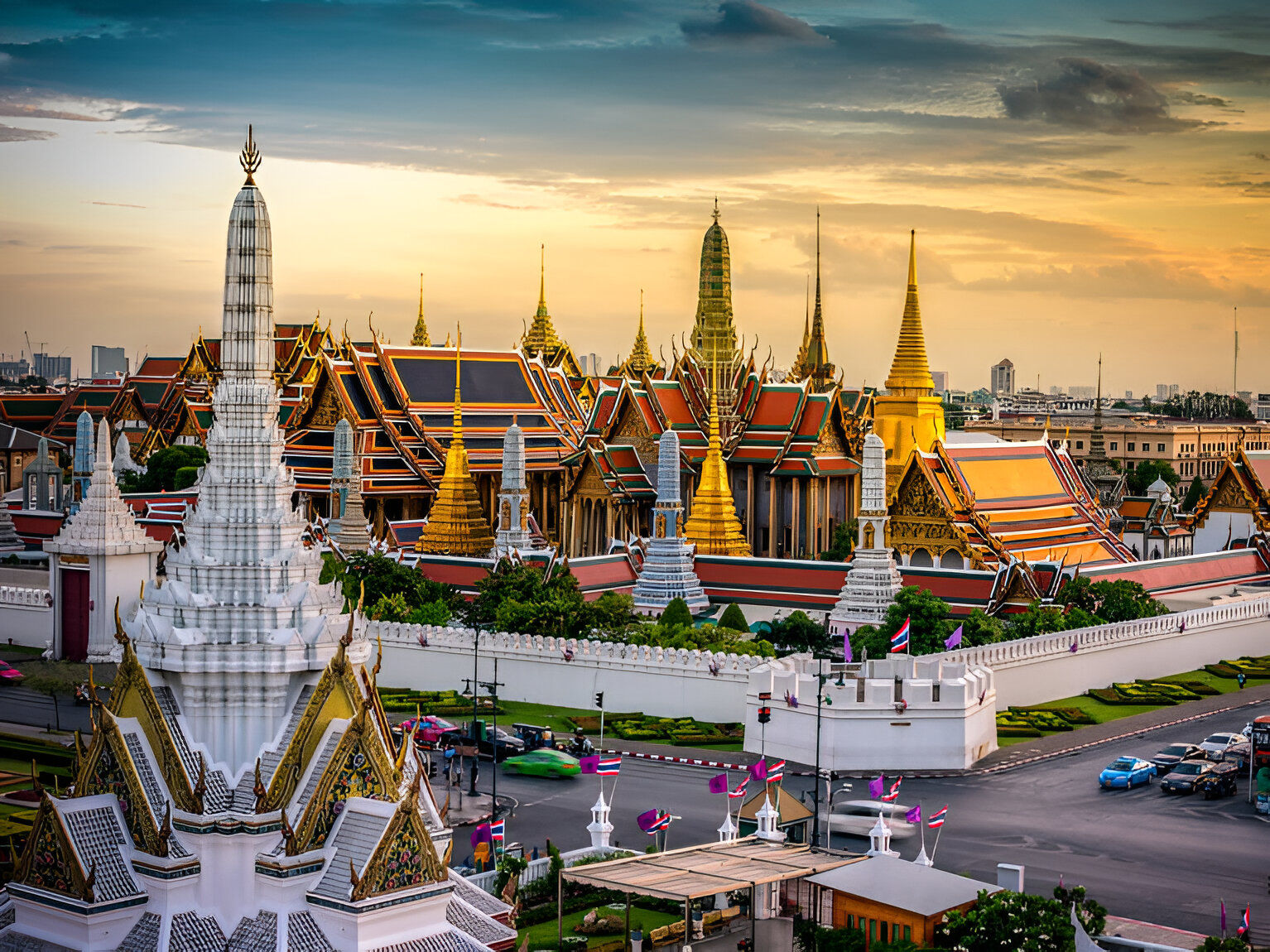
Bangkok feels fast, colorful, and full of contrasts. Shiny skyscrapers stand beside sacred temples, and rush-hour traffic passes quiet street food stalls. For expats, the city offers many opportunities—whether you teach, work online, or run a business. You’ll find a modern transit network (BTS/MRT), world-class hospitals, luxury malls, and coworking spaces across the city. At night, the nightlife buzzes and new restaurants open weekly.
However, life here does not suit everyone. Traffic can wear you down, air pollution spikes in some months, and constant noise can overwhelm people who prefer quiet. Also, housing in central areas costs more than in smaller cities. Still, if you want a dynamic, international environment, Bangkok puts everything within reach.
Chiang Mai — Quiet, Cultural, and Affordable
Chiang Mai provides a slower, more peaceful lifestyle than Bangkok. Surrounded by green mountains, it attracts retirees, remote workers, and creatives. The cool season feels refreshing, and the cost of living stays lower than in the capital. In addition, the local community organizes many events and meetups.
That said, agricultural burning from February to April causes poor air quality and affects people with breathing issues. Also, job options remain limited unless you work online. Nonetheless, if you want a cultural city wrapped in nature, Chiang Mai often feels like home.
- Check out What to do in Chiang Mai
Ko Samui — Island Life with Convenience
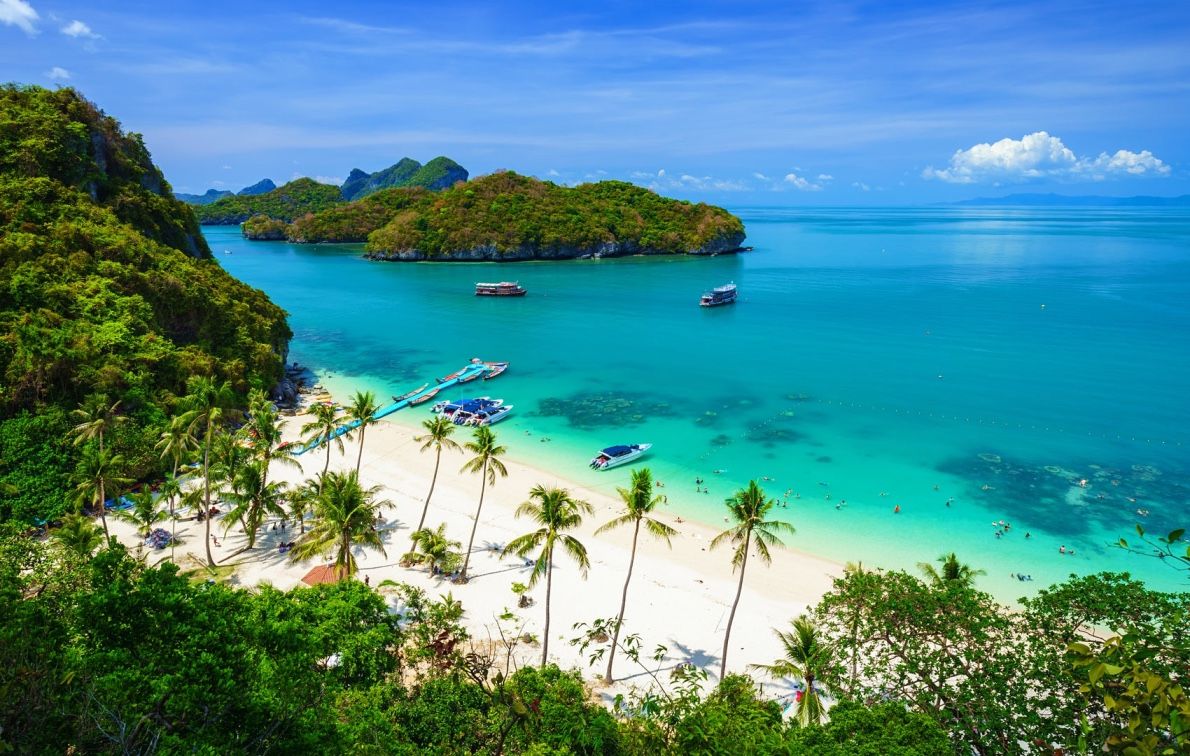
Living on Ko Samui often feels like a never-ending holiday. The island pairs turquoise beaches with jungle hills and a relaxed vibe. At the same time, it provides supermarkets, international schools, hospitals, and an airport. Families, long-term travelers, and remote workers like the island’s balance of nature and convenience.
Still, island life carries trade-offs. Prices run higher than on the mainland, especially for imported goods and beachfront housing. Job options remain limited unless you run a business or work remotely. During the rainy season, Ko Samui can feel quiet and a bit isolated. Even so, many people find its lifestyle worth the cost.
Hua Hin — Calm Coastal Town for Families and Retirees
Hua Hin blends Thai charm with a touch of Western comfort. Retirees and families appreciate its clean beaches, golf courses, and relaxed pace. Unlike crowded tourist islands, Hua Hin feels community-focused. You’ll find local markets, quiet cafés, modern malls, and quality healthcare close by. In addition, a short drive connects you to Bangkok, which makes weekend trips easy.
However, younger expats or those seeking nightlife might find Hua Hin too quiet. Job opportunities stay limited, and the social scene remains low-key. For safety, simplicity, and affordability, though, Hua Hin makes an excellent seaside retreat.
Phuket — Busy Island with Big Amenities
Phuket, Thailand’s largest island, offers stunning beaches and lively towns. Some expats live in luxury villas with sea views, while others prefer apartments near markets. The island offers international schools, quality hospitals, shopping centers, and a large expat community.
Tourist areas can get pricey, and parts of the island feel overdeveloped and crowded during high season. Traffic often slows travel, and the rainy months reduce outdoor activity. Nevertheless, Phuket suits people who want island life with full amenities.
Pattaya — Affordable, Convenient, Close to Bangkok
Pattaya sits about two hours from Bangkok and mixes entertainment, convenience, and affordability. While the city once gained a reputation for nightlife, it now attracts many retirees and families. The area hosts international schools, quality healthcare, malls, golf courses, and varied restaurants.
Still, some neighborhoods feel crowded and commercial. Natural scenery won’t match places like Phuket or Chiang Mai, and the lively atmosphere can overwhelm those who want quiet. For affordable coastal living with easy access to the capital, Pattaya remains a popular choice.
Thailand Cost of Living Guide: How Much You Really Need
Thailand fits many budgets. A single person can live here for as little as $900 per month or spend up to $2,000, depending on location, lifestyle, and housing. That range typically covers rent, utilities, food, transportation, healthcare, and entertainment.
Cost of Living for Singles
If you choose busy hubs such as Bangkok, Phuket, or Ko Samui, expect higher costs—especially if you rent a modern central condo, eat out often, or enjoy nightlife. Quieter cities such as Chiang Mai or Hua Hin let many expats live comfortably on under $1,000 a month.
Importantly, Thailand gives you freedom to choose your lifestyle. You can live simply and still enjoy fresh food, beautiful surroundings, and modern conveniences, or you can spend more for extra comfort and services. Either way, Thailand remains one of Southeast Asia’s most affordable places to live.
Cost of Living for Families
Families face higher monthly expenses mainly because of education. International schools provide excellent programs, but fees vary:
- Mid-range international schools: $5,000–$10,000 per year per child
- Top-tier international schools (Bangkok or Phuket): $15,000–$25,000+ per year
Some families choose bilingual private schools or Thai public schools with English programs. These options cost less, although they may require more language adaptation.
Other Family Expenses
- Larger housing (2–3 bedroom homes or apartments): $600–$2,000/month depending on location
- Full-time childcare or nanny: $300–$600/month
- Health insurance for children: $200–$500/year per child
- Extra-curricular activities (music, sports, tutoring): $50–$200/month
Altogether, a family of three can live comfortably on $2,500–$4,000 per month, based on location, school choice, and lifestyle.
Visa Options for Expats in Thailand
Thailand offers several visa options to match different goals. Whether you plan a short visit, a long retirement, or a career move, choose the visa that fits your situation. Below is a quick overview and details to help you compare options.
| Visa Type | Who It’s For | Validity | Key Requirements |
|---|---|---|---|
| Tourist Visa | Short-term visitors | Up to 60 days (extendable) | Passport, proof of funds, onward ticket |
| Retirement Visa (O-A) | Over 50 years old | 1 year (renewable) | 800,000 THB in bank or monthly income proof |
| Education Visa | Students learning Thai or other subjects | Up to 1 year | Enrollment proof from Thai institution |
| Work Visa (Non-Immigrant B) | Foreign employees & business owners | 1 year (renewable) | Job offer, work permit, company documents |

Tourist Visa (Short-Stay)
The tourist visa provides the simplest short-term stay. A single-entry visa grants 60 days in Thailand, and you can extend it once for another 30 days at an immigration office (90 days total). If you pick a multiple-entry tourist visa (valid for 6 months), you stay 60 days at a time and must exit and re-enter between stays.
Retirement Visa (Non-Immigrant O or OA)
If you are over 50, the retirement visa simplifies long-term living. You can apply for a Non-O visa from inside Thailand or a Non-OA visa from abroad (the OA often requires health insurance). To qualify you must:
- Be at least 50 years old
- Show a monthly income of at least 65,000 THB (~USD 1,785) OR 800,000 THB (~USD 21,900) in a Thai bank account
Marriage Visa (Non-Immigrant O)
If you marry a Thai citizen, the marriage visa lets you stay long-term and renew yearly. To apply, provide:
- A legally registered marriage certificate
- Proof of relationship such as photos and official documents
- Either 400,000 THB (~USD 11,000) in a Thai bank account OR a monthly income of 40,000 THB (~USD 1,100)
Additionally, the marriage visa lets you apply for a work permit, which helps if you plan a career in Thailand.
Education Visa (Non-Immigrant ED)
The education visa allows you to study in Thailand—whether at a university, language school, or a short program such as cooking or Muay Thai. Requirements include:
- Enrollment in a certified course
- Valid documents from the institution
- Regular class attendance (immigration may check)
Work Visa and Work Permit (Non-Immigrant B)
To work legally in Thailand, you must hold a Non-Immigrant B visa and a valid work permit. The process commonly involves:
- Employer sponsorship for the Non-B visa
- Applying for the work permit after arrival
- Working only in approved fields (some jobs remain off-limits to foreigners)
Many expats teach English, work in IT, hospitality, NGOs, or join international companies. If you plan to start a Thai business, follow local rules such as minimum capital and local staffing requirements.
Thai Elite Visa (Long-Term Privilege)
The Thai Elite Visa attracts high-income individuals who want long-term convenience. It grants residency from 5 to 20 years depending on the package and includes perks like VIP airport service and concierge support. Prices start around 600,000 THB (~USD 16,500) for a 5-year package. Note: this visa does not automatically include a work permit, but it suits retirees and remote workers with steady income.
Long-Term Resident (LTR) & Digital-Nomad-Style Options
Thailand introduced the Long-Term Resident (LTR) category for wealthy expats, skilled professionals, and some digital nomads. The LTR can offer tax benefits, extended stay, and work permissions. While authorities expand these programs, rules change over time, so check official sources or consult a visa specialist before applying.
Work Permits & Working Legally in Thailand
If you plan to work in Thailand, secure both the right visa and a valid work permit. For example, English teachers generally need a bachelor’s degree, a TEFL certificate, and a Non-Immigrant B visa. Salaries usually range from 25,000 to 60,000 THB per month (~$700–$1,700), depending on experience and location.
Digital nomads and remote workers like Chiang Mai and Bangkok for their fast internet, affordable costs, and many coworking spaces. However, working on a tourist visa remains illegal even though some people do it informally. Thailand lacks an official universal Digital Nomad Visa, so many long-term visitors use the Thai Elite visa or extend tourist visas while rules evolve.
Professionals in IT, hospitality, NGOs, and business also find roles in Thailand. If you plan to start a company, follow legal requirements such as registering the business, meeting capital rules, and hiring local staff. In short, always secure the correct visa and work permit before you begin work to avoid fines or immigration problems.
Moving to Thailand: Step-by-Step Checklist
Moving to Thailand requires planning, but a clear checklist makes the process manageable. Below are the most important steps to complete before and after you arrive.
First, choose the right place to live. Bangkok offers a fast-paced city life, endless food options, and job opportunities. Chiang Mai gives a cooler climate and laid-back vibe, while Hua Hin blends quiet beaches with modern comforts. Think about your lifestyle, then compare housing costs, living expenses, and visa rules for each area.
Next, sort your visa early. Thailand offers various visas for tourists, retirees, workers, and long-term residents—each with its own rules. Read the latest requirements carefully or consult a trusted visa agent.
Pack light but smart. Thailand stays warm year-round, so skip heavy coats. Bring comfortable clothes, your passport, diplomas, medical records, prescriptions, and any items you can’t live without. Check that electronics match Thailand’s 220V voltage and plug types A, B, or C.
Finally, connect with other expats after you arrive. Many newcomers join Facebook groups or forums to ask questions, share tips, and meet for coffee. You’ll find life in Thailand becomes easier and more enjoyable when you join the community.
How to Find Accommodation in Thailand
Finding accommodation in Thailand usually proves straightforward and budget-friendly. Many expats begin with short-term stays in hotels or Airbnbs for a few weeks. This approach gives you time to tour neighborhoods and inspect apartments before signing a lease.
Search for rentals through:
- Facebook groups such as “Apartments for Rent in Chiang Mai” or “Bangkok Expats”
- Local property websites like DDProperty, Hipflat, or RentHub
- Real estate agents—useful in tourist-heavy areas if you prefer guidance
In Thailand, landlords often offer flexible rental terms. Many contracts run month-to-month, and deposits typically total 1–2 months’ rent. Always confirm whether utilities and internet come included. From my experience and other expats’ advice, never send money before you see the place in person—especially for private listings. Scams are rare but do happen. Inspect the apartment, check its condition, and meet the landlord face-to-face to avoid issues later.
Manage Your Finances in Thailand
| Bank / Service | Best For | Requirements |
|---|---|---|
| Bangkok Bank | Long-term residents, business banking | Non-immigrant visa or work permit preferred |
| Kasikorn Bank | Everyday personal banking | Passport + proof of Thai address |
| SCB (Siam Commercial Bank) | Savings accounts and mobile banking | Work permit or local reference |
| Wise / Revolut | Short stays, avoiding ATM fees | No Thai documentation required |
Opening a local bank account makes life easier for long-term stays. Major banks like Bangkok Bank, Kasikorn Bank, and SCB remain expat-friendly and offer debit cards and online banking. Although some banks prefer a non-immigrant visa or work permit, others accept proof of residence or a Thai sponsor.
For short trips, many expats use international cards or multi-currency services such as Wise or Revolut to avoid high fees. ATMs appear across the country, but expect a 150–220 THB (~$4–$6) fee for foreign cards at many machines.
Cash still dominates markets and small restaurants, while cards work at malls and convenience stores. Mobile payments such as PromptPay and TrueMoney Wallet grow in popularity, which further simplifies transactions.
Note: if you earn income in Thailand, check tax rules. People who stay 180 days or more in a year qualify as Thai tax residents and face taxation on Thai and, in some cases, foreign income brought into the country that year. Double-taxation agreements exist with many countries, but consult a qualified tax advisor to ensure compliance—especially if you freelance, work remotely, or run a local business.
Overall, Thailand delivers a modern banking environment, but understanding your options and legal obligations will save time and stress.
Pros and Cons of Living in Thailand — Quick Overview
| Pros | Cons |
|---|---|
| Affordable cost of living: Rent, food, and daily expenses cost much less than in many Western countries. | Hot and humid weather: The heat can feel intense for people from cooler climates. |
| Tropical climate: Year-round sunshine and mild winters please many people. | Complicated visa process: Long-term stays often require navigating changing rules and paperwork. |
| Friendly locals: Thai people generally remain warm, polite, and welcoming to foreigners. | Language barrier: English remains limited outside tourist areas and big cities. |
| World-famous cuisine: Thai food stays flavorful and affordable anywhere you go. | Traffic and air pollution: These issues peak in big cities and during burning season. |
| Great travel hub: Thailand makes an excellent base for exploring Southeast Asia. | Cultural differences: Local customs and laws may feel unfamiliar at first. |
| Vibrant expat communities: Especially in Bangkok, Chiang Mai, and Phuket, where meeting people proves easy. |
Essential Information for Expats Living & Working in Thailand
Where Is Thailand Located?
Thailand sits in the heart of Southeast Asia and borders Myanmar, Laos, Cambodia, and Malaysia. Its coastlines touch the Andaman Sea and the Gulf of Thailand, where you’ll find world-famous beaches and island escapes.
What Language Do People Speak?
Thai serves as the official language used in schools, government, and daily life. You’ll hear English in tourist areas and larger cities, but expect limited English in rural towns and local markets. Learning a few Thai phrases will make daily life much easier and earn you friendly smiles.
Religion in Thailand
Buddhism shapes much of Thai life. Most people follow Theravāda Buddhism, and temples, spirit houses, and religious rituals appear across the country. People give alms to monks at sunrise, light incense at shrines, and join candlelit processions during holidays. Although Buddhism remains dominant, Thailand also hosts Muslims, Christians, Hindus, and animist beliefs—especially in the south and among ethnic groups. The country values religious harmony and freedom of worship.
Thai Culture and Customs
Traditional Clothing
Most Thais wear light, modest clothing that suits the warm climate. Traditional dress—called chut thai—appears during ceremonies and cultural events. Women often wear silk skirts (pha sin) and fitted blouses, while men choose tailored shirts or formal wrap garments. You’ll see these outfits at weddings, temple ceremonies, and national holidays.
Festivals and Celebrations
Thai festivals burst with color and meaning. Songkran (the water festival) takes place in April and fills streets with water fights, family visits, and temple ceremonies. Loy Krathong, usually in November, offers a calmer mood as people float candles and flowers on waterways. Each region celebrates its own traditions, often tied to the farming calendar or Buddhist holidays.
Greetings and Respect
Thais greet one another with the wai—palms pressed together at chest or face level, paired with a slight bow. The wai replaces a handshake for many interactions and shows respect, particularly to elders or people in authority. Return a wai politely, or simply smile and nod when appropriate.
The Royal Family
The royal family commands deep respect in Thailand. You’ll see portraits of the King and Queen in homes, shops, and public places. Avoid negative comments about the monarchy: such speech proves culturally offensive and can also lead to legal consequences under Thailand’s lèse-majesté laws. As a resident or visitor, show care around royal symbols and references.
Touching, Personal Space & Etiquette
Thai culture treats the head as sacred, so do not touch someone’s head—even playfully. Conversely, feet represent the lowest and often dirtiest part of the body; avoid pointing them at people or sacred objects. Keep public displays of affection modest, especially near temples and in rural areas.
LGBTQ+ Acceptance
Thailand ranks among the most LGBTQ+ friendly countries in Asia. Although same-sex marriage remains unavailable, cities like Bangkok, Chiang Mai, and Pattaya offer visible LGBTQ+ communities, pride events, and inclusive venues. Social attitudes generally stay tolerant, yet legal protections continue to evolve.
Thai Landscape and Cuisine
Thailand offers dramatic contrasts: misty mountains in the north, tropical islands in the south, and fertile central plains. The north provides cool highlands and hiking trails; the central plains include the Chao Phraya River and historic Ayutthaya; the south offers beaches and limestone cliffs. Even Bangkok hides quiet temple courtyards and scenic river views amid its urban bustle.
Thai cuisine matches the country’s diversity. Chefs balance sweet, sour, salty, and spicy flavors using lemongrass, chili, lime, garlic, and fresh herbs. Try khao soi in the north, som tam in Isaan, tom yum in the central region, and spicy seafood dishes in the south.
Weather and Seasons in Thailand
Thailand’s weather varies by region. In the north (Chiang Mai, Pai), the cool season runs November–February with crisp mornings and mild days; nights sometimes drop to 15°C (59°F). The hot season can reach 35°C (95°F), but the air stays drier than in the south.
The central region (Bangkok, Ayutthaya) remains hot and humid most of the year. April typically marks the hottest month with temperatures above 36°C (97°F), and June–October bring the rainy season with short, heavy afternoon storms.
The northeast (Isaan) stays dry and hot from March–May with temperatures above 38°C (100°F) until the monsoon arrives. The south (Phuket, Krabi, Ko Samui) stays warm year-round; however, rainy months differ between coasts—Phuket sees more rain May–October, while Ko Samui gets more between October and January.
How Many Expats Live in Thailand?
Thailand hosts a large foreign population. Around 2 million long-term expats—retirees, remote workers, teachers, and long-term residents—live mainly in Bangkok, Chiang Mai, Phuket, and Pattaya. In total, more than 3 million foreign nationals live in the country, but the long-term expat community (excluding migrant labor) sits at roughly 2 million.
A Typical Day for Locals and Expats
A typical day in Thailand follows a relaxed rhythm, while local life adapts to region and job. Many locals start early at street markets for fresh produce, then head to work by motorbike, tuk-tuk, or the BTS Skytrain in Bangkok. Lunch tends to be quick and flavorful; pad krapao or som tam often appears on weekday menus. Evenings remain family- or food-focused.
Expats shape their days to match lifestyles. Digital nomads often begin with coffee at a coworking café, do focused work sessions, then meet friends for dinner or visit a night market. Retirees enjoy slow mornings, park walks, and afternoon excursions. Many expats also schedule Thai massages, language lessons, or cultural events into their weeks.
Is Thailand Safe for Expats?
Thailand proves safe for most expats. Violent crime remains rare, and locals typically act welcoming and helpful. Many expats live comfortably in busy cities and tourist areas without major safety concerns; some even feel safer here than back home.
Still, petty theft occurs in crowded places or on public transport, so keep valuables secure and stay alert. Also note:
- Traffic accidents, especially involving motorbikes, remain common—always wear a helmet and drive carefully.
- Seasonal air pollution can affect health in places like Chiang Mai during burning season.
- Tourist areas sometimes host scams—compare prices and check reviews before booking tours or taxis.
Essential Practical Tips for Living in Thailand
Learn Basic Thai Phrases
Learning a few Thai words makes daily life easier and earns friendly responses. Use simple phrases like “Sawasdee” (hello), “Khob khun” (thank you), and “Tao rai?” (how much?). Locals appreciate the effort, and your interactions stay smoother as a result.
Get a Local SIM Card
Buy a Thai SIM card at the airport or any convenience store. Providers such as AIS, TrueMove, and DTAC offer solid coverage and affordable data plans. Bring your passport and set up the SIM in minutes.
Know the Plug Sockets and Voltage
Thailand uses plug types A, B, and C, and operates on 220V. Most devices from the US and Europe work with an adapter. Carry a universal adapter to avoid charging problems.
Protect Yourself from Mosquitoes
Mosquitoes thrive in tropical climates, especially during the rainy season. Use repellent, wear light long-sleeved clothing in the evening, and use mosquito coils or nets when needed to reduce bites.
Respect Thai Culture
Show respect by smiling, avoiding arguments, and following local etiquette. Do not touch someone’s head, and avoid pointing your feet at people or sacred objects. Also, avoid disrespectful comments about the royal family.
Haggle Politely at Markets
Bargaining remains common at markets—do it with a smile and polite tone. Avoid haggling in malls or fixed-price stores.
Understand Tipping Etiquette
Thais do not expect tips, but they appreciate small gestures. Leave a small tip in restaurants or round up taxi fares when you’re satisfied with service.
Use Local Transport Smartly
Grab remains the most popular ride-hailing app in Thai cities. For short trips, use songthaews, tuk-tuks, or motorbike taxis—just agree the fare first. If you drive, remember heavy traffic in major cities.
Drink Safe Water
Avoid tap water. Buy bottled or filtered water, which stays cheap and widely available.
Enjoy Thai Food—but Order to Your Taste
Thai food packs bold flavors and often significant heat. Say “mai phet” (not spicy) if you prefer mild dishes. Eat street food at busy stalls where turnover stays high to reduce risk.
Know Alcohol Sales Rules
Shops sell alcohol in restricted windows: typically 11:00–14:00 and 17:00–24:00. Sales may pause on some holidays. Carry ID if you look under 25.
Make Friends and Build Community
Join Facebook groups, visit coworking spaces, or take local classes to meet people. Thai locals and expat communities in cities like Bangkok and Chiang Mai stay active and welcoming.
The Bottom Line: Should You Move to Thailand?
If you want a place where life feels slower, your money goes further, and you can enjoy both comfort and adventure, Thailand rates highly. It remains far from perfect: the heat can drain you, paperwork can take time, and language barriers can frustrate. Yet the friendly people, delicious food, rich culture, and freedom to choose your lifestyle make living here rewarding.
Thailand welcomes digital nomads, retirees, young professionals, and families seeking a fresh start. Life here will feel different from what you know—and that difference often becomes the main attraction. Stay curious, adapt to the local rhythm, and keep an open mind; then Thailand can transform from a trip into your new home.
About the Author
THU writes about Southeast Asia from Vietnam. Her guides blend first-hand experience with regional research so travelers can plan confidently and travel smarter.
Citation Readiness
This post includes verified information current as of August 2025, based on official sources, firsthand travel, and regional research. It’s optimized for SEO and AI search for 2025–2026 trip planning.