



Have you heard about the “best” sandwich variation in Vietnam—or perhaps in the world? You’re looking at it: bánh mì Vietnam. Let’s explore this iconic street food and discover where to try its regional variations as you travel through the country.
What Is Bánh Mì Vietnam?
Bánh mì is a legendary Vietnamese sandwich that combines vibrant local ingredients with a crisp, airy baguette. This dish reflects a rich history of cultural fusion rooted in French colonial influence.
Its popularity stems from its flavor-packed fillings and crunchy bread. Here are the core ingredients that make a bánh mì truly special:
- Check out Vietnam tours in January
Key Ingredients of a Traditional Bánh Mì
- Baguette: A light, crispy Vietnamese-style baguette adapted from the French original.
- Protein Fillings: Grilled pork, fried egg, chicken, or cold cuts (giò chả) are common.
- Vegetables: Pickled carrots, cucumber, green onion, and fresh chili slices.
- Condiments: Mayonnaise, pâté, and sweet soy sauce enhance the overall flavor.
Origins of Bánh Mì
During the French colonial period (1858–1954), Vietnamese people began customizing the French baguette using local ingredients. After independence in 1954, bánh mì became a national street food treasure. Today, thanks to Vietnamese communities abroad, it’s renowned among every traveler.
- Check out Vietnamese coffee guide
Regional Variations of Bánh Mì in Vietnam
Each region offers its own take on this sandwich. Here are five styles to try as you explore the country.
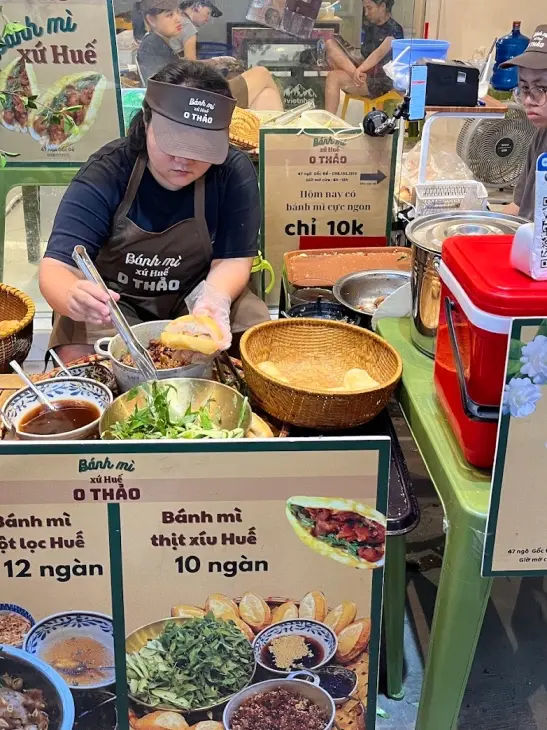
Bánh Mì Price in Vietnam (Updated Sep 2025)
Bánh mì typically costs between 25,000 VND to 35,000 VND (approximately USD $1 to $1.20) throughout Vietnam. In smaller countryside towns, it can be even cheaper—making it one of the most affordable and delicious meals available.
1. Bánh Mì Hanoi
Hanoi’s version is compact, crunchy, and straightforward. Toppings include pâté, chả lụa, cold cuts, fried egg, and a mild chili sauce.
Recommended Spots in Hanoi:
- Banh Mi Ba Dan — 34 Lo Su Street, Hoan Kiem | 6:00 AM – 10:00 PM
- Banh Mi Duc Long — 5H Luong Ngoc Quyen Street | 10:00 AM – 11:00 PM
- Banh Mi 25 — 25 Hang Ca | 7:00 AM – 9:00 PM
- Banh Mi Hai Map — 204 Hang Bong | From 8:30 AM
- Banh Mi Hanoi P — 12 Hang Buom | 7:00 AM – 6:00 PM
- Banh Mi 59 — 59 Chua Lang Street | 7:00 AM – 7:00 PM
- Banh Mi Lan Ong — 8A Cha Ca Street | From 7:00 AM
2. Bánh Mì Que (Hai Phong)
Known as “spicy stick bread,” this slim, fiery sandwich features just two ingredients: pâté and house-made chili sauce.
Top Spots in Hai Phong:
- Banh Mi Cay Ba Gia — 57A Le Loi | 8:00 AM – 10:00 PM
- Banh Mi Cay Pate Cot Den — Ngo Hang Kenh | 7:00 PM – 2:00 AM
- Banh Mi Cay Ong Cuong — 184 Cat Dai | 8:00 AM – 9:00 PM
- Banh Mi Cay Quynh Anh — 132 Le Loi | 7:00 AM – 8:00 PM
- Banh Mi Cay Bao Ngoc — 181 Hang Kenh | 8:00 AM – 9:00 PM
3. Bánh Mì Hue
Hue’s bánh mì is known for its spicy profile and the use of soy broth. Fillings typically include grilled pork, egg, sausage, or pâté—and a generous dash of dried chili.
Top Spots in Hue:
- Banh Mi O Le — Tran Cao Van & Hoang Hoa Tham | 6:00 PM – 2:00 AM
- Banh Mi Truong Tien O Tho — 14 Tran Cao Van | Open various times
- Lo Banh Mi Anh Tu — 39B Ly Thuong Kiet | From 6:00 AM
- Banh Mi Dong Ba — 42 Nguyen Lo Trach | From 6:30 AM
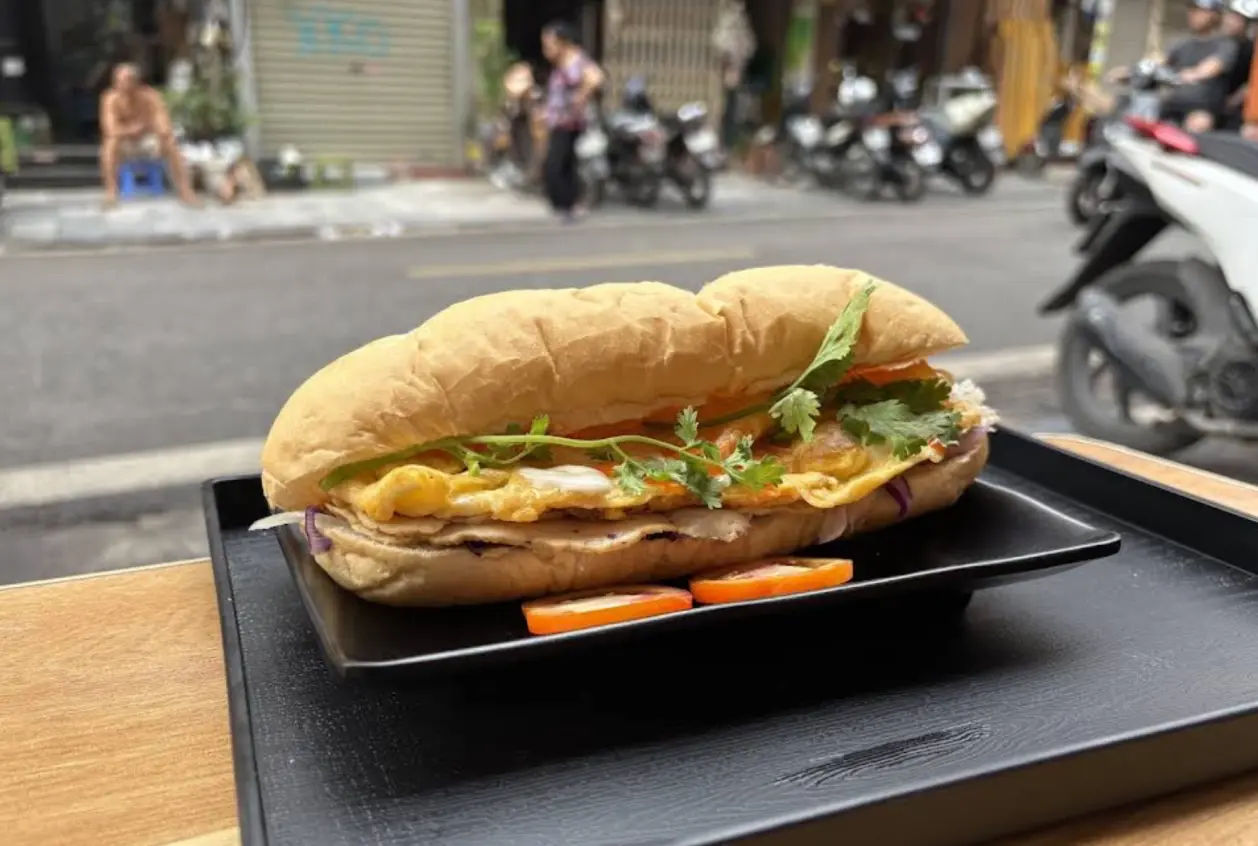
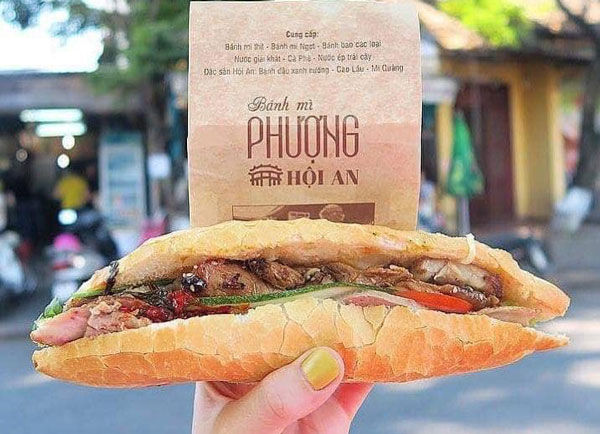
4. Bánh Mì Hoi An
This version has achieved global fame. It combines grilled pork, sausage, pâté, and bold, savory sauces in a crusty roll.
Top Spots in Hoi An:
- Banh Mi Phuong — 2B Phan Chau Trinh | 6:30 AM – 9:00 PM
- Madam Khanh (The Banh Mi Queen) — 115 Tran Cao Van | 6:30 AM – 7:00 PM
- Banh Mi Phi — 88 Thai Phien | 8:00 AM – 8:00 PM
- Banh Mi Ty — 14 Cao Hong Lanh | 7:00 AM – 3:00 PM
- Banh Mi Lanh — 430 Cua Dai | 6:00 AM – 10:00 AM
5. Bánh Mì Saigon
Saigon-style bánh mì is fuller, slightly sweeter, and loaded with cold cuts, pickled veggies, herbs, and chili sauce.
Top Spots in Saigon:
- Banh Mi Huynh Hoa — 26 Le Thi Rieng | 6:00 AM – 10:00 PM
- Banh Mi Bay Ho — 23 Huynh Khuong Ninh | 6:00 AM – 10:00 PM
- Banh Mi Hong Hoa — 62 Nguyen Van Trang | 6:00 AM – 9:00 PM
- Banh Mi Nhu Lan — 64-66 Ham Nghi | 5:00 AM – 10:00 PM
- Banh Mi 37 Nguyen Trai — Hem 39 Nguyen Trai | 5:00 PM – 7:00 PM
- Banh Mi Pew Pew — 84 Dinh Tien Hoang | 7:00 AM – 9:00 PM
Tips for Eating Bánh Mì Like a Local
- Follow the crowds: Busy stalls often mean fresher food.
- Ask for house specials: Vendors have unique combos worth trying.
- Don’t skip the herbs: Cilantro and pickled veggies add balance.
- Eat with your hands: That’s the authentic way.
- Crave the heat: Spice lovers should ask for extra chili.
- Pair it well: Try sugarcane juice or iced tea for a local experience.
- Embrace the scene: Eating at the stall is part of the culture.
FAQ: Everything You Need to Know About Banh Mi in Vietnam
What is the average cost of Banh Mi in Vietnam?
A typical Banh Mi in Vietnam costs between 25,000 to 35,000 VND (roughly $1 to $1.20 USD). In smaller towns or countryside areas, you might even find delicious versions for as low as 15,000 VND. Despite the low price, most are freshly made with quality ingredients.
Is Banh Mi safe to eat from street vendors?
Yes—Banh Mi is generally safe to eat from reputable street vendors, especially in popular cities like Hanoi, Hoi An, and Ho Chi Minh City. Look for vendors with clean stalls, fast turnover, and local customers. If you have a sensitive stomach, choose stalls where ingredients are covered and freshly prepared.
What makes Banh Mi from Hoi An different?
Hoi An’s version, often called “Banh Mi Phuong” or “Banh Mi Hoi An,” stands out for its crispy bread, rich pork pâté, house-made chili sauce, and layers of marinated meats. Unlike northern or southern versions, it tends to be more flavorful and intensely seasoned, influenced by central Vietnam’s bold cuisine.
Can I find vegetarian or vegan Banh Mi in Vietnam?
Absolutely. Many shops, especially in larger cities like Ho Chi Minh and Hanoi, now offer vegetarian and vegan Banh Mi with fillings like tofu, mushrooms, and soy-based meats. Look for signs that say “Chay” (vegetarian in Vietnamese).
Final Thoughts
From Hanoi to Saigon, bánh mì is more than a sandwich—it’s a journey through Vietnam’s rich culinary identity. Bookmark this guide, explore your flavor preferences, and enjoy every bite like a true local.
Author Credentials: This guide was written by a Vietnam-based travel editor and culinary researcher with over 7 years of fieldwork experience. All recommendations are based on personal visits and direct interviews with local vendors.
Citation Readiness Note: Vendor addresses, hours, and descriptions reflect firsthand research and interviews conducted from 2022 to 2025. Listings are independently verified and regularly reviewed for accuracy.