

Thinking about joining the Hmong New Year festival in Vietnam or Laos? This fun and colorful event is a great way to learn about Hmong culture. You’ll see traditional clothes, music, dancing, and tasty food. Whether you want to know what the festival means or just enjoy the experience, this guide will show you what to expect and how to enjoy it fully.
What Is the Hmong New Year Festival?
The Hmong New Year Festival is one of the most important cultural celebrations for the Hmong people, marking the end of the harvest season and the beginning of a new year.
Traditionally held between late November and early December, this vibrant event is more than just a holiday—it’s a time for families to reunite, honor ancestors, and celebrate their heritage through music, dance, and traditional games. Dressed in colorful handmade clothes, the Hmong gather in communities across Southeast Asia and beyond to enjoy food, courtship rituals, and spiritual ceremonies. Whether you’re a local or a visitor, the festival offers a unique window into Hmong identity and cultural pride.
- Check out Laos private tours

Why Do the Hmong Celebrate the New Year?
The Hmong celebrate the New Year to give thanks for the harvest, honor their ancestors, and welcome a fresh beginning. This cultural tradition strengthens family bonds and helps the Hmong stay connected to their roots. During the festival, families perform spiritual rituals that remove bad luck from the past year and attract good fortune for the year ahead. They also show respect to elders, reconnect with loved ones, and enjoy traditional games, music, and festive foods. By celebrating the Hmong New Year, each generation helps preserve their cultural identity and keep meaningful customs alive.
- Check out Things to do in Vientiane
When and Where Does It Take Place in Vietnam and Laos?
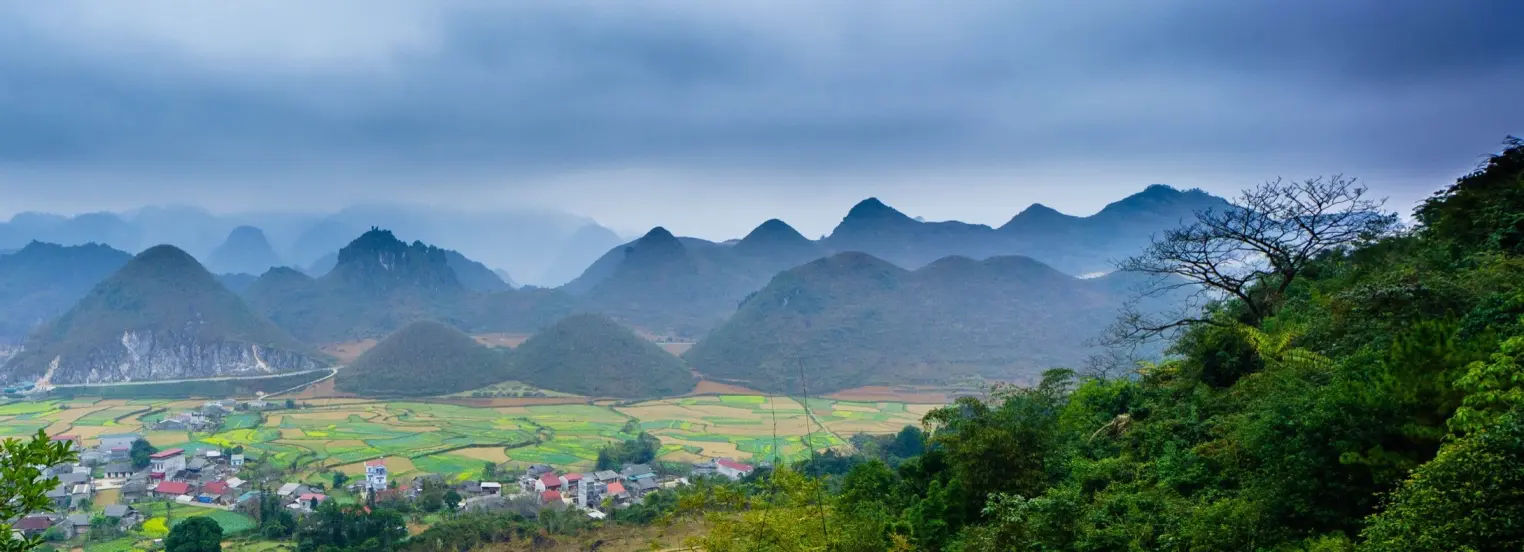
The Hmong New Year usually takes place from late November to early December, after the rice harvest ends. In Vietnam, you can experience the festival in northern provinces like Lao Cai, Ha Giang, and Son La, where large Hmong communities live. In Laos, the celebration happens in mountainous areas such as Xieng Khouang and Luang Prabang. Each region may follow slightly different customs, but all share the same joyful spirit. Families gather in village squares or open fields to join traditional games, song and dance, and cultural performances. Travelers who visit during this time get a rare chance to witness one of the most colorful and meaningful festivals in Hmong culture.
How Long Does the Celebration Last?
The Hmong New Year celebration usually lasts from three to seven days, depending on the region and local customs. In some areas of Vietnam and Laos, the festival can continue for up to two weeks, especially in larger communities. Each day brings different activities, from spiritual rituals and family gatherings to singing, dancing, and traditional ball tossing games. Many people use this time to visit relatives, meet new friends, and enjoy cultural performances. The longer the celebration, the more chances the Hmong have to honor their heritage and share their traditions with the younger generation and visitors alike.
Cultural Traditions You’ll See at Hmong New Year
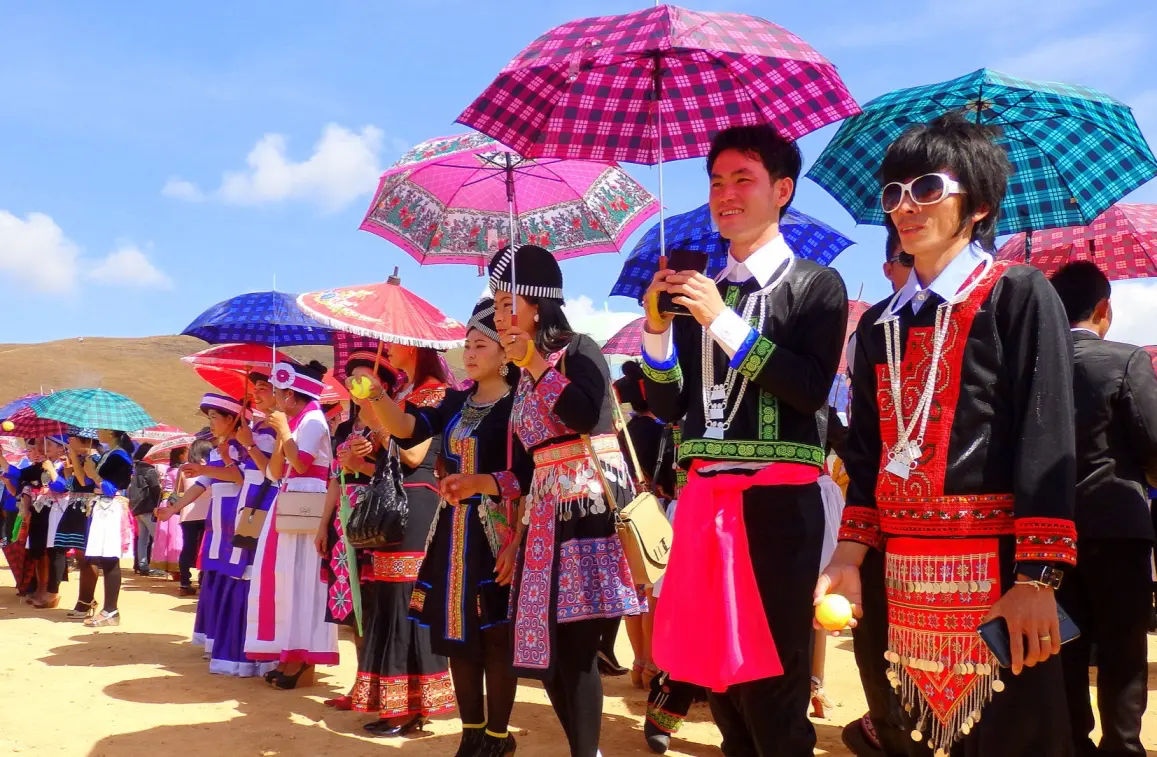
Hmong New Year is all about the colorful traditions that reflect the community’s deep cultural roots. You’ll see people wearing handmade clothes decorated with silver jewelry, symbolizing wealth and good luck. Families gather to perform rituals that honor their ancestors and invite blessings for the new year. One of the most popular customs is pov pob, a traditional ball-tossing game where young people meet and socialize. You’ll also hear lively Hmong music, enjoy traditional dances, and taste festive dishes made from sticky rice, pork, and herbs. These traditions bring everyone together and keep Hmong heritage strong across generations.
Ancestral Offerings and Family Gatherings
At the heart of Hmong New Year are ancestral offerings and close family time. Each family prepares a special meal to honor their ancestors, placing food, drinks, and incense on the family altar. These offerings show respect and ask for protection and good fortune in the coming year. After the rituals, families gather to eat, share stories, and enjoy the peaceful time together. These moments help strengthen family bonds and remind everyone of their roots and traditions.
Traditional Games and Courtship Rituals
Traditional games play a big role in Hmong New Year celebrations, especially for young people. One of the most loved customs is the ball-tossing game, called pov pob. Boys and girls form two lines and toss a cloth ball back and forth while chatting and getting to know each other. This fun activity helps young Hmong people meet and find potential partners in a respectful way. Other games include top spinning, tug-of-war, and traditional sports that bring joy and friendly competition to the festival.
Dance, Music, and Spiritual Ceremonies
Dance and music bring energy and joy to every Hmong New Year festival. You’ll hear traditional instruments like bamboo flutes, mouth harps, and drums played during group dances and singing events. Hmong dancers wear colorful clothes and perform moves passed down from older generations. Alongside the fun, spiritual ceremonies take place to protect the home, bless the family, and bring balance into the new year. These practices blend joy, faith, and tradition into one unforgettable celebration.

What to Wear: Traditional Hmong Clothing
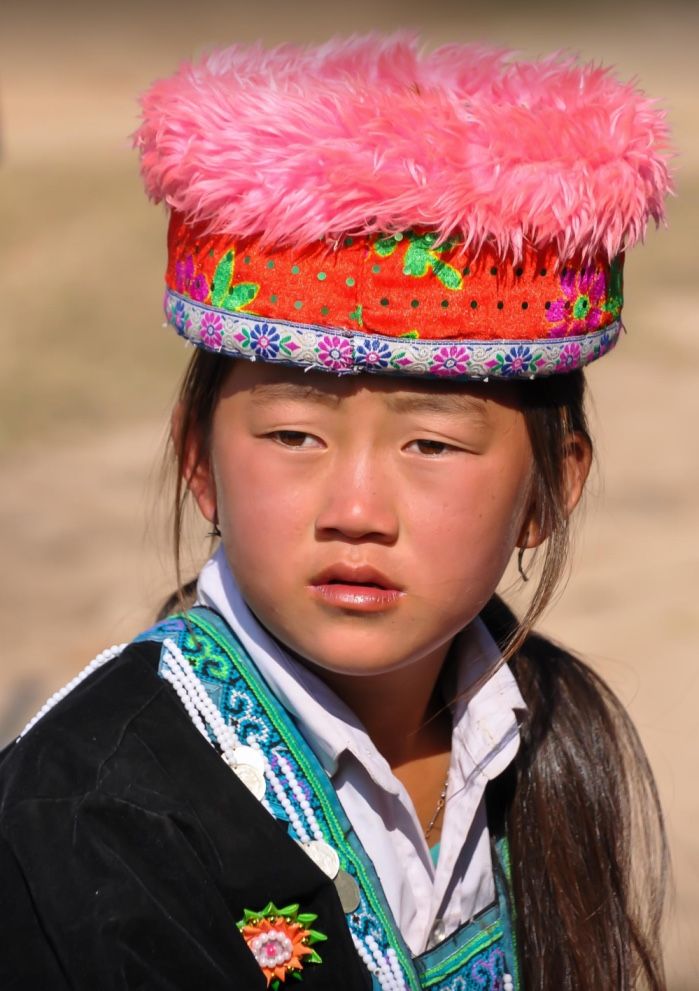
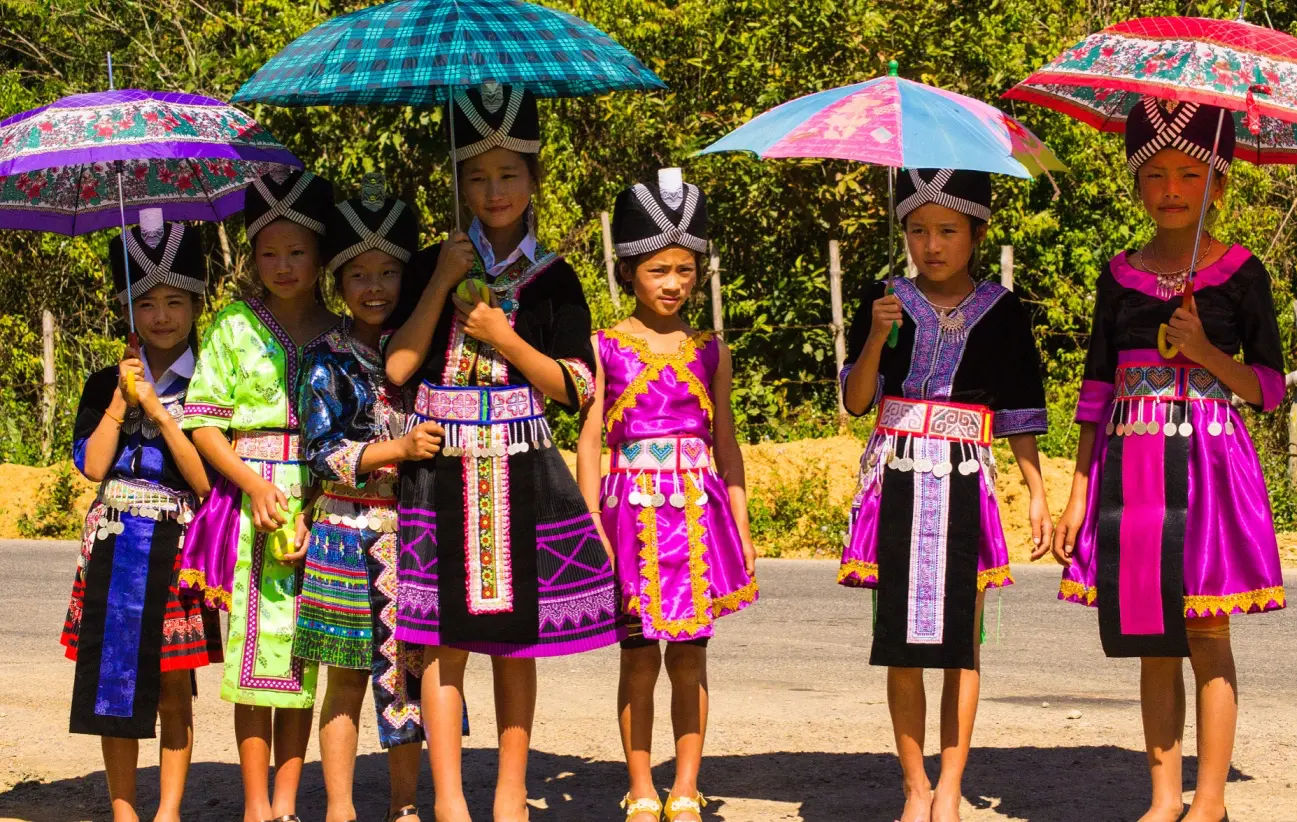
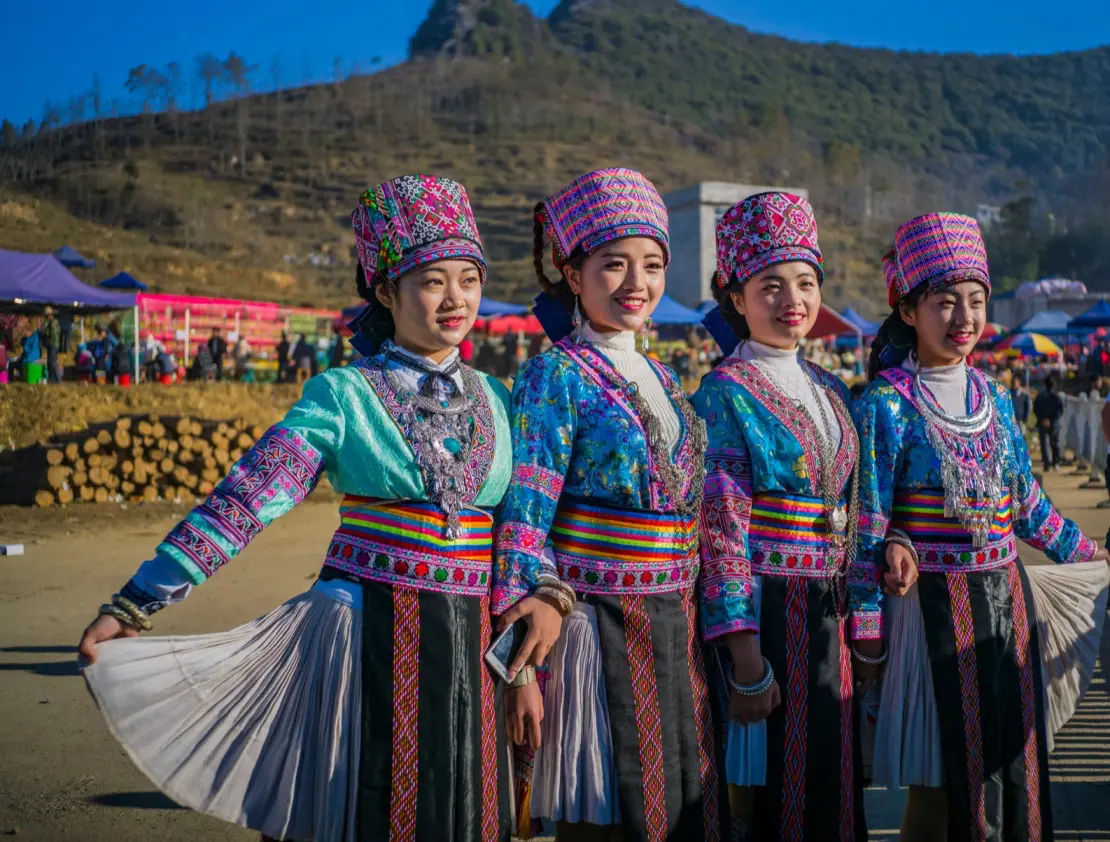
Traditional Hmong clothing stands out during the New Year festival with its bright colors, bold patterns, and handmade details. Men, women, and children wear outfits that reflect their clan, region, and family history. Women often wear pleated skirts, embroidered tops, aprons, and headpieces decorated with silver coins and beads. Men wear jackets with bold trim and colorful sashes.
Every piece is made with care and often takes weeks or months to finish. Wearing these clothes during the New Year shows pride in Hmong identity and keeps their traditions alive.
The Meaning Behind the Embroidery and Colors
Hmong embroidery, called paj ntaub, tells stories through patterns and symbols. Each stitch holds meaning—some designs represent animals, nature, or protection from bad spirits. Colors also matter. Bright pinks, greens, blues, and purples often bring energy and good luck, while silver decorations invite wealth and ward off evil. Every design connects the wearer to their ancestors, culture, and community. During the New Year, these rich details remind everyone of their shared history and the beauty of Hmong tradition.
What Visitors Should Wear (and What Not To)
If you plan to attend the Hmong New Year, dress respectfully and avoid flashy or revealing outfits. Comfortable clothes in clean, modest styles work well. Women should cover shoulders and knees, while men should avoid wearing sleeveless tops. It’s best to avoid wearing traditional Hmong clothes unless invited, as these outfits hold deep cultural meaning. You can wear simple, respectful clothes in solid colors and bring a friendly attitude. Showing respect through dress helps visitors enjoy the festival and connect with the local community.
Foods to Try at the Hmong New Year Festival
Food plays a big part in the Hmong New Year celebration. Families cook special meals to share with relatives, friends, and visitors. Most dishes use fresh, local ingredients and follow recipes passed down through generations. You’ll find flavors that mix sweet, salty, and herbal tastes in every bite. Sharing food brings people together and shows the warm hospitality of Hmong culture. If you visit during the festival, tasting the traditional dishes is a must.
- Check out Must try Laos foods
Sticky Rice, Sausages, and Herbal Dishes
Sticky rice is the heart of every Hmong meal, especially during New Year. People enjoy it with homemade pork sausages, grilled meats, and fresh herbs. Herbal soups made from local plants help warm the body and bring balance. You might also find dishes with boiled chicken, chili dips, and wild greens. Every meal comes with care and reflects the Hmong connection to nature and community. Don’t forget to try their strong black tea—it pairs well with everything.
Is It Easy for Tourists to Join the Feast?
Yes, tourists can join the food celebrations during Hmong New Year, especially in villages that welcome visitors. Many local families and communities offer food as part of the festival’s open and friendly spirit. If you’re respectful and curious, you’ll likely get invited to share a meal or try dishes at a public event. You don’t need to speak the language—just smile, say thank you, and enjoy the moment. Joining the feast is one of the best ways to experience real Hmong culture.
Where to Experience Hmong New Year in Vietnam and Laos
You can experience the New Year in many villages and towns across northern Vietnam and Laos. These regions have strong Hmong communities that keep their traditions alive. The festival usually happens in late November or early December, right after the rice harvest. Travelers who visit during this time get the chance to join in the colorful celebrations, taste traditional food, and learn more about Hmong culture through music, dance, and games.
Popular Villages and Cities That Host Festivals
In Vietnam, some of the best places to join the Hmong New Year include Sa Pa, Bac Ha, Mu Cang Chai, Ha Giang, and Moc Chau. These areas come alive with traditional music, handmade clothes, and lively gatherings. In Laos, you’ll find strong celebrations in Xieng Khouang, Luang Prabang, and some areas of Oudomxay. Each location has its own way of celebrating, but all follow the same spirit of joy, respect, and cultural pride. Local markets and community centers often host the biggest events.
Can Tourists Join? What You Need to Know
Yes, travelers can join Hmong New Year celebrations, but it’s important to stay respectful. Many villages welcome visitors with open arms, especially during public events like games, music shows, or food markets. Always ask before taking photos or joining private family activities. Wear modest clothes, greet people with a smile, and stay open to learning.
If you join with the right attitude, you’ll enjoy one of the most authentic cultural experiences in Vietnam or Laos.
Tips for Enjoying Your First Hmong New Year Festival
Attending the Hmong New Year Festival for the first time can be an unforgettable experience. The key is to come prepared and stay open-minded. You’ll find lively music, colorful clothes, delicious food, and warm hospitality. The atmosphere feels festive but also deeply respectful, especially during family rituals and ancestral offerings. With a little planning and a friendly attitude, you can enjoy the celebration and gain a deeper understanding of Hmong culture.
What to Bring, What to Expect
Bring comfortable clothes, a camera, and a respectful mindset. Wear modest outfits, especially if visiting villages. Expect crowds, loud music, traditional games, and lots of food. Local markets often sell handmade crafts and snacks—so carrying some cash helps. Most people speak Hmong or the local language, but smiles and simple gestures go a long way. Be ready to join group activities, taste new foods, and take in the vibrant energy of the event.
Etiquette: How to Be Respectful of Local Customs
Respect is very important during Hmong New Year. Always ask before taking photos, especially of people or rituals. Greet elders with a smile and gentle tone. Don’t interrupt ceremonies or enter private areas without permission. Avoid wearing Hmong traditional clothing unless invited. Bring small gifts or show interest in the culture if someone invites you into their home. A little kindness and awareness help you make real connections and leave a good impression.
Final Thoughts: A Festival Worth Traveling For
The Hmong New Year Festival offers more than just music, food, and fun—it gives you a rare chance to experience a living culture full of heart, tradition, and community spirit. Whether you join in a mountain village in Vietnam or a quiet town in Laos, the warmth of the people and the richness of their customs leave a lasting impression. If you’re looking for a meaningful cultural experience, this festival is truly worth the journey. Come with respect, curiosity, and an open mind—you’ll leave with memories you won’t forget.
- Check out Laos travel tips for first-timers
FAQ: Hmong new year celebration
When is the Hmong New Year Festival celebrated?
The festival usually happens from late November to early December, after the rice harvest ends.
Is it okay if a foreigner join the Hmong New Year celebrations?
Yes, many villages welcome tourists, especially at public events like music, games, and food markets.
What should I wear to the Hmong New Year Festival?
Wear clean, modest clothes. Avoid revealing outfits or traditional Hmong clothing unless someone invites you to wear it.
How is the Hmong New Year different in Laos and Vietnam?
The customs stay mostly the same, but each region adds its own local food, music, and style to the festival.
What are the most important traditions during the celebration?
Key traditions include ancestral offerings, traditional games, ball tossing, music, dancing, and wearing handmade clothes.