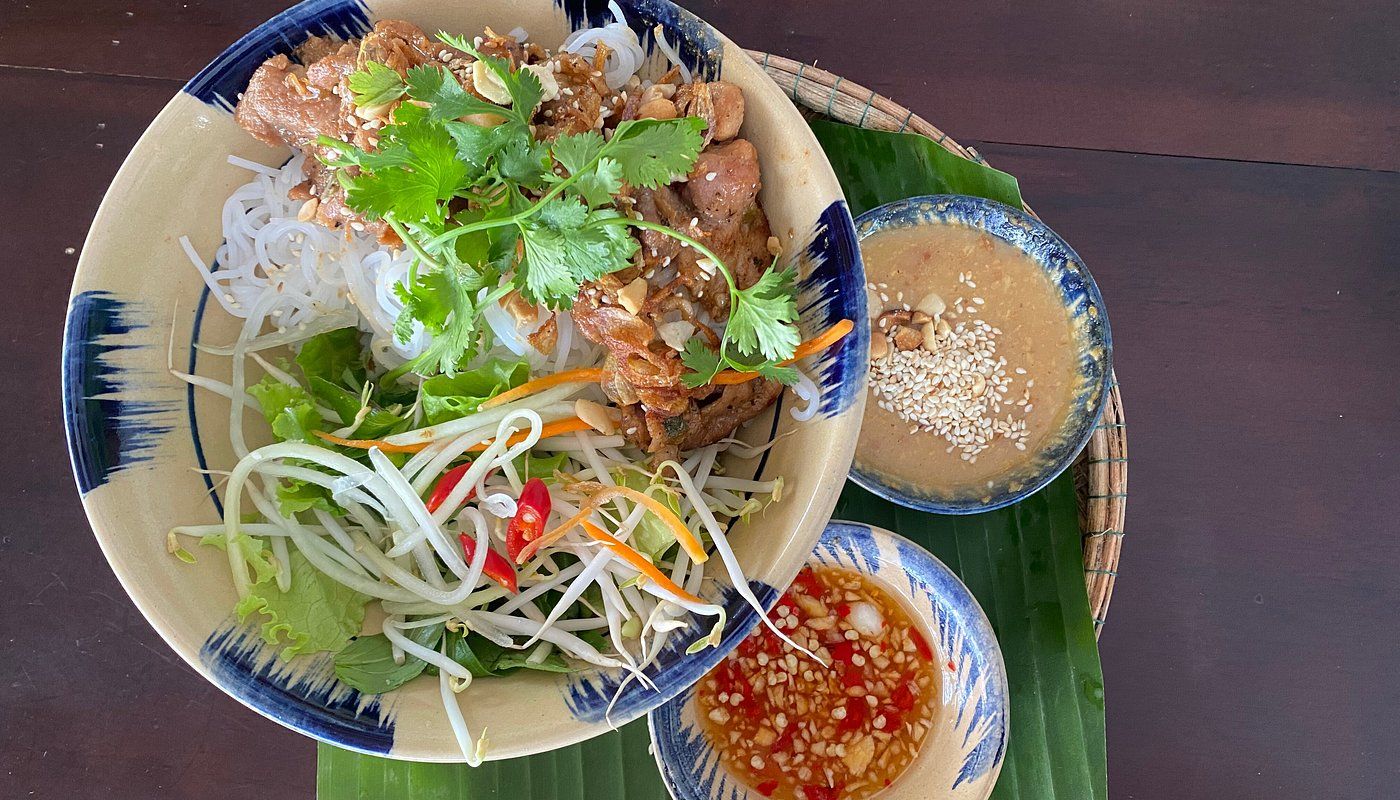




Planning your Laos food adventure? This guide introduces you to 12 must-try Laos dishes that showcase the rich, bold, and aromatic flavors of Lao cuisine. From spicy larb (minced meat salad) to fragrant mok pa (steamed fish in banana leaves), these local favorites offer a true taste of Laos. Whether you’re exploring Luang Prabang’s night markets or dining with locals in a small village, this list will help you eat like a local and savor the best of traditional Lao food.
Introduction to Laos Cuisine
Laos cuisine is simple, fresh, and full of bold, earthy flavors – deeply tied to daily life and tradition. In this post, we’ll explore traditional Lao dishes, famous local cuisines, street foods, and real reviews to give you a true taste of Laos.
- Check out First time guide to Laos
What makes Lao food unique?
What sets Lao food you eat in street apart is its bold use of fresh herbs and fermented flavors. Dishes often balance spicy, sour, and bitter notes, with ingredients like lemongrass, mint, galangal, and padaek (a thick, fermented fish sauce) creating a unique, earthy profile. Influences come from Thailand, Vietnam, China, and even France, but every dish remains proudly Lao.
Laos Food: 12 of The Best Lao Dishes To Try
Laos food is generally healthy, using fresh herbs, vegetables, and lean meats. Common cooking methods include steaming, grilling, and boiling—keeping dishes light and low in oil. Flavors come from natural ingredients like lemongrass, galangal, lime, and chili. Instead of heavy sauces, Lao dishes often use fermented fish sauce (padaek) for deep, savory taste without added sugar.
1. Laap (National dish of Laos)
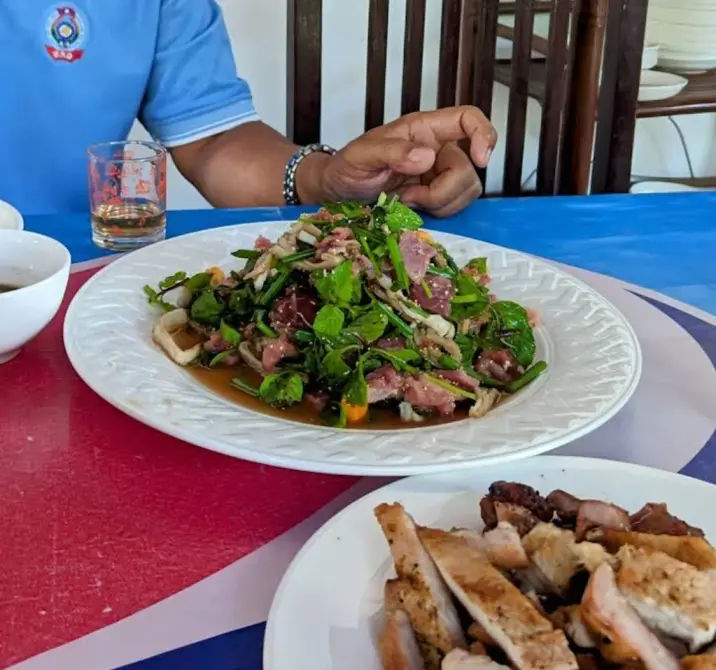
Larb, sometimes laap, laab, or larp, is considered the signature dish of Laos. More than just a meal, it reflects the heart of Lao tradition, often shared during family gatherings or festive occasions. This flavorful dish is made from finely sliced or minced meat or fish, combined with an aromatic mix of fresh herbs, roasted ground rice, lime juice, chili, and fish sauce. The result is a bold, tangy, and slightly spicy salad that’s both refreshing and satisfying. Often served with sticky rice and raw vegetables, larb captures the balance and simplicity that define traditional Lao cuisine.
2. Khao Niew (Sticky Rice)
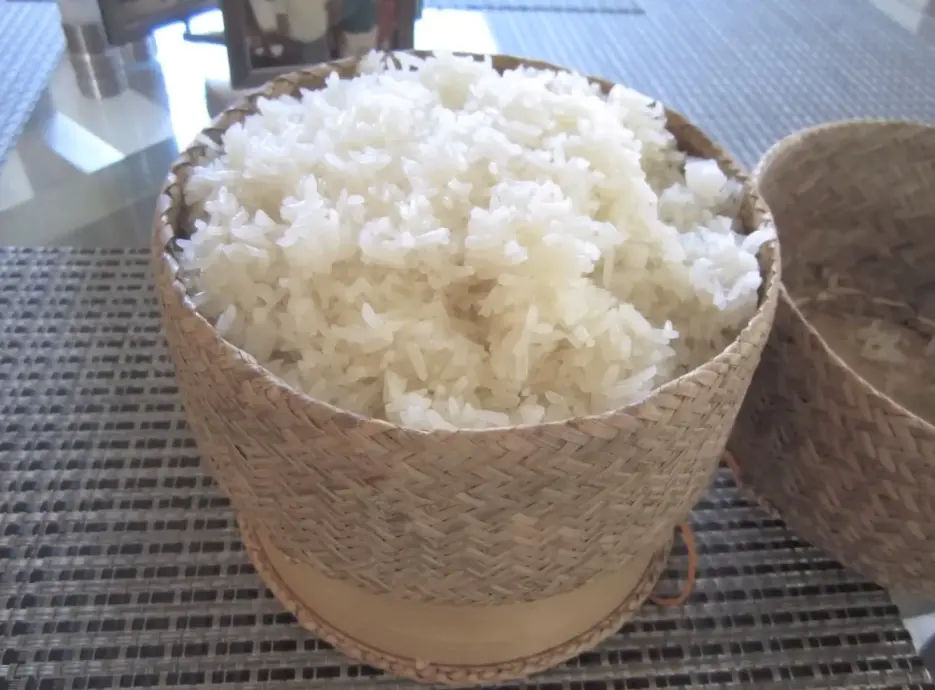
Every Lao meal must include khao niew, or sticky rice. Made from glutinous rice, it’s soaked in water for several hours, then steamed in a bamboo basket until soft, fragrant, and chewy. Traditionally served in small woven containers, sticky rice is eaten with the hands, rolled into small balls, and dipped into savory dishes like larb, grilled meats, or spicy jeow (dipping sauces). It has a mild, slightly nutty flavor and a satisfyingly dense texture that complements the bold, spicy flavors of Lao cuisine.
3. Khao Soi
Khao soi is a flavorful noodle soup from Northern Thailand that blends bold spices, creamy curry, and fresh toppings. Cooks start by simmering soft egg noodles in a rich coconut curry broth made with a special spice mix. They then add tender chicken or beef, slow-cooked with herbs for deep flavor. Crispy fried noodles go on top, adding a satisfying crunch. To finish, diners can customize each bowl with lime, pickled mustard greens, and fresh cilantro. With its creamy texture, mild heat, and tangy notes, khao soi stands out as one of the most delicious and comforting dishes in Thai and Laos food culture.

4. Sai Oua (Lao Sausage)
Sai Oua is made from minced pork mixed with a fragrant blend of lemongrass, kaffir lime leaves, galangal, garlic, chili, and fish sauce. The sausage is packed with herbs and spices that give it a unique, zesty character. The mixture is stuffed into natural casings and then grilled until the outside is golden and slightly crisp, while the inside remains juicy and bursting with flavor. Sai Oua is usually sliced and served with sticky rice, fresh vegetables, or dipping sauces like jeow. Its rich, herbal taste and smoky aroma make it a favorite street food and a must-try for those who want to experience the depth of Lao flavors.

5. Tam Mak Hoong (Lao Papaya Salad)
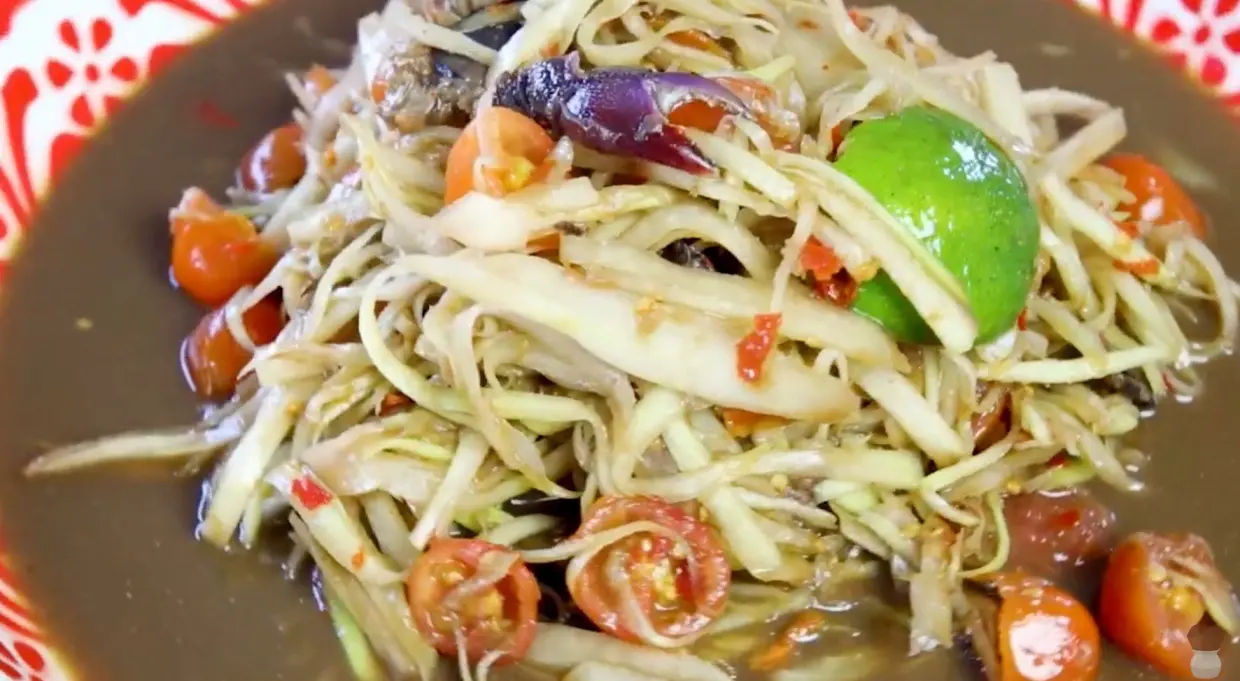
This Lao style papaya salad is a flavored and fiery dish that perfectly captures the bold spirit of Lao dishes. Made from shredded unripe papaya, it’s pounded together in a mortar and pestle with garlic, chilies, lime juice, fish sauce, fermented fish paste (padek), and often a touch of palm sugar. Tomatoes, long beans, and sometimes crab or eggplant are added for extra texture and flavor. The result is a tangy, salty, spicy, and slightly funky salad that excites the senses. Eaten with sticky rice and grilled meats, Tam Mak Hoong is not just a side dish, it’s a beloved everyday staple that brings together sour, sweet, and savory in every bite.
6. Khao Ji Pâté (Lao Baguette Sandwich)
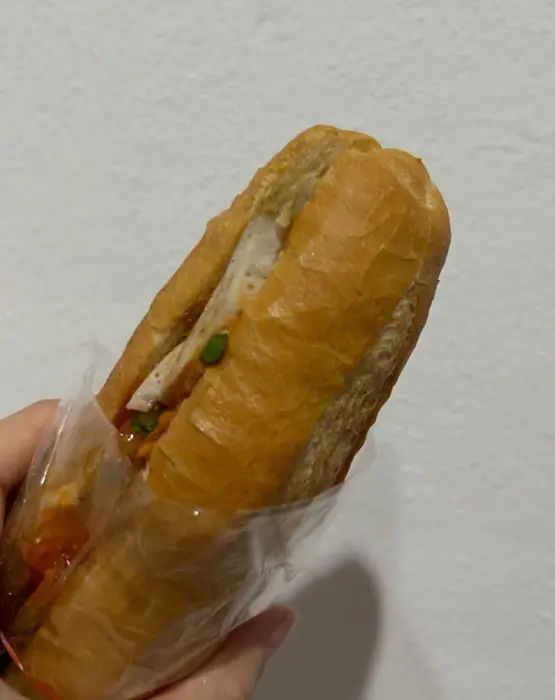
Khao Ji Pâté is Laos’s take on the French-inspired baguette sandwich, a delicious fusion of colonial influence and local flavor. It starts with a crispy, airy baguette, often grilled for extra crunch, then generously spread with pork pâté. Inside, it’s filled with a mix of sliced meats, fresh herbs like cilantro, pickled vegetables, cucumber, chili, and a splash of soy or chili sauce. Some versions include egg or grilled meat. It’s a popular street food, perfect for breakfast or a quick lunch, offering a satisfying balance of rich, savory, fresh, and tangy flavors in every bite.
7. Mok Pa (Steamed Fish in Banana Leaves)
Mok Pa is a traditional Lao food, consists of fish, usually catfish or tilapia, seasoned with lemongrass, kaffir lime leaves, dill, green onions, garlic, and chilies, all mixed with fish sauce and sometimes fermented fish paste. This flavorful mixture is then carefully wrapped in banana leaves and steamed until tender. The result is a moist, fragrant parcel where the fish absorbs the rich, herbal aromas during cooking. Mok Pa is typically served with sticky rice and fresh vegetables, offering a delicate yet earthy taste that’s both comforting and deeply rooted in Lao home-style cuisine.

8. Or Lam (Herbal Stew)
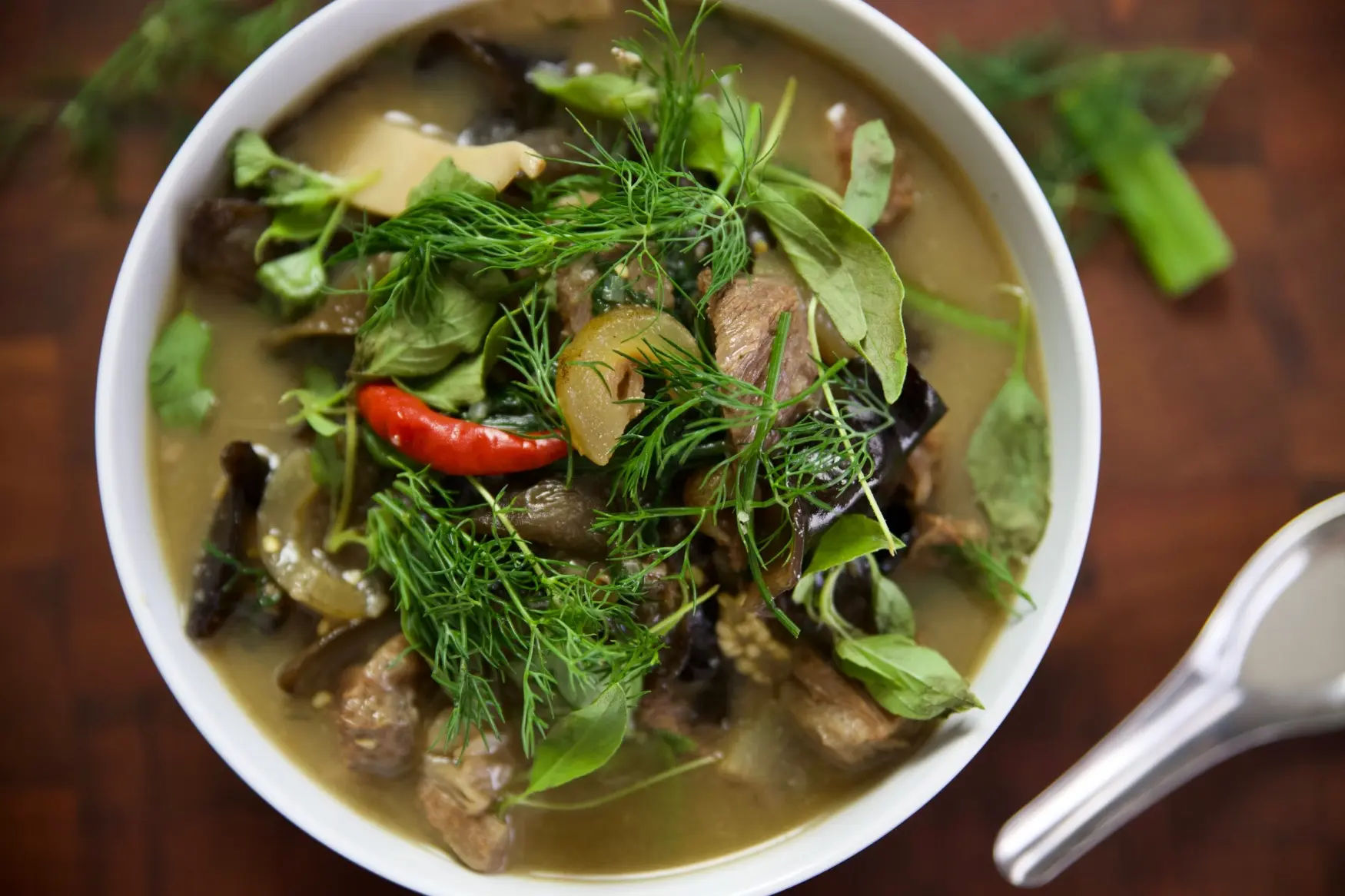
Or Lam is a traditional Lao stew that originates from Luang Prabang and is known for its rich, earthy flavor and thick, hearty texture. This street foos is a slow-cooked dish usually features chunks of buffalo meat or chicken simmered with eggplant, mushrooms, long beans, and the signature ingredient: sakhaan, a spicy, peppery vine wood that adds a tingling sensation to the tongue. It’s flavored with lemongrass, garlic, chili, and fermented fish sauce, giving the broth a deep umami taste. Or Lam is often consumed hot and enjoyed with sticky rice.
9. Jaew (Dipping Sauce)
Jaew refers to a variety of traditional Lao dipping sauces that are essential to everyday meals. These sauces are typically made by pounding together roasted ingredients like chili, garlic, shallots, and tomatoes, then mixing them with fish sauce, lime juice, and sometimes fermented fish paste (padek). There are many types, like jaew bong (a sweet and spicy chili paste), jaew mak len (tomato-based), or jaew som (sour and tangy).
Each one has its own flavor profile, ranging from smoky and spicy to tangy and savory. Jaew is usually served with sticky rice and raw or steamed vegetables, adding a punch of flavor to even the simplest dishes. It’s not only a condiment but also a core part of Lao home cooking and communal eating.
10. Khao Piak Sen (Lao Noodle Soup)
This Lao noodle soup, often considered the country’s version of chicken noodle soup. The dish features thick, chewy handmade rice noodles cooked directly in the broth, giving it a slightly thick and silky texture. The soup is typically made with a rich chicken or pork broth flavored with garlic, shallots, and ginger. It’s commonly topped with shredded meat, chopped scallions, fried garlic, and fresh herbs. Diners can customize their bowl with lime, chili flakes, or soy sauce, making every bowl a personal experience. Khao Piak Sen is a favorite comfort food in Laos, especially on rainy days or during family gatherings.
11. Naem Khao Tod (Crispy Rice Salad)
This deep-fried rice balls that are crumbled and mixed with fermented pork sausage (naem), grated coconut, chopped peanuts, sliced shallots, fresh herbs, and a tangy dressing made from lime juice and fish sauce.
The contrast between the crunchy rice, soft sausage, and fragrant herbs creates a delightful explosion of textures and flavors when crispy, sour, salty, spicy, and aromatic all at once. Often served with fresh lettuce leaves for wrapping, Naem Khao Tod is a favorite street food and party dish, perfect for sharing and full of bold Lao character.
12. Sien Savanh (Lao Beef Jerky)
Sien Savanh is made from thin slices of beef marinated in a blend of garlic, coriander, oyster sauce, fish sauce, sugar, and black pepper. The meat is then sun-dried to concentrate the flavors. Once dried, it’s usually deep-fried or grilled until slightly crispy on the outside while remaining tender inside. Sien Savanh is typically served with sticky rice and a spicy dipping sauce like jaew, making it a perfect balance of salty, savory, and spicy. Great as a snack or side dish, it’s a little smoky, a little salty, and very addictive.
Lao food review: What tourists say about Lao dishes
Many travelers arrive in Laos without big expectations for the food, but leave with real surprises. What they often say is: “It’s not flashy, but it’s real.” Lao cuisine doesn’t try to impress with complicated sauces or decorations. Instead, it offers home-cooked flavors like fresh herbs, sticky rice, grilled meats, and bold, natural spices.
Some tourists show more interests and would like the fresh ingredients in dishes like larb and khao piak sen right away, calling them “simple but addictive.” Others need a bit more time to get used to things like padaek (fermented fish sauce) or the strong, sour-salty taste of tam mak hoong. A few even admit: “It smelled strange at first, but after a few bites, I couldn’t stop.” Street food especially leaves a strong impression. People enjoy sitting on plastic stools in night markets, eating grilled sausage or coconut pancakes with locals.
Tips for enjoying Lao dishes
1. Eat with your hands (especially sticky rice)
In Laos, sticky rice (khao niew) is traditionally eaten by hand. Roll it into small balls, then use it to pick up dips, meat, or salads. It’s part of the culture, and locals appreciate it when you try.
2. Don’t fear the fermented flavors
Lao cuisine often uses padaek, which is a thick, fermented fish sauce that smells strong but adds deep, savory flavor. It might be unusual at first, but it’s central to many traditional dishes like tam mak hoong or laap.
3. Try everything once (even if it looks strange)
Some dishes might seem intense, like raw larb or bitter herbs, but they often surprise you with their balance and taste. Street food is especially full of surprises, and sometimes the best meal costs under $2.
4. Learn basic Lao food phrases
If you’re a vegetarian or have allergies, it helps to know how to say “bor sai sin” (no meat) or “bor sai nam pa” (no fish sauce). Most locals are kind and will adjust if you ask.
- Check out Laos Language
5. Start slow with the spice
Laos food can be spicy, especially salads and dips. Try a little first before mixing in extra chili, it’s easier to add more than to fix a burning mouth!
6. Eat like a local: share your food
Meals in Laos are often served family-style, with several dishes shared around a basket of sticky rice. It’s a communal experience; don’t just order one dish for yourself if you’re eating with others.
Final word about Laos Foods in general
Lao street foods don’t shout for attention; instead, they whisper with warmth, freshness, and quiet confidence. It’s not always love at first bite, but if you take your time, eat with your hands, and stay curious, it slowly wins you over. Whether you’re exploring street stalls in Luang Prabang or sharing a home-cooked meal in a small village, Lao food has a way of making you feel like you belong, even just for a meal. You might forget the names, but you won’t forget the feeling.