

Knowing a few Lao phrases for travelers changes how locals respond to you in Laos. English works in tourist areas, and French surfaces occasionally among older Laotians, but even a basic greeting or a polite “thank you” in Lao signals genuine respect. This guide covers the most useful words and expressions across greetings, shopping, transport, directions, numbers, time, and restaurants, plus background on the language itself.
What language is spoken in Laos?
Lao, also called Laotian, is the official language of Laos. It belongs to the Tai language family in Southeast Asia, which also includes Thai, Shan, and dialects spoken by smaller groups in Burma, southern China, and northern Vietnam. The Tai languages share similar grammar and tonal structure across the region.
Lao uses monosyllabic word forms and tones to distinguish between words that would otherwise sound identical. It is also spoken in the Isan region of northeastern Thailand, where it goes by the name Isan language.
The language has several regional dialects that differ from one another significantly, as much as the Lao dialects, as a group, differ from related Tai dialects across the Thai border.
- Check out Laos Private Tours
How to greet someone in Lao
The standard greeting is “Sabaidee” (hello), and “La gon” is the most common way to say goodbye. These two words alone make a strong first impression. Locals respond warmly to travelers who try even the basics, and a greeting in Lao often leads to a smile and a more genuine interaction than English alone would.
Polite titles and respectful words in Lao
Lao culture puts weight on how you address people by age. Use “Nong” for someone younger than you and “Baa” for an elder. Ending any request with “Kop chai” (thank you) is standard courtesy. These small details matter and locals notice them.
Pronunciation: tones change meaning in Lao
Lao is a tonal language. The pitch you use, high, mid, low, or rising, can completely change what a word means. A word spoken on the wrong tone may mean something entirely different, or nothing at all. Practice slowly, ask locals to correct you, and don’t be discouraged. The effort itself is appreciated.
Essential Lao travel phrases for tourists
The expressions below cover the situations travelers encounter most often in Laos: introductions, markets, getting around, and eating out. Use them as a reference before and during your trip.
Basic expressions / common words
| Good morning / Good evening | Sabaï dii / None lap fan dii |
| How are you? | Sabaï dii bo? |
| Fine, thank you, and you? | Sabaï dii, khop tchaï, lè tchao dè? |
| I understand / I don’t understand | Khaphachao khao tchaï / Khoï bo khao tchaï |
| Sorry | Kho thot |
| Goodbye | La kone |
| Welcome | Nyinditonhab |
| Thank you (very much) | Khop tchaï laï laï |
| Excuse me | Excuse khaphachao / Kalounaa |
| My name is… | Khoï suu… |
| No thank you | Bo khop tchaï |
| Yes / No | Tchao / Bo |
| You’re welcome | Than nyinditonhab |
Shopping phrases in Lao
| How much is it? | Laka tao daï ? |
| It is very cheap | Bo peng |
| It is too expensive! | Peng phôt |
| Can you lower the price? | Lout laka daï bo ? |
| I would like to buy … this one! | Khaphachao yakcha su… thini |
| I like it / I don’t like it | Khaphachao hak / Khaphachao sang |
| Money | Ngoen |
| I’m just looking around. | Khaphachao phiangaet sokha |
Transport words in Lao
| I would like to go to … | Diak… |
| Plane | Gnyone |
| Boat | Heua |
| Train | Kanfukobhom |
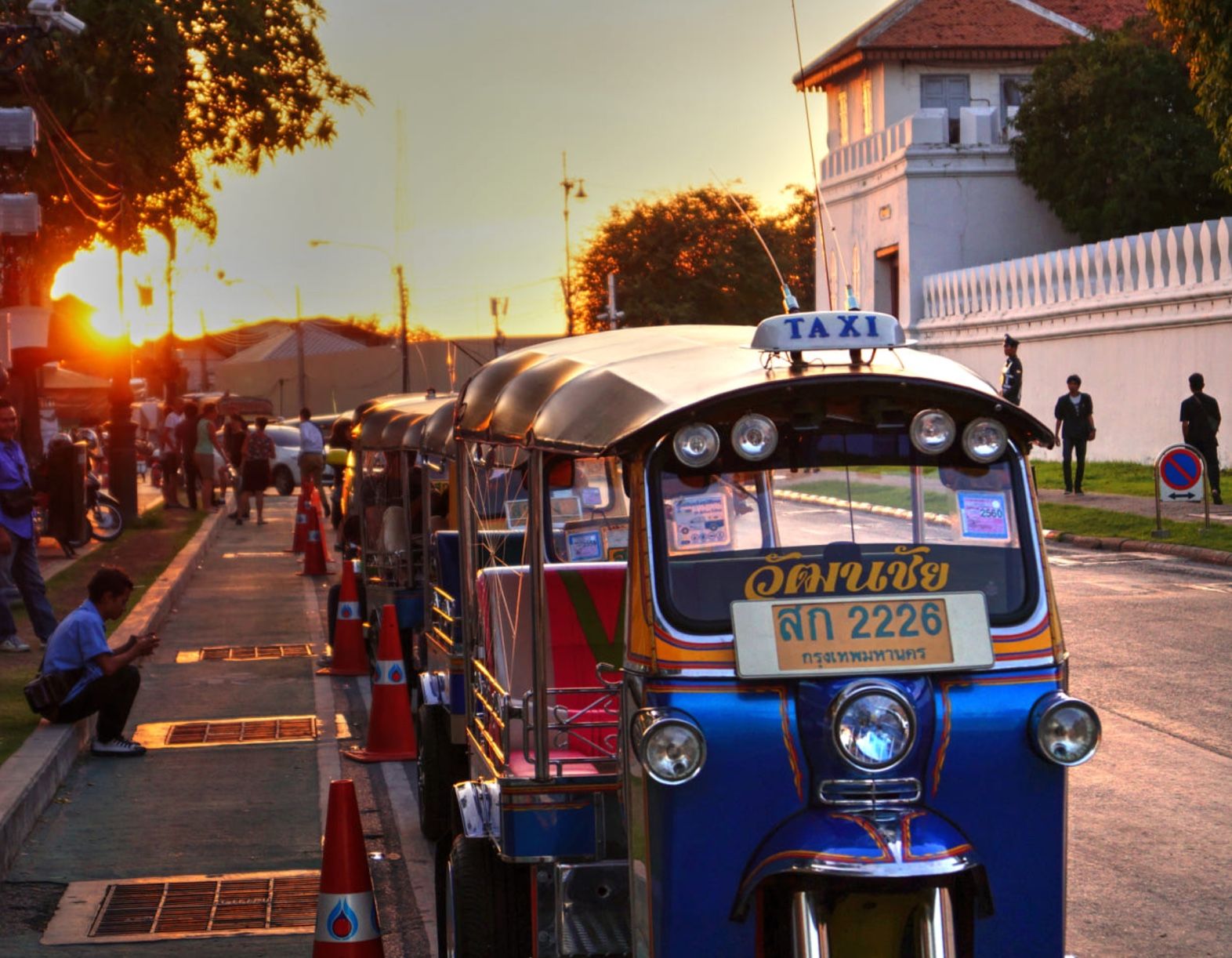
| Taxi | Lot taxi |
| Bus | Lot mé |
| I would like to rent … | Khaphachao tongkan thichahai seoa… |
| Motorbike | Lot chak |
| Car | Lot keng |
| Bike | Lot thiip |
How to ask for directions in Lao
| Where is …? / How can I get to …? | Bonthi pen… ? / vithikan pai… ? |
| Bank | Thanakane |
| Train station | Satannii |
| Centre | Meuong |
| Hotel | Hong hèm |
| Hospital | Hong mo |
| Is it close / far? | Pid bo ? / kaï bo ? |
| Straight ahead | Paï su |
| Left / Right | Saï / khoua |
| North / South / East / West | Thit neua / thit taï / Thit tavén ok / Thit tavén tok |
Numbers and counting in Lao
| one, two, three, four, five, six, seven, eight, nine, ten | Nung, song, sam, sii, haa, hok, tiét, pèt, kao, sip |
| twenty, thirty, forty, fifty, sixty | Sao, sam sip, sii sip, haa sip, hok sip |
| seventy, eighty, ninety | tiét sip, pèt sip, kao sip |
| One hundred | Loï |
Hours and dates in Lao
| What time is it? | Singthi saiuaelaaemn vaman ? |
| When? | Naiuaela thi ? |
| Yesterday | Muuaanni |
| Today (morning/midday/evening) | Naimuni (tonsao / thiang / tonaelng) |
| Tomorrow | Muun |
| Monday, Tuesday, Wednesday, Thursday, Friday, Saturday, Sunday | Chan, vnoangkhan, vanphud, vanphahad, vansuk, vansao, vnoathid |
| I am here on vacation | Khaphachao kiauakabkan phak / kandoenthang |
| I am here for business | Khaphachao yuthini soalabkan heduaiak / thulakid |
Useful Lao phrases at a restaurant
| I am hungry / I am thirsty | Cha hiv / cha hiv |
| Enjoy | Khuaamsuk |
| Cheers! | Khongthan |
| It was delicious | Sèp laaï |
| What can you recommend? | Singthithan naenoa? |
| I am vegetarian | Khaphachao vegetarian pen |
| Not spicy please (I don’t like spices) | Bo saï mak phèt |
| It’s too hot | Manpen hon koenpai! |
| I am allergic | Khaphachao koedoakan aeph |
| Seafood | Ahanthale |
| Peanuts | Thouadin |
| Gluten | Gluten |
| I would like… | Khoï yak… |
| Water | Nam |
| Coffee | Am sa / Kafé |
| Beer / Wine | Bia lao |
| The bill, please | Chèk bin, kalounaa |
History of the Lao language
Lao evolved from the Tai language family, which includes Thai, the dominant language of Thailand. As Tai-speaking peoples migrated toward India, the Malay Peninsula, and down the Mekong River valley, they were pushed by Han Chinese expansion and Mongol invasions, and drawn toward fertile land suitable for rice cultivation. Along the way, Tai speakers displaced or absorbed earlier Austroasiatic and Austronesian groups living in the territory that became Laos.
Minority languages spoken in Laos
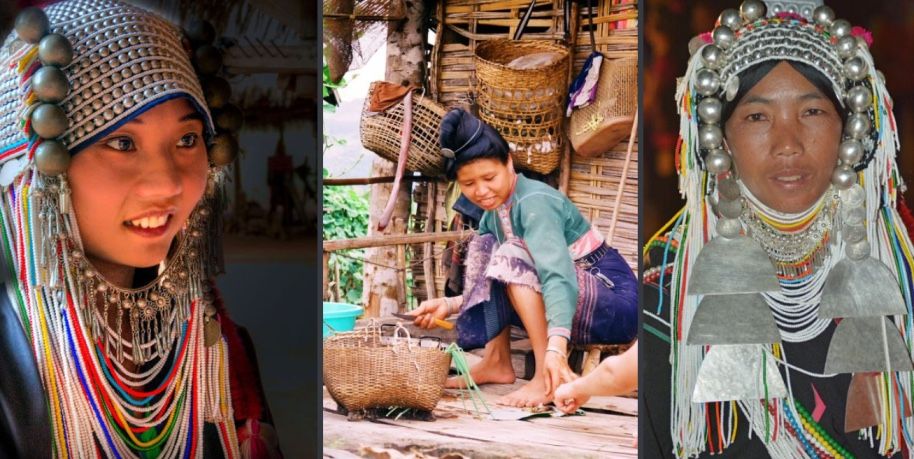
Lao is spoken by 52% of the population. Over 80 other languages are spoken by ethnic groups across the country. The most widely spoken minority languages are Khmu and Hmong. Others include Akha, Arem, Bana, Katu, Ksingmul, Maleng, Lamet, Phai, Tai Daeng, Phu Thai, and Tai Dam.
Khmu language
Around 500,000 Khmu speakers live in five northern provinces: Bokeo, Luang Prabang, Luangnam Tha, Oudomxay, and Phongsaly. Khmu belongs to the Austroasiatic family and has closely related dialects including Kniang, Puoc, and O’du, collectively known as the Khumuic group.
Khmu dialects vary in consonant counts and vocabulary. Speakers from distant regions can find communication difficult despite general mutual intelligibility. Most Khmu people are fluent in the dominant dialect of their area and speak three or four minor dialects. All Khmu speakers use official Lao to communicate with government, lowland communities, and in education.
Hmong language
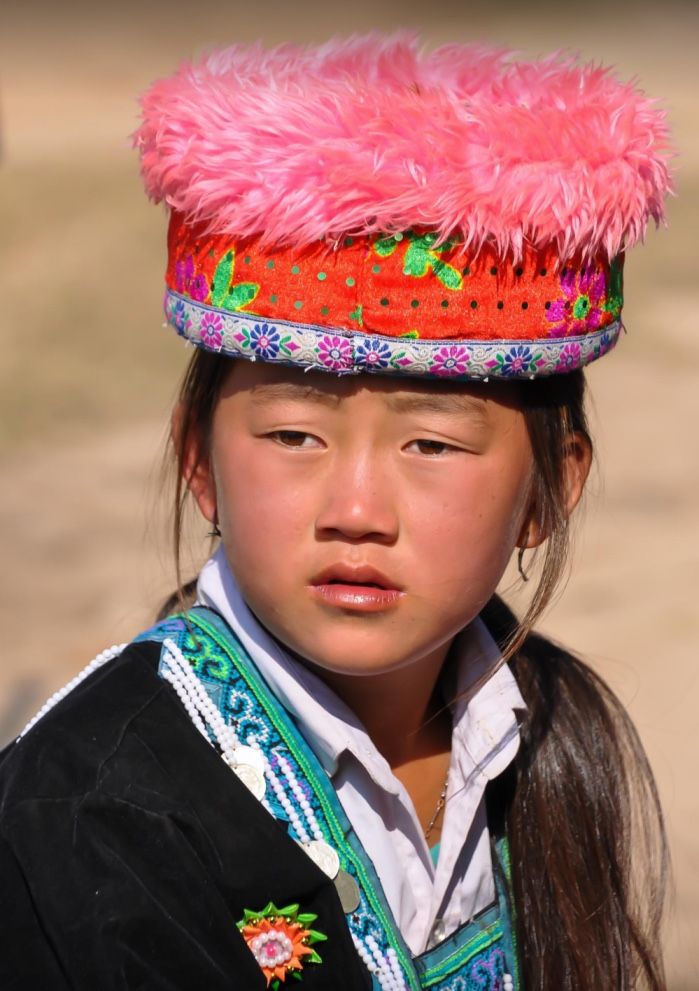
Hmong is spoken across mountainous regions of Laos, Thailand, Burma, China, and Vietnam. The language has two primary subgroups: White Hmong (Hmong Daw) and Green or Blue Hmong (Hmong Njua). Hmong Daw is the dominant form, and the Hmong writing system, which uses eight or twelve tonal markers, is based on Hmong Daw pronunciation.
The two subgroups differ in vocabulary, pronunciation, word structure, and grammar. Ongoing modifications aim to improve mutual intelligibility between them. Most Hmong people also speak Lao, making the community effectively multilingual.
How to read and write the Lao alphabet
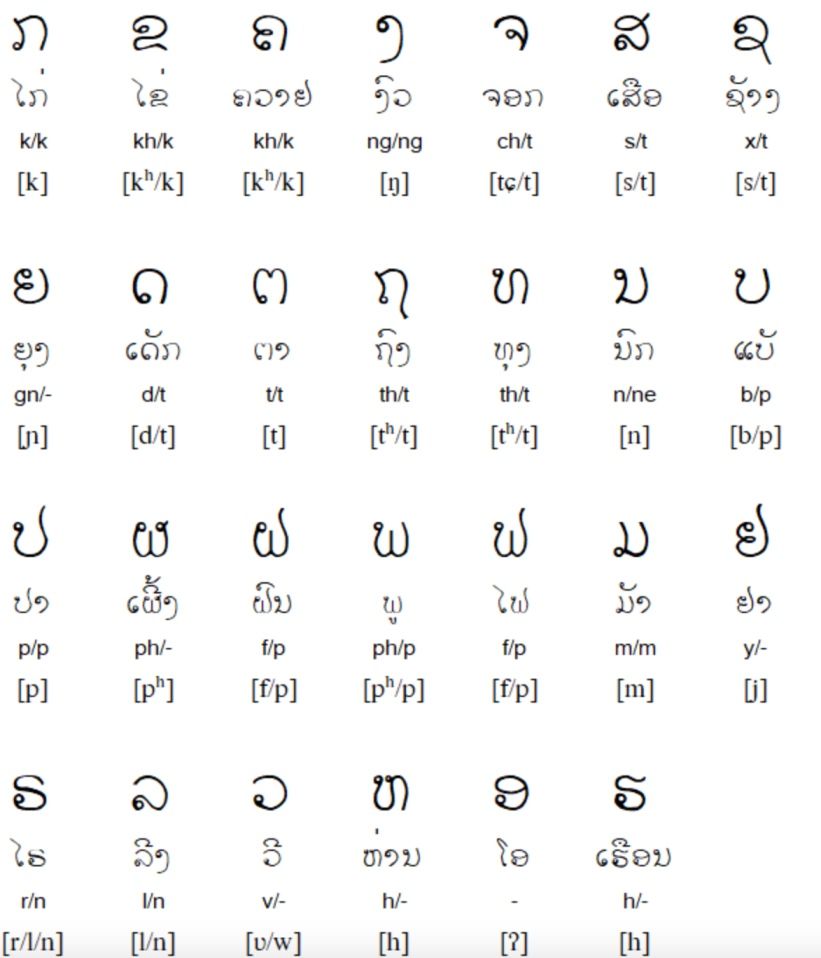
The Lao script derives from the ancient Khmer script and is a syllabic alphabet where each symbol represents a syllable. Writing runs left to right with no spaces between words.
The Lao alphabet (Akson Lao) traces its origins to ancient Brahmic scripts, specifically the Pallava script from southern India. It was adapted to fit the phonetic features of Lao and became a writing system distinct from its predecessors.
Structure and characters of the Lao script
Lao has 27 consonants, each representing a distinct sound. These consonants fall into three tone categories: high, mid, and low. The language has both short and long vowel sounds. Vowel symbols can appear above, below, before, or after a consonant, depending on the vowel.
A notable feature of the script is the use of subscript and superscript consonant forms to represent specific sounds. This makes the Lao writing system visually distinct and more complex than alphabetic scripts based on Latin characters.