
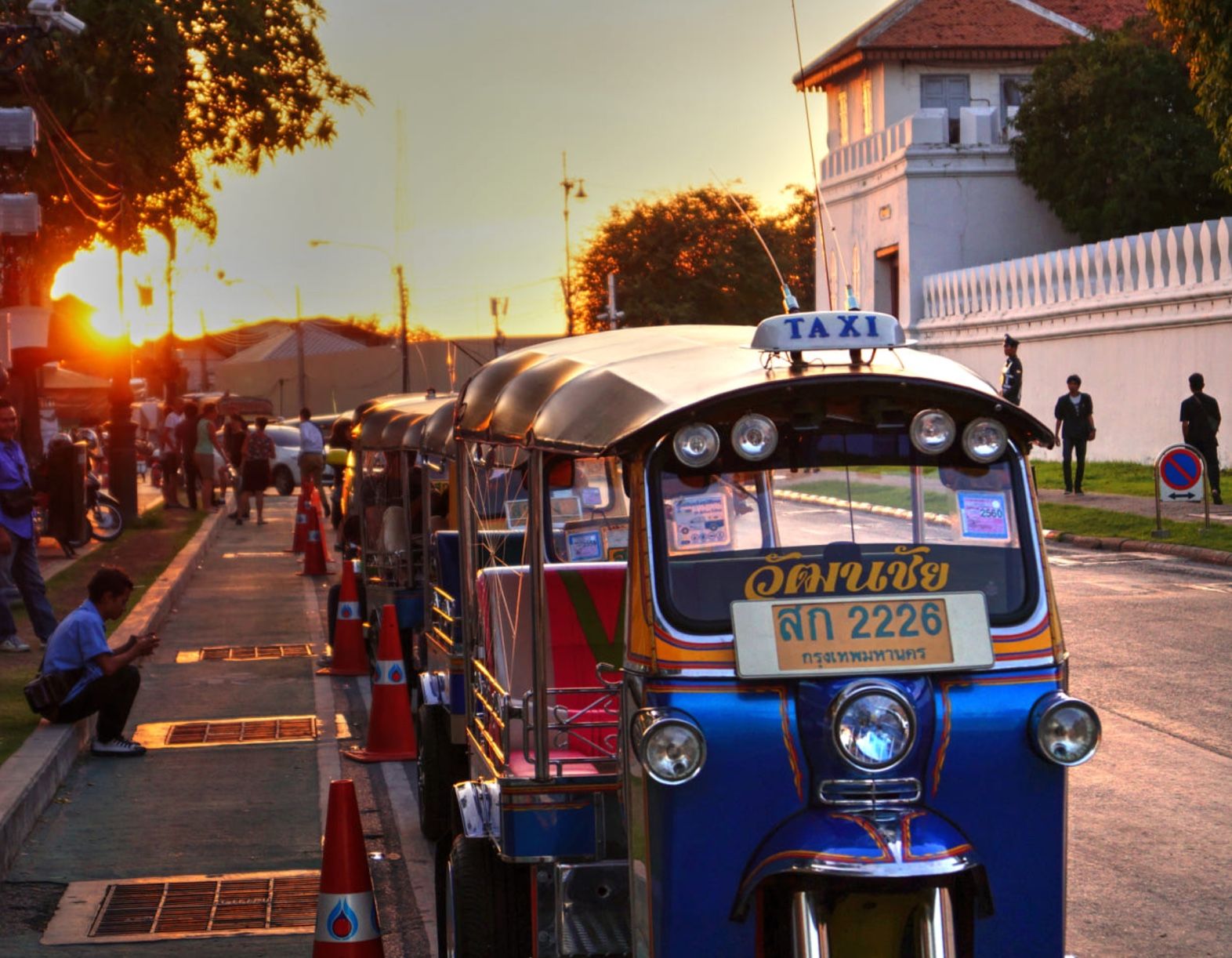

The best time to visit Thailand typically falls between November and February, when cooler temperatures and low humidity create ideal conditions for sightseeing, beach trips, and outdoor adventures. During these months, you can comfortably explore bustling cities, tropical islands, and scenic highlands without the discomfort of heavy rains or extreme heat.
The Best & Worst Time to Visit Thailand
Thailand is good to visit year round, as when is raining in Bangkok, it is pleasant and chill to be at the beaches in the south. Best time to visit most of Thailand is between November and late February, because it rains the least and it is not too hot and temperatures range from 29°C to 34°C. This period is also Thailand’s main season for festivals, like Loi Krathong.
Thailand’s peak tourist season runs from November to late March, with secondary peaks in July and August. If you want to avoid crowds and take advantage of discounted room rates in most of resorts and hotels, so for best time of year to visit thailand consider travelling during the least crowded months (typically April to June, September and October).
If you plan to holiday on the northern provinces, the hot season (March to May) and early rainy season (June to July) are not bad either, as long as temperatures are moderate at higher elevations.
Northeastern and central Thailand, on the other hand, are best avoided from March to May, when temperatures may climb over 40°C. Because temperatures are more even year-round in the south (because it’s closer to the equator), the beaches and islands of southern Thailand are a good choice for respite when the rest of Thailand is miserably hot.
Although the rainy season (roughly July to October) gets a bad reputation, there are some bonuses: temperatures tend to be cooler, tourists are fewer and the landscape is lush and green. Depending on the region and the month, the rains might be hour-long downpours in the afternoon. October, however, tends to be the wettest month.
- Check out Private tours of Thailand

Here’s How to Choose the Best Month to Visit Thailand by Month
EACH region has its own distinct season and climate -There is not a single best time for traveling to Thailand.
Thailand’s Main Travel Seasons
- High Season: November to March
- Shoulder Seasons: April to June and the month of October
- Low Season: July to September
Best Time to Visit Bangkok & Northern Thailand
To visit Bangkok and northern Thailand, at the centre of the flat, humid Mae Nam Chao Phraya delta, Bangkok sits at the same latitude as Khartoum and Guatemala City, and can be as hot as the former and as wet as the latter.
Recommended time to visit Bangkok
In Bangkok, the southwest monsoon arrives between May and July and lasts into November. This is followed by a dry period from around November to May, which begins with lower relative temperatures until mid-February (because of the influence of the northeast monsoon, which bypasses this part of Thailand but results in cool breezes), followed by much higher relative temperatures from March to May. It usually rains most during August and September, though floods in early October may find you in hip-deep water in certain parts of the city. An umbrella can be invaluable – a raincoat will just make you hot.
It’s worth remembering that we’re talking about the weather here, a temperamental beast if ever there was one. So all the dates above are flexible. In 2008, for example, Bangkok was flooded by a major storm in normally dry January, and the cool season stretched well into March.
Best time to visit Chiang Mai
Chiang Mai has much the same climate as adjacent provinces in the north. Most visitors will find the weather is most enjoyable from November to mid-February, when temperatures are mild and rain is scarce. During the cool season (December to February), temperatures can warrant a jacket or pullover at night, particularly at higher elevations.
Hot Season in Chiang Mai
The hot season (March to May) can be brutal in Chiang Mai, although temperatures don’t burst the thermometer as much as they do in Lampang or in northeastern Thailand. You’ll find some relief from the heat (and to a lesser extent, the smoke) at the cooler elevations of Chiang Dao and Doi Inthanon, or anywhere else where you can get above the Mae Ping plains.
The annual monsoons are generally lighter in Chiang Mai than in central or southern Thailand, lasting from June to October, and rarely into November. Chiang Mai city can flood when rains are unusually heavy.
The burning season in north of Thailand
Probably the worst time to be in northern Thailand. the burning season starts from February until the monsoon season begins in late May or June, a thick haze often forms over the city, a combination of dust and smoke from the burning off of rice fields near the city.
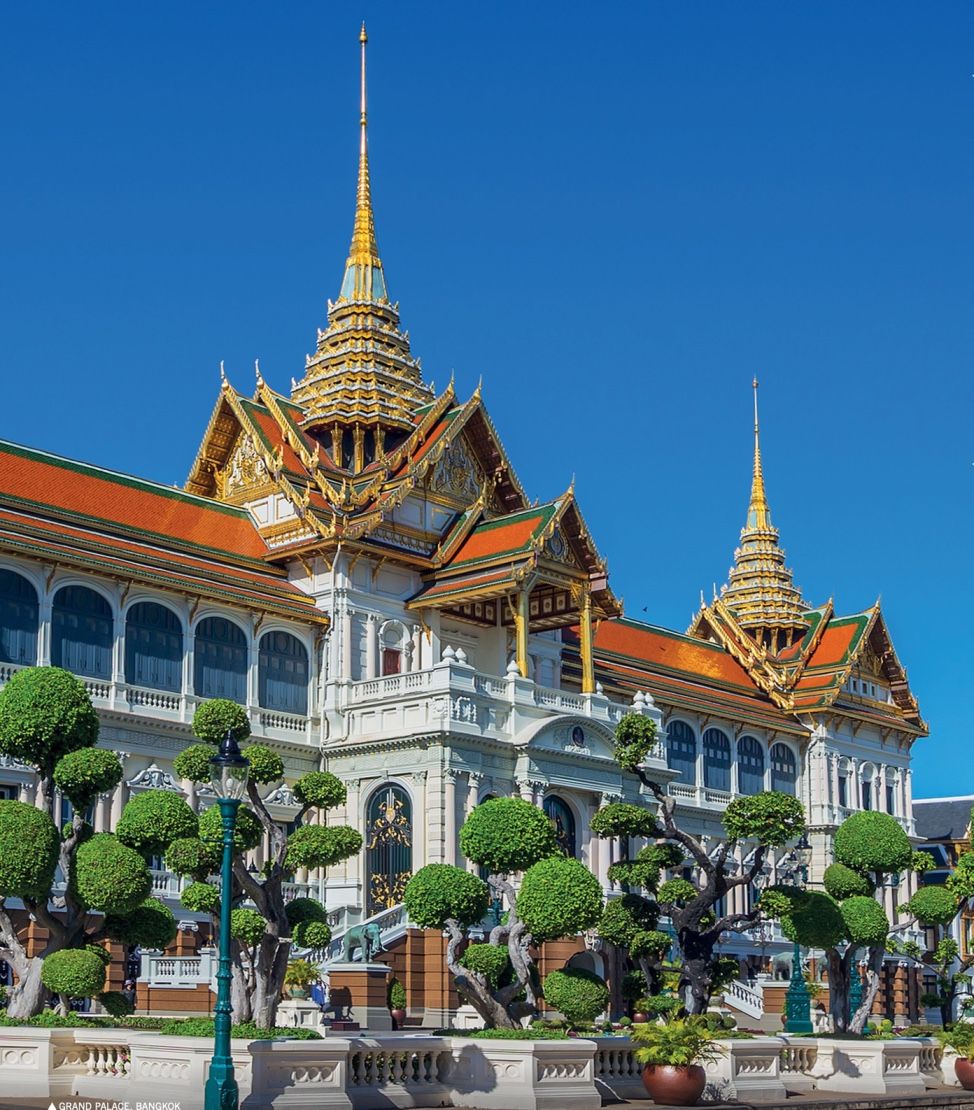
Best Time to Visit Southern Thailand & Beaches
The best season to visit the Thailand’s group of Samui islands is during the hot and dry season, from February to late June. From July to October (southwest monsoon) it can rain on and off, and from October to January (northeast monsoon) there are sometimes strong winds. However, many travellers have reported fine weather (and fewer crowds) in September and October. November tends to receive some of the rain that affects the east coast of Malaysia.
The areas of the Gulf of Thailand and islands such as Koh Samui or Koh Pha-Ngan are best to visit anytime between January and August, when climate isn’t rainy and the sky is almost sunny everyday.
What about Phuket & West Andaman Coast?
Over on Thailand’s west coast and the Andaman Sea, including Khao Lai, Krabi, Koh Phi Phi as well as Koh Lanta would be the dry season from the months of December to March and there is little change in the weather over the time of the year with the temperature between 30 – 35 degrees°C. The whole coasts of Phuket and west Andaman coast enjoys only two distinct seasons (Unlike other parts of Thailand) The hot and cool. The temperature may drop from May to October when its vary from 24 to 30°C with some rains during the day, however, this isn’t significant and you may not notice it at most of the times.

Seasons in Thailand
Generally, most regions in Thailand enjoy cooler temperatures from November to March, similar to other Southeast Asian countries during winter and spring. The rainy season in Thailand typically starts in June and lasts until October, bringing short but intense downpours followed by sudden clear skies. During this wet season, temperatures remain steady while humidity levels stay high, creating a warm and moist atmosphere throughout the country.
Peak tourist season
In fact, winter from November to March marks the peak travel season in Thailand, with January drawing the highest number of visitors. During this time, travelers enjoy pleasant temperatures, low humidity, and consistently sunny days—ideal conditions for sightseeing and outdoor adventures.
Shoulder season
It typically offers a balance of good weather, fewer crowds, and lower prices—making it a great time for many travelers.
For Thailand, shoulder seasons are:
- March to May (just before the rainy season starts)
- September to early November (rain tapers off before the peak tourist influx)
Off-season
It refers to Rainy Season – July to October. Although Thailand welcomes visitors year-round, the rainy season from July to October often sees a dip in tourism. During this period, frequent downpours and high humidity dominate much of the country, which discourages many travelers from exploring. However, if you don’t mind getting a little wet, this off-peak season can still offer lush landscapes, fewer crowds, and lower travel costs.
What to Pack for Thailand
Men are recommended to pack up some Collared shirts, polo T shirts, comfy shorts or semi casual pants while for women, shoulder covering T-shirts or tops, skirts, shorts and dresses made of cottons are recommended and best given the high humidity climate in Thailand.
To visit temples and other religious monuments and attractions anywhere in Thailand, you should be dressing modest, wear something to cover shoulders and knee or just wear a long dress. It is also advised to carry a long light scarf that cover your shoulders.
Wifi is available everywhere. Stay connected with a local SIM card and have offline maps handy for navigation. Lastly, pack an open mind and adventurous spirit to fully embrace the enchanting beauty of Thailand. Follow this comprehensive guide on best time to travel to Thailand to ensure a stress-free and memorable journey in the Land of Smiles!
In addition, Northern provinces of Thailand can be extremely chilly with light breezes in the evening and during the winter months, so pack a light jacket if you are planning to travel to Chiang Mai or any northern provinces between the months of November to February.