



Vietnam offers an abundant and diverse selection of tropical fruits, making it a paradise for fruit lovers. Popular options include dragon fruit, mangosteen, durian, rambutan, lychee, and jackfruit. Additionally, you can enjoy other flavorful choices like pomelo, guava, star apple, custard apple, and longan. With such a rich variety, Vietnam’s fruit markets deliver a tasty glimpse into the country’s agricultural wealth and vibrant food culture.
The Native Tropical Fruits to eat in Vietnam
Fruits are probably one of the few things any travelers will notice as soon as they touch down, and here, we talk about a collection of exotic fruits in Vietnam to try in Hanoi, or just about anywhere you travel.
Like the smiling easygoing people, exotic fruit greets you on almost every corner in the streets of Vietnamese Cities. The country’s fertile plains and hot tropical climate zone, as well as its more temperate northern regions, means that pretty much anything grows here, from those yum bite fruits to any sort of veggies.
Local fruits come in different seasons unless you able to find them year round but, it’s best to know when to try these fruits fresh from the tree. Here, we introduce an exotic local fruits in Vietnam and the best time of the year to get them!
And to make it short, the best places to get those yum bite fruits are at a local grocery store, wet markets and through the street vendors that each carry a bunch of fruits on the back f their bicycle spinning around. Local fruits are sweet, citrusy, and sometimes chewy but always juicy.
Immerse yourself in the best experiences Cambodia has to offer with our thoughtfully designed trip that caters to the needs of most discerning travelers, check out All inclusive Vietnam packages
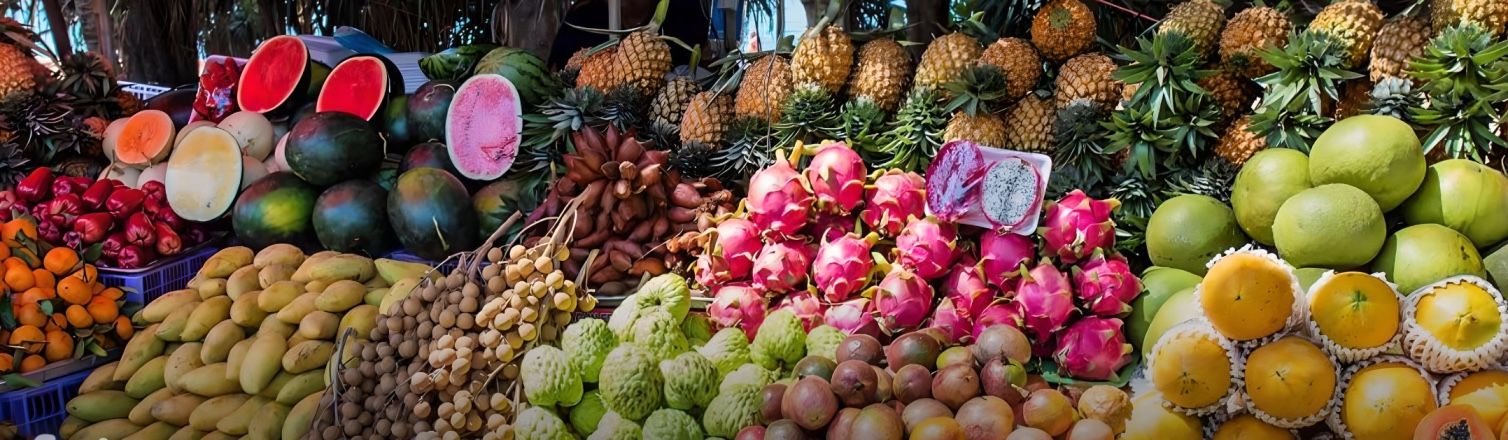
Lis of 20 Exotic Vietnamese Fruits with pictures
Unfamiliar with some of the fruits you see, or want to know more about those unfamiliar fruits you see in Vietnam. Renowned for their unique flavors, vibrant colors, and exotic qualities that often surprise tourists. Here are some famous and most popular fruits that are locals of Vietnam.
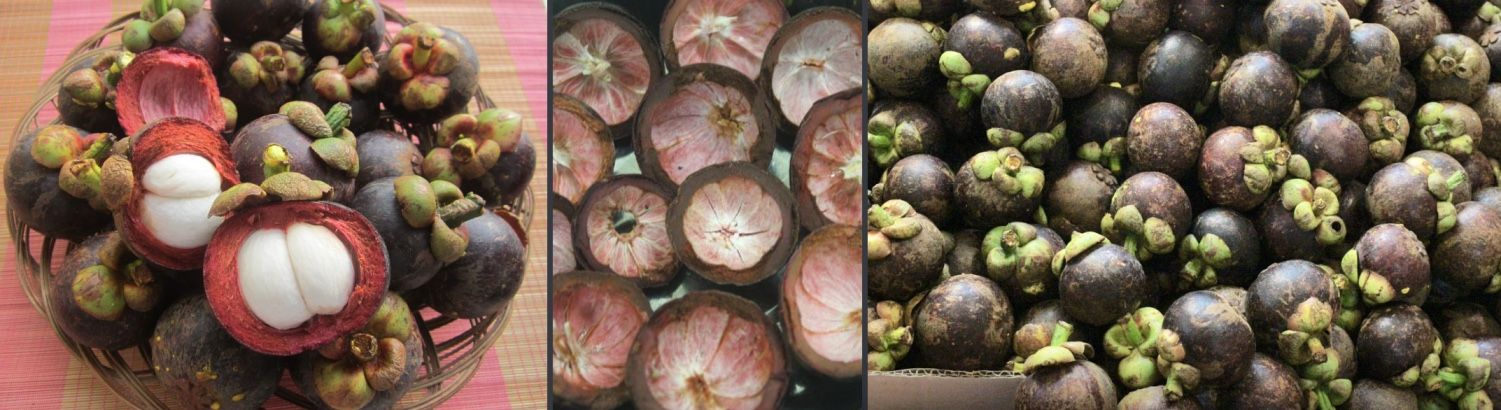
Mangosteen: Măng cụt
Mangosteen (Măng cụt), referred to as purple mangosteen is regarded as the queen of tropical fruits – it grows anywhere across South-Eat Asia and specially around cities of Mekong Delta.
This fairly popular fruit its got a soft flesh, which is white and somewhat watery, melts in the mouth and offers a sweet taste with occasional hints of sourness, while predominantly being soft and creamy.
The ideal mangosteen contains more flesh and fewer seeds. The season typically spans from May to September. To pick the best ones in the market, look for a green cap, ensure the fruit is fresh and free from cracks. Additionally, when holding the fruit upside down, the number of “flower petals” on the bottom indicates the number of sections inside the fruit. Here is the photo of Vietnamese Mangosteen;
Durian: Sầu riêng
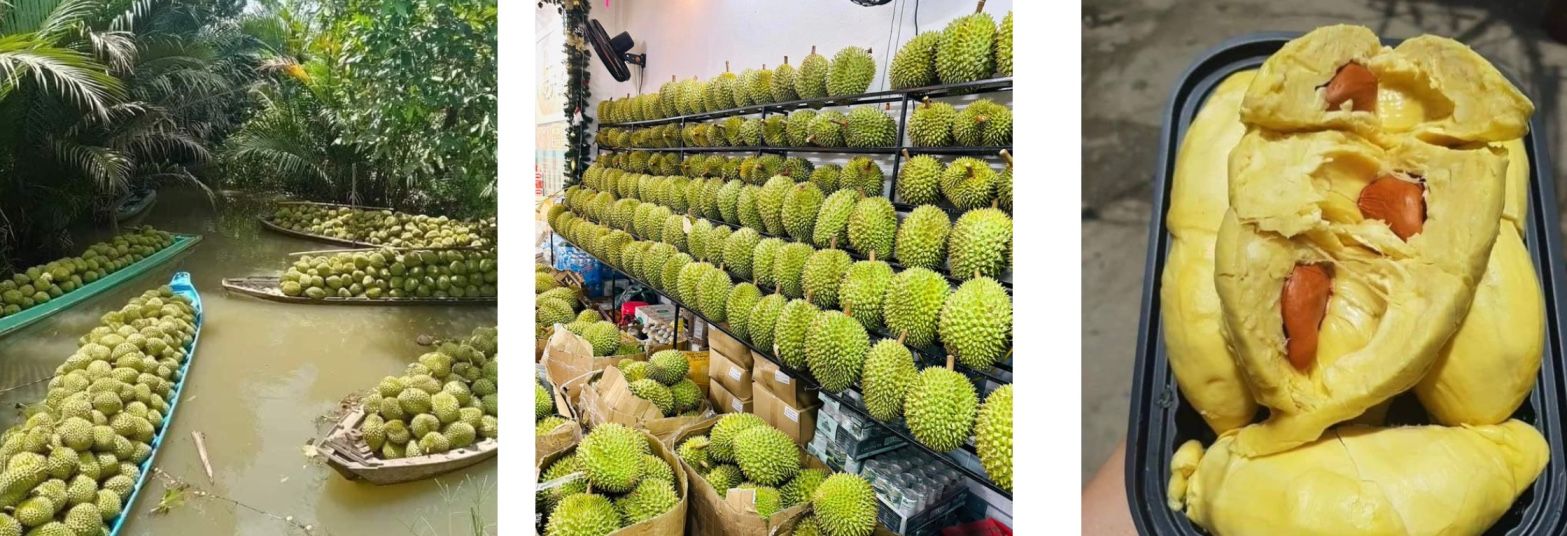
Vietnamese Durian considered as a king of all tropical fruits, you love it or hate it, that’s just because, for some, it smells and they can’t take it.
Even though Durian is the stinkiest fruit you eat in Vietnam, but that doesn’t stop locals from eating it. This Exotic king fruit is taken by its spiky thorny and hard outer shell. Compared to its smell, the Vietnamese durian has a creamy taste that locals love it when its creamy on a vanilla taste ice-cream. The best durian features less seeds and has a soft, sweet flesh with a buttery color.
The best premium quality of this tropical fruit varies from the top Ri 6 from Vinh Long and the Cai Mon growing in Ben Tre (Both in Mekong Delta).
Pomelo: Bưởi
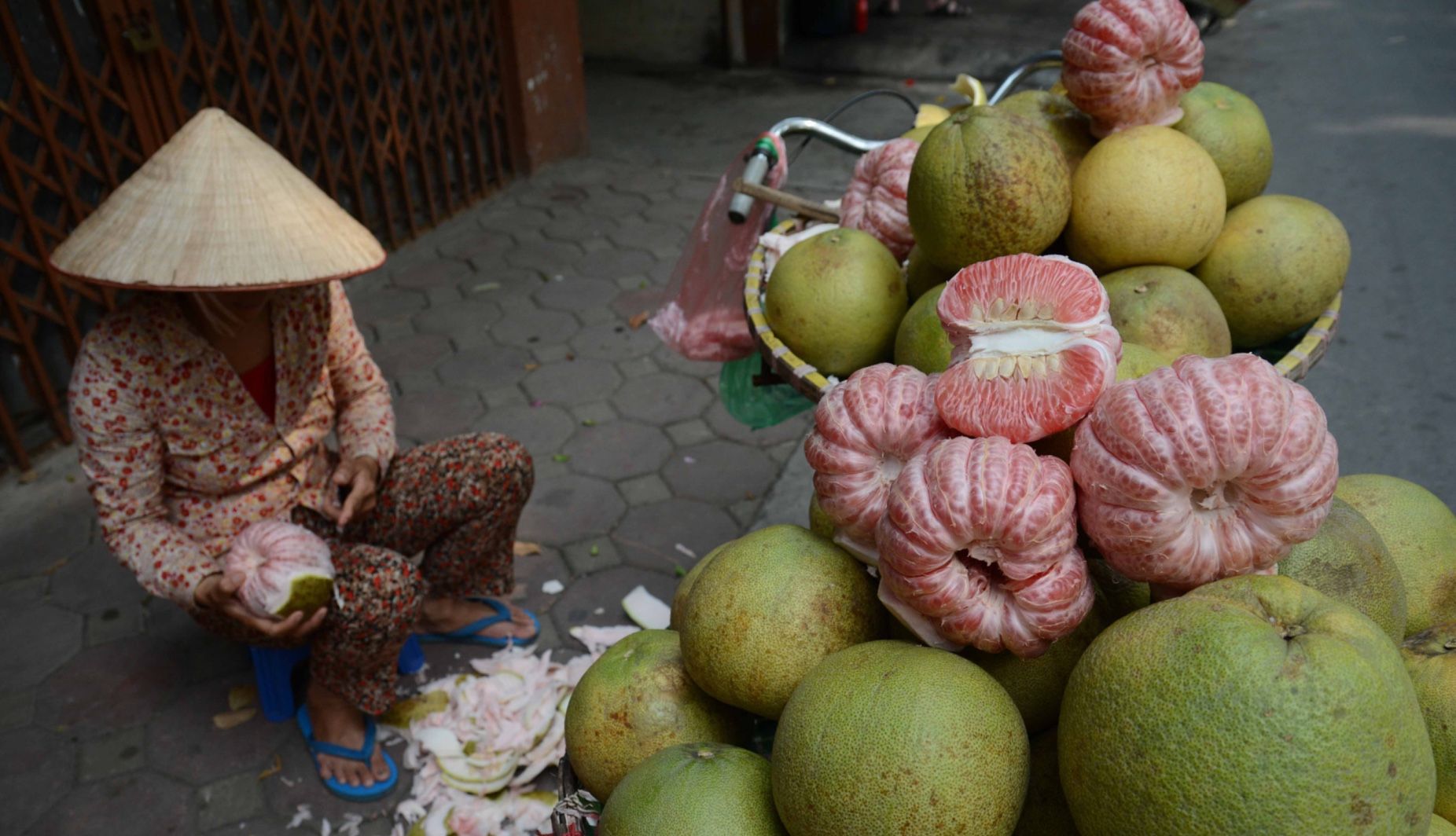
Local pomelo is a special citrusy fruit with natural sweetness and aromatic taste with variety of types found in any season and, anywhere in Vietnam.
Pomelo got a thick and sturdy skin and its typically a citrus type of tropic fruit that boasts a very refreshing mild flavor which left your mouth watering. It may be confusing with grapefruit, however Pomelo isn’t grapefruit at all.
This flavorful fruit is high in fiber and Vitamin C which helps for a better digestion (Reason Vietnamese eat it after lunch). In addition to the delicious taste, this is also a very suitable fruit to have in your diet.
Vietnam features a variety of Pomelo fruit, including green, Nam Roi, Dien pomelo from Hanoi and north, Doan Hung and another type called, Pomelo Phuc Trach.
Each Pomelo fruit has its distinct origin. Ben Tre in Mekong, in particular, stands out for its extensive green cultivation of Pomelo farming or centuries.
In addition, Pomelos are in both green and in yellowish pulp and they weight something from 500 gram to 2 kilos each.
Dragon Fruit: Thanh Long
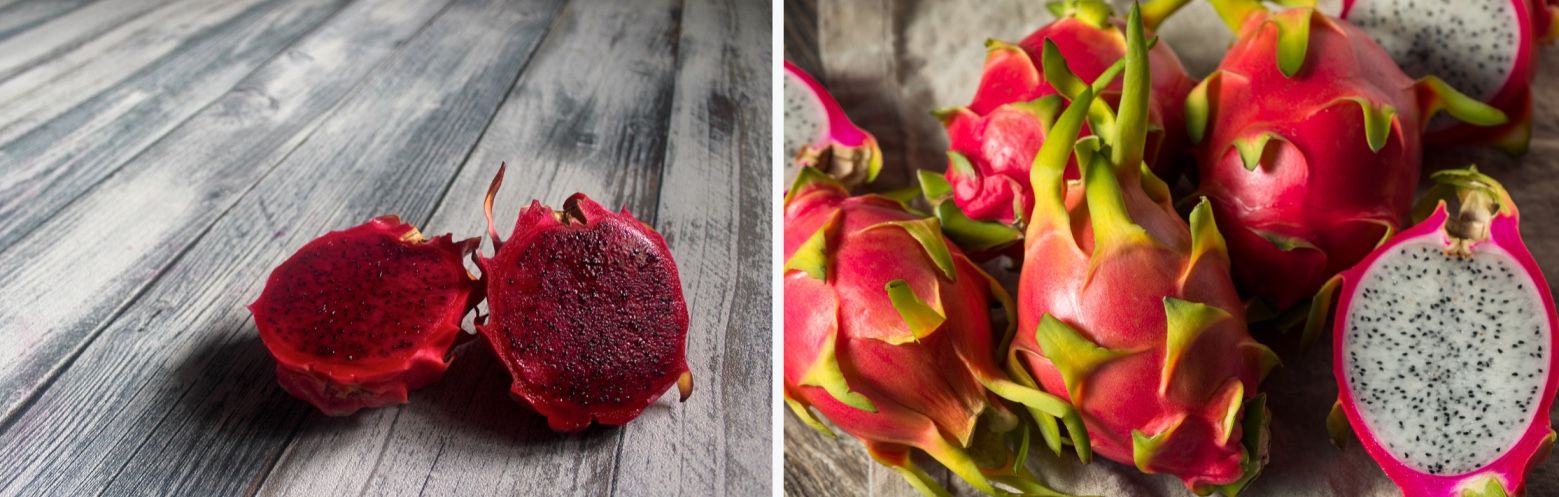
Dragon fruit, with its bold pink or yellow skin and speckled flesh, stands out as one of Vietnam’s most eye-catching tropical fruits. Grown mainly in Binh Thuan, Long An, Tien Giang, Nha Trang, and Ho Chi Minh City, this cactus-based fruit delivers a mild, refreshing flavor—similar to a blend of kiwi and pear.
Thanks to its bright appearance and health benefits, dragon fruit often features in smoothies, fruit salads, and desserts. Rich in antioxidants, vitamin C, fiber, calcium, and phosphorus, it remains low in calories while packing nutritional value. Vietnam is also the leading exporter of dragon fruit in Southeast Asia.
Rambutan: Chôm Chôm
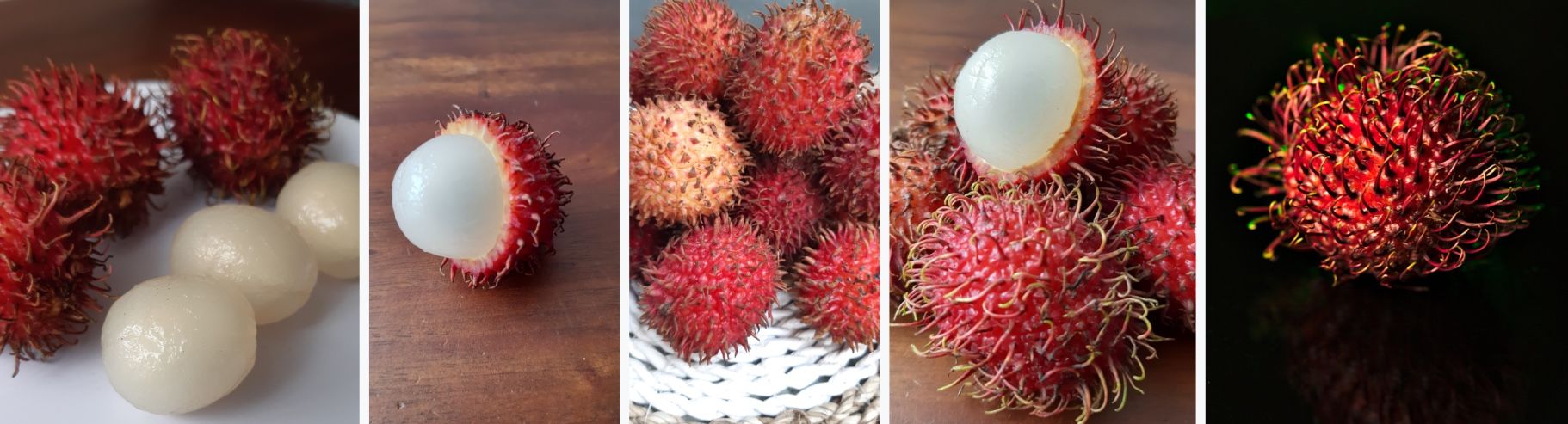
Rambutan, called “chôm chôm” in Vietnamese and nicknamed “hedgehog” for its spiky skin, is one of Vietnam’s most beloved summer fruits. Unlike the larger Thai variety, Vietnamese rambutans are smaller—about the size of a golf ball—and feature fewer spines. Their soft greenish pulp separates easily from the seed, delivering a juicy, sweet flavor with a subtle tropical note.
Available from April to June, rambutans are perfect for fruit salads or as a lychee substitute. For something different, try rambutan juice infused with cinnamon or vanilla for a refreshing summer drink. Just remember to avoid the bitter seed inside.
Longan Fruit: Long Nhãn
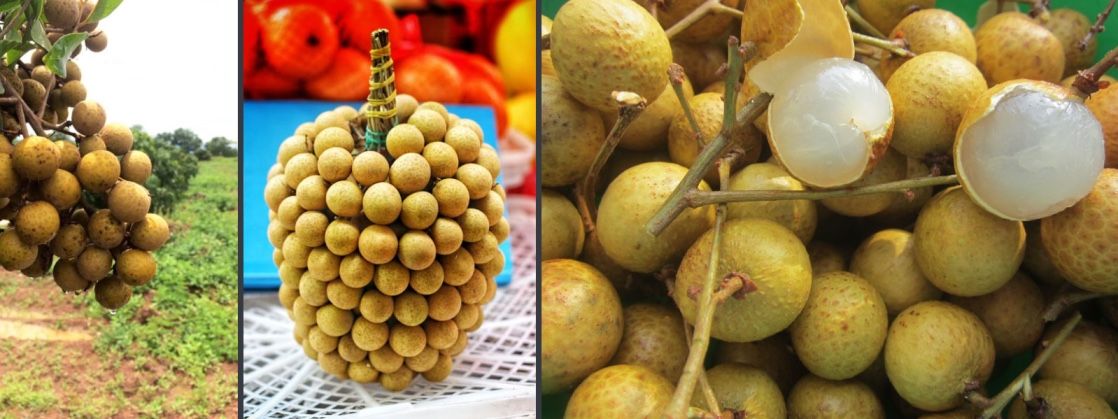
Longan, known as “dragon’s eye” for its translucent flesh and dark seed, offers a light, sweet flavor with floral notes. Its juicy texture makes it both refreshing and soothing—perfect for hot days.
Commonly used in Vietnamese desserts, teas, and drinks, longan symbolizes vitality and rejuvenation in local culture. Grown mostly in southern Vietnam, this fruit thrives in the region’s humid climate. It appears in clusters, with pale yellow skin and smoky white flesh that delivers a naturally sweet taste.
Rich in vitamins B1, B2, C, and essential minerals like potassium, calcium, and iron, longan is as nutritious as it is delicious. The longan season in Vietnam typically runs from April to November.
Vietnamese Jackfruit: mít
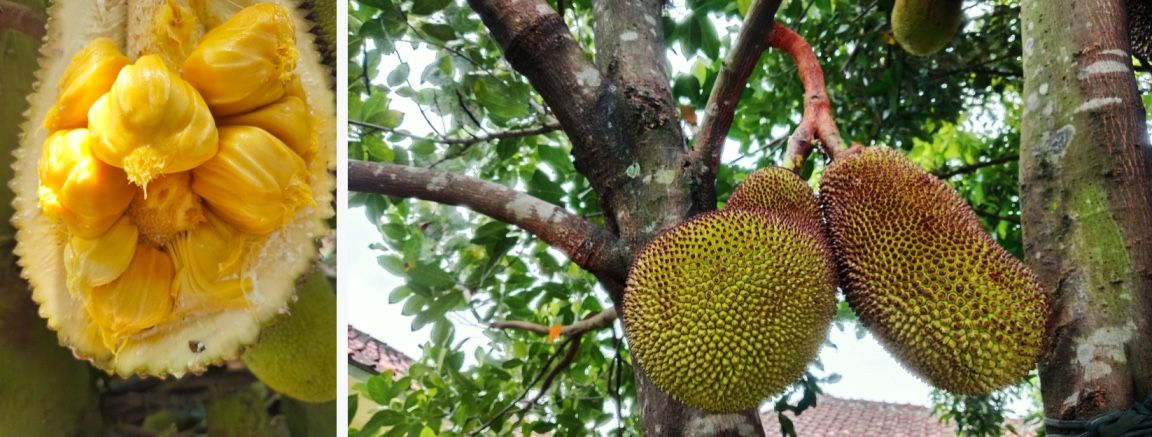
Jackfruit, known as quả mít in Vietnamese, ranks as the largest tree fruit in the world and releases a sweet, tropical aroma. Its yellow, fibrous flesh offers rich flavor and works well both ripe—as a dessert or snack—and unripe as a savory meat substitute.
In Vietnamese cuisine, jackfruit appears in stir-fries, desserts, crispy chips, and street snacks. Additionally, it’s packed with nutrients including vitamin A, vitamin C, potassium, calcium, iron, thiamin, riboflavin, niacin, and magnesium.
- Also discover Cambodian Fruits
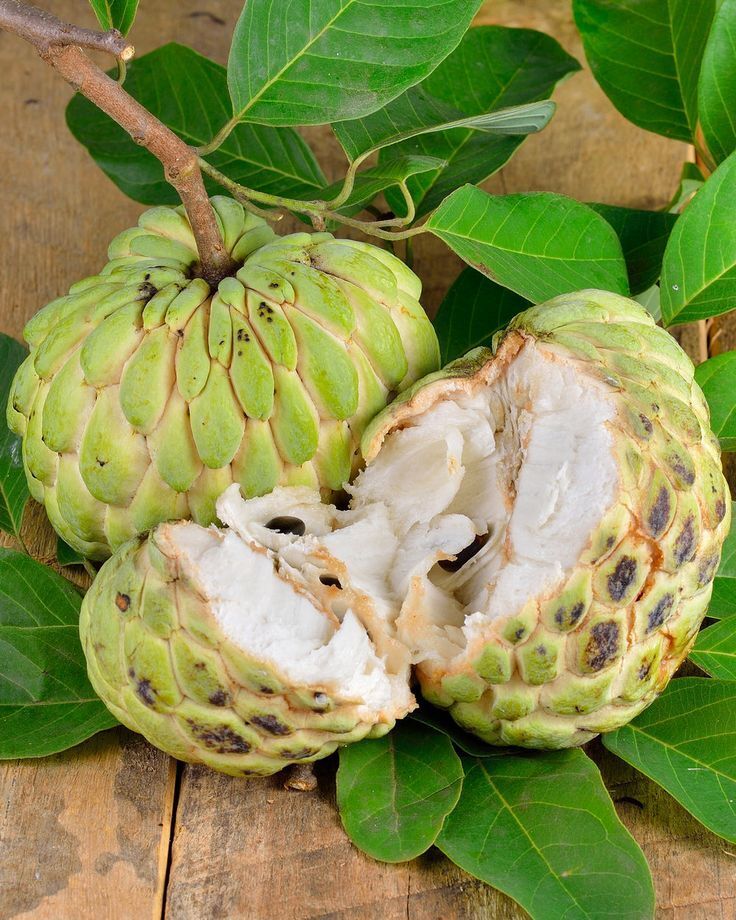
Custard Apple: Mãng Cầu Or Na
Known locally as mãng cầu or na, custard apple is a popular Vietnamese fruit loved for its sweet, creamy pulp and health benefits. When ripe, the soft peel makes it easy to enjoy—just remove the black seeds.
You’ll find the best custard apples in autumn, especially from August to late September. For the freshest taste, buy them at local markets and store in a paper bag to ripen. Southern Vietnam—particularly Mui Ne (Ninh Thuan) and Ba Ria–Vung Tau—is known for growing this tropical fruit due to its humid, fertile conditions.
Soursop: Mãng Cầu
Soursop, locally called mãng cầu xiêm, is a well-loved Vietnamese tropical fruit known for its sweet aroma and pineapple-like flavor. Its dark green skin surrounds soft white flesh that delivers a unique sweet-sour taste.
Scientifically named Annona muricata, soursop belongs to the custard apple family and grows on small trees that reach up to 8 meters tall. The tree produces thorny green fruits, yellow flowers, and broad oval leaves.
All parts of the plant—fruit, leaves, seeds, and roots—are valued for their health benefits. In Vietnam, soursop is popular not only for its refreshing taste but also for its nutritional value and traditional uses.

Vietnamese Mango fruit: Xoài
Mango is a popular fruit found in so. many other tropical countries all across the world – In Vietnam, there are more than dozens of different species of Mango that is originate and grow only in some part of the countries. Mangos are all fleshy, juicy and aromatic and are available just about anywhere in Vietnam.
In addition, xoài xanh (green mangoes) are always eaten as a desert and snack dipped in chili salt.
Some commonly “Vietnamese Mango” that are actually available to expert including:
- Hoa Loc Sweet Mango
- Acacia
- Cat Chu
- Elephant Mango
- Cam Lam from Khanh Hoa

What fruits are famous in Vietnam?
Many tropical fruits are widely enjoyed across Southeast Asia. For instance, you’ll find mangosteen in Thailand, coconuts throughout the region, and fruits like rose apple and mango in abundance.
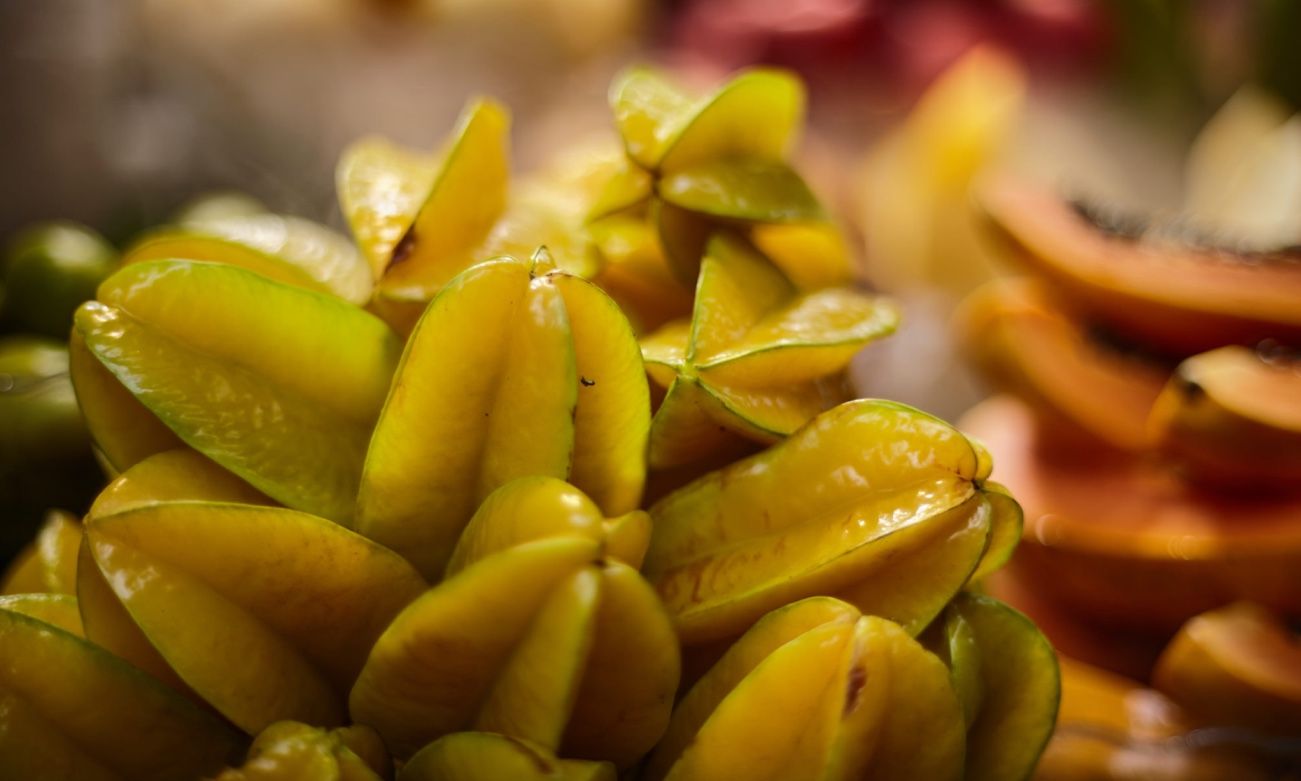
Star fruit: Khế
Star fruit, or carambola, stands out as a popular tropical fruit in Vietnam, especially in the Mekong Delta, where it grows year-round. With its golden color and juicy, tangy flavor, this fruit offers a refreshing treat enjoyed fresh or in local dishes.
To eat it, simply rinse and slice the thin-skinned fruit into its signature star-shaped pieces. In Vietnamese cuisine, star fruit often enhances the flavor of canh chua cá, a sweet and sour fish soup. When visiting Vietnam’s countryside, you’ll frequently spot star fruit trees in village gardens.
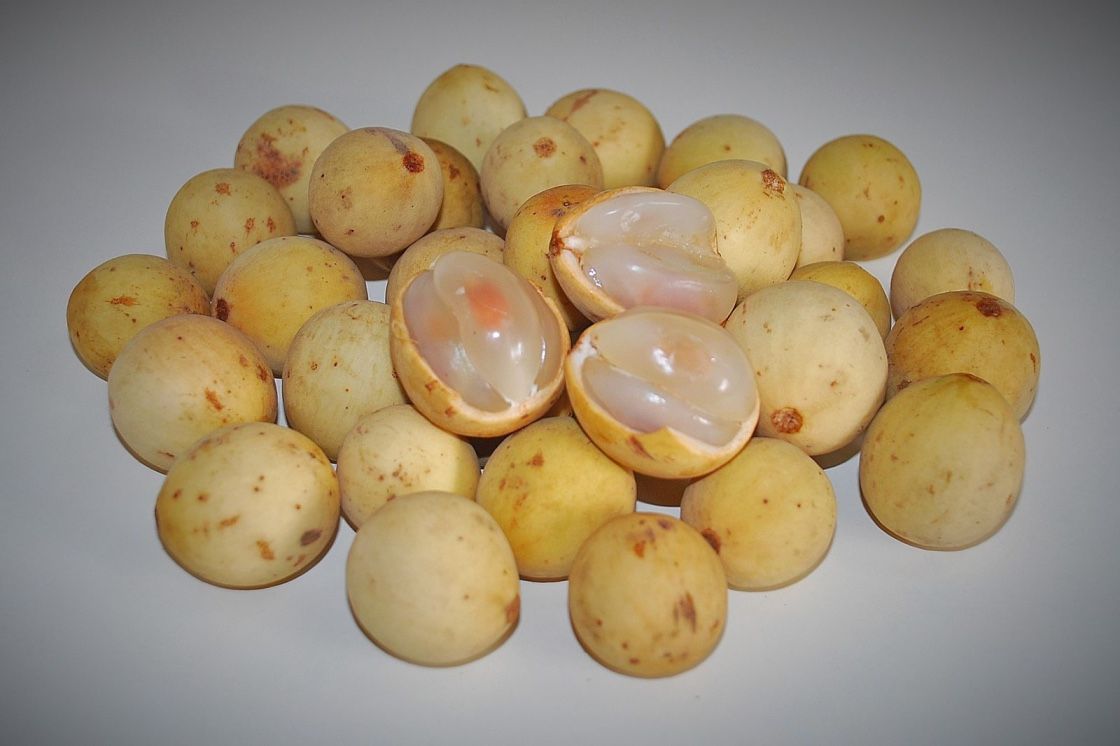
Langan fruit: Bòn bon
Longan, locally called quả bòn bon and scientifically known as Lansium domesticum, grows widely across Vietnam’s tropical provinces. This round fruit features thin skin and translucent white flesh divided into 5–6 juicy segments.
Initially slightly sour, the taste becomes sweeter as the fruit ripens. Rich in vitamins, minerals, and carotene, longan supports antioxidant activity, boosts immunity, and helps maintain healthy cells.
You’ll find longan easily in Vietnamese street markets and supermarkets at affordable prices per kilogram.
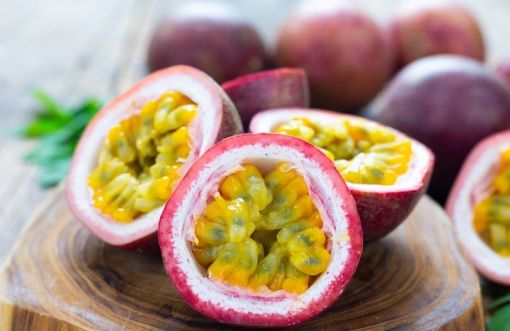
Passion Fruit: Quả chanh
Passion fruit, or quả chanh dây in Vietnamese, is a popular tropical fruit known for its tangy flavor and impressive health benefits. Though small, it packs a punch—rich in antioxidants, vitamin C, and other essential nutrients.
Health-conscious locals and visitors alike enjoy passion fruit for its refreshing taste and immune-boosting properties. You’ll find it widely available in Vietnam’s markets and juice stands year-round.
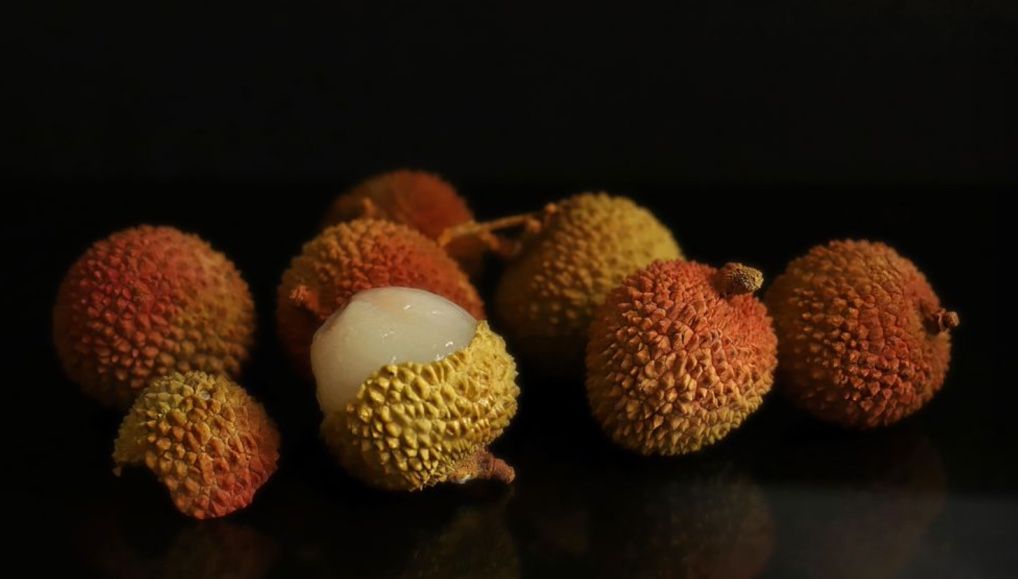
Lychee: Vải
Summer brings lychee season to Vietnam, especially in Hai Duong and Bac Giang, where this juicy fruit grows in abundance. Known locally as quả vải, lychees are sweet, easy to eat, and packed with vitamins, antioxidants, and digestive benefits.
Although lychees grow mostly in northern Vietnam, they remain widely available across the country. Since they spoil quickly, store them in the refrigerator to keep them fresh for longer.
Guava: Ổi
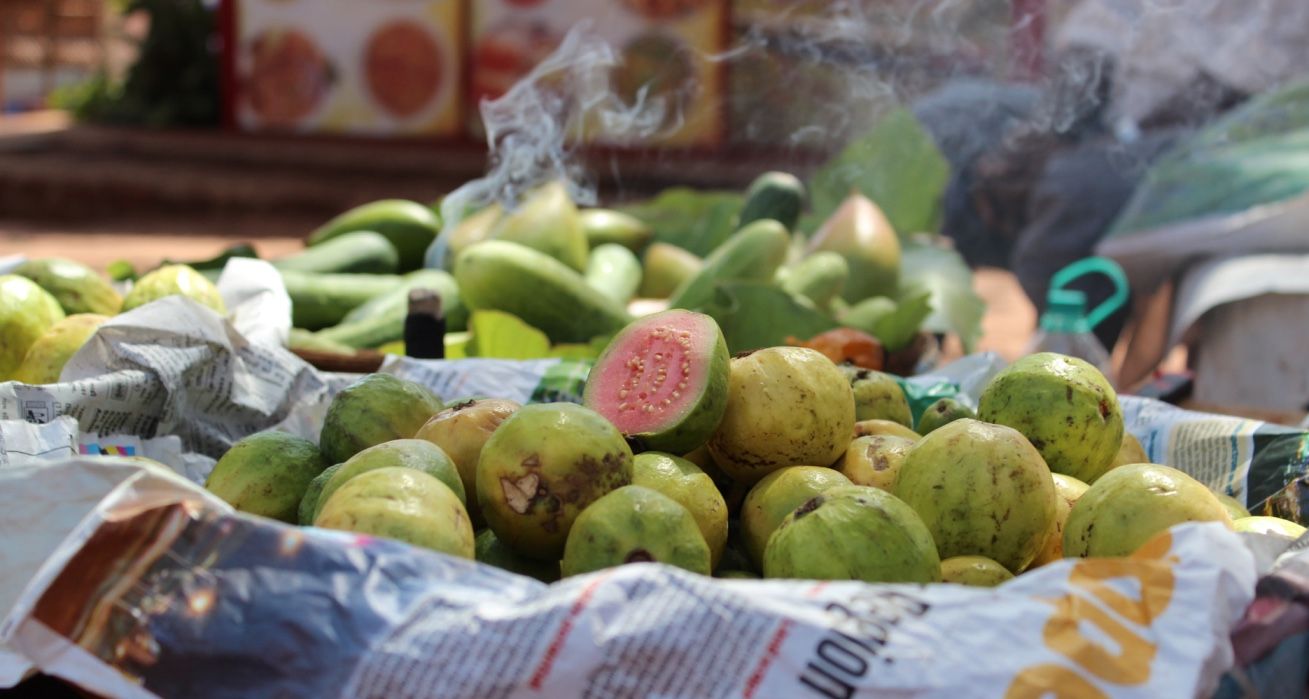
Guava, or ổi in Vietnamese, grows abundantly across Vietnam, especially in Bac Giang, the Mekong Delta, Thai Binh, Hanoi, and Hung Yen. This tropical fruit is typically round or oval with green to yellow skin and white or pink flesh. Its dry, mildly tangy flavor makes it a local favorite.
Available year-round, Vietnamese guava tastes best in peak seasons. Locals often enjoy it raw with salt and chili for a flavorful twist.
Star Apple: Vú sữa
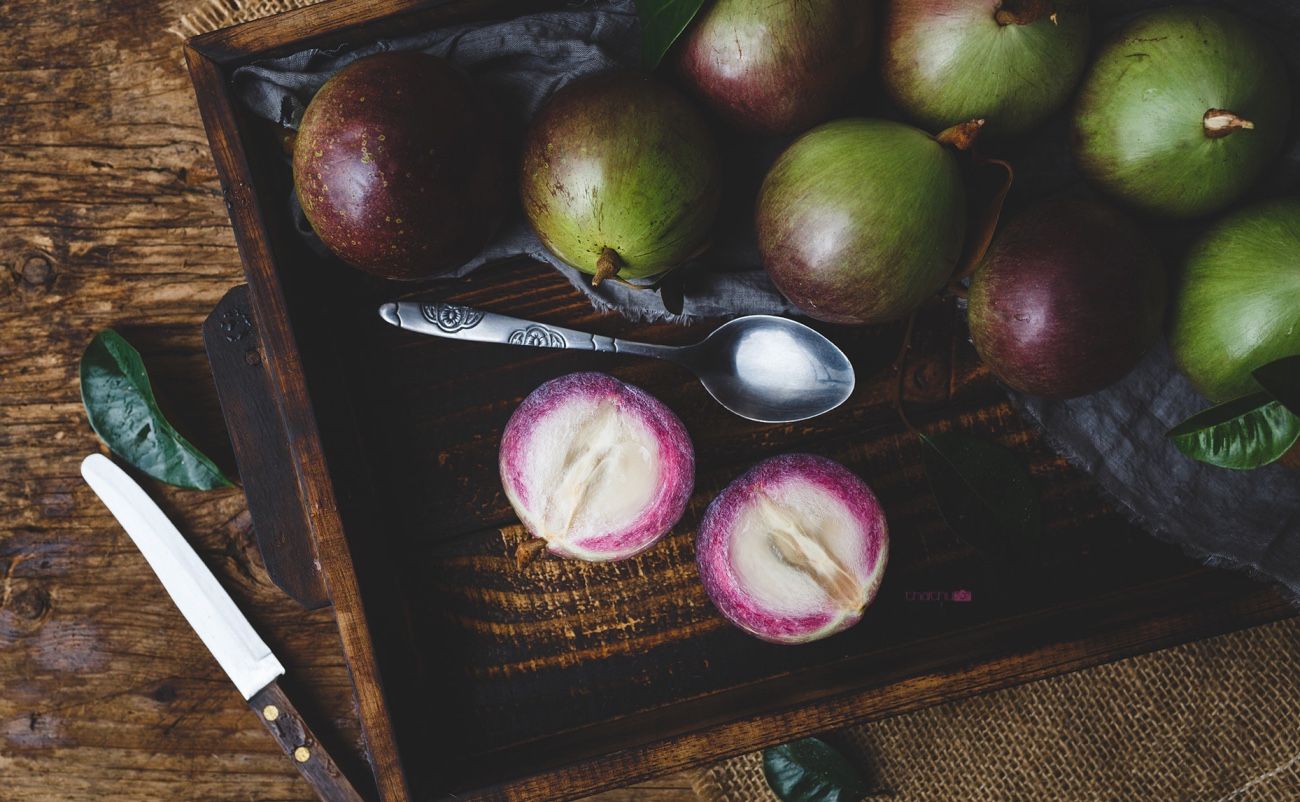
Star apple, known as vú sữa in Vietnamese, translates to “mother’s milk” due to the milky juice released when cut. This tropical fruit, about the size of an orange, has green or purple skin and soft, mildly sweet flesh.
The best variety comes from Lò Rèn Vĩnh Kim in Tien Giang Province. Vietnam is currently the only exporter of star apples to Europe, Canada, India, and several Asian countries.
Low in calories—just 31 per 100g—star apple is a great choice for weight management. It’s also rich in nutrients that may help prevent diabetes and cancer.
Jujube: Táo Bi
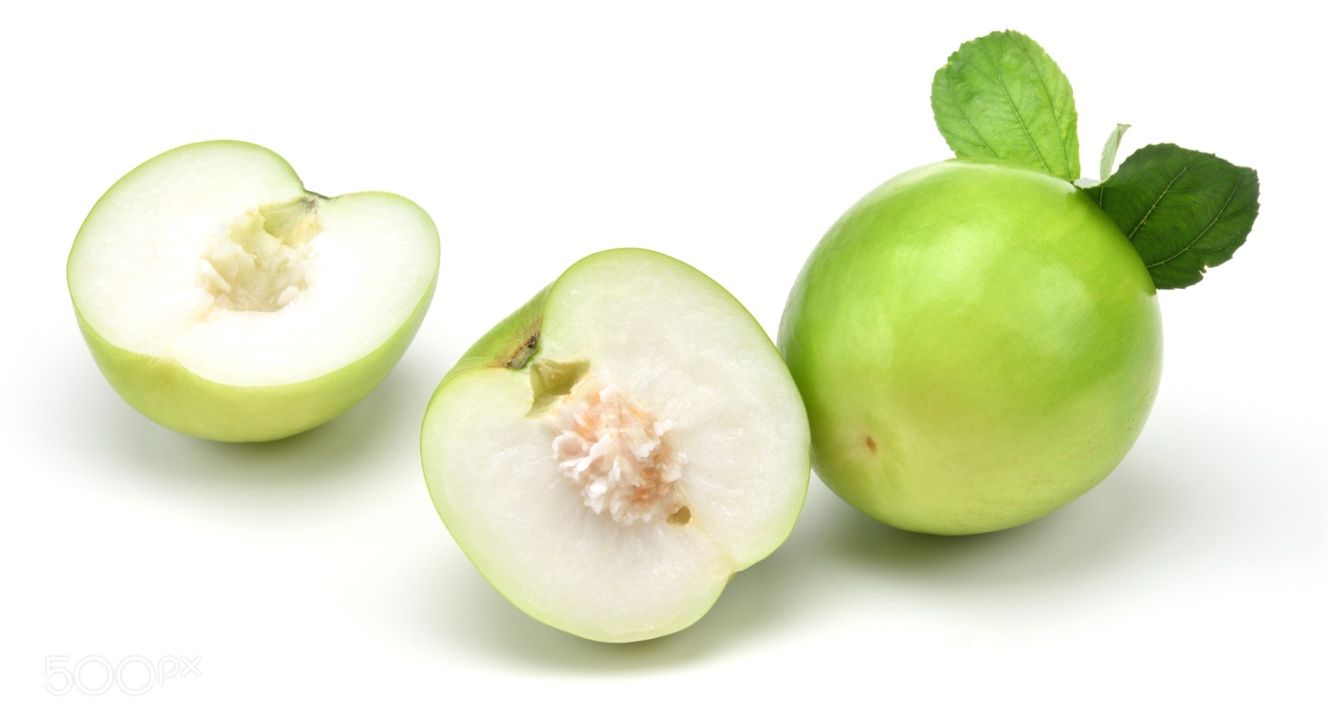
In Vietnam, jujube is called táo bi or táo gió and thrives in Ninh Thuan Province, where long sunny days and light breezes create ideal growing conditions. This exotic fruit features a crisp texture and mildly sweet flavor.
Jujubes range in shape from round to oval and in size from cherry- to plum-sized. While still edible when wrinkled, most prefer them between the yellow-green and red stages for the best taste.
Rich in vitamin C, Vietnamese jujubes offer excellent health benefits and are a nutritious snack enjoyed fresh or dried.
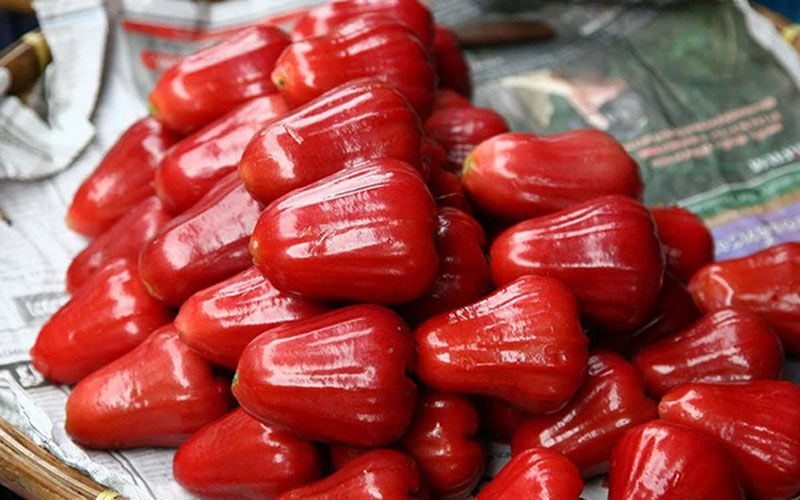
Rose Apple: Quả Roi, Or, Quả Mận
The rose apple, known in Vietnam as quả roi or quả mận, is a juicy, refreshing tropical fruit popular across Southeast Asia. With prices ranging from just 30,000–60,000 VND (1–2.5 USD) per kilo, it’s an affordable treat for both locals and tourists.
This bell-shaped fruit comes in a variety of colors—red, pink, white, green, and even dark magenta—and offers a light, mildly sweet flavor perfect for hot days.
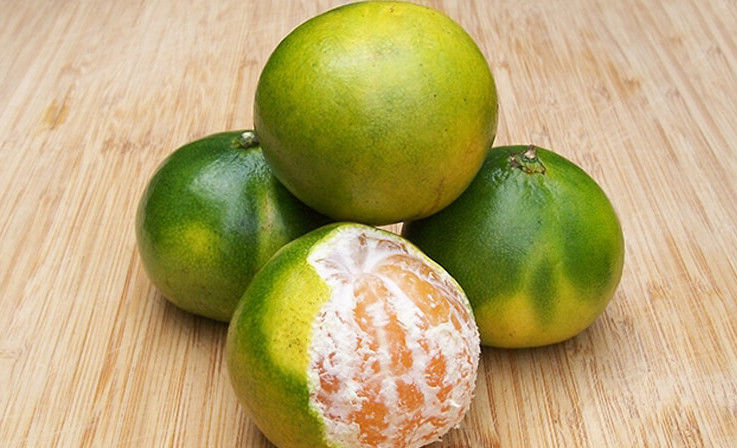
Green Tangerine
Vietnam’s green tangerine, known locally as Tắc Xanh or Tiều Sơn, thrives in the Mekong Delta, especially in Lai Vung (Dong Thap), Cai Be (Tien Giang), and Long Tri (Hau Giang). This popular citrus fruit features light skin, juicy pulp, and a sweet flavor with a mildly sour aftertaste.
Green tangerines stand out for their fresh aroma and seasonal availability, typically harvested once a year between November and December.
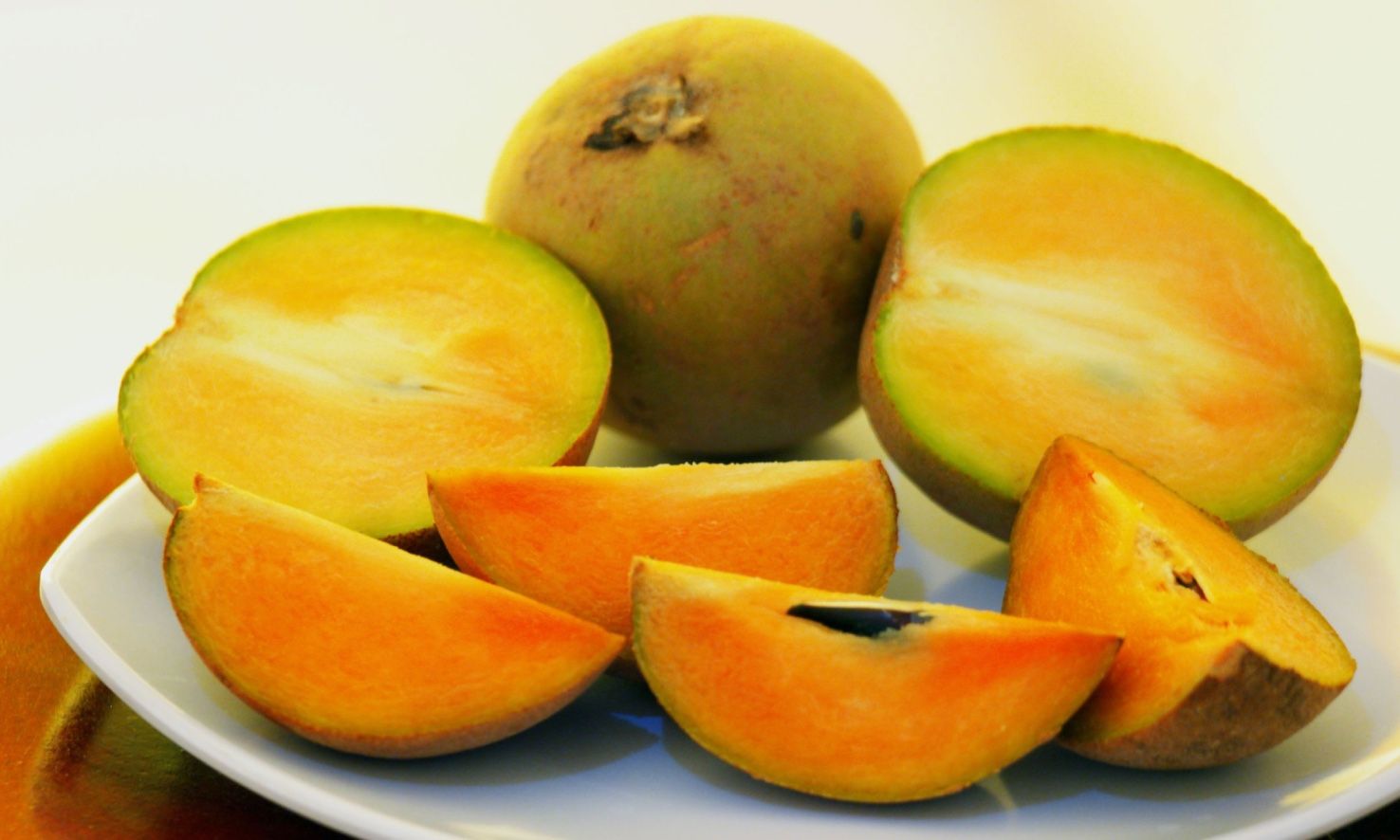
Sapodilla: Hồng xiêm
Sapodilla, or hồng xiêm in Vietnamese, is a popular tropical fruit with a brown, round or oval shape and thin skin. Its sweet, caramel-like pulp offers hints of pear and honey, making it a local favorite across Vietnam and Southeast Asia.
Each fruit contains 2–5 hard black seeds. In Vietnam, people typically enjoy sapodilla fresh, especially in the summer for its rich, fleshy texture and tropical flavor.
Vietnamese fruits
What is the most popular Vietnamese fruits?
Beyond the 20 tropical fruits already mentioned, Vietnam offers many more exotic fruits that are perfect for a healthier holiday. Thanks to its diverse semi-tropical climate, the country grows a wide variety of fruits—some native to Vietnam, others thriving from across Southeast Asia.
These fruits reflect Vietnamese culture, delivering flavors that range from sweet and juicy to bold and tangy—a must-try for fruit lovers.
- Coconut (Dừa)
- Papaya (Đu Đủ
- Ambarella fruit (Cóc) also known as golden apple or jew plum,
What is Vietnam’s National Fruit?
Dragon fruit, or Thanh Long, is widely recognized as Vietnam’s national fruit, symbolizing the country’s dedication to natural farming and tropical agriculture. While some locals also suggest mangosteen (the “queen of fruits”), rambutan, and jackfruit as top contenders, dragon fruit remains the most iconic.
Its vibrant color, nutritional value, and widespread cultivation make it a national favorite.
What fruits are in season in Vietnam?
Lychee, mangosteen, rambutan, and longan peak during summer to early autumn, offering juicy, sweet flavors perfect for hot days. Durian and jackfruit also thrive in specific warm seasons, adding richness to the tropical selection.
Meanwhile, dragon fruit and guava stay in season longer, making them widely available year-round across Vietnam’s markets.
What is the king of fruit in Vietnam?
Durian (Sầu Riêng): The King of Fruits – features a spiky shell and a distinctly pungent aroma. Inside, its creamy, sweet flesh delivers a custard-like texture that fruit lovers either crave or avoid.