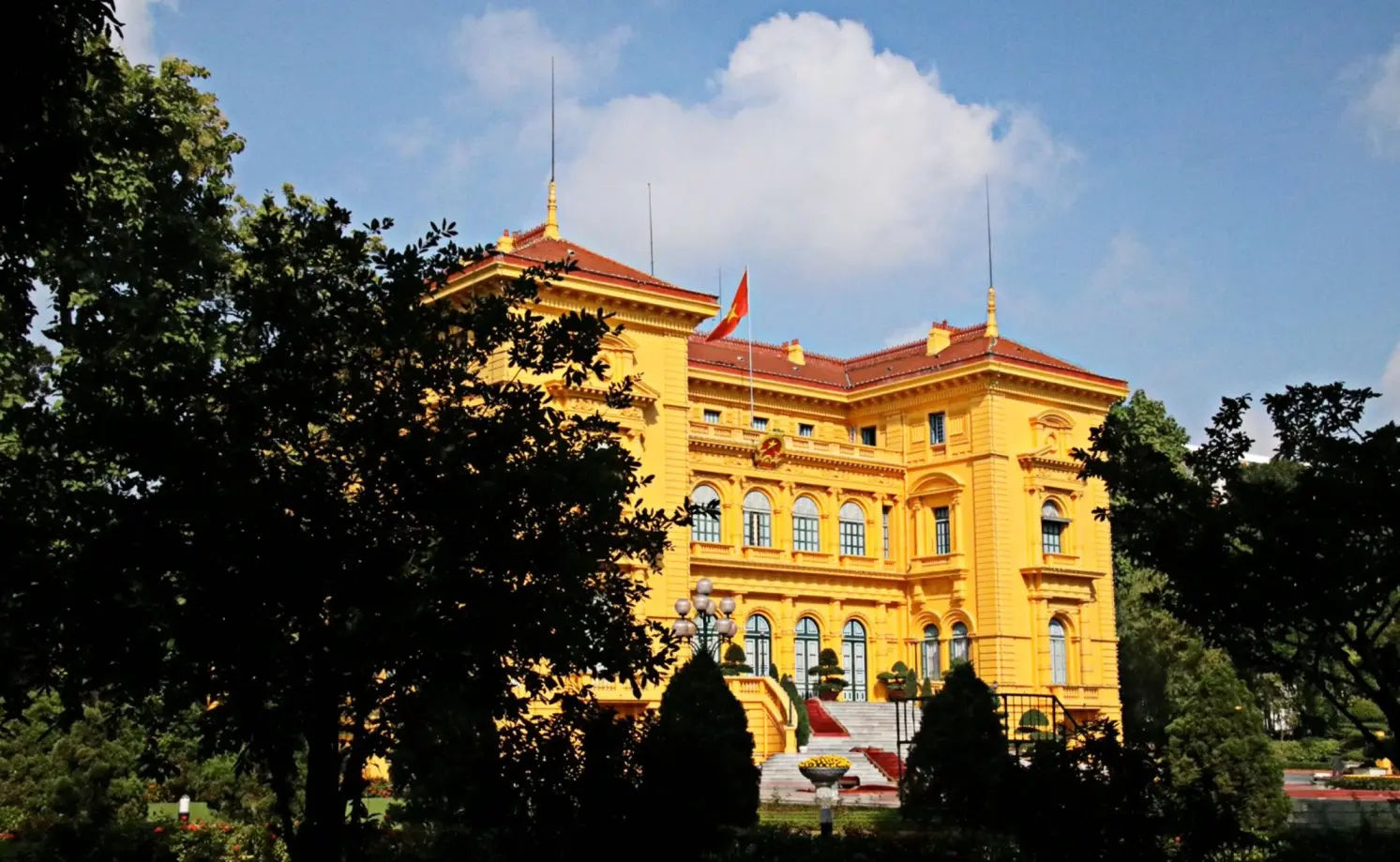




Living in Vietnam as an expat is one of the more practical long-term moves available in Southeast Asia. The cost of living is low, the food is good, the cities are well-connected, and the country has an established infrastructure for foreign residents — visa pathways, international schools, international clinics, and active expat communities in every major city. This guide covers everything a foreigner needs to plan a move: visas, costs, the best cities, healthcare, taxes, renting, working, and daily life.
Why expats choose Vietnam for long-term living
Cost of living
Vietnam is one of the most affordable countries in Southeast Asia for long-term residents. Monthly living costs for a single person in Hanoi or Ho Chi Minh City — including rent, food, transport, and utilities — typically fall between $700 and $1,500 depending on lifestyle. That is significantly lower than Bangkok, Kuala Lumpur, or Bali for equivalent comfort. Local street food costs $1.50 to $3 per meal. A one-bedroom apartment in a good neighborhood costs $350 to $700 per month. A monthly motorbike rental runs $50 to $100.
- Check out Vietnam’s climate by region and month
Climate
Vietnam’s climate divides by region. The south (Ho Chi Minh City, Mekong Delta) is warm year-round with temperatures between 25°C and 35°C and a distinct wet season from May to November. The centre (Da Nang, Hoi An) has a more variable climate with a typhoon season from October to December. The north (Hanoi, Sapa) has four seasons, summers reaching 38°C and winters that can drop to 10°C in January. Expats who prefer consistent warmth tend to settle in the south or central coast. Check our our Vietnam private tour

Infrastructure and connectivity
High-speed internet is widely available and cheap — around $10 to $15 per month for a home connection. Co-working spaces operate in all major cities. Domestic flights connect Hanoi, Da Nang, and Ho Chi Minh City in under two hours. International flights run direct to most major Asian hubs and to Australia. Mobile data plans cost $5 to $10 per month and work across the country.
Expat communities
Hanoi, Ho Chi Minh City, and Da Nang all have established foreign resident populations. Networking groups, international schools, English-language clinics, and Western-style supermarkets are present in all three cities. The expat communities in Vietnam are large enough to provide practical support on arrival but not so dominant that they isolate newcomers from Vietnamese life.
Vietnam visa and residency options for expats
Tourist visa
The e-visa is valid for 90 days and covers most nationalities. It is renewable but was not designed for long-term residence. Many early-stage expats use it while establishing employment or business arrangements, but repeated tourist visa entries attract scrutiny and enforcement has tightened since 2023.
- Check out Vietnam visa requirements by nationality
Business visa
A business visa (DN or DN1) allows stays of one to twelve months and can be extended. It does not automatically grant the right to work but is commonly used by self-employed foreigners and digital nomads as a holding visa while other arrangements are made. It requires a sponsoring Vietnamese entity.
Work permit and temporary residence card
A work permit is required for any foreign national employed by a Vietnamese company. The employer applies on your behalf and the permit is typically valid for two years. Once you have a valid work permit, you can apply for a Temporary Residence Card (TRC), which grants two to three years of residency without the need for repeated visa renewals. The TRC is the most stable long-term option for employed expats.
Visa runs
Crossing into Cambodia, Laos, or Thailand to reset a tourist visa — known as a visa run — is still practised but has become less reliable. Border officers have discretion to refuse re-entry if they judge a person to be residing rather than visiting. It is a workable short-term solution but not a sustainable long-term strategy.
Best cities in Vietnam for expats
Hanoi
Hanoi is Vietnam’s capital and has a slower pace than Ho Chi Minh City. The Old Quarter is dense with street food stalls, colonial architecture, and local life. The most popular expat neighborhoods are Tây Hồ (West Lake), which has lakeside apartments, international restaurants, and a large foreign community; Ba Đình, which is close to embassies and government offices; and Hoàn Kiếm, which is central and walkable but noisier. Winters in Hanoi are genuinely cold — January averages around 17°C with damp grey days. Summers are hot and humid, reaching 38°C in July and August.
- Check out things to do in Hanoi
Ho Chi Minh City
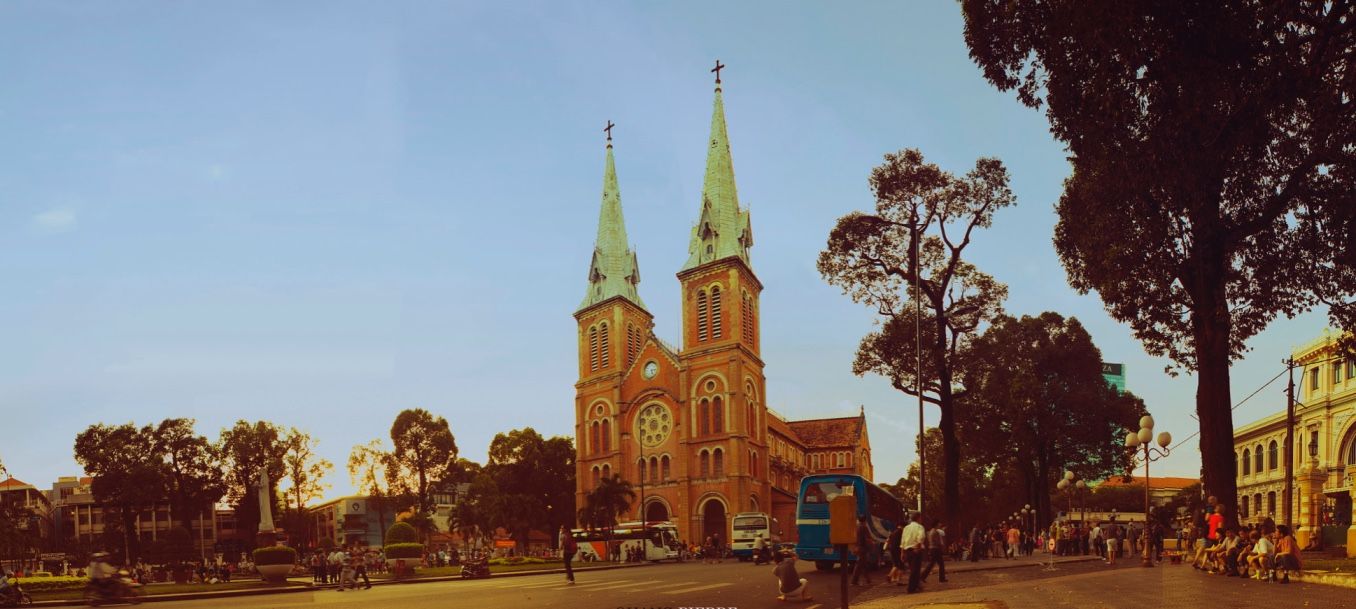
Ho Chi Minh City is Vietnam’s largest city and its economic centre. It is faster, louder, and more commercially developed than Hanoi. The most common expat districts are District 2 (Thảo Điền), which has villas, international schools, and Western cafes along the river; District 7 (Phú Mỹ Hưng), which is quieter and family-oriented with a strong Korean and Japanese expat population; and District 1, which is the central business district. The city is warm year-round with temperatures between 25°C and 35°C and a wet season from May to November.
- Check out things to do in Ho Chi Minh City
Da Nang and Hoi An
Da Nang is a mid-sized coastal city with beaches, mountains, and a growing expat scene. Rent is 20 to 30% lower than in Hanoi or Ho Chi Minh City and the city is compact enough to navigate easily. Hoi An, 30 kilometers south, is smaller and quieter — a popular choice for retirees and freelancers who want lower costs and a slower lifestyle. Both cities are prone to typhoons and heavy rain from October to December.
- Check out things to do in Da Nang
Nha Trang and Mui Ne
Nha Trang is a beach city with a well-established Russian and Chinese expat population and a lower cost of living than the major cities. Mui Ne is smaller still, known for kitesurfing and a quiet pace. Both towns have limited job markets — they suit retirees, remote workers, and long-term travelers rather than professionals seeking employment.
- Check out Nha Trang beaches
Smaller towns and rural Vietnam
Dalat, with a cool mountain climate averaging 18 to 25°C year-round, attracts expats who want to escape the heat. Phong Nha and the Central Highlands suit those who want proximity to nature. Costs are lower across the board in smaller locations, but international schools, English-speaking clinics, and professional networks are limited or absent.
Cost of living in Vietnam for expats
Most expats in Vietnam spend between $700 and $2,000 per month depending on city, lifestyle, and whether they have family. The breakdown below reflects a single person living in Hanoi or Ho Chi Minh City.
Housing
A modern one-bedroom apartment in a good neighborhood costs $350 to $700 per month. Larger serviced apartments with cleaning and security run $700 to $1,200. In Da Nang and Nha Trang, prices are 20 to 30% lower. Landlords typically ask for two months’ deposit plus the first month’s rent upfront.
Food
A bowl of phở or cơm tấm from a local stall costs $1.50 to $3. Eating locally three times a day is common and costs $5 to $10 per day. Western restaurants charge $8 to $20 per meal. Grocery shopping at local markets is cheap; imported goods at supermarkets are significantly more expensive.
- Check out must-try dishes in Vietnam

Transport
A monthly motorbike rental costs $50 to $100, and fuel is around $1.20 per litre. Grab and Be ride-hailing apps are reliable and cheap throughout major cities. Taxis are affordable by Western standards. Buses cost a few dollars per trip but are less convenient for daily commuting.
Utilities and internet
Electricity, water, and trash collection for a small apartment runs $50 to $80 per month — more if air conditioning is used heavily. Home internet costs $10 to $15 per month. Mobile plans with data start at $5 per month.
Healthcare and insurance
A visit to a local clinic costs $20 to $40. International hospitals charge more. Most expats budget $800 to $1,500 per year for international health insurance depending on age and coverage level.
How to rent an apartment in Vietnam as a foreigner
Foreigners can rent property in Vietnam without restriction. The most common ways to find housing are Facebook expat groups (Hanoi Massive, Expats in Ho Chi Minh City), property websites (Batdongsan, PropertyGuru, Dot Property), and local rental agents who typically charge landlords rather than tenants.
Price ranges by city
In Ho Chi Minh City, a one-bedroom in District 1 or District 2 runs $400 to $700 per month. Larger serviced apartments reach $1,000 to $1,200. In Hanoi, Tây Hồ is slightly cheaper than the Old Quarter or Ba Đình at similar quality levels. In Da Nang and Nha Trang, equivalent apartments cost 20 to 30% less than in the major cities.
What to check in the rental contract
Check that the contract specifies the lease length, deposit amount, utility payment responsibility, and maintenance obligations. Confirm whether rent is denominated in VND or USD — some landlords price in USD, which means exchange rate fluctuations affect your costs. Ask whether the landlord has registered the lease with local authorities, as this registration is sometimes required when applying for a visa renewal or residence card.
Healthcare and insurance for expats in Vietnam
Public hospitals in Vietnam are inexpensive but crowded, with limited English-speaking staff. Most expats use private international clinics for routine care and reserve public hospitals for emergencies only. International clinics are available in Hanoi, Ho Chi Minh City, and Da Nang with English-speaking doctors, shorter wait times, and consistent standards. For serious conditions, some expats travel to Bangkok or Singapore, which are two to three hours away by flight and have more advanced specialist facilities.
Insurance options
The most common providers among expats are Allianz Care, Cigna Global, and Bupa International. Basic plans covering outpatient and inpatient care start at $800 to $1,000 per year for adults under 40, rising with age and coverage scope. Some long-term residents combine a basic international plan for serious events with paying directly for routine local clinic visits, which is cheaper than comprehensive insurance for everyday care.
Practical tips for affordable healthcare
Local clinics and pharmacies handle check-ups, dental work, and common illnesses for $20 to $40 per consultation. Generic medicines are inexpensive and available without prescription at most pharmacies. Keep a list of the nearest international clinic to where you live before you need it — waiting until you are ill is not the time to research options.
Working in Vietnam as a foreigner
Teaching English
English teaching is the most accessible job for expats without specialist skills. Most language centers and private schools require a bachelor’s degree and a TEFL or TESOL certificate. Salaries run from $1,200 to $2,000 per month in major cities, with higher pay at international schools and universities. The job provides stable income and predictable hours.
Remote work
Vietnam has a well-developed remote work infrastructure. Co-working spaces operate in all major cities, internet is reliable, and living costs are low relative to remote income from Western clients. Freelancers and digital nomads in IT, design, writing, and online business are a significant portion of the expat population in Ho Chi Minh City, Hanoi, and Da Nang. Remote workers typically enter on tourist or business visas and manage visa renewals periodically.
Starting a business
Foreigners can register a company in Vietnam, but foreign ownership rules in certain sectors require a local Vietnamese partner or shareholder. The process involves multiple government departments and takes weeks to months. Sectors that have worked well for expat entrepreneurs include tourism, food and beverage, English education, and technology consulting. Patience with bureaucracy is not optional.
- Check out motorbike tours in Vietnam
Taxes in Vietnam for foreign residents
Foreign residents who spend 183 days or more in Vietnam in a calendar year are considered tax residents and are liable for Vietnamese income tax on their worldwide income. The personal income tax rate for residents is progressive, ranging from 5% on income up to 60 million VND per year to 35% on income above 960 million VND per year. Non-residents — those spending fewer than 183 days — are taxed only on Vietnam-sourced income at a flat rate of 20%.
Employers who legally hire foreigners in Vietnam handle payroll tax deductions and social insurance contributions directly. Self-employed foreigners and remote workers earning income from abroad are responsible for declaring and paying their own taxes if they meet the residency threshold.
Tax treaties between Vietnam and several countries, including the UK, Australia, the US, France, and Germany, exist to prevent double taxation. Check the treaty between your home country and Vietnam before assuming your tax position. Consulting a local tax advisor in the first year of residence is the most practical approach, as enforcement and treaty interpretation vary.
Daily life in Vietnam: transport, banking, food, and culture
Getting around
Most expats ride a motorbike for daily transport. Buying a used motorbike in Vietnam costs $300 to $800 depending on the model; renting costs $50 to $100 per month. Helmets are required by law and enforced. Grab and Be are the standard ride-hailing apps for both motorbike taxis and cars. Traffic in Hanoi and Ho Chi Minh City is dense during rush hours but moves continuously, the key adjustment for new arrivals is learning to merge gradually rather than waiting for gaps.
Banking
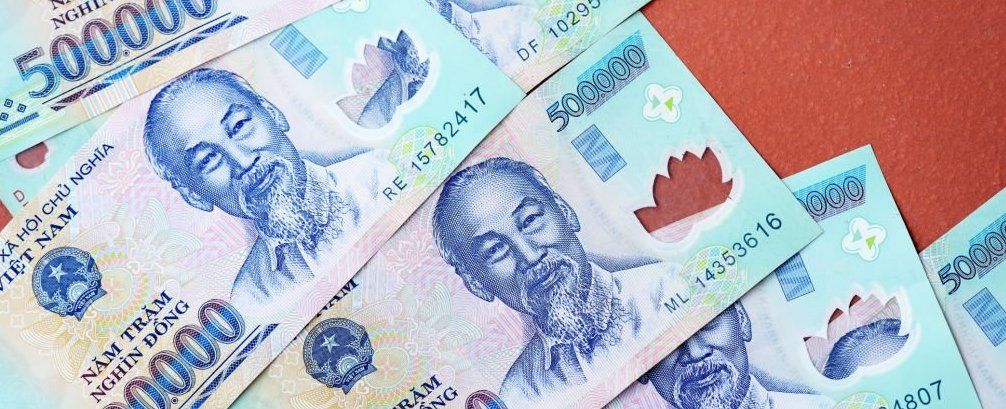
Opening a local bank account requires a valid visa or residence card and a Vietnamese phone number. Vietcombank, Techcombank, and VPBank are the most commonly used by expats. ATMs are available in all cities with a withdrawal fee of 25,000 to 55,000 VND per transaction. For international transfers, Wise and Remitly offer better exchange rates and lower fees than bank wire transfers.
Shopping
Local wet markets sell fresh produce, meat, and seafood at low prices and are the cheapest way to shop for food. Supermarkets , WinMart, Lotte Mart, Big C, and Aeon — stock imported goods, packaged food, and household items. Online shopping through Shopee, Lazada, and Tiki is fast and widely used for electronics, clothing, and household goods.
- Check out shopping in Ho Chi Minh City
Language
Vietnamese is a tonal language with six tones and is genuinely difficult to learn at a conversational level. Basic phrases — greetings, numbers, food vocabulary, directions — are achievable within a few weeks and improve daily interactions significantly. English is widely spoken in tourist areas and among younger professionals in cities. Outside cities and tourist zones, English is limited. Apps like Duolingo cover Vietnamese basics; one-on-one tutors in any major city cost $10 to $20 per hour.
Cultural customs
Remove shoes when entering homes and some small restaurants. Greet older people with a slight nod. Bargaining is standard at local markets but not in shops with fixed prices. Public displays of affection are uncommon in Vietnamese social norms. Patience with bureaucratic processes — at government offices, post offices, and banks — is a practical necessity.
Education and schools for expat families in Vietnam
International schools are available in Hanoi, Ho Chi Minh City, and Da Nang. They follow British, American, International Baccalaureate, or Australian curricula. Fees range from $8,000 to $25,000 per year per child depending on the school and curriculum. The main schools in Ho Chi Minh City include the British Vietnamese International School, the American School, and the International School Ho Chi Minh City. In Hanoi, the British International School and the United Nations International School are well-regarded. Spaces fill quickly — enrolment should be started well before arrival.
Local Vietnamese schools are an option for children who will be in Vietnam long-term and want full language immersion, but they teach entirely in Vietnamese and require significant language adjustment.
Building an expat community in Vietnam
Most new arrivals start by joining online groups — Hanoi Massive, Expats in Ho Chi Minh City, and Da Nang Expats on Facebook are the most active. These groups cover housing, job listings, events, and general questions. InterNations organises regular social events for expats in major Vietnamese cities. Language exchanges, sports clubs (football, yoga, running groups), and co-working spaces are all practical ways to meet people beyond the screen.
Staying entirely within the expat community is common in the first few months but limits the experience of living here. Neighborhoods like Tây Hồ in Hanoi and Thảo Điền in Ho Chi Minh City make it easy to meet other foreigners; committing to one local activity — a Vietnamese class, a local sports team, a community market — tends to produce deeper connections and a more sustainable life in the country.
What to sort before you arrive in Vietnam
These are the practical steps worth completing before or immediately after landing, in rough order of priority.
Visa: Confirm your entry visa type and duration before booking flights. If you plan to work, speak to a recruiter or employer about the work permit process before arriving on a tourist visa.
Health insurance: Take out international health insurance before departure. Gaps in coverage on arrival are a common mistake.
Vaccinations: No vaccinations are required to enter Vietnam. For long-term residents, hepatitis A, typhoid, and updated DTP are recommended. Consult a travel health clinic before departure.
Medical records: Bring a copy of your current prescriptions and any relevant medical history. International clinics in Vietnam will ask for this.
Cash: Arrive with USD 200 to $500 in cash. ATMs are available at airports but fees apply and limits are low. Exchange to VND on arrival or at city exchange offices — airport rates are poor.
Phone plan: A local SIM from Viettel, Mobifone, or Vietnamobile costs around $5 and gives you data within an hour of landing. This is the first practical step after clearing customs.
Climate: Pack for the region you’re moving to, not for Vietnam in general. Hanoi in January needs a jacket. Ho Chi Minh City in August needs rain gear. Sapa in winter needs a proper coat.
Accommodation: Book a short-term guesthouse or serviced apartment for the first two to four weeks. Do not sign a long lease before you have lived in a neighborhood and confirmed it suits your routine.
About the author
Hamid is a travel writer and long-term resident of Vietnam, sharing practical tips and local insights to help foreigners adapt to daily life, housing, and culture in the country.