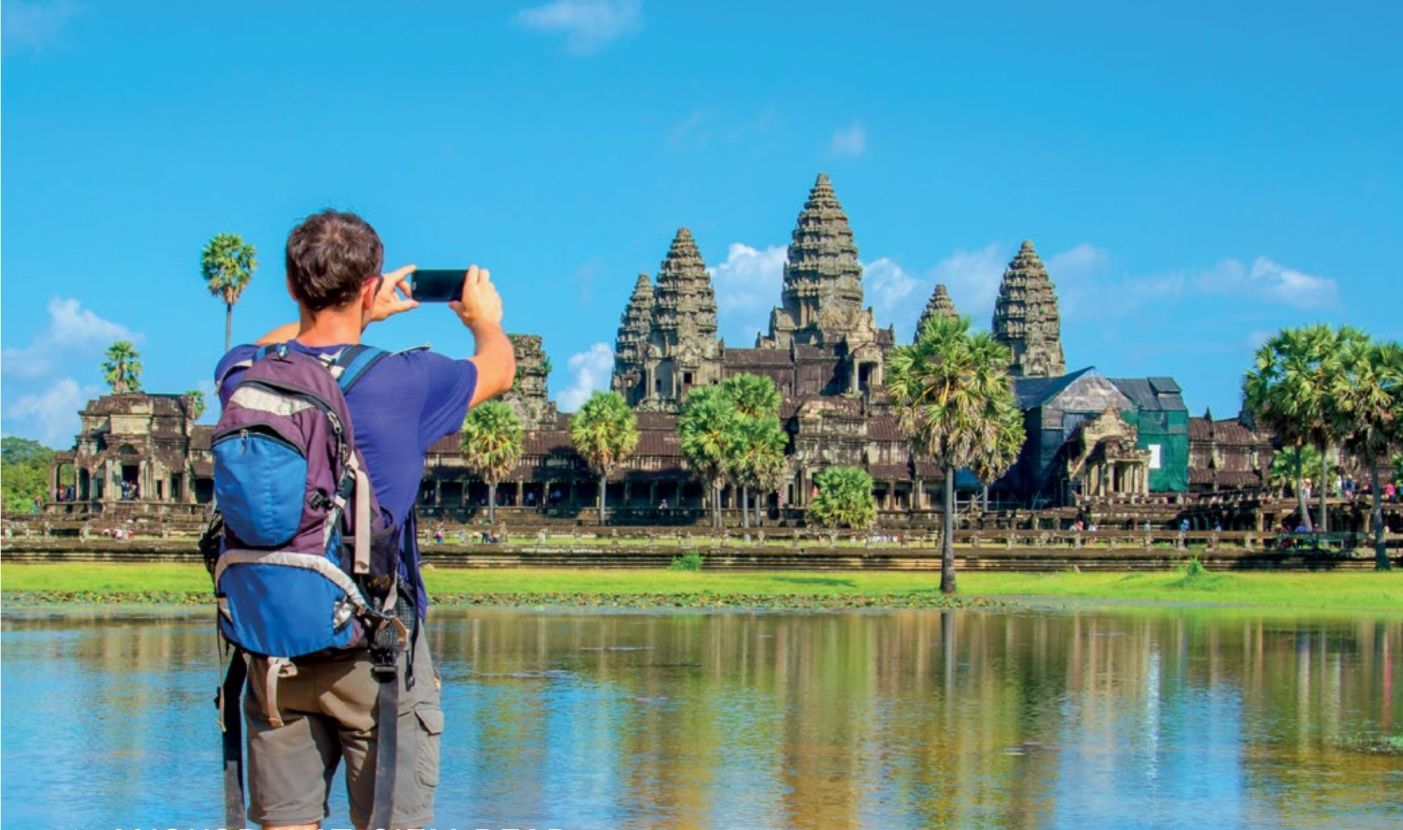

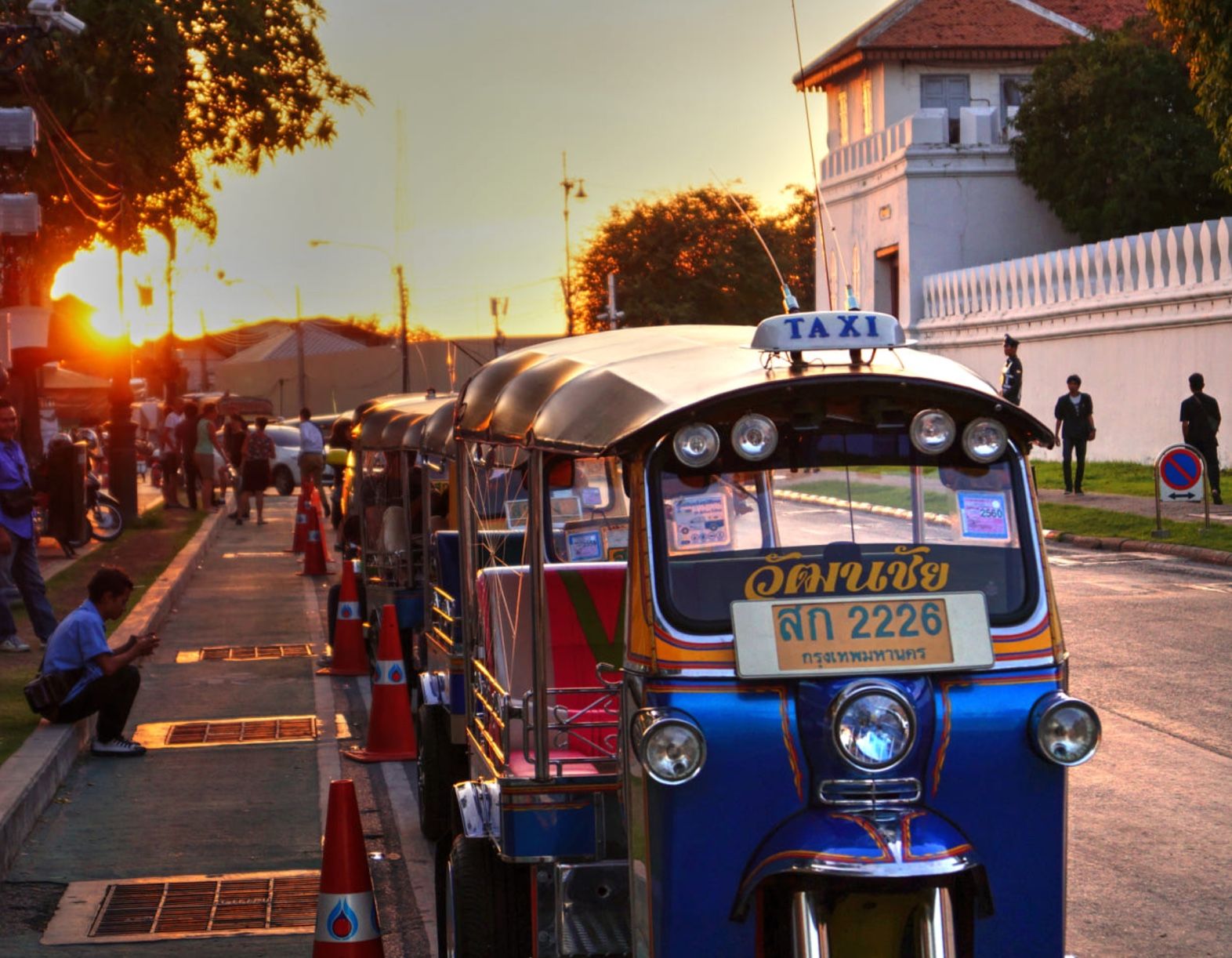

Vietnam in November offers ideal travel conditions, especially in the northern region where the weather stays dry and sunny. Hanoi enjoys mild temperatures, while areas further north, such as Sapa or Ha Giang, experience cooler, crisper air—perfect for outdoor exploration. Moreover, with less humidity and clear skies, it’s one of the best times to enjoy Vietnam’s scenic landscapes and cultural experiences.
Visiting Vietnam in November
Are you curious about the November weather in Vietnam? You may anticipate a combination of bright, sunny days in the south, lingering rain on the central coast, and chilly mountain air in the north because the country is divided into three different temperature zones. November is a transitional month, making it the perfect time of year for tourists who wish to see new places in more pleasant settings and with fewer tourists.
- Check out the best time ti visit Vietnam in general
November Temperatures Across Vietnam: North to South
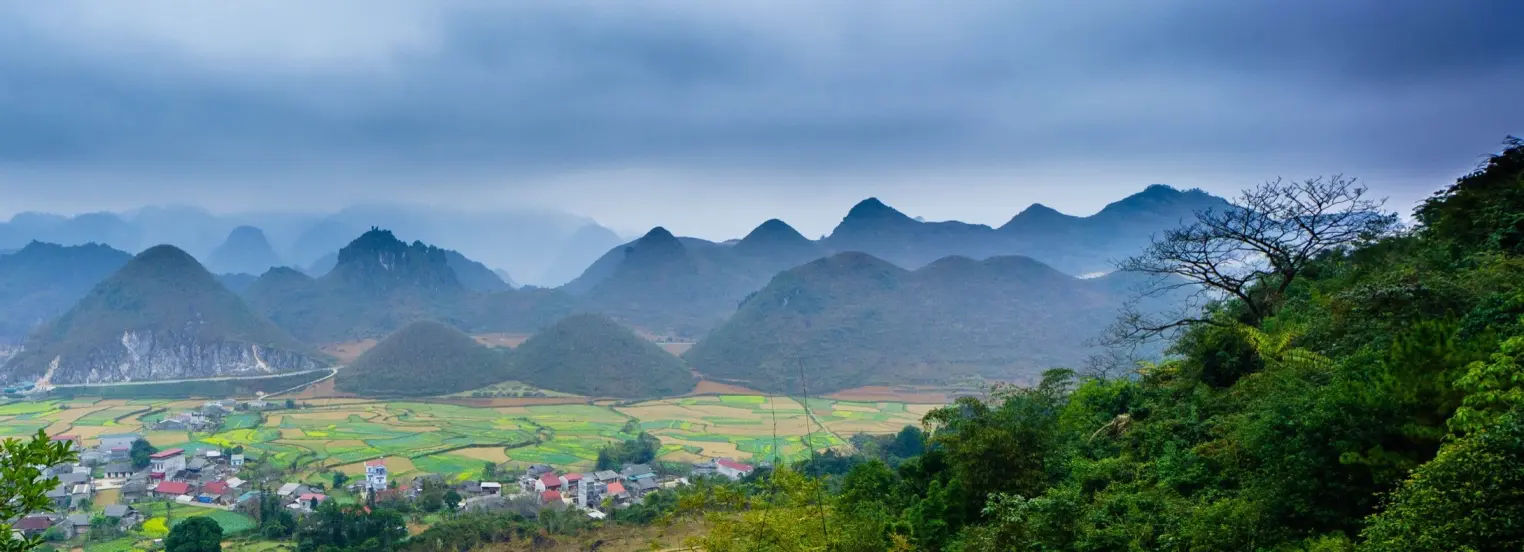
North Vietnam – Cool, Dry, and Dreamy
In November, the northern highlands and the Red River Delta experience the first signs of winter. In the north, the dry, cool season begins around this time. The summer humidity has subsided, the skies are clear, and there is little rainfall. While temperatures in mountainous places like Sapa and Ha Giang can drop as low as 10-15°C (50-59°F), particularly in the early morning and evening, the average temperature in lowland cities like Hanoi is between 22 and 24°C (71-75°F). The air is fresh, and the landscapes are bathed in a gentle, golden light during this period of subdued beauty.
Northern area in November is about stillness. It’s about mountain mists, cold breezes through pine forests, and a quiet cup of tea while watching the world slow down.
- Check out Best Vietnam tours for November
Central Vietnam – Rainy Days and Moody Coastlines
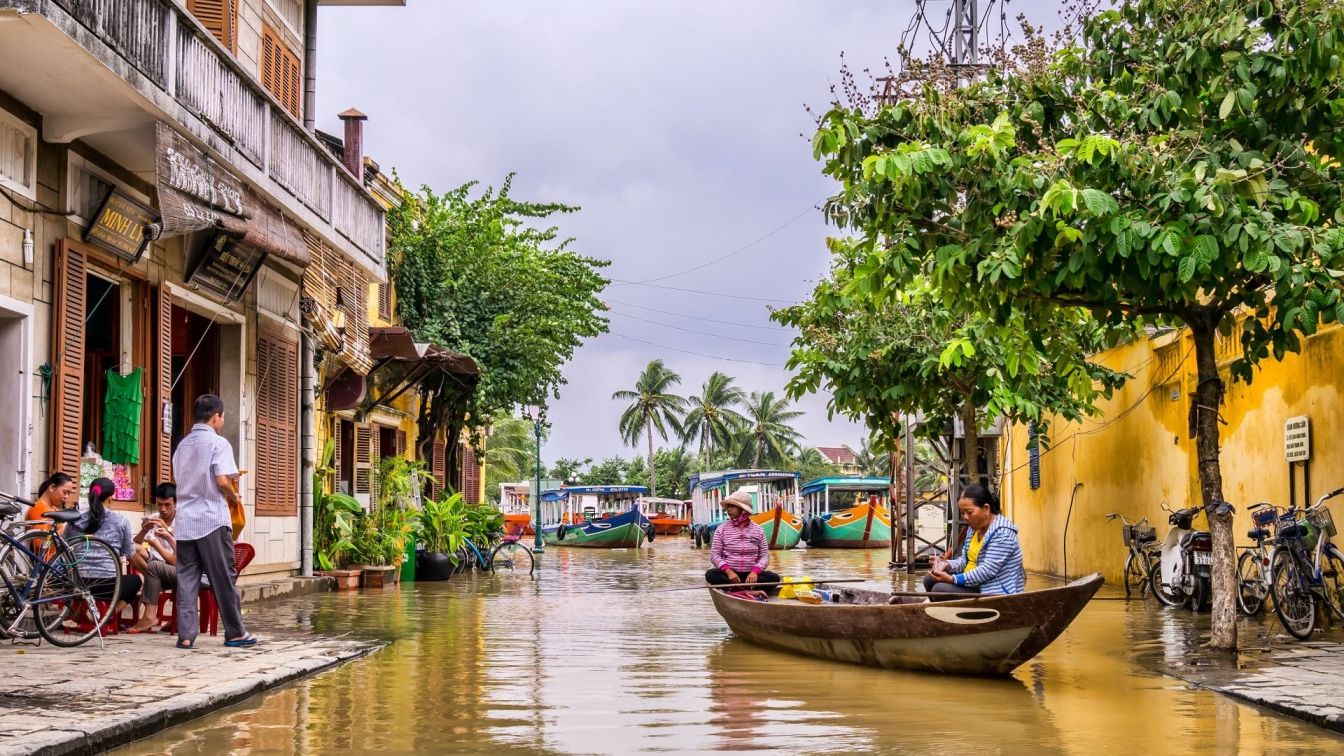
Central Vietnam is moody and unpredictable. For coastal cities like Hue, Da Nang, and Hoi An, where tropical depressions and intense rainfall are still frequent, this is the height of the rainy season. Although temperatures are warm, often between 22 and 26°C (71–79°F), travel plans may occasionally be impacted by floods in low-lying locations. The Central Highlands’ inland environment becomes drier and fresher when the rain starts to lessen.
Central areas in November isn’t always the best in terms of weather. If you’re open to slower days, spontaneous weather, and the scent of rain on old stones, this region can feel deeply soulful.
South Vietnam – Dry, Sunny, and Tropical
November marks the start of the best season in the South. Sunny days have returned, the humidity has decreased, and the rains have stopped. The air feels cleaner and fresher than in previous months, and the average temperature is between 30 and 32°C (86–89°F). It’s warm but not oppressively so. Except for sporadic, brief afternoon showers that move swiftly, the skies remain otherwise clear.
The south in November is calm and full of light. If your idea of travel includes sunshine, warm breezes, and open skies, this is your season.
Why you should consider traveling to Vietnam in November
- Varied but rewarding weather across regions: The north is cool and dry, the south is sunny and warm, which is perfect for outdoor travel, while the central region, though rainy, offers a peaceful, romantic atmosphere for those who enjoy a slower pace.
- Fewer tourists: Travel is more relaxed, with quieter attractions and less crowded streets.
- Lower prices: Flights and accommodation are often cheaper than during peak holiday months.
- Beautiful landscapes: Terraced fields, misty mountains, and clear skies offer stunning scenery for photographers and nature lovers.
Best places to visit in Vietnam in November
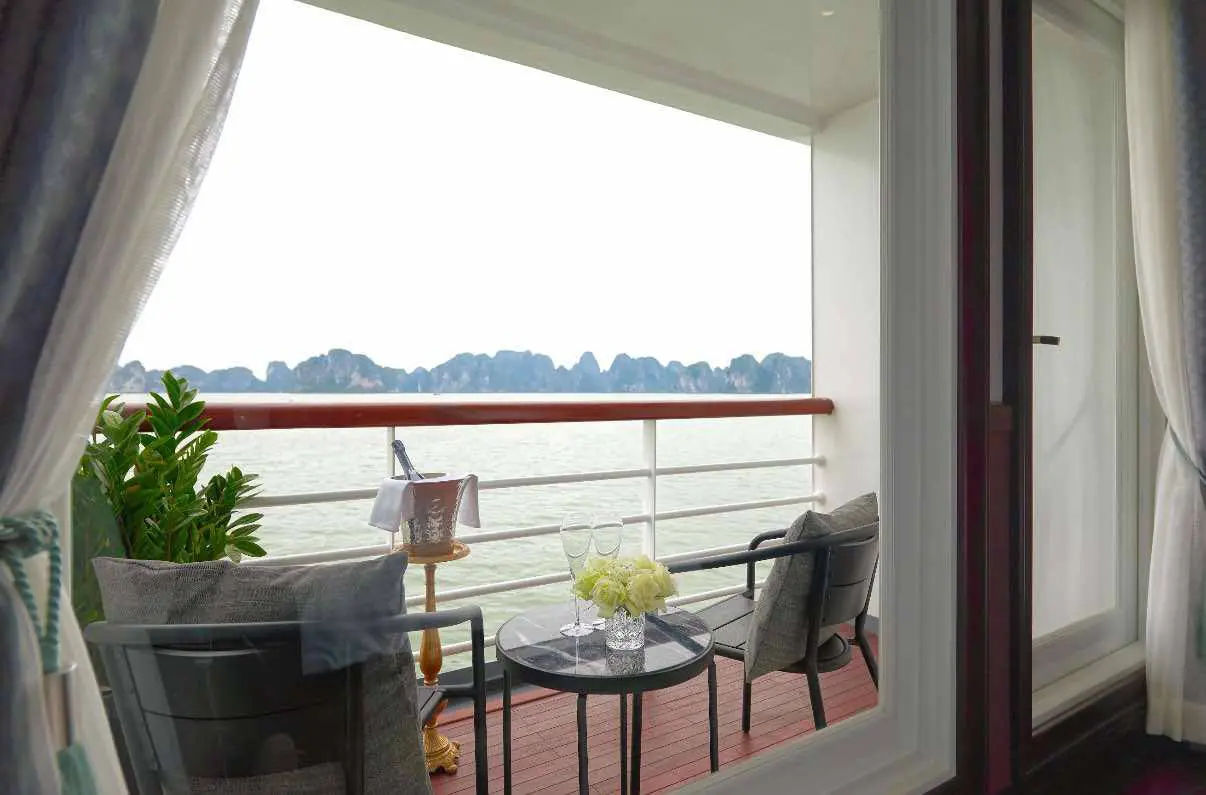
Northern Vietnam
Hanoi becomes gentle and graceful in November. With tree-lined boulevards turning yellow and lakes reflecting pale skies, the city slows down just enough for long walks and warm bowls of pho. Visit the Old Quarter, sip egg coffee by the lake, or watch the sunset from Long Bien Bridge.
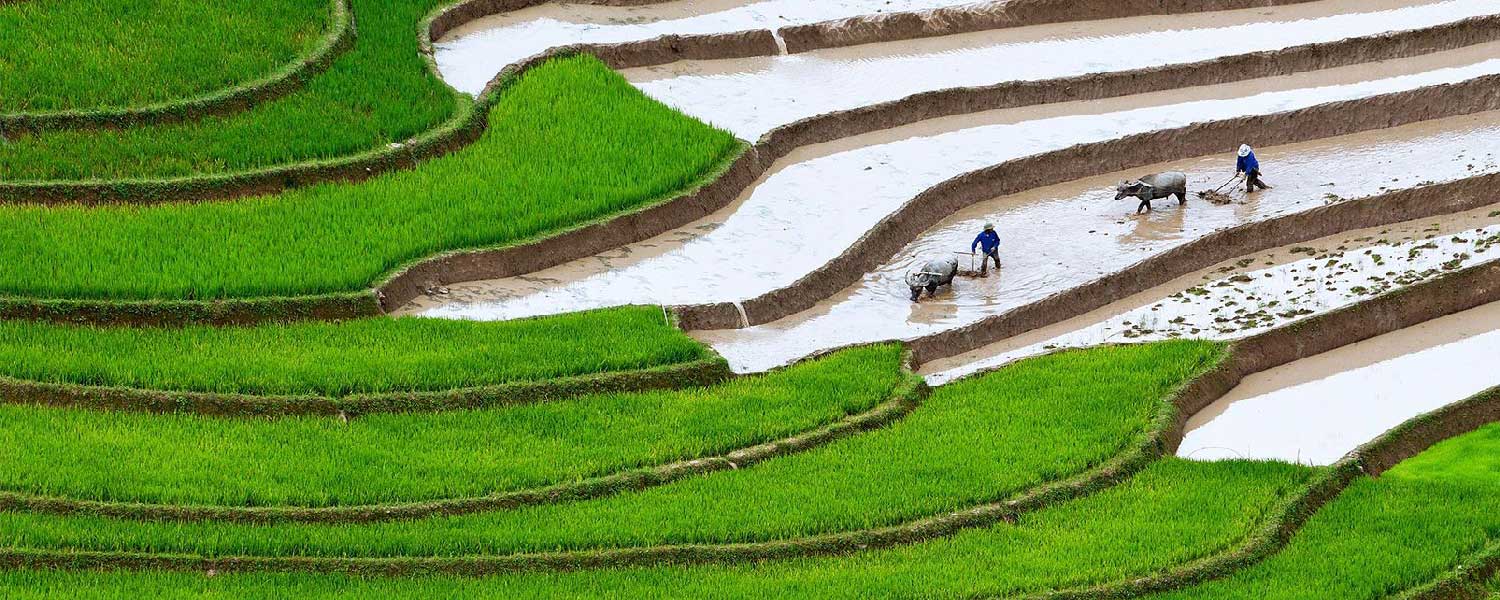
In Sapa or Ha Giang, the rice terraces are no longer green, but the post-harvest scenery has a charm of its own – hills are layered in gold and silver stubble, villages breathe quietly under cool skies, and trekking routes are more peaceful with fewer crowds.
Ninh Binh, with its limestone peaks and river valleys, is perfect this time of year. The humidity is gone, the water is calm, and boat rides through Tam Coc or Trang An feel more serene than ever.
- Check out What to do in Halong Bay
Central Vietnam
Despite the rain, Hoi An still holds a romantic charm. Lanterns glow against wet cobblestones, and the Thu Bon River runs high and fast. If you don’t mind a bit of drizzle, it’s a magical time to explore the ancient town’s alleyways, visit tailor shops, or duck into cafés as the rain taps gently on the roof.
Hue in the rain has a slow, reflective energy. Imperial tombs and palaces take on a quiet grandeur under grey skies. Visiting pagodas by boat on the Perfume River, or walking along the citadel walls in soft rain, gives a deeper, more intimate feeling than during sunny days.
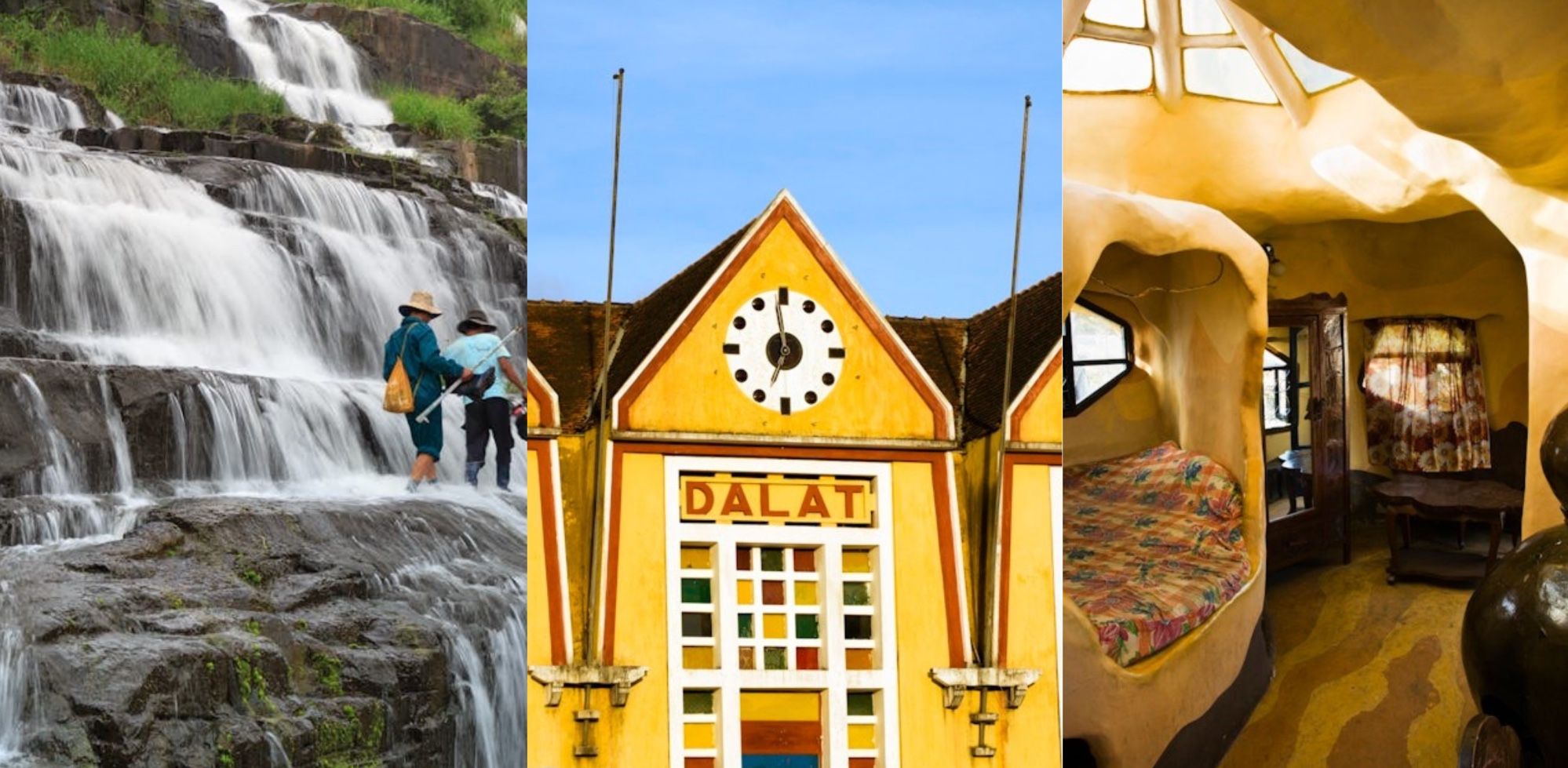
For clearer skies, head uphill to Da Lat. November marks the beginning of its dry season, with cool temperatures, pine-scented air, and gentle sunshine. Visit flower gardens, walk around Xuan Huong Lake, or explore the countryside by motorbike, through farms, hills, and waterfalls.
Southern Vietnam
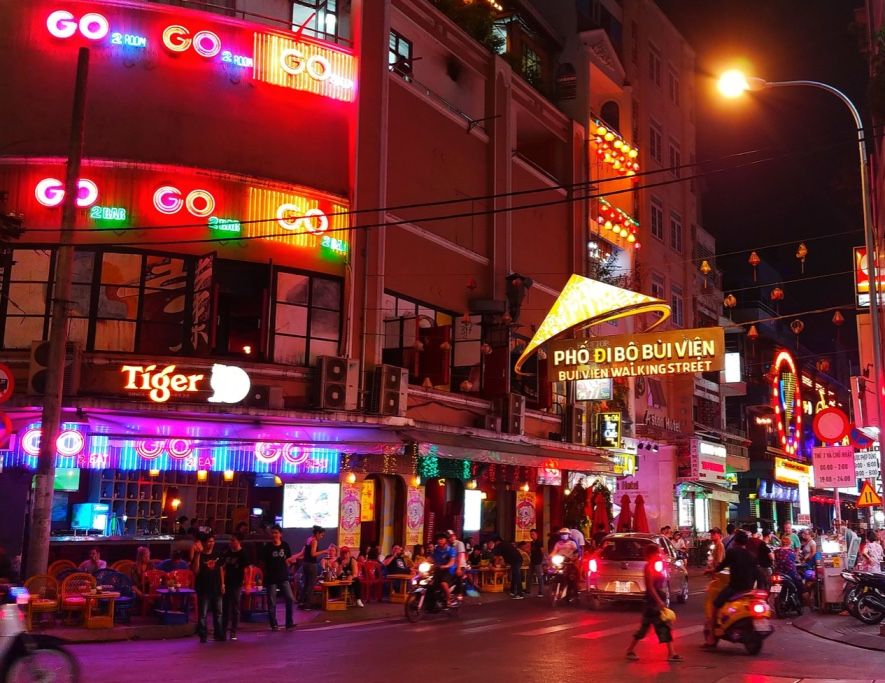
Ho Chi Minh City is lively and full of energy. Markets buzz, rooftop cafés open up, and the whole city seems to breathe easier without the thick summer heat. It’s a great time to explore museums, old colonial streets, and street food alleys that stay active long into the evening.
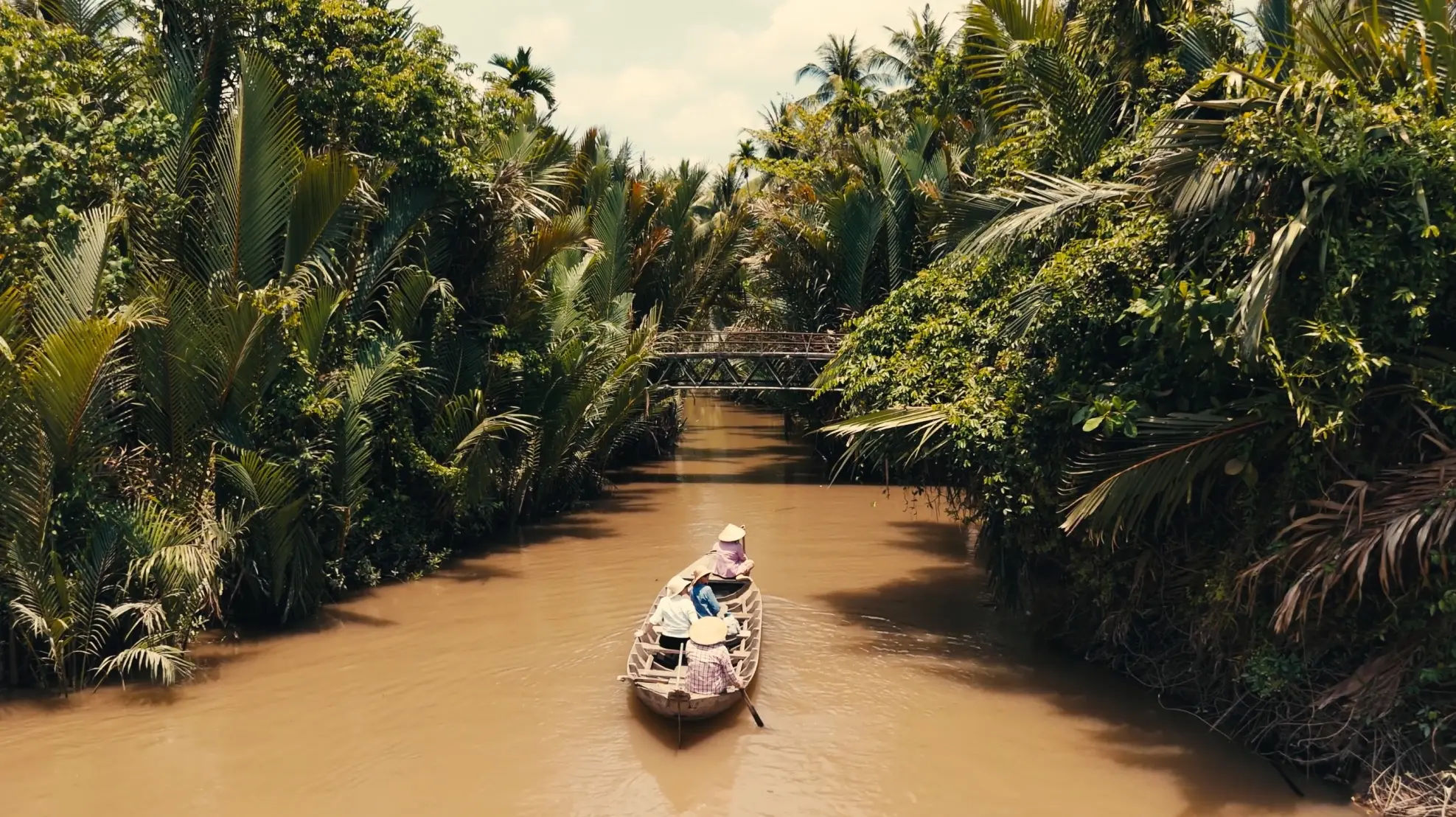
The Mekong Delta comes alive in November. Rivers are full, the weather is perfect for boat trips, and floating markets in Can Tho, Cai Rang, or Long Xuyen are vibrant with fruits, vegetables, and color. It’s also the ideal time to explore small villages, coconut farms, and rice paper workshops along quiet canals.
Phu Quoc, Con Dao, and beaches in Mui Ne or Vung Tau are at their best. The sea is calm, the sand is clean, and the sun is shining. November kicks off beach season, and perfect for swimming, snorkeling, or simply lying under palm trees with a drink in hand.
What To Pack For Vietnam In November
Northern Vietnam
You’ll need light layers during the day and warmer clothing for early mornings and evenings. Bring a windproof jacket, long pants, and a scarf, especially if you’re heading to the mountains. A light sweater or hoodie is useful even in the cities.
Central Vietnam
Pack quick-dry clothing, an umbrella or raincoat, and waterproof footwear. Breathable, light clothing will still be comfortable between showers.
Southern Vietnam
Lightweight clothes like cotton T-shirts, shorts, and dresses are perfect. A hat, sunglasses, and sunscreen are also recommended. You won’t need a jacket, but it’s smart to carry a light cover-up for sun protection or air-conditioned places.
Tips for Traveling to Vietnam in November
- Pack for different climates: Northern Vietnam is cool (10–20°C), southern Vietnam is warm (25–30°C), and the central region can be rainy. Bring layers, a windproof jacket, and rain gear like an umbrella or waterproof coat.
- Protect your health in changing weather: Sudden temperature shifts, especially between day and night in the north, can affect your immune system. Bring basic medicine for colds, sore throats, or stomach upset, and stay warm in the early mornings and evenings.
- Moisturize and hydrate: Dry air in the north can make your skin feel tight or chapped. Use lip balm and light moisturizers, and drink enough water even if you’re not sweating much.
- Bring proper shoes: Waterproof or sturdy walking shoes are essential for exploring wet streets or trekking muddy trails.
- Take advantage of off-peak prices: November is not peak season yet, so you may get good deals on hotels, tours, and transport.
- Avoid central Vietnam due to the rainy season: November is the peak rainy season in this region. Expect heavy showers, possible flooding, and limited outdoor activities, which are less ideal for first-time visitors or tight travel plans.
Final Thought: Is November a good time to visit Vietnam?
If you’re wondering whether November is a good time to visit Vietnam, the answer is yes. The heat has eased, the skies are clearer, and there’s a gentle energy in the air. With lower humidity, fewer tourists than during the December holidays, and landscapes still fresh from the rain, November offers a wonderful balance between comfort and adventure. It’s a smart time to go, and a memorable one, too.